Key Takeaways for Your Ryokan Adventure
Staying in a traditional Japanese inn is far more than booking a room for the night. It is an immersive cultural experience centered around ancient hospitality, deeply relaxing hot springs, and multi-course dining. To get the most out of your stay, keep these essential rules in mind:
- Embrace the Schedule: Ryokan operate on precise timelines. Arrive exactly on time for check-in (usually between 3:00 PM and 5:00 PM) to ensure your freshly prepared dinner is served hot.
- Master the Footwear Dance: Remove your outdoor shoes at the main entrance. Swap them for indoor slippers, and remember to remove those slippers before stepping onto delicate straw tatami mats.
- Bathe Before You Soak: The communal hot spring baths are for soaking, not washing. Scrub yourself completely clean at the washing stations before entering the hot water.
- Wear the Yukata Everywhere: The provided cotton robes are meant to be worn around the inn, in the dining room, and even out on the local historic streets. Always wrap the left side over the right side.
Imagine walking down a quiet hallway lined with smooth wooden panels and sliding paper doors. The gentle scent of dried rush grass fills the air, and the distant sound of trickling thermal water echoes through the garden. This is a ryokan, a traditional Japanese inn that has served travelers for centuries. Far from a standard hotel, a ryokan is a living museum of Japanese culture, a sanctuary of relaxation, and a masterclass in heartfelt hospitality known as omotenashi. If you want to slow down and experience the true heart of Japan, stepping inside one of these historic inns is the ultimate way to do it.
Choosing Your Perfect Traditional Inn
Finding the right ryokan depends on what kind of scenery, history, and atmosphere you want to experience. Japan is home to thousands of these inns, ranging from centuries-old wooden structures tucked away in alpine valleys to sleek modern buildings overlooking the ocean.
Location and Natural Surroundings
The setting of your inn shapes your entire stay. Many of the most famous ryokan are located in onsen towns, which are villages built directly around natural hot springs.
If you love the mountains, regions like Hakone or the Japanese Alps offer dramatic views, mist-covered forests, and crisp air that makes the hot springs feel even better. If you prefer cultural history, cities like Kyoto feature urban ryokan that have hosted samurai, artists, and poets for generations. Seaside choices give you the chance to listen to breaking waves while soaking in outdoor mineral pools and enjoying incredibly fresh seafood.
Historic Versus Modern Establishments
You will need to decide between a deeply historic property and a modern hybrid inn. Historic ryokan feature classic architectural elements like creaking dark-wood corridors, authentic paper screens, and ancient gardens. These places offer unmatched atmosphere, though they might have shared bathroom facilities or steeper stairs.
Modern ryokan combine traditional room layouts with contemporary luxuries like elevators, private attached bathrooms, and western-style beds for those who prefer not to sleep on the floor. Both options provide incredible service, so choose the one that matches your personal comfort level.
Understanding the Pricing Models
When you look at ryokan prices, you might experience a bit of sticker shock at first glance. It helps to understand that ryokan use a per-person pricing model rather than a per-room model. Furthermore, the standard rate almost always includes a massive multi-course dinner and a full breakfast. When you factor in the cost of two gourmet meals, access to natural hot springs, and top-tier personalized service, the value becomes much clearer.
| Ryokan Type | Average Budget | Best Feature | Ideal Traveler |
| Historic Onsen Inn | Mid-range to Luxury | Authentic architecture and natural outdoor hot springs | History buffs and nature lovers |
| Urban Kyoto Ryokan | Mid-range to High | Close to historic temples and city sightseeing | First-time visitors with busy itineraries |
| Modern Hybrid Resort | Luxury | Western amenities mixed with traditional dining | Families and travelers with limited mobility |
The Art of Making a Reservation
Booking a traditional inn requires a bit more planning than reserving a standard hotel room. Because these properties are often small family-run businesses with limited rooms, they tend to fill up months in advance, especially during peak travel seasons like the spring cherry blossom bloom or autumn foliage display.
Selecting Your Room Type
When booking, pay close attention to the room descriptions. A standard traditional room is called a washitsu. It features tatami flooring, a low table, floor cushions, and a scroll painting hanging in an alcove.
Some rooms come with a private outdoor hot spring bath called a rotenburo attached directly to the balcony. This is an excellent option if you have large tattoos or if you feel too shy to use the public communal baths. Make sure to check whether the room includes a private toilet and sink, as some older buildings rely on spotless, ultra-modern shared facilities down the hall.
Communicating Dietary Needs Early
Food is a massive component of the ryokan experience. The chefs pride themselves on serving seasonal, hyper-local ingredients. Because the kitchen team plans and prepares menus days in advance, you must state any food allergies, dietary restrictions, or vegetarian preferences at the exact moment you make your reservation.
Trying to request a vegetarian meal or a seafood alternative upon arrival is considered impolite and is often impossible for the kitchen to accommodate due to the remote locations of many inns.
Navigating the Check-In Window
Unlike standard hotels where you can roll up to the front desk at midnight, ryokan have strict check-in windows, usually between 3:00 PM and 5:00 PM. This is not because they want to restrict your freedom. It is because the kitchen staff needs to know exactly when you arrive so they can serve your multi-course dinner at its peak freshness. If you run into train delays or travel trouble, call the inn immediately to let them know your estimated arrival time.
Arriving and Passing the Entrance Threshold
The moment you step across the threshold of a ryokan, you enter a separate world where the fast pace of modern life melts away. The arrival process sets the tone for your entire stay, turning a simple check-in into a welcoming ceremony.
The Genkan Shoe Ritual
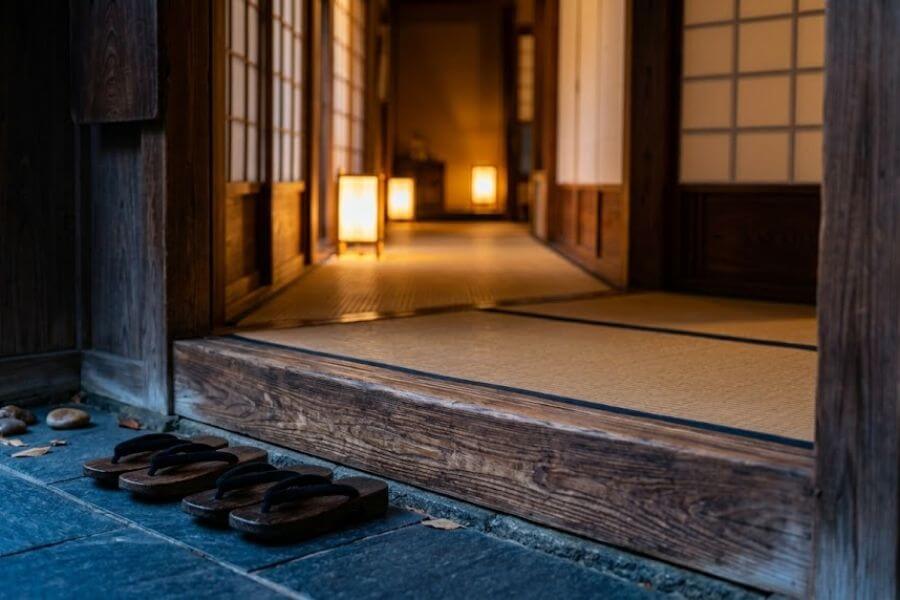
When you enter the front doors, you will step onto a lowered stone or concrete floor known as the genkan. You will notice a raised wooden floor directly ahead of you. This raised floor marks the boundary where the clean indoor world begins.
Stop on the lower stone area and remove your outdoor shoes. Your hosts will be waiting there to greet you with bows and warm smiles. They will take your outdoor shoes, place them safely in a locker, and hand you a pair of indoor slippers. Step onto the raised wooden floor only after you have slipped your feet into these indoor slippers.
The Slippery Rules of Indoor Footwear
Indoor slippers are your primary mode of transportation throughout the wooden hallways, lounges, and dining areas of the inn. However, there are two critical places where these slippers must never go:
- The Tatami Room: The delicate straw mats woven from rush grass can easily tear or get stained. You must slide out of your indoor slippers at the entrance of your bedroom and walk on the tatami mats in your socks or bare feet.
- The Restroom: Ryokan provide special, separate restroom slippers that stay inside the bathroom. When you open the bathroom door, step out of your regular indoor slippers and step directly into the restroom slippers. When you leave the bathroom, swap them back. Forgetting to change out of your bathroom slippers is the most common mistake travelers make, and it causes a lot of quiet amusement for the staff.
Meeting Your Room Attendant
After you fill out your registration paperwork at the desk or while sitting in the lobby lounge, a dedicated room attendant will guide you to your room. They will carry your bags, show you the layout of the property, point out the location of the hot spring baths, and explain how to use the amenities in your room.
Once inside your room, they will often brew a fresh pot of hot green tea and serve a small local sweet. Take this time to sit down, enjoy the tea, and listen as they confirm the timing for your dinner and breakfast.
Decoding Your Traditional Tatami Room
Your room is a masterclass in minimalist design. To untrained eyes, it might look empty when you first walk in, but every object and space serves a specific aesthetic or functional purpose.
The Components of a Washitsu
The floor is covered in thick, tightly woven grass mats called tatami. These mats give the room an earthy, pleasant aroma and feel soft underfoot. In the center of the room sits a very low wooden table surrounded by legless chairs with back supports called zaisu, paired with thick floor cushions called zabuton.
In one corner of the room, you will see a small, raised decorative alcove known as the tokonoma. This alcove holds a seasonal hanging scroll painting and a beautiful flower arrangement. The tokonoma is considered the most sacred space in the room, meant to be admired for its beauty. Never place your luggage, trash, or clothing inside this alcove.
The Magic of the Disappearing Bed
You might look around the room and wonder where you are supposed to sleep. There are no beds, no frames, and no mattresses in sight. Instead, your bedding is tucked away out of view inside large sliding closets.
A traditional Japanese bed consists of a thick quilted floor mattress called a futon, covered by crisp sheets and a warm down duvet. You do not need to pull these out yourself. While you are out of your room eating dinner in the dining hall, your room attendant will quietly enter your space, move the central table to the side, and expertly lay out your plush futon bedding on the soft tatami floor.
Sliding Screens and Changing Light
Instead of heavy curtains and solid drywall, ryokan rooms utilize sliding screens made of translucent paper stretched over wooden frames, known as shoji. These screens diffuse natural sunlight, creating a soft, peaceful glow throughout the day.
Many rooms also feature an outer glass veranda or seating alcove called a hiroen, which usually holds two standard chairs and a small table. This area provides a lovely spot to sit with a cup of tea and gaze out at the garden or mountain scenery without stepping onto the tatami mats.
The Yukata Robe Dress Code
One of the most liberating parts of staying at a traditional inn is the dress code. Upon arrival, you can change out of your restrictive travel clothes and spend your entire visit wearing a comfortable cotton robe known as a yukata.
How to Properly Wear a Yukata
Your room closet will contain a neatly folded yukata for each guest, along with a fabric sash called an obi. Slip your arms into the wide sleeves just like a standard bathrobe. Now comes the most important rule of the entire stay: fold the left side of the fabric over the right side.
Once the left side is resting on top, wrap the fabric sash around your waist and tie it in a simple knot at the front or back. Folding the right side over the left side is a custom reserved exclusively for dressing bodies at traditional funerals, so keeping the left side on top ensures you avoid a major cultural taboo.
Layering for Warmth and Modesty
If you visit during the chilly winter months, you will find additional layers in your closet. A sleeveless padded vest called a chanchanko or a longer, heavy jacket known as a haori can be worn directly over your yukata.
You will also find special split-toe socks called tabi. These socks are designed with a separation between the big toe and the rest of your toes, allowing you to easily wear traditional wooden sandals or split slippers without getting cold feet.
Where Can You Wear the Yukata?
Unlike western hotels where wearing a bathrobe outside your room would look bizarre, the yukata serves as acceptable attire throughout the entire ryokan property. You can wear it to the public hot springs, down to the communal dining room for breakfast and dinner, through the gift shop, and into the lobby lounge.
In dedicated hot spring resort towns, it is completely normal and encouraged to wear your yukata and wooden sandals out onto the public streets for an evening stroll to see the town lights or visit neighboring baths.
The Onsen Hot Spring Experience
For many travelers, the beating heart of the ryokan experience is the onsen, a bath filled with geothermally heated mineral water drawn directly from deep underground. These waters are rich in minerals that soothe sore muscles, clear the skin, and melt away stress.
Before You Enter the Water
The onsen facility is split into separate sections for men and women, clearly marked by fabric curtains called noren hanging over the doors. Red or pink curtains usually indicate the women’s side, while blue or green curtains mark the men’s side.
Inside the changing room, you will find rows of baskets or shelves. Strip down completely naked and place all your clothing, towels, and personal items into a basket. No swimsuits, shorts, or undergarments are allowed in the water under any circumstances. You are allowed to bring a tiny hand towel into the bathing area with you, which you can use to wash your body or place on top of your head while soaking.
The Washing Station Ritual
The absolute golden rule of the Japanese hot spring is that the bathwater must remain completely clean. The pool is strictly for quiet soaking, not for cleaning your body. Before your feet even touch the hot spring water, head to the individual washing stations lined up along the wall.
Each station features a small plastic stool, a bucket, a mirror, a handheld showerhead, and bottles of liquid soap and shampoo. Sit down on the stool and scrub your body thoroughly from head to toe. Rinse off every trace of soap and suds before moving toward the bath.
Soaking Etiquette and Tips
Slowly lower yourself into the mineral pool. The water can be quite hot, often ranging from 100 to 104 degrees Fahrenheit, so take your time to adjust to the temperature.
If you brought your small hand towel into the pool area, make sure it never touches the water. Most bathers fold the damp towel neatly and balance it on top of their head while they soak, or place it on the dry rocks along the edge of the pool. Keep your voice down to a gentle whisper to preserve the tranquil, meditative environment for everyone around you.
Tattoos and the Hot Springs
Historically, tattoos have been associated with organized crime groups in Japan, leading many public baths to ban visible body art entirely. While attitudes are changing rapidly, it is still a sensitive topic.
If you have large, prominent tattoos, you have several great options. You can book a high-end room that features its own private outdoor hot spring bath on the balcony. Alternatively, many ryokan offer private family baths called kashikiri-furo that you can reserve for an hour for a small fee, allowing you to enjoy the hot springs completely behind closed doors with your travel companions.
Navigating the Multi-Course Kaiseki Dinner Dining Experience
Dinner at a high-quality traditional inn is not just a meal. It is an intricate art form known as kaiseki ryori. This multi-course feast showcases the absolute best seasonal, local ingredients, with each dish styled beautifully to mirror the natural world outside.
Where Dinner Takes Place
Depending on the style of the inn, your dinner will be served either in a communal dining room, a private dining booth, or served directly to your bedroom.
If your meal is served in your room, your attendant will coordinate the exact time, set up the low central table, and bring the dishes out in carefully timed flights. If you dine in a communal room, you will walk down in your comfortable yukata robe and find a table laid out with your room number, already shimmering with beautiful ceramic bowls and small sizzling grills.
The Anatomy of a Kaiseki Feast
A classic kaiseki meal can include anywhere from nine to fifteen separate dishes. The chef plans the progression of flavors to balance sweet, sour, salty, bitter, and savory elements. The presentation often incorporates real autumn leaves, pine needles, or fresh cherry blossoms to celebrate the current week of the year.
- Sakizuke: A tiny, beautifully arranged appetizer meant to welcome you and wake up your palate.
- Hassun: A seasonal course that highlights the current theme of the month, often featuring a mix of small bites from both the mountains and the sea.
- Mukozuke: A pristine dish of seasonal sliced raw fish, served on ice with fresh wasabi and local soy sauce.
- Futamono: A delicate, warming soup served in a lidded ceramic bowl to keep the broth hot.
- Yakimono: A grilled course, often featuring local freshwater fish or thin strips of marbled Wagyu beef sizzling over an individual charcoal burner.
- Suemono: A simple rice, miso soup, and pickled vegetable course served near the end of the meal to fill any remaining hunger.
- Mizumono: A light, refreshing dessert consisting of hyper-premium seasonal fruit, local sorbet, or a traditional sweet pastry.
Mindful Dining and Etiquette
As you navigate this culinary journey, take time to appreciate the incredible detail of the pottery and lacquerware, which are often chosen specifically to complement the colors of the food.
Feel free to pick up small bowls and bring them closer to your mouth when eating soups or rice. If a dish features a lid, lift the lid gently, turn it upside down so condensation does not drip onto the table, and place it to the side of your place setting. Drink menus featuring local sake, craft beers, and green teas are always available to enhance the flavors of your feast.
[Typical Kaiseki Flavor Progression]
Bitter/Fresh (Appetizer) -> Clean/Delicate (Sashimi) -> Rich/Savory (Grilled Beef) -> Earthy/Warm (Miso & Rice) -> Sweet/Light (Dessert)
Evening Transition and a Restful Sleep
Once your spectacular dinner comes to an end, the rhythm of the inn shifts into its quietest, most peaceful phase. This is the time to unwind completely and prepare your body for a deep night of sleep.
The Transformation of Your Living Space
If you enjoyed your dinner in the communal dining room, you will return to your bedroom to find it completely transformed. The low wooden table and floor cushions will have been slid neatly against the wall. In their place, your room attendant will have laid out your comfortable futon bedding directly on top of the soft tatami mats.
If you dined inside your room, the attendant will efficiently clear away all the small dishes, wipe down the table, and set up your bedding right before your eyes with practiced, quiet movements.
A Second Soak in the Moonlight
Many seasoned travelers agree that the absolute best time to visit the outdoor hot spring baths is late at night. Slip back into your yukata and head back down to the onsen pool around 9:00 PM or 10:00 PM.
Soaking in a hot steaming bath under a canopy of stars while listening to the wind rustle through the bamboo trees is an unforgettable experience. The late-night dip relaxes your muscles so deeply that you will practically float back to your room and drift off to sleep the moment your head hits the pillow.
Embracing the Unique Pillow Textures
Traditional Japanese pillows, known as makura, can feel quite different from the soft feather pillows found in western hotels. They are often filled with small buckwheat hulls, cedar chips, or tiny plastic beads.
This design allows the pillow to contour perfectly to the shape of your neck and head while providing firm, cool support. If you find the texture too stiff or loud when you turn over, you can wrap a soft bath towel over the pillow to soften the surface.
Morning Rituals and Saying Farewell
The experience of a traditional inn finishes just as beautifully as it begins. The morning routine is designed to help you greet the new day with a clear mind and a full stomach.
The Sunrise Onsen Dip
Waking up early at a ryokan is highly rewarding. Head down to the hot spring pools just as the sun begins to rise over the mountains.
The morning air is crisp, the water is perfectly still, and you will often have the entire outdoor pool completely to yourself. This morning soak acts as a gentle, refreshing wake-up call for your circulation, replacing the need for a morning cup of coffee.
A Hearty Traditional Breakfast
After your morning bath, change back into your yukata and head down to breakfast. Ryokan do not offer simple continental breakfast buffets. Instead, you will receive a massive, well-balanced traditional breakfast spread.
The meal typically features a bowl of steaming white rice, a hot bowl of savory miso soup, a piece of grilled salted fish like salmon or mackerel, rolled egg omelets called tamagoyaki, tofu simmering in a clay pot, and an assortment of pickled vegetables. It is a savory, nutrient-dense meal designed to fuel you for a full day of travel and sightseeing ahead.
Checking Out with Sincere Gratitude
Standard check-out times at ryokan are usually around 10:00 AM, which is slightly earlier than conventional hotels. When you return to the lobby to settle your bill, you will pay for your room along with a tiny local hot spring tax and any drinks you ordered during dinner.
As you prepare to step out the door, your hosts will bring out your outdoor shoes, neatly aligned and ready for you to step into. It is customary to offer a polite bow and say thank you very much, which is expressed as arigato gozaimasu, to show your appreciation for their exceptional hospitality. Often, the staff will stand outside the main entrance, waving goodbye to you until your train or taxi completely disappears from view around the corner.
Frequently Asked Questions
What should I do if I am running late for the strict check-in time?
If you realize that transportation delays or unexpected travel issues will cause you to arrive past your scheduled check-in window, you must call the inn as soon as possible. Because ryokan coordinate their kitchen schedules around guest arrival times, letting them know early allows the chefs to adjust their dinner preparations so your multi-course meal does not go to waste or get cold.
Can I wear my own comfortable clothing instead of the provided cotton yukata?
You are absolutely welcome to wear your own casual personal clothing around the inn if you do not feel comfortable wearing the yukata robe. However, wearing the yukata is highly encouraged and celebrated as a fun, relaxing part of the traditional experience. The vast majority of guests, both local and international, will be wearing theirs everywhere throughout the property.
Is it acceptable to tip the room attendant or front desk staff for great service?
Tipping is not a part of Japanese culture, and attempting to leave extra cash on the table or handing bills directly to your room attendant can create awkward confusion. The exceptional service you receive is already built into the price of your stay. If you want to show your deep appreciation for an amazing experience, a sincere thank you accompanied by a polite bow is the best gift you can give.
How should I handle my large suitcases when walking on the delicate tatami floors?
When you first enter your room with large wheeled luggage, you must lift the bags up and carry them across the tatami mats rather than dragging them along the floor. The wheels can easily scuff, tear, or stain the natural woven fibers of the mats. Most ryokan will have a dedicated wooden entryway strip or an elevated luggage stand where you can safely park your large bags without damaging the room.