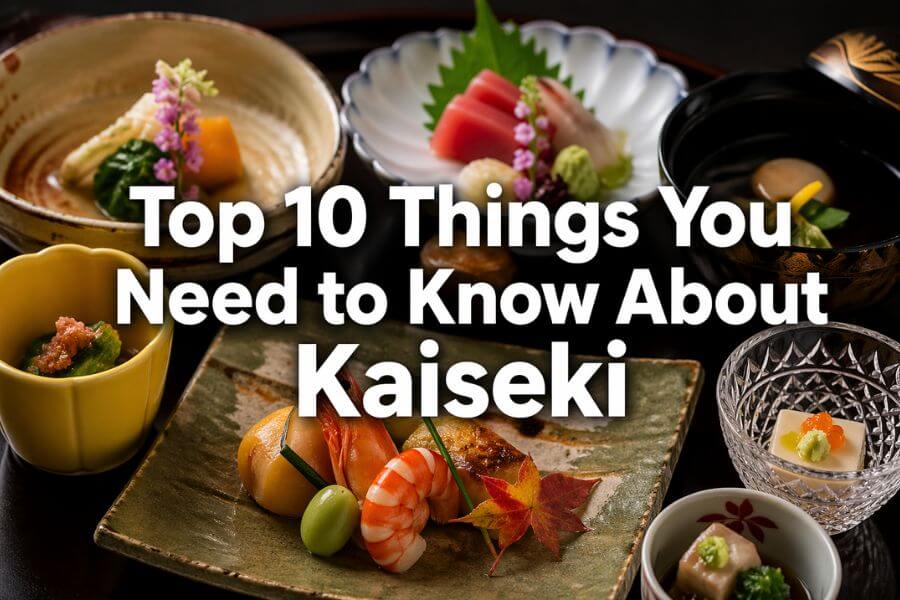
If you love Japanese food and want to experience something truly special, you should learn about Kaiseki. This is not just a meal. It is a carefully planned dining experience that focuses on beauty, balance, and seasonal ingredients. When you sit down for a Kaiseki meal, you are not only eating food. You are also enjoying art, culture, and tradition.
Kaiseki can feel a bit unfamiliar if you are trying it for the first time. The dishes are small, the presentation is detailed, and the pace is slow. But once you understand how it works, you will see why it is one of the most respected styles of dining in Japan. In this guide, you will discover the top 10 things you need to know about Kaiseki so you can enjoy it with confidence.
1. Kaiseki Is More Than Just a Meal
Kaiseki is often described as a fine dining experience, but it is much deeper than that. It started from traditional tea ceremonies, where simple food was served to balance the flavors of tea. Over time, it became more refined and artistic.
When you sit down for Kaiseki, you are entering a complete experience that includes:
- Food that highlights seasonal ingredients
- Beautiful presentation that looks like art
- A calm and quiet atmosphere
- A thoughtful order of dishes
Each dish is prepared with care and meaning. The goal is not to fill you up quickly but to let you enjoy each moment slowly.
2. Seasonality Is the Heart of Kaiseki
One of the most important things about Kaiseki is its focus on seasons. The menu changes depending on the time of year, and chefs carefully select ingredients that are fresh and in season.
For example:
- Spring dishes may include cherry blossom themes and light flavors
- Summer dishes are often refreshing and cooling
- Autumn meals highlight mushrooms and rich colors
- Winter dishes are warm and comforting
This means every Kaiseki experience is unique. Even if you visit the same restaurant twice, the menu may be completely different.
3. Presentation Matters as Much as Taste
In Kaiseki, how the food looks is just as important as how it tastes. Each dish is arranged in a way that reflects nature and balance. Plates, bowls, and even colors are chosen carefully.
You might notice:
- Leaves or flowers placed on dishes
- Plates that match the season
- Food arranged to look like landscapes
This attention to detail makes Kaiseki feel like a form of art. Before you eat, take a moment to look at the dish and appreciate its design.
4. Kaiseki Follows a Structured Course Order
Kaiseki meals follow a specific order of dishes. While the exact menu can change, there is usually a traditional flow that chefs follow to guide your experience.
A typical Kaiseki meal may include:
- Sakizuke: a small appetizer
- Suimono: a clear soup
- Sashimi: fresh raw fish
- Yakimono: grilled dish
- Nimono: simmered dish
- Agemono: fried dish
- Gohan: rice with side dishes
- Mizumono: dessert
Each course is designed to balance flavors and textures. The meal moves from light to rich and then back to simple.
5. Portion Sizes Are Small but Thoughtful
If you are used to large meals, Kaiseki may surprise you. Each dish is small, but the meal includes many courses. By the end, you will usually feel satisfied without feeling too full.
The idea is to let you enjoy a variety of flavors without overwhelming you. Instead of one big plate, you get many small experiences.
This approach helps you:
- Focus on each dish
- Appreciate different cooking styles
- Avoid feeling heavy after eating
6. Freshness and Quality Are Top Priorities
Kaiseki chefs use only the best ingredients they can find. Freshness is extremely important, especially for items like seafood and vegetables.
Many ingredients are:
- Locally sourced
- Prepared on the same day
- Selected based on peak quality
This focus on quality is one reason Kaiseki meals can be expensive. You are paying for the best ingredients and the skill of the chef.
7. The Chef’s Skill Plays a Big Role
Kaiseki is not just about ingredients. It is also about the chef’s technique and creativity. A skilled chef knows how to bring out the natural flavors of each ingredient without overpowering them.
You may notice that dishes are:
- Lightly seasoned
- Carefully cooked to keep the natural taste
- Balanced in flavor and texture
The chef’s goal is to let each ingredient shine while still creating a harmonious meal.
8. The Dining Atmosphere Is Calm and Respectful
When you dine in a Kaiseki restaurant, the environment is usually quiet and peaceful. This helps you focus on the meal and enjoy the experience fully.
You may be seated in a traditional room with tatami mats, or in a modern setting that still feels calm and refined.
To match the atmosphere, it is best to:
- Speak softly
- Avoid rushing through the meal
- Pay attention to each course
This kind of setting makes Kaiseki feel very different from casual dining.
9. Etiquette Is Important but Simple
You do not need to be an expert in Japanese manners to enjoy Kaiseki, but knowing a few basic rules can help you feel more comfortable.
Here are some simple tips:
- Wait for everyone to be served before starting
- Use chopsticks properly and avoid pointing them
- Do not mix dishes unless intended
- Show appreciation by finishing your food
If you are unsure, just observe others or follow the server’s guidance. Most places are welcoming to beginners.
10. Kaiseki Can Be Expensive but Worth It
Kaiseki meals are often more expensive than regular dining, but there is a good reason for this. You are paying for:
- High-quality seasonal ingredients
- Skilled preparation
- Artistic presentation
- A full dining experience
For many people, Kaiseki is something they try on special occasions. It is not just about eating. It is about creating a memorable experience.
If you plan ahead and choose a restaurant that fits your budget, you can enjoy Kaiseki without stress.
Conclusion
Kaiseki is one of the most refined and meaningful dining experiences you can have. It combines food, art, and tradition into one beautiful journey. When you understand the basics, you can enjoy it more deeply and feel more confident during your meal.
As you explore Kaiseki, remember to take your time, notice the details, and enjoy each dish. From seasonal ingredients to elegant presentation, every part of Kaiseki is designed to create a special moment for you.
Whether you are trying it for the first time or returning for another experience, Kaiseki offers something unique that goes beyond ordinary dining.
Frequently Asked Questions
What does Kaiseki mean?
Kaiseki originally referred to a simple meal served during tea ceremonies. Over time, it evolved into a multi-course dining style that focuses on seasonal ingredients and artistic presentation. Today, it represents one of the highest forms of Japanese cuisine.
How long does a Kaiseki meal usually take?
A Kaiseki meal usually takes between one and three hours. The pace is slow, so you can enjoy each course. It is meant to be a relaxing experience, not a quick meal.
Do I need to make a reservation for Kaiseki?
Yes, it is highly recommended to make a reservation. Many Kaiseki restaurants prepare meals based on the number of guests, so booking in advance helps ensure a smooth experience.
Can vegetarians enjoy Kaiseki?
Yes, but you should inform the restaurant in advance. Many Kaiseki meals include fish or seafood, but some places can prepare vegetarian options if requested ahead of time.
Is Kaiseki only available in Japan?
Kaiseki is most common in Japan, but you can also find it in other countries, especially in cities with strong Japanese culinary scenes. However, the most authentic experience is still in Japan, where the tradition began.