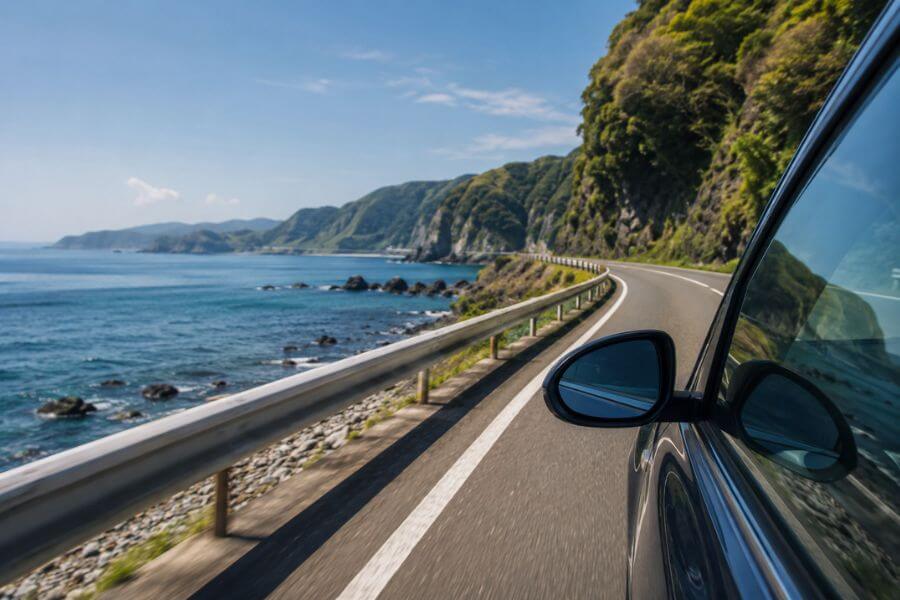
Japan is famous for neon cities, ancient temples, and fast trains, but some of its most unforgettable experiences happen on the open road beside the sea. When you drive along Japan’s coastline, you get dramatic cliffs, hidden fishing villages, peaceful beaches, fresh seafood stops, and ocean views that seem endless. Every region has its own personality, from tropical island highways in Okinawa to rugged volcanic coastlines in Hokkaido.
If you love scenic drives, Japan gives you routes that feel cinematic from beginning to end. Some roads twist along cliffs above crashing waves, while others glide through quiet seaside towns where life moves slowly. The best part is that many of these drives are less crowded than Japan’s famous tourist spots, which makes the journey feel even more special.
Here are the 10 most jaw-dropping coastal drives in Japan you need to experience at least once.
Quick Summary Table 🚗
| Coastal Drive | Region | Best For | Best Season | Approximate Drive Time |
|---|---|---|---|---|
| Shimanami Kaido | Hiroshima to Ehime | Island hopping | Spring and fall | 2 to 4 hours |
| Cape Erimo Coastal Road | Hokkaido | Wild nature | Summer | 3 hours |
| Nishi-Izu Skyline | Shizuoka | Mount Fuji views | Fall | 2 to 3 hours |
| Okinawa Seaside Route | Okinawa | Tropical beaches | Spring and summer | Full day |
| Sanriku Coast Drive | Tohoku | Dramatic cliffs | Summer and fall | 5 to 7 hours |
| Tango Peninsula Drive | Kyoto Prefecture | Quiet fishing villages | Spring | 4 hours |
| Noto Peninsula Coastal Road | Ishikawa | Traditional Japan | Fall | Full day |
| Nichinan Coast Road | Miyazaki | Palm tree scenery | Spring and summer | 2 to 4 hours |
| Sata Misaki Road | Kagoshima | Remote coastal beauty | Spring | 3 hours |
| Shimokita Peninsula Route | Aomori | Untouched landscapes | Summer | Full day |
How We Ranked These Coastal Drives 🧭
We ranked these coastal drives using several important factors that make a road trip unforgettable:
- Ocean scenery and cliffside views
- Road quality and driving experience
- Access to local food and seaside towns
- Seasonal beauty throughout the year
- Unique attractions along the route
- Overall road trip atmosphere
- Opportunities for stops, photos, and hidden gems
- Balance between adventure and relaxation
1. Shimanami Kaido – Japan’s Ultimate Island-Hopping Drive 🌉
The Shimanami Kaido is often considered Japan’s most legendary coastal drive, and it is easy to understand why. This route connects the city of Onomichi in Hiroshima Prefecture to Imabari in Ehime Prefecture through a chain of beautiful islands in the Seto Inland Sea.
As you drive, you cross massive suspension bridges with breathtaking ocean views on both sides. The water here is calm and sparkling, and the islands feel peaceful and timeless. Small fishing villages, citrus farms, and hidden beaches appear throughout the journey.
One of the best things about this drive is the balance between nature and comfort. You can stop at modern roadside stations for fresh seafood or pull over at tiny local cafes overlooking the sea. Cycling is also popular here, so you will often see riders traveling across the bridges.
Spring brings cherry blossoms, while fall offers cooler temperatures and golden sunsets. Even rainy days can look magical because the mist wraps around the islands and bridges.
2. Cape Erimo Coastal Road – The Wild Side of Hokkaido 🐚
If you want raw and untamed scenery, the drive to Cape Erimo in Hokkaido is unforgettable. This route feels completely different from the rest of Japan because the landscape is vast, windy, and incredibly open.
The coastline stretches for miles with steep cliffs, crashing waves, and almost no crowds. On some days, the ocean looks calm and peaceful. On others, the waves slam into the rocks with incredible force.
Cape Erimo itself is famous for strong winds and wild seals resting near the shore. Driving here feels adventurous because the weather changes quickly, and the roads often feel isolated.
Summer is the best season because the skies are clearer and the temperatures are comfortable. You may also spot horses grazing near the coast, which adds to the feeling that you are exploring somewhere far from city life.
3. Nishi-Izu Skyline – Coastal Roads With Mount Fuji Views 🗻
The Izu Peninsula is famous for hot springs and ocean scenery, but the Nishi-Izu Skyline gives you something even more special. This drive combines coastal cliffs with distant views of Mount Fuji.
The roads twist through mountains before opening up to dramatic ocean panoramas. Around sunset, the sea turns orange and gold, creating one of the most beautiful driving experiences in Japan.
Small seaside towns along the route are known for fresh fish and relaxing hot spring inns. Many travelers spend the day driving and then stay overnight in a traditional ryokan with ocean views.
Fall is especially beautiful because the air is crisp and visibility is usually excellent. This makes Mount Fuji appear even more dramatic against the coastline.
4. Okinawa Seaside Route – Japan’s Tropical Escape 🌴
Driving in Okinawa feels more like a tropical island adventure than a traditional Japanese road trip. The roads along Okinawa’s coast are lined with turquoise water, white sand beaches, and palm trees swaying in the breeze.
The route between Naha and the northern part of Okinawa Island is packed with scenic stops. You can visit quiet beaches, ocean cafes, snorkeling spots, and cliffside viewpoints all in one day.
One highlight is the drive across bridges connecting smaller islands. The water below is so clear that you can often see coral reefs from your car window.
Unlike colder parts of Japan, Okinawa stays warm for much of the year. Spring and early summer are perfect because the weather is sunny without being too humid.
This drive is ideal if you want a relaxed coastal trip with a vacation atmosphere.
5. Sanriku Coast Drive – Japan’s Most Dramatic Cliffs 🌅
The Sanriku Coast in northeastern Japan is powerful, emotional, and incredibly scenic. This coastline is known for steep cliffs, hidden coves, and rugged ocean views that feel almost cinematic.
The roads weave beside the Pacific Ocean, giving you nonstop opportunities to stop for photos. Fishing villages appear between cliffs, and local seafood here is among the best in Japan.
One of the most memorable parts of this drive is how untouched many areas still feel. You can drive for long stretches while hearing nothing except waves and wind.
The region also carries deep historical meaning because many communities were rebuilt after the 2011 earthquake and tsunami. Today, travelers can experience both the natural beauty and the strength of the local people.
Summer and early fall are ideal because the weather is milder and visibility is better.
6. Tango Peninsula Drive – Kyoto’s Hidden Coastal Gem 🎣
Most people visit Kyoto for temples and gardens, but the Tango Peninsula shows a completely different side of the region. This coastal drive is peaceful, traditional, and full of hidden beauty.
The road passes quiet fishing towns, dramatic rock formations, and beaches with surprisingly clear water. One famous stop is Amanohashidate, a scenic sandbar often called one of Japan’s three most beautiful views.
The atmosphere here feels slower and more authentic compared to crowded tourist cities. You can stop at seafood markets, family-run restaurants, and tiny ports where fishing boats line the harbor.
Spring is especially beautiful because flowers bloom along the coastline and temperatures stay comfortable for long drives.
7. Noto Peninsula Coastal Road – Traditional Japan by the Sea 🏮
The Noto Peninsula in Ishikawa Prefecture offers one of Japan’s most culturally rich coastal drives. This region combines ocean scenery with old traditions that still feel alive today.
As you drive, you pass terraced rice fields overlooking the sea, old wooden houses, and quiet coastal villages. Some roads run so close to the water that it feels like you are driving directly beside the waves.
The famous Chirihama Nagisa Driveway even lets you drive directly on the beach, which is a rare experience in Japan.
Food lovers will also enjoy this route because the seafood is incredibly fresh. Many roadside restaurants serve local crab, grilled fish, and seasonal specialties.
Fall is a fantastic season because the cool air and changing leaves make the scenery even more beautiful.
8. Nichinan Coast Road – Palm Trees and Ocean Breezes 🌺
Located in Miyazaki Prefecture, the Nichinan Coast Road is one of Japan’s most relaxing scenic drives. The route is famous for palm trees, bright blue water, and warm sunshine.
Unlike some rugged coastal drives, this road feels smooth and peaceful. It is perfect for travelers who want easy driving mixed with amazing views.
Popular stops include the Udo Shrine, built into seaside cliffs, and the famous Devil’s Washboard rock formations. Oceanfront cafes and seafood restaurants are easy to find along the route.
The relaxed atmosphere makes this drive feel almost like a California coastal road trip, but with a uniquely Japanese touch.
Spring and summer are the best times to enjoy the warm weather and ocean breeze.
9. Sata Misaki Road – Japan’s Southern Coastal Adventure 🐬
Sata Misaki sits at the southern tip of Kyushu, and the drive there feels adventurous from beginning to end. The roads curve through forests before opening to dramatic ocean views.
This area is less touristy than many famous destinations, which makes the experience feel personal and quiet. Along the way, you may see hidden beaches, cliffs, and small villages where time seems to move slowly.
At the end of the route, Cape Sata offers sweeping views of the sea and nearby islands. On clear days, the horizon looks endless.
Spring is a great season because flowers bloom along the roadsides and temperatures stay mild.
10. Shimokita Peninsula Route – Japan’s Remote Coastal Wonderland ❄️
The Shimokita Peninsula in Aomori Prefecture feels mysterious and almost otherworldly. This northern coastal route is known for dramatic rock formations, foggy coastlines, and quiet roads surrounded by nature.
One major highlight is Hotokegaura, where giant white rock cliffs rise from the sea in strange and beautiful shapes. The scenery here feels untouched and remote.
Driving through this region gives you a sense of freedom because traffic is light and the landscapes are enormous. You can stop at small fishing ports, mountain viewpoints, and hidden hot springs along the way.
Summer is the easiest season for driving because winter weather in northern Japan can become harsh.
Conclusion 🌟
Japan’s coastal drives offer far more than beautiful roads. They give you access to hidden towns, unforgettable ocean views, fresh seafood, and experiences that many tourists never see. Every coastline has its own mood and personality, from Okinawa’s tropical beaches to Hokkaido’s wild cliffs.
The best part of a Japanese coastal road trip is the freedom to stop whenever something catches your eye. A tiny seafood restaurant, a quiet beach, or a roadside viewpoint can easily become the highlight of your journey.
If you want to experience Japan beyond the major cities, these coastal drives are some of the most rewarding adventures you can take.
Frequently Asked Questions ❓
Do you need an international driving permit to drive in Japan?
Yes, most foreign travelers need an International Driving Permit along with their original driver’s license. Japan has strict driving regulations, so make sure your permit is valid before arriving.
What is the best season for a coastal road trip in Japan?
Spring and fall are usually the best seasons because temperatures are comfortable and the scenery is beautiful. Summer works well for northern regions and beach destinations.
Are Japanese coastal roads easy for beginners to drive?
Many coastal roads are beginner-friendly, especially in Okinawa and Miyazaki. However, some mountain coastal routes have narrow and winding roads that require extra attention.
Is renting a car in Japan expensive?
Rental costs vary depending on the region and season. Smaller cars are usually affordable, and driving outside major cities can save time compared to trains.
Are there enough gas stations along coastal routes?
Most popular coastal routes have enough gas stations, but remote areas in Hokkaido or northern Japan may have long stretches without services. It is smart to refill before entering isolated areas.