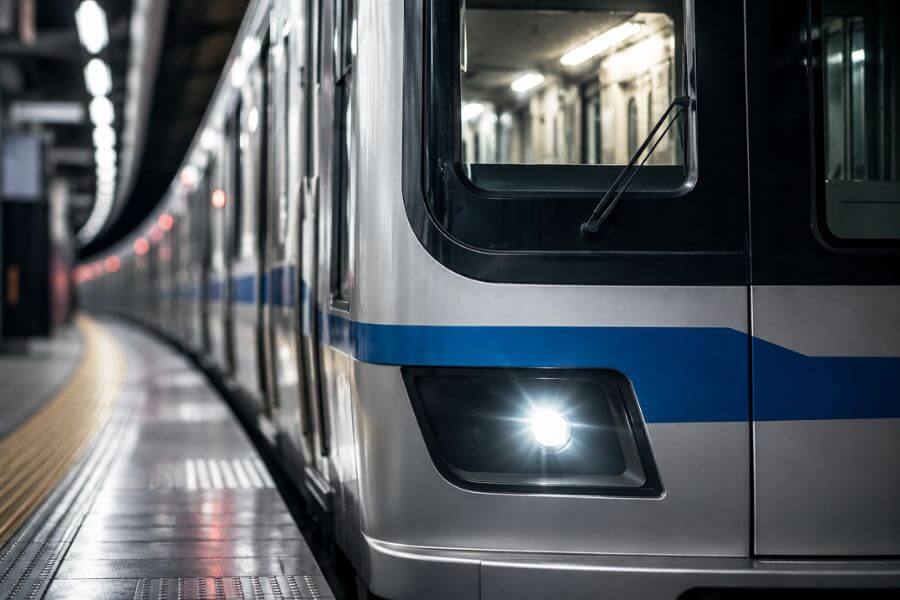
If you visit Tokyo for the first time, the metro system can feel overwhelming. There are colorful lines, crowded stations, confusing exits, and trains arriving every few minutes. But once you understand how locals actually use the Tokyo Metro, you begin to notice hidden tricks that can save you time, money, and stress.
Most tourists only scratch the surface of Tokyo’s train system. Locals, however, know small secrets that make daily travel smoother and far more enjoyable. From quiet train cars to hidden underground shortcuts, these insider tips can completely change the way you explore the city.
In this guide, you will discover the best-kept secrets of the Tokyo Metro that many locals rarely talk about openly. These tips are practical, easy to use, and surprisingly helpful whether you are staying for three days or three months.
Quick Summary Table 🗾
| # | Tokyo Metro Secret | Why It Matters |
|---|---|---|
| 1 | Exit Numbers Matter More Than Station Names | Saves huge amounts of walking time |
| 2 | Some Train Cars Stop Closest to Transfers | Makes connections much faster |
| 3 | Underground Passages Connect Entire Neighborhoods | Helps you avoid rain and crowds |
| 4 | Rush Hour Has Hidden “Less Crowded” Spots | Makes commuting more comfortable |
| 5 | Convenience Stores Underground Are Often Better | Faster shopping during busy days |
| 6 | Metro Day Passes Can Pay Off Quickly | Saves money for heavy sightseeing |
| 7 | Last Train Timing Controls Tokyo Nightlife | Missing it can become very expensive |
| 8 | Station Melodies Help You Navigate | Useful when you cannot read signs quickly |
| 9 | Some Platforms Have Secret Rest Areas | Great for breaks during long travel days |
| 10 | Certain Stations Hide Amazing Food Spots | Lets you eat like a local |
How We Ranked These Secrets 🔍
We ranked these Tokyo Metro secrets based on several important factors:
- How useful they are for travelers
- How often locals actually use them
- How much time or money they can save
- How hidden or overlooked they are
- How easy they are for first-time visitors to understand
- How much they improve your overall Tokyo experience
- How practical they are during everyday travel
1. Exit Numbers Matter More Than Station Names 🎯
One of the biggest mistakes visitors make is focusing only on station names. In Tokyo, the exit number is often even more important.
Large stations like Shinjuku or Tokyo Station can have dozens of exits. If you leave through the wrong one, you might end up walking an extra 15 to 20 minutes above ground.
Locals almost always memorize the exit number they need before traveling. Instead of saying, “Meet me at Shibuya Station,” they often say, “Meet me at Exit A2.”
This becomes especially useful in crowded business districts where buildings connect directly to specific exits underground.
Before you travel, check which exit is closest to your destination. It sounds simple, but it can save a huge amount of time and energy.
2. Some Train Cars Stop Closest to Transfers 🚉
Tokyo locals know that where you stand on the platform matters.
Certain train cars line up perfectly with escalators, stairways, or transfer points at the next station. During rush hour, this small trick can save several minutes.
You will often notice painted symbols on the platform showing door locations and car numbers. Experienced commuters intentionally wait in very specific spots.
For example, getting into the front car instead of the middle might place you directly beside the transfer escalator when you arrive.
This is one of the reasons locals move through stations so efficiently, while tourists often feel lost in the crowd.
If you plan to use the same route repeatedly, learning the best car position becomes incredibly useful.
3. Underground Passages Connect Entire Neighborhoods 🌆
Tokyo has an enormous underground world that many visitors never fully discover.
In areas like Marunouchi, Shinjuku, and Ikebukuro, you can walk underground for surprisingly long distances without ever stepping outside.
Locals use these passages during hot summers, rainy days, and cold winters. Some underground routes connect shopping malls, office towers, restaurants, and train stations all together.
These underground networks can sometimes feel like hidden cities beneath Tokyo.
If the weather turns bad, do not rush outside immediately after leaving the train. Look around for underground signs and connected walkways. You may reach your destination entirely indoors.
This is one of the most underrated ways to travel comfortably around Tokyo.
4. Rush Hour Has Hidden “Less Crowded” Spots 🚶
Tokyo trains are famous for being crowded, but locals know certain areas of the platform are usually less packed.
Many passengers instinctively stand near stairs or escalators because they want fast exits. This creates extreme crowding in those areas.
The middle sections of the platform or spots farther from major exits are often noticeably calmer.
You can also find quieter train cars during rush hour by observing commuter patterns. Women-only cars during allowed hours are often less crowded overall, though access rules vary depending on time and line.
Another local trick is waiting for the next train instead of squeezing into the first available one. Since trains arrive so frequently, waiting one extra minute can make your ride much more comfortable.
5. Convenience Stores Underground Are Often Better 🛍️
Tokyo Metro stations hide some incredibly useful convenience stores underground.
Many travelers rush to street-level stores, but underground shops are often cleaner, faster, and designed specifically for commuters.
You can quickly grab fresh sandwiches, rice balls, drinks, umbrellas, chargers, or even business supplies without leaving the station area.
Some stations also have bakeries and dessert shops that locals quietly rely on during busy mornings.
Underground convenience stores are especially helpful when transferring between lines because you avoid extra walking and street crossings.
If you need a fast snack before boarding, the underground options are usually your best choice.
6. Metro Day Passes Can Pay Off Quickly 💴
Many visitors underestimate how much they will actually ride the Tokyo Metro.
A day pass can become worth the cost after just a few trips, especially if you are sightseeing across different parts of the city.
Locals who spend entire days moving between meetings or neighborhoods sometimes use these passes as well because they simplify travel.
There are also combination passes that work across different rail systems, which can make navigation easier for tourists.
The key secret is planning your sightseeing geographically. If you organize several metro-heavy destinations into one day, the savings add up very quickly.
Always calculate your expected trips before assuming single tickets are cheaper.
7. Last Train Timing Controls Tokyo Nightlife 🌃
One of Tokyo’s most important unwritten rules revolves around the last train.
Because many trains stop running around midnight, locals constantly monitor the time during nights out. Missing the final train can leave you paying very expensive taxi fares.
This is why restaurants, bars, and karaoke spots often become extremely busy shortly before the last departures.
Some locals even stay out until the first morning train instead of paying for transportation home.
If you plan to enjoy Tokyo nightlife, always check the final train schedule in advance. This simple habit can save you from a stressful late-night situation.
It is one of the most practical survival tips for navigating Tokyo after dark.
8. Station Melodies Help You Navigate 🎵
Many Tokyo stations use unique departure melodies before trains leave.
At first, these sounds may seem like simple background music. But locals often use them subconsciously to recognize stations and train timing.
Some melodies are cheerful while others are calm and relaxing. Frequent commuters begin associating specific sounds with specific places.
Even if you do not understand Japanese announcements perfectly, the melodies can help you notice when your train is about to depart.
This small design detail also reduces stress in crowded environments because the sounds feel softer and more pleasant than loud alarms.
Once you notice the melodies, your metro experience becomes much more memorable.
9. Some Platforms Have Secret Rest Areas 🪑
Tokyo stations can involve a huge amount of walking. Fortunately, some platforms and underground corridors contain hidden seating areas that many tourists miss.
These spots are usually tucked away near quieter exits or inside underground shopping sections.
Locals sometimes use them for quick breaks, short lunches, or simply checking their phones before continuing their commute.
You may also find small cafes and standing coffee bars hidden inside larger stations.
Instead of rushing through every transfer, take a moment to explore your surroundings. Some stations are designed almost like mini neighborhoods with places to relax.
This can make long travel days feel far less exhausting.
10. Certain Stations Hide Amazing Food Spots 🍜
Some of Tokyo’s best casual food is hidden inside or underneath metro stations.
These restaurants are often filled with local office workers rather than tourists, which usually means the food is both affordable and excellent.
You can discover ramen shops, sushi counters, curry restaurants, and tiny dessert stores directly connected to station corridors.
Tokyo Station in particular is famous for its underground food streets packed with local favorites.
Many travelers waste time searching randomly above ground while incredible meals sit quietly below them.
If you want a more authentic experience, spend extra time exploring the station food areas instead of immediately leaving the metro.
Conclusion ✨
The Tokyo Metro is much more than a transportation system. It is a hidden world filled with smart design, local habits, and practical secrets that make city life run smoothly.
Once you understand how locals use the metro, traveling through Tokyo becomes far less stressful and much more enjoyable. Small details like choosing the correct exit, standing in the right train car, or exploring underground pathways can completely change your experience.
These secrets may seem simple at first, but together they help you move through Tokyo with greater confidence and comfort.
The next time you ride the Tokyo Metro, pay attention to the little things around you. You may discover that the city’s real magic is hiding underground.
Frequently Asked Questions ❓
Is the Tokyo Metro difficult for first-time visitors?
It can feel confusing at first because Tokyo has many train lines and large stations. However, signs are usually very clear, and most stations include English translations. After a few rides, the system becomes much easier to understand.
What is the best time to avoid crowded trains in Tokyo?
The least crowded times are usually between late morning and early afternoon. Rush hour is generally busiest between 7:00 AM to 9:00 AM and 5:00 PM to 7:00 PM on weekdays.
Can you use credit cards for Tokyo Metro tickets?
Yes, many ticket machines now accept credit cards, but having some cash is still useful. Rechargeable IC cards are also very popular because they make travel much faster.
Are Tokyo Metro stations safe late at night?
Tokyo Metro stations are generally considered very safe, even late at night. Stations are clean, well monitored, and commonly used by commuters until the final trains.
What should you do if you get lost inside a station?
Do not panic. Look for station maps, exit signs, or information counters. Station staff are usually very helpful, even if there is a language barrier. Following exit numbers carefully can also help you recover quickly.