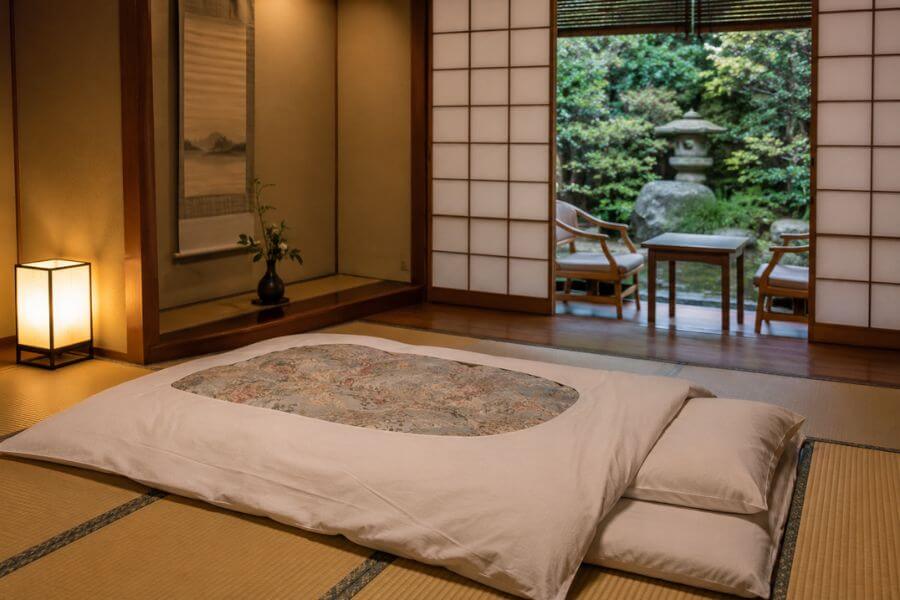
Stepping through the sliding wooden doors of a traditional Japanese inn, or ryokan, is like stepping out of time. The rush of modern life fades, replaced by the scent of woven straw mats, the soft glow of paper lanterns, and the quiet ritual of hospitality. A ryokan is not just a place to sleep; it is a profound experience that invites you to slow down, breathe, and embrace the art of living with intention.
Key Takeaways
- A ryokan is a traditional Japanese inn that offers a deeply immersive cultural experience.
- Expect to leave your shoes at the entrance and wear provided loungewear called yukata throughout your stay.
- Kaiseki meals, which are multi-course dinners featuring seasonal and local ingredients, are a highlight of the experience.
- Many ryokans feature onsen, or natural hot spring baths, which are essential for relaxation.
- Following basic etiquette, like bathing procedures and quiet behavior, ensures a respectful and harmonious atmosphere.
Understanding the Heart of a Ryokan
At its core, a ryokan is a home away from home, but with a philosophy rooted in omotenashi. This term translates to a level of hospitality that anticipates your needs before you even realize them yourself. Unlike a standard hotel where the goal is efficiency and anonymity, a ryokan seeks to provide a sense of belonging. The staff often treats guests as if they are visiting a family home, ensuring that every detail, from the placement of your slippers to the timing of your tea, is curated for your comfort.
The Sensory Experience of Space
The architecture of a ryokan is designed to connect you with the natural world. Instead of thick walls and heavy carpets, you will find sliding paper screens known as shoji that allow soft, filtered light to fill the room. The floors are covered in tatami, which are mats woven from dried rush grass. Walking on them in your socks feels grounding and soft. The room itself is often sparse by Western standards, intentionally kept uncluttered to encourage a calm mind. In the center of the room, you will usually find a low table where you can enjoy tea while looking out at a private garden or a scenic view.
The Ritual of the Onsen
One of the most famous aspects of staying in a ryokan is the access to an onsen. These are hot spring baths fed by volcanic mineral water. Japanese culture considers bathing a sacred act of purification and relaxation. Whether you are using a communal bathhouse or a private tub in your room, the process remains the same. You must wash thoroughly before entering the water. The mineral-rich heat is said to have healing properties, soothing tired muscles and quieting the spirit. As you soak, gazing at the steam rising into the cool evening air, you will understand why this ritual has been practiced for centuries.
Dining as an Art Form
When you stay at a ryokan, dinner is typically an event rather than just a meal. This is the kaiseki experience. It is a sequence of small, beautifully prepared dishes that showcase the best of the current season and the local geography. A chef might present a delicate sashimi plate in the spring, followed by mountain vegetables in the summer, or warm, savory stews in the winter. Every dish is a work of art, served on ceramics that are chosen to complement the food. The server will bring each course to your room, explaining the origins of the ingredients with a gentle, appreciative tone. This slow pace of dining allows you to savor every flavor and appreciate the craftsmanship behind the meal.
Navigating Ryokan Etiquette
Entering a space that is so different from what you are used to can feel intimidating, but the rules are simple and designed for mutual respect. The most important rule is to remove your shoes at the genkan, or entryway. You will be provided with indoor slippers, but these must be removed when you step onto the tatami mats. When you are in your room, you will wear a cotton robe called a yukata. This is perfectly acceptable attire for roaming the hallways, visiting the onsen, and even eating dinner in the communal dining area. Keep your voice low, as the thin walls are intended to maintain a peaceful environment for everyone.
Comparing Types of Accommodation
To help you choose the right setting for your journey, consider how different styles of lodging compare.
| Feature | Ryokan | Western Hotel |
| Flooring | Tatami mats | Carpet or wood |
| Bedding | Futon on the floor | Raised bed with mattress |
| Attire | Yukata robes provided | Personal clothing |
| Meal Style | Seasonal multi-course (Kaiseki) | Buffet or à la carte |
| Atmosphere | Traditional and quiet | Modern and active |
Preparing for Your First Stay
Preparation is key to feeling at ease. Pack light, as you will be provided with almost everything you need, including pajamas, toiletries, and sometimes even specialized skincare products. When you arrive, be prepared to be greeted with a bow. You do not need to bow perfectly, but a simple nod is a sign of appreciation. Use this time to ask questions if you are unsure about the bathing rules or the timing of your meals. The staff is there to assist you, and they truly enjoy helping guests understand the local customs.
Finding the Right Ryokan for Your Needs
Not all ryokans are the same. Some are large, hotel-style buildings that cater to tour groups, while others are small, family-run inns with only a few rooms. If you are looking for privacy, choose a location that offers in-room dining and private open-air baths. If you want to experience the social side of the culture, a larger ryokan with a spacious public bathhouse might be a better fit. Consider the location as well. Some are hidden in the mountains, offering absolute silence, while others are tucked into the historic districts of busy cities, providing a serene escape amidst the urban pulse.
The Importance of Slowing Down
The most transformative part of a ryokan stay is the permission to stop doing and start being. Our lives are often filled with screens, schedules, and constant movement. In a ryokan, your only task is to enjoy the moment. Read a book by the window, listen to the rustle of leaves in the garden, or simply watch the clouds pass. By letting go of your to-do list, you allow your body and mind to settle into a rhythm that aligns with the environment. This shift in perspective is perhaps the greatest souvenir you can take home.
Summary of Essential Ryokan Habits
- Remember to remove your outdoor footwear at the entrance.
- Always wash your body thoroughly before entering the hot spring water.
- Enjoy the yukata and wear it as your primary garment inside the inn.
- Be mindful of your noise levels to respect the silence of others.
- Trust the staff; they are professionals in the art of hospitality.
Frequently Asked Questions
Do I need to know Japanese to stay at a ryokan?
You do not need to be fluent in Japanese to enjoy a stay. While many staff members in smaller, rural inns might not speak English, they are very accustomed to assisting travelers. A few basic phrases like “thank you” go a long way. Many places also provide printed guides in various languages to explain the facilities.
Is it mandatory to eat the provided dinner?
In most traditional ryokans, the stay is offered as a half-board package, which includes both dinner and breakfast. This is a vital part of the experience because the meals are specifically curated to showcase local, seasonal items. If you have dietary restrictions, it is standard practice to inform the inn when you make your reservation so they can adjust the menu for you.
What should I do if I am not comfortable being naked in a communal bath?
This is a very common concern for those new to the culture. Many ryokans now offer private, bookable baths, which allow you to enjoy the hot spring water in complete privacy. Alternatively, some rooms come with their own dedicated soaking tubs. It is perfectly fine to choose these options to ensure your comfort level is respected.
How much should I tip the staff?
In Japan, there is no custom of tipping. In fact, offering a tip can sometimes cause confusion or be politely refused. The high quality of service you receive is included in the price of your stay. The best way to show your appreciation is to say “thank you” with a genuine smile and to follow the house rules during your time there.
What if I cannot sleep on a floor futon?
Traditional ryokans use futons on tatami mats, which provide firm support. If you have mobility issues or specific physical requirements, you can look for ryokans that offer “Western-style” rooms. These rooms provide the traditional aesthetic and atmosphere while featuring a raised bed frame, giving you the best of both worlds.
How far in advance should I book my stay?
Popular ryokans, especially those in famous hot spring towns or near scenic nature spots, can fill up months in advance. If you have your heart set on a specific inn, it is wise to book as early as possible. If you are traveling during peak seasons, such as cherry blossom season or the autumn leaf season, booking even further ahead is recommended.