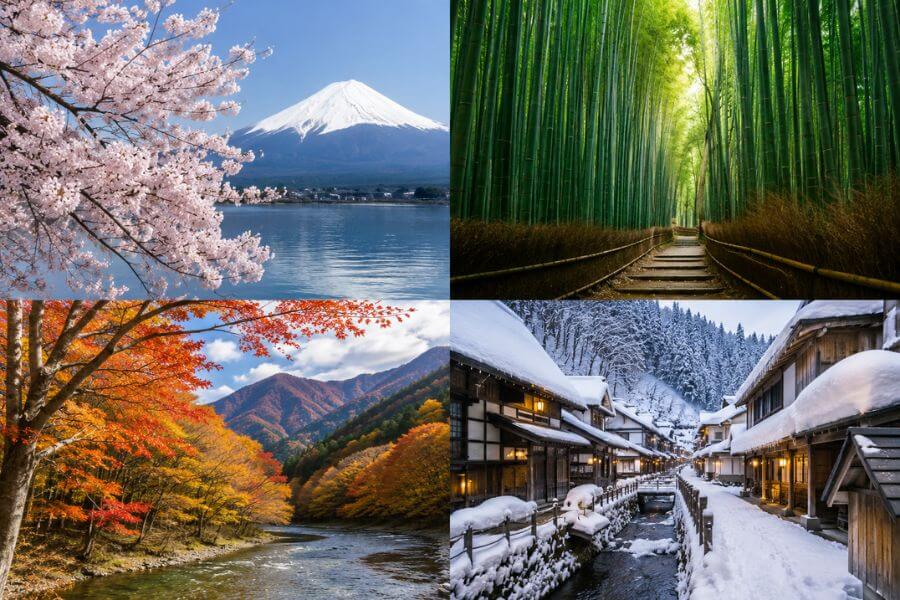
Planning a trip to Japan is an exciting adventure, but picking the right moment to go can feel like a puzzle. Japan is a land where the landscape changes its colors, temperature, and mood with the passing months. Whether you dream of soft pink cherry blossoms, cool mountain air, vibrant autumn leaves, or the quiet magic of snow, there is a perfect time waiting for you. This guide helps you navigate the calendar so you can find the season that matches your dream trip.
Key Takeaways
- Spring offers the famous cherry blossom season but brings large crowds and higher prices to popular areas.
- Summer is warm and humid, ideal for mountain hiking, beach trips, and lively local festivals.
- Autumn provides mild, comfortable weather and stunning fall foliage that lasts for several weeks.
- Winter is the quietest season for travel, offering lower costs and incredible opportunities for skiing or relaxing in hot springs.
- The best time to visit depends on your personal interests, whether you prefer outdoor adventure, cultural events, or peaceful sightseeing.
The Magic of Spring
Spring in Japan is legendary for a reason. From late March through early April, the country transforms into a soft, dreamlike state as cherry blossoms appear. It is a time of renewal and celebration. During this time, you will see families and friends gathered in parks for picnics, known as hanami.
Exploring the Cherry Blossom Season
If you want to see the blossoms, you must plan ahead. The bloom moves from south to north, starting in warm regions like Kyushu and moving up toward Hokkaido. This window is brief, usually lasting only a week or two in each city. Because this is the most popular time for travelers, flights and hotels fill up months in advance. If you choose this time, be prepared for busy train stations and crowded temples.
The Weather and What to Pack
Spring weather is mild, but it can be unpredictable. You might experience warm, sunny days followed by cool, breezy evenings. Layers are your best friend during this time. A light jacket, a few sweaters, and comfortable walking shoes will allow you to stay warm while you explore the gardens and historic streets.
The Energy of Summer
Summer in Japan is vibrant, bold, and full of life. Running from June through August, this season is characterized by warmth, humidity, and an incredible array of festivals. While the cities can get quite hot, this is the perfect time to head into the mountains or toward the coast to find relief in nature.
Festivals and Fireworks
If you love cultural events, you will thrive in the summer. Almost every town hosts a matsuri, or local festival. These events feature traditional music, dancing, and amazing street food. Watching a summer fireworks display is another highlight. These shows are massive, artistic, and often last for over an hour, drawing crowds who come to sit on blankets and enjoy the summer night air.
Coastal and Mountain Escapes
To escape the city heat, many people head to the Japanese Alps or the beaches of Okinawa. The mountains offer refreshing hikes and cool temperatures that are perfect for outdoor lovers. In contrast, the southern islands provide crystal-clear water and white sandy beaches, making them a top choice for a tropical getaway.
The Beauty of Autumn
For many travelers, autumn is the absolute best time to see the country. From October to early December, the air turns crisp and clear. The humidity of summer fades away, making it very comfortable to walk for hours and explore.
Chasing the Fall Colors
Just like the cherry blossoms in spring, the autumn leaves move across the country. They start in the mountains and northern regions before moving down into the cities. The sight of brilliant red maples contrasting against deep green pines and historic wooden temples is unforgettable. This season is also a time for harvest, meaning you get to enjoy some of the best seasonal food of the year, including mushrooms, chestnuts, and fresh fish.
Why Autumn Is Perfect for Sightseeing
Since the weather is cool, it is the ideal time to visit busy spots like Kyoto or Tokyo without feeling drained by heat or cold. You can walk through bamboo forests, climb up to castle ruins, and enjoy the outdoors all day long. Because the foliage season is longer than the cherry blossom season, it is often a bit easier to find space in your favorite hotels and avoid the absolute peak of tourism crowds.
The Quiet of Winter
Winter is a hidden gem for the right type of traveler. From December through February, Japan becomes a peaceful, snowy wonderland. While it is cold, the skies are often bright blue and very clear, providing stunning views of Mount Fuji and the snow-capped mountains.
Skiing and Hot Springs
If you enjoy winter sports, Japan has some of the best powder snow in the world, especially in Hokkaido and Nagano. After a day on the slopes, there is nothing better than relaxing in an onsen, a natural hot spring. The contrast of the freezing cold air on your face and the steaming, warm water of the bath is a uniquely relaxing experience that you will never forget.
Cultural Calm
Winter is generally the quietest time for tourism, which means you can visit famous landmarks with fewer people around. You might find yourself standing in a temple garden with only a few others, allowing you to soak in the silence and the atmosphere. Additionally, travel prices often dip during these months, making it a great time to visit if you are watching your budget.
Comparing the Seasons
To help you decide which time of year fits your travel goals, look at this simple breakdown.
| Season | Main Attraction | Vibe |
| Spring | Cherry blossoms | Festive and busy |
| Summer | Festivals and nature | Warm and energetic |
| Autumn | Colorful leaves | Comfortable and scenic |
| Winter | Snow and hot springs | Quiet and peaceful |
Frequently Asked Questions
Is it hard to travel during the holiday seasons?
Yes, travel in Japan is very busy during Golden Week, which is a string of holidays in early May, and around New Year. During these times, trains and hotels are booked solid by local families taking vacations. It is better to avoid these specific dates if you want a relaxed trip.
Do I need to worry about rain?
Japan does have a rainy season, typically starting in June and lasting for a few weeks. It is not constant rain, but you will experience more damp days than usual. If you visit during this time, keep an umbrella handy and plan to spend more time in museums or shopping centers.
Which season is best for a first-time visitor?
Many people suggest autumn for a first trip because the weather is so nice and the scenery is spectacular. However, spring is also wonderful if you have your heart set on seeing the cherry blossoms. Both seasons offer a great introduction to the country.
Are there any months to avoid?
There is no bad time to visit, but some months are more intense than others. August is very hot and humid, which can be difficult if you are not used to that climate. If you are sensitive to heat, you might prefer to visit in the spring or the fall.
How far in advance should I book my trip?
For popular seasons like spring or autumn, it is wise to book at least six months ahead of time. This ensures you get the best flights and can secure rooms in your preferred areas. If you are traveling in the off-season, you can be more flexible with your planning.