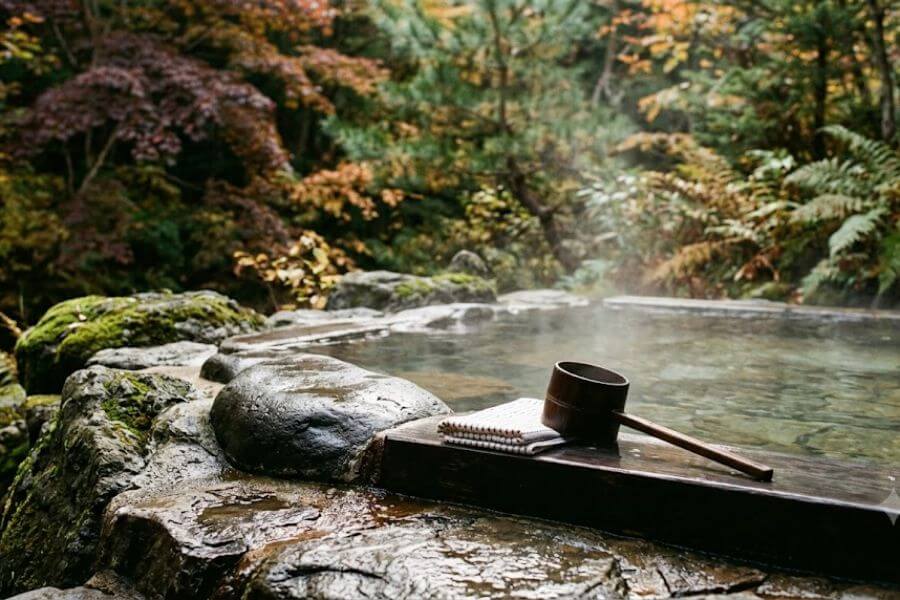
Visiting a traditional Japanese onsen, a natural hot spring, is one of the most relaxing experiences you can have. But for many first-time visitors, the thought of stepping into a public bath can feel a bit scary. You might worry about doing the wrong thing or breaking a rule you do not know about. Do not worry. This guide will walk you through every single step of the process so you can soak like a local with absolute confidence.
Why the Onsen Experience Is Worth It
Before you even step foot inside an onsen building, it helps to understand why people love them so much. Japan sits on top of a lot of volcanic activity. This means thousands of natural hot springs bubble up from the earth all over the country. The water in these springs is packed with minerals that are great for your skin and your health.
For centuries, Japanese people have used these baths to heal tired muscles, clear up skin conditions, and relax after a long week of hard work. It is not just about getting clean. In fact, you have to be completely clean before you even touch the hot bathwater. The onsen is a place for quiet reflection, deep relaxation, and connecting with nature. Once you overcome the initial nervousness, you will find it is one of the most peaceful places on earth.
Preparing Before You Go
A great onsen experience starts before you leave your hotel room. Knowing what to bring and what to expect will save you from any stressful moments at the front desk.
Choosing the Right Onsen
Not all hot springs are the same. Some are large public bathhouses in the middle of a city, while others are part of a traditional inn called a ryokan. If you are staying at a ryokan, the use of the onsen is usually included in your stay. If you are just visiting for the day, you will look for a place that allows day visitors.
You should also check the rules about tattoos before you go. Historically, tattoos have been associated with organized crime in Japan. Because of this, many traditional onsen still do not allow people with body art to enter. However, things are changing. Some places will let you cover small tattoos with skin-colored waterproof bandages. Others have private baths you can rent by the hour. It is always best to check the website or ask the front desk before you head out.
What to Pack in Your Bag
Most onsen provide the essentials, but bringing a few items of your own can make the trip smoother. Here is a quick breakdown of what you need to think about.
| Item | Provided by Onsen? | What You Should Do |
| Large Towel | Usually for rent or included at ryokan | Bring your own if you want to save money at public bathhouses. |
| Small Washcloth | Often provided or sold for a small fee | You absolutely need this. It is your best friend inside the bath. |
| Soap and Shampoo | Almost always provided for free | Use the bottles at the washing stations unless you have special skin needs. |
| Changing Clothes | Ryokan provide a yukata robe | Wear loose, comfortable clothing that is easy to slip back into. |
Arriving and Entering the Building
When you walk through the front doors of an onsen, the very first thing you need to look for is the shoe area. Taking off your shoes is a huge part of Japanese culture, and it keeps the indoor floors perfectly clean.
The Shoe Locker Routine
You will usually see rows of small lockers right by the entrance. Take off your outdoor shoes immediately upon stepping onto the raised wooden floor or designated mat. Place your shoes inside a locker, lock it, and keep the key with you. Sometimes the key is attached to a wooden block or a plastic wristband.
Paying and Getting Your Tokens
Take your shoe locker key to the front desk. If you are a guest at a ryokan, you can simply tell them your room number. If you are a day visitor, you will pay an entrance fee. At some public baths, you might use a vending machine to buy a ticket first, then hand that ticket to the staff.
The staff will give you your towels if they are included or if you rented them. They might also give you a wristband with a number on it. This wristband can sometimes be used to buy drinks or snacks inside the building, and you will pay for everything when you leave.
Navigating the Changing Room
Once you have your tickets or towels, look for the correct entrance to the baths. This is a crucial step because men and women bathe in completely separate areas.
Spotting the Right Curtain
The entrances are marked with hanging split curtains called noren. You need to look at the color and the kanji characters on the curtains to make sure you go the right way.
- The Men’s Side: Usually has a blue or green curtain. The character looks like 男 (otoko).
- The Women’s Side: Usually has a red or pink curtain. The character looks like 女 (onna).
Sometimes onsen switch the sides overnight so that guests can experience different views or bath layouts. Always double-check the curtains every time you visit.
Using the Baskets and Lockers
Inside the changing room, you will see rows of open shelves with plastic or wicker baskets, or rows of coin-operated lockers. Choose an empty spot. This is where you will strip down completely.
Yes, completely. No swimsuits, no underwear, and no jewelry are allowed in the bathwater. Swimsuits can carry soap residue or fibers that dirty the water, and jewelry can get ruined by the natural minerals. Everyone is in the same boat, and nobody is looking at you. People in the changing room are focused on their own routine, so you do not need to feel self-conscious.
Place all your clothing, your large towel, your wallet, and your phone into the locker or basket. Lock it up and slip the key around your wrist or ankle. The only thing you will take with you into the actual bath area is your small washcloth.
The Importance of the Modesty Towel
That small washcloth you brought with you has a special name. It is often called a modesty towel. Since you cannot wear any clothes, this little towel is used to cover yourself up while you are walking around the changing room and the shower area.
When you are walking from your locker to the glass door of the bath area, hold the towel in front of you. It helps you feel more comfortable and shows respect to the people around you. Once you get used to it, you will see that it is a very natural system.
Master the Washing Station Before You Soak
When you push open the door to the bath area, you will be greeted by a lot of steam and the sound of running water. Do not jump straight into the big hot pool. This is the most common mistake foreigners make, and it is the one thing that will upset locals. You must wash your entire body thoroughly before your skin touches the bathwater.
Finding a Stalled Station
Look along the walls of the room. You will see rows of low washing stations. Each station has a mirror, a faucet, a handheld showerhead, a plastic stool, and a washbasin. Find an open station and sit down on the stool.
In Japan, it is considered impolite to wash while standing up because you might splash soapy water onto the people sitting next to you or into the clean bath pools. Keep everything at waist level.
The Scrubbing Process
Use the plastic basin to scoop up some warm water from the tap or use the showerhead to get yourself wet. Apply soap and shampoo, and scrub every inch of your body. You can use your small washcloth to help scrub your skin.
Make sure you rinse off every single bubble of soap before you stand up. Check the stool and the floor around you to ensure no soap suds are left behind. Rinse off the plastic stool for the next person, and place your basin upside-down on the counter or stool. Now, you are perfectly clean and ready for the hot spring.
Stepping Into the Hot Spring Water
Now comes the best part. Your body is clean, and you can finally enjoy the soothing mineral water. But even here, there are a few guidelines to keep the peace.
Testing the Temperature
Onsen water can be very hot, often ranging from 100 to 110 degrees Fahrenheit. Do not plunge in all at once. Walk slowly to the edge of the pool. Dip your feet in first to see how it feels.
If it feels good, slowly lower yourself into the water step-by-step. Let your body adjust to the heat. Lowering yourself slowly prevents your heart rate from jumping too fast, which can make you feel dizzy.
Where to Put Your Small Towel
Remember that small washcloth you used for modesty? It must never touch the bathwater. This is another strict rule designed to keep the spring water pure. You have a few options for what to do with it while you soak.
- Fold it on your head: This is the classic Japanese style. Fold the wet towel into a small rectangle and balance it on top of your head. It actually helps keep your head cool while your body is hot.
- Set it on a rock: If you are near the edge of the pool, you can set the towel down on a dry rock or the wooden ledge next to you.
- Keep it out of the water: You can hold it in your hand, just make sure it stays high above the surface.
If your towel accidentally drops into the water, do not panic. Just wring it out completely outside the pool, away from the water line, and keep enjoying your soak.
Different Types of Onsen Pools
Many facilities have more than one pool. Exploring the different areas is half the fun of the trip.
Indoor Pools
These are the main pools located in the same room as the washing stations. They are often large and made of smooth stone or cypress wood. The cypress wood gives off a beautiful, calming scent when it gets wet. Some indoor pools might have jet streams that massage your back, while others might have electronic pulses that tingle your muscles.
Rotenburo (Outdoor Pools)
If the facility has an outdoor bath, you should definitely try it. Bathing outdoors while feeling a cool breeze on your face is an incredible sensation. Outdoor pools are often surrounded by beautiful gardens, rocks, or views of mountains and forests. In the winter, soaking in a hot outdoor bath while snow falls around you is a magical experience.
Cold Plunge Pools
Some onsen have a very small pool filled with cold water. This is meant to be used after you have been in the hot water for a while. Going from hot to cold water boosts your blood circulation and wakes up your senses. It can feel like a shock at first, so dip your toes in before committing to a full dunk.
Social Etiquette While Soaking
An onsen is a shared public space, much like a library or a quiet park. Keeping your behavior calm and respectful ensures that everyone can enjoy their time.
Keep the Volume Down
It is perfectly fine to talk quietly with your friends or family members if they are in the same bath area. However, you should avoid loud shouting, laughing, or calling out across the room. Many people come to the hot spring to meditate or de-stress, so a peaceful atmosphere is highly valued.
No Swimming or Splashing
The pools are for soaking, not swimming. Do not do laps, do not splash water, and do not hold your breath to dive underwater. Keep your head above the surface at all times. Long hair should always be tied up with a hair band or wrapped in a towel so it does not trail in the water.
Cooling Down and Exiting the Bath
You should not stay in the hot water for too long at one time. A good rule of thumb is to soak for about ten to fifteen minutes, then sit on the edge of the pool with your legs in the water to cool down.
Knowing Your Limits
If you start to feel dizzy, overheated, or if your heart starts beating fast, it is time to get out. Listen to your body. You can always step out, rest for a few minutes, drink some water, and go back in later if you feel up to it.
To Rinse or Not to Rinse
When you are completely finished soaking, you might wonder if you should shower again. Generally, it is recommended to leave the mineral water on your skin so your body can continue to absorb the health benefits.
However, if you have very sensitive skin, or if the onsen water has a very strong sulfur smell or high acid content, you may want to do a quick rinse with fresh water at the washing station before heading back to the changing room.
Returning to the Changing Area
Before you step through the glass door back onto the mats of the changing room, use your small washcloth to wipe as much water off your body as possible.
The changing room floor is usually covered in woven tatami mats or soft carpets. If you walk in soaking wet, you will create puddles that make it unpleasant for the next person. Wring out your small towel into the drainage area of the bath zone, then do a quick full-body wipe. Once you are mostly dry, you can step back to your locker.
Getting Dressed and Post-Bath Care
Now you can open your locker and grab your large towel to finish drying off. Put your clothes back on. If you are staying at a ryokan, this is when you slide back into your comfortable yukata robe.
Utilizing the Vanity Tables
Most changing rooms have a vanity area equipped with mirrors, hair dryers, and skin lotions. Feel free to sit down and dry your hair or apply skin cream. It is polite to wipe down the counter with a tissue if you drop hair or splash water while getting ready.
Rehydrating Your Body
Sweating in a hot spring removes a lot of water from your body. You need to drink fluids right away. Most onsen have water fountains or vending machines in the relaxation lobby.
A very popular Japanese tradition is to drink a bottle of cold milk, coffee milk, or fruit milk right after a bath. You will see many locals standing by the vending machines, drinking milk with one hand on their hip. It is a classic post-onsen routine that tastes amazing after a hot soak.
Onsen Guidelines Summary
To keep all these steps organized in your mind, let us look at a simple timeline of how your visit will flow from start to finish.
[Arrival] -> Remove shoes and use the shoe locker.
    |
[Front Desk] -> Pay fee and receive your towels.
    |
[Changing Room] -> Choose a locker, undress completely, take only the small towel.
    |
[Washing Station] -> Sit on a stool and wash thoroughly before entering the water.
    |
[The Soak] -> Enter pools slowly, keep small towel out of water, relax quietly.
    |
[Drying Off] -> Wipe down with the small towel before stepping into the changing room.
    |
[Lobby] -> Get dressed, dry your hair, and enjoy a cold drink.
Frequently Asked Questions
Can I wear a swimsuit if I am very shy?
No, swimsuits are strictly forbidden in traditional Japanese onsen. This rule is about hygiene, as clothing can introduce soap, dirt, or laundry chemical residues into the natural mineral water. It may feel intimidating at first, but remember that everyone else is also naked. The culture around onsen is very respectful, and people make an effort not to stare at others. If you want privacy, look for an onsen that offers private family baths called kazokuburo, which you can rent for a separate fee.
What should I do if I have a tattoo?
If you have tattoos, you should do some research before you visit an onsen. Many traditional spots still ban body art completely. However, many modern facilities or places in tourist areas are becoming more open-minded. If your tattoo is small, you can buy waterproof skin-colored patches to cover it up completely. If you have large tattoos, your best option is to look for a tattoo-friendly onsen or rent a private bath where you can soak by yourself or with your family.
Is it okay to use the onsen if I am on my period?
It is generally considered improper to use public baths while you are on your period for hygiene reasons. Even if you use internal sanitary products, the shared nature of the pools means it is best to avoid the public baths out of respect for the other guests. If you still want to enjoy the hot springs during this time, renting a private bath room is the best alternative.
Can parents bring young children into the opposite gender bath side?
Yes, young children are often allowed to enter the bath side of the opposite parent up to a certain age. The exact age limit depends on the local government regulations and the specific policy of the onsen facility. In many places, children under the age of seven can go into either side with a parent. However, some facilities have lower age limits, so it is a good idea to check the signs at the entrance or ask the staff at the front desk.
How long should I stay inside the hot water pool?
You should limit your individual soaking sessions to around ten or fifteen minutes at a time. Onsen water is much hotter than a typical bath at home, and staying in too long can cause dehydration, overheating, or low blood pressure. If you want to spend an hour at the onsen, break up your time by soaking for ten minutes, sitting on the edge of the pool to cool down for five minutes, trying a different pool, and taking frequent breaks to drink water.
What happens if I accidentally drop my small towel into the pool?
If your modesty towel slips into the water, do not panic. Simply fish it out immediately. Step out of the pool and go over to the washing station or the drainage ditch near the edge of the bath area. Wring the towel out completely to remove the pool water, fold it up, and place it back on your head or on a nearby rock. Avoid wringing the towel out directly over the bath pool, as this keeps the shared water clean.
Are onsen and sento the same thing?
They are similar, but they have one major difference. An onsen uses natural geothermal water that bubbles up from the earth and contains specific minerals. A sento is a neighborhood public bathhouse that uses regular tap water that is heated up by the facility. The etiquette and rules for washing and bathing are exactly the same for both, so you can use this guide for either experience. Sento are great for a quick daily wash, while onsen are usually visited for relaxation and health trips.
Can I bring my phone or camera into the bath area to take photos?
Absolutely not. Devices with cameras, including smartphones, smartwatches, and tablets, are strictly forbidden inside both the changing rooms and the bath areas to protect the privacy of all guests. You must leave your phone turned off inside your locker or basket. If you want to take pictures of the beautiful scenery or the building, you can only do so in the public lobby, restaurant, or outdoor garden areas where people are fully clothed.
Do I need to bring my own soap and shampoo?
Most onsen facilities provide body soap, shampoo, and conditioner at the washing stations for free. These are usually located in large pump bottles between the stalls. However, if you have very sensitive skin, specific allergies, or prefer your own brands, you are welcome to bring your own travel-sized bottles into the bath area. Just make sure you keep your bottles neatly at your washing station and take them back with you when you leave.
Why do people drink milk after bathing in an onsen?
Drinking cold milk after a hot bath became a massive trend in Japan during the mid-twentieth century. Around the time public baths became popular, refrigerators were rare in Japanese homes. Milk companies began installing refrigerators and vending machines inside onsen and sento lobbies to sell fresh, ice-cold milk to bathers. The tradition stuck because the cold, creamy drink feels incredibly refreshing after your body has been heated up by the mineral pools.