Key Takeaways
Planning a trip to Japan does not have to break your bank account. If you manage your money wisely, you can experience the ultimate blend of futuristic cities and ancient traditions without stressing over your wallet.
- The Baseline Cost: A typical mid-range, two-week vacation to Japan generally runs between $2,500 and $4,000 per person, including your flights.
- Biggest Expenses: Your plane tickets and your nightly lodging will swallow up the largest chunk of your budget. Tracking these early saves the most money.
- Daily Spending: Expect to spend around $50 to $100 per day on food, local trains, and temple entry fees.
- Hidden Savings: You can eat incredible meals at convenience stores for just a few dollars, and many of the best views in Tokyo or Kyoto are completely free.
Dreaming of walking under bright neon signs in Tokyo, eating steaming bowls of ramen in Osaka, and wandering through quiet bamboo forests in Kyoto? Japan is an absolute dream destination. Many people think a vacation to this island nation is way too expensive, but that is simply not true. With the right roadmap for your money, you can make this dream come true. Let us break down every single cost for a perfect fourteen-day adventure so you know exactly how many dollars to save before you pack your bags.
The Pre-Trip Expenses
Before you even step foot on an airplane, you will need to take care of a few big costs. These are your upfront expenses. Handling these early means you will not have any scary surprises when you look at your credit card bill later.
Round-Trip Flights
Your flight will likely be the single biggest purchase of your entire trip. If you fly from the United States, ticket prices can swing wildly depending on the time of year you choose to travel.
If you travel during the low season, which runs from January through March, you can find amazing round-trip deals. Tickets during these colder months can drop to around $700 or $900. The weather is chilly, but the crowds are small and the skies are often crystal clear.
The shoulder season includes the lovely autumn months of September through November. During this time, the autumn leaves turn brilliant shades of red and gold. Flights during the fall usually hover between $1,000 and $1,300.
The peak season is the most expensive time to visit. This happens during the spring cherry blossom weeks in late March and April, as well as the busy summer months of July and August. Plane tickets during peak times can easily skyrocket to $1,500 or even $2,500.
To get the best price, start looking at flights about five to seven months in advance. Use online search engines to track prices and set up alerts so you get a notification when the price drops.
Passports and Travel Visas
You cannot leave the country without your official blue book. If you do not have a passport yet, or if your current passport expires within six months of your trip, you need to apply for a new one. A standard adult passport in the United States costs $130, plus a $35 execution fee. If you need it quickly, you will have to pay an extra $60 for expedited service.
The good news for American citizens is that you do not need to buy a tourist visa for a short vacation. Japan allows tourists from the United States to stay for up to ninety days visa-free. That saves you a nice chunk of money right at the start.
Travel Insurance Plans
Skipping travel insurance is a big mistake that can cost you thousands of dollars if something goes wrong. A good policy protects you if your flights are canceled, if your bags get lost, or if you get sick and need to see a doctor while you are abroad.
For a two-week stay, a basic travel insurance plan usually costs between $60 and $120. The final price depends on your age and how much coverage you want. Look for a plan that covers medical emergencies and trip interruption. It gives you incredible peace of mind so you can enjoy your vacation without worrying about emergencies.
Choosing Your Lodging Style
Where you sleep each night will be your second biggest expense. Japan has some of the coolest and most unique lodging options in the world. You can mix and match these styles to keep your budget perfectly balanced.
Budget Options
If you want to save every dollar possible for food and fun activities, you have excellent low-cost choices. Japan is famous for its capsule hotels. These are futuristic spots where you sleep in a private, pod-like capsule built into a wall. They are clean, quiet, and surprisingly cozy. A single night in a capsule hotel usually costs between $25 and $45. Keep in mind that most capsule hotels separate guests by gender, and you will share a large bathroom with other travelers.
Hostels are another fantastic choice, especially if you are traveling alone and want to meet new friends. Japanese hostels are famous for being incredibly clean and safe. You can book a single bed in a shared dorm room for $30 to $50 per night. Many hostels also offer private rooms for around $70 if you want more space but still want that friendly hostel vibe.
Mid-Range Business Hotels
Do not let the name fool you. Business hotels are not just for people traveling for work. They are the best-kept secret for regular tourists who want a private room without spending a fortune. Chains like APA Hotels, Toyoko Inn, and Dormy Inn are scattered all over every major city.
These rooms are on the smaller side, but they utilize every single inch of space perfectly. They come with a private bathroom, fresh pajamas, toothbrushes, a refrigerator, and lightning-fast internet. A standard double room at a business hotel typically costs between $70 and $130 per night. If you stay in a Dormy Inn, you often get free access to a hot spring bath on the top floor and a free bowl of ramen at night.
Traditional Ryokans
A ryokan is a traditional Japanese inn, and staying in one is a full cultural experience. Instead of regular beds, you sleep on thick, comfortable futon mattresses rolled out on woven tatami mats. The rooms are beautiful and minimalist, often looking out onto a peaceful green garden.
When you stay at a ryokan, you are pampered from start to finish. You get to wear a comfortable cotton robe called a yukata. Most ryokans have beautiful indoor and outdoor hot spring baths, known as onsen, for guests to soak in.
The price also includes an incredible multi-course dinner called kaiseki, as well as a traditional breakfast the next morning. Because of the luxury experience and the massive meals, a night at a ryokan is a splurge. Expect to pay between $250 and $600 per night for two people. It is worth doing for just one or two nights of your trip to experience ancient Japanese hospitality.
High-End Luxury Hotels
If you want absolute luxury, cities like Tokyo and Kyoto have some of the most stunning five-star hotels on the planet. Think of towering skyscrapers with views of Mount Fuji, massive indoor pools, and world-class service. Brands like the Ritz-Carlton, the Mandarin Oriental, and the Aman Hotel offer breathtaking rooms, but they come with a hefty price tag. A luxury stay will run anywhere from $400 to well over $1,000 per night.
| Lodging Type | Average Cost Per Night | Best For |
| Capsule Hotel | $25 to $45 | Solo travelers saving money |
| Shared Hostel | $30 to $50 | Meeting people on a budget |
| Business Hotel | $70 to $130 | Couples wanting privacy and value |
| Traditional Ryokan | $250 to $600 | A special cultural splurge |
| Luxury Hotel | $400 to $1,000+ | Maximum comfort and premium views |
Getting Around Japan
Japan has one of the best public transportation systems in the world. Its trains run exactly on time to the second, and they can whisk you across the country at unbelievable speeds. Navigating the transit system is simple once you know how the pricing works.
The Bullet Trains
The famous bullet trains, called Shinkansen, are the ultimate way to travel between major cities like Tokyo, Kyoto, and Osaka. These trains travel at speeds of up to 200 miles per hour, and the ride is as smooth as silk.
The Shinkansen is convenient, but it is not cheap. A one-way ticket from Tokyo to Kyoto costs around $95 to $110. If you plan to make a round-trip journey between these cities, you will spend around $200 just on those major train rides. You can buy your tickets at the station using cash or a credit card, or you can book them online ahead of time to secure a window seat with a view of Mount Fuji.
Local Subways and City Buses
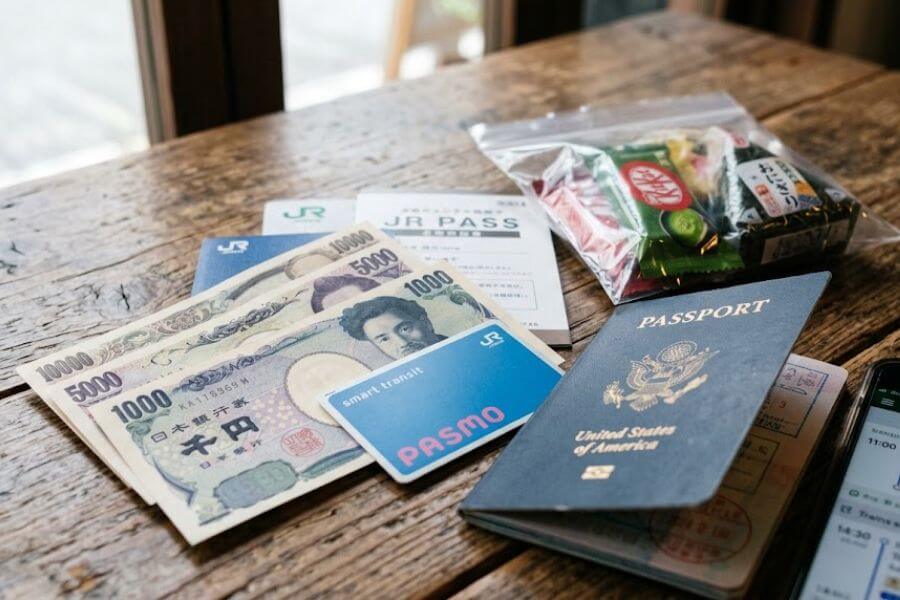
Once you are inside a city like Tokyo or Osaka, you will rely on local subways and trains to get around. These systems are massive, clean, and highly efficient. Instead of buying a paper ticket every single time you ride, you should buy a rechargeable smart card. In Tokyo, these cards are called Suica or Pasmo. In Osaka and Kyoto, they are called Icoca.
You can load money onto these digital cards using cash at any station machine. When you walk through the ticket gates, you simply tap your card or your smartphone on the reader, and the correct fare is automatically deducted. A typical local subway ride costs between $1.50 and $3.00 depending on how far you travel. If you take four or five subway rides a day to explore different neighborhoods, budget about $10 to $15 per day for local transit.
Regional Train Passes
Depending on your specific travel route, you might want to look into regional train passes. In the past, almost every tourist bought a country-wide Japan Rail Pass. However, a major price hike made that pass much less valuable for simple trips.
Instead, look at smaller regional passes if you plan to explore a specific area deeply. For example, the JR Kansai Area Pass is perfect if you want to travel constantly between Osaka, Kyoto, Nara, and Kobe over a few days. These regional passes can save you twenty to forty percent compared to buying individual tickets, so map out your destinations first to see if a pass makes sense for your route.
Taxis and Rideshares
Taxis in Japan are pristine, safe, and the drivers wear crisp white gloves. The rear doors even open and close automatically, so you never have to pull the handle. However, taxis are very expensive.
The meter starts around $3.50 to $5.00 and ticks up quickly. A twenty-minute ride across Tokyo can easily cost $30 or $40. At night, after the subways close at midnight, taxis add a late-night surcharge that makes them even pricier. Use taxis only as a last resort if you miss the final train or if you have heavy luggage to carry.
The Ultimate Food Budget
Food is one of the absolute highlights of any trip to Japan. The country takes its culinary arts seriously, from the humblest street food stall to the most expensive sushi counter. You can eat like a king regardless of how much money you have in your pocket.
Convenience Store Meals
In the United States, gas station food is usually a last resort. In Japan, convenience stores, known as konbini, are a culinary paradise. The big three chains are 7-Eleven, Lawson, and FamilyMart, and you will see them on almost every single street corner.
These stores are stocked with fresh, delicious food delivered multiple times a day. You can buy an onigiri, which is a rice ball wrapped in crispy seaweed and stuffed with salmon or tuna, for about $1.25. They also sell hot boxes of fried chicken, fresh egg salad sandwiches, and bowls of bento boxes with meat, rice, and veggies for $3.50 to $6.00. You can easily grab a full, satisfying breakfast or lunch here for less than $5.00.
Casual Diners and Noodle Shops
If you want a hot, sit-down meal that is fast and affordable, look for casual chain diners. Spots like Yoshinoya, Matsuya, and Sukiya specialize in gyudon, which is a comforting bowl of steamed rice topped with thinly sliced beef and sweet onions. A large beef bowl costs only $4.00 to $6.00.
For noodle lovers, Japan is packed with ramen, udon, and soba shops. At many casual noodle shops, you buy a ticket from a vending machine at the door, hand it to the chef, and sit at a counter. A steaming, rich bowl of ramen generally costs between $6.50 and $10.00. It is a filling, delicious option that keeps your daily expenses low.
Mid-Range Dining Experiences
For a nice dinner out, budget around $20 to $45 per person. This opens up amazing dining experiences like conveyor-belt sushi shops, known as kaitenzushi. At these fun restaurants, plates of fresh sushi glide past your table on a small track. You grab what you want, and at the end, the server counts your colored plates. You can eat your fill of excellent sushi for around $15 to $25.
This price range also lets you enjoy an izakaya, which is a Japanese pub. People gather here to share small plates of grilled chicken skewers, fried tofu, dumplings, and cold drinks. It is a noisy, joyful, and deeply authentic way to spend an evening.
Fine Dining and Michelin Stars
Tokyo has more Michelin stars than any other city on earth. If you want to experience world-class fine dining, you need to budget for it well in advance.
An upscale sushi experience where the chef chooses every single piece for you is called an omakase meal. A dinner like this at a top-tier restaurant will cost anywhere from $150 to $400 per person. High-end restaurants that cook premium Wagyu beef right in front of you on a hot iron griddle, known as teppanyaki, carry similar luxury price tags. If you love fine food, budget for one special dinner to see how perfect Japanese culinary technique can be.
| Daily Meal Plan | Estimated Cost | What You Eat |
| Super Budget | $15 to $20 per day | Convenience store breakfasts, beef bowls, fast ramen |
| Mid-Range | $40 to $70 per day | Bakery breakfast, conveyor-belt sushi lunch, izakaya dinner |
| Luxury/Foodie | $150+ per day | Nice cafe breakfast, premium tonkatsu lunch, high-end omakase dinner |
Sightseeing and Activities
A two-week trip gives you plenty of time to experience a massive variety of attractions. Some of the best things to do in Japan do not cost a single cent, while others require advanced ticket purchases.
Temples and Shrines
Visiting ancient temples and shrines is an essential part of any Japanese vacation, especially in historic cities like Kyoto and Nara. The good news is that many shrines are completely free to enter. For example, the famous Fushimi Inari Shrine in Kyoto, with its thousands of bright red torii gates winding up a mountain, does not cost anything at all.
Temples that do charge an admission fee are very affordable. You will usually pay between $3.00 and $6.00 to enter world-famous spots like the Golden Pavilion or the Kiyomizu-dera Temple. Budget about $30 total for temple entry fees for your two-week trip, and you will see an incredible amount of history.
Modern Museums and Viewpoints
If you want to see Japan’s ultra-modern side, you will want to visit its famous observation decks and interactive art museums.
To get a panoramic view of Tokyo’s massive skyline, you can visit Tokyo Skytree or Shibuya Sky. Tickets for these observation decks cost around $15 to $25. If you want a completely free view, you can go to the top of the Tokyo Metropolitan Government Building in Shinjuku, which costs zero dollars.
Interactive digital art museums, like teamLab Planets in Tokyo, are wildly popular. These museums let you walk through water, touch giant glowing balls, and immerse yourself in rooms filled with digital flowers. Tickets cost around $25 to $30, and you must book them weeks in advance because they sell out constantly.
Pop Culture and Theme Parks
If you are a fan of video games, anime, or amusement parks, Japan has incredible attractions that you will definitely want to include in your budget.
Universal Studios Japan in Osaka is home to the spectacular Super Nintendo World, where you can step inside a real-life Mario game. Tokyo DisneySea is widely considered the best and most unique Disney park in the world. A one-day ticket to either of these major theme parks costs between $60 and $85 depending on the day of the week. That is actually significantly cheaper than a ticket to Disney or Universal in the United States.
If you love arcade games and anime shopping, you will spend a lot of time in Tokyo’s Akihabara neighborhood. Crane games cost about $1.00 per play, and those small capsule toy machines, called gachapon, cost anywhere from $2.00 to $5.00 per twist. Budget an extra $50 to $100 if you want to play games and collect unique toys.
Shopping and Souvenirs
You will definitely want to bring home some unique treasures to remember your trip by, or gifts for your family and friends back home. Japan is a shopper’s paradise with everything from high-tech gadgets to traditional crafts.
Everyday Snacks and Treats
One of the most popular things to buy in Japan is unique food items. You can find dozens of wild Kit Kat flavors, like green tea matcha, sake, and sweet potato, at local grocery stores and souvenir shops. A large bag usually costs around $3.00 to $5.00.
Traditional Japanese sweets, called wagashi, or beautiful tins of butter cookies from Tokyo Station make excellent gifts. Budget about $50 for fun snacks and food souvenirs to pack into your suitcase.
Fashion and Skincare
Japanese fashion and skincare products are famous worldwide for their incredible quality. Mega-stores like Don Quijote sell mountains of Japanese sunscreens, face masks, and beauty products at incredibly low prices compared to what you would pay online in the United States.
For clothing, visiting the flagship Uniqlo stores in Tokyo is an amazing experience. They offer high-quality basics and unique graphic t-shirts that are often twenty to thirty percent cheaper than they are back home. If you love fashion and beauty shopping, budget around $100 to $200 for a fun shopping spree.
Tax-Free Shopping Perks
As a foreign tourist, you can save a ton of money by taking advantage of Japan’s tax-free shopping program. When you buy goods at participating stores, you can get the ten percent consumption tax waived completely.
To qualify, you must bring your physical passport with you when you shop. Your total purchase at a single store must be more than 5,000 yen, which is roughly $35. The cashier will scan your passport at the register and subtract the tax right on the spot. It is an easy way to save serious money on souvenirs, clothes, and electronics.
Tech and Communication Costs
Staying connected while you are exploring a foreign country is critical. You will need your smartphone to look up train schedules, translate signs using your camera, and navigate through confusing city streets.
Pocket Wi-Fi Rentals
A pocket Wi-Fi router is a small, portable device that broadcasts a private internet signal wherever you go. You can rent one at the airport when you arrive and drop it off in a mailbox before you fly home.
The best part about a pocket Wi-Fi device is that multiple people can connect to it at the exact same time. If you are traveling with family or a group of friends, you can split the cost. A two-week rental with unlimited data typically costs between $60 and $90.
International eSIM Cards
If you are traveling alone and have a modern, unlocked smartphone, a digital eSIM is often the most convenient and affordable choice. You can buy an eSIM online before your trip and activate it the moment your plane lands in Japan.
An eSIM gives you cellular data directly on your phone without having to swap out your physical plastic SIM card. A two-week data plan with 10 to 20 gigabytes of data usually costs between $20 and $40. It is a very cheap option for solo adventurers, though it only works for one device at a time.
Cash, Cards, and Foreign Exchange
How you pay for things in Japan is unique, and understanding the money system will save you from getting stuck in a tough spot.
The Power of Cold Hard Cash
While the United States has become almost completely cashless, Japan still loves paper money and coins. Many small ramen shops, temple ticket booths, and local buses do not accept credit cards at all. You must carry physical Japanese yen with you at all times.
Do not exchange your dollars at your home bank or at the airport counter, because they give you terrible exchange rates. Instead, wait until you arrive in Japan. You can walk into any 7-Eleven convenience store and use their 7-Bank ATM. These machines accept American debit cards, have English menus, and offer excellent exchange rates with very low fees. Pull out around $200 worth of yen at a time to keep in your wallet.
Using Credit Cards Smartly
Major hotels, department stores, and nice restaurants will happily accept foreign credit cards like Visa and Mastercard. Before you leave home, call your bank or check your app to make sure your card has zero foreign transaction fees. If your card charges a fee, you will add an extra three percent to every single purchase you make abroad.
Sample Two-Week Budget Summaries
To give you a crystal clear picture of how all these numbers come together, let us look at three distinct budget styles for a fourteen-day trip to Japan. This helps you choose the financial path that feels right for you.
The Budget Backpacker
This style is all about saving money while still having an incredible adventure. You stay in hostels or capsule hotels, eat mostly at convenience stores and casual beef bowl diners, and focus on free or low-cost activities.
- Flights: $850 (booked during low season)
- Lodging: $560 ($40 per night in a nice hostel)
- Transit: $250 (local trains and one regional pass)
- Food: $280 ($20 per day on delicious casual food)
- Activities: $100 (mostly free shrines and cheap museums)
- Tech and Insurance: $100 (eSIM and basic insurance)
- Total Estimated Cost: $2,140
The Mid-Range Explorer
This is how most people prefer to travel. You get your own private room every night, eat a mix of casual meals and great sit-down dinners, take the fast bullet train, and visit a few major theme parks or premium museums.
- Flights: $1,200 (shoulder season travel)
- Lodging: $1,400 ($100 per night for a central business hotel)
- Transit: $400 (bullet trains plus local subway rides)
- Food: $700 ($50 per day for fantastic dining variety)
- Activities: $250 (museums, teamLab, and a theme park ticket)
- Tech and Insurance: $150 (pocket Wi-Fi and good insurance)
- Souvenirs: $150 (snacks, clothes, and tax-free gifts)
- Total Estimated Cost: $4,250
The Luxury Splurger
If you want ultimate comfort, five-star accommodations, world-class fine dining, and private experiences, this is your budget tier.
- Flights: $2,000+ (peak season or premium economy seats)
- Lodging: $7,000 ($500 per night for top luxury hotels and ryokans)
- Transit: $800 (green car bullet trains and frequent taxi rides)
- Food: $2,100 ($150+ per day including Michelin-starred meals)
- Activities: $600 (private tour guides and premium VIP access)
- Tech, Insurance, and Shopping: $1,000 (high-end fashion and souvenirs)
- Total Estimated Cost: $13,500+
Frequently Asked Questions
Is Japan expensive to visit compared to Europe or the United States?
Actually, Japan is currently a fantastic value for travelers from Western countries. Because the Japanese yen has been weak against the United States dollar recently, your money goes a lot further in Tokyo than it would in cities like London, Paris, or New York. Food, public transportation, and casual lodging are significantly cheaper in Japan than in most major American or European cities. You can easily get a world-class meal or a pristine hotel room for a fraction of what it would cost back home.
How much cash should I bring with me to Japan from home?
You do not need to exchange money at your home bank before you leave. The exchange rates at home are usually very poor. Instead, carry your regular debit card and a backup credit card. Once you land at the airport in Japan, or when you walk into any neighborhood convenience store, use the ATM to pull out Japanese yen. It is much safer, more convenient, and gives you a far better rate. Just make sure to tell your bank you are traveling so they do not freeze your card for suspicious activity.
Can I save money by cooking my own meals while traveling in Japan?
Unlike traveling in Europe or America, cooking your own food in Japan does not save you much money. Grocery stores can be expensive, and hostel kitchens are often tiny. More importantly, casual dining out in Japan is incredibly inexpensive. You can get a hot, fresh bowl of noodles or a beef and rice bowl at a local diner for less money than it costs to buy raw ingredients at a supermarket. Save yourself the dishes and enjoy the amazing restaurant scene.
Should I buy a Japan Rail Pass for my two-week vacation?
In the vast majority of cases, the full country-wide Japan Rail Pass is no longer worth the money. A major price increase in recent years means you would have to spend almost your entire vacation sitting on trains to make the pass pay for itself. For a standard two-week trip that covers Tokyo, Kyoto, and Osaka, it is much cheaper to simply buy individual one-way bullet train tickets as you go. You can use your phone to purchase them easily, or buy them directly at the station ticket machines.
Are tipping and service charges a big expense in Japan?
Tipping is completely nonexistent in Japan. In fact, if you leave extra money on a table at a restaurant, the server will likely run down the street after you to return the cash you forgot. Excellent service is considered the standard, and it is already included in the price of your meal or hotel room. This saves you an extra fifteen to twenty percent on your entire food budget compared to dining out in the United States.
How much extra money should I budget for emergencies?
It is always a smart idea to have an emergency fund of about $300 to $500 accessible on a credit card or in your bank account. This money is for unexpected things, like missing a train and needing to book a last-minute hotel room, replacing an item you lost, or paying for medicine if you get a cold. Having a small financial cushion ensures that a minor mistake or accident does not ruin your beautiful vacation.