Key Takeaways for Your Visit
- Kanazawa offers a perfect blend of Edo-period history and modern art, allowing you to experience the best of old and new Japan.
- Kenrokuen Garden is widely considered one of the three most beautiful landscape gardens in the country and is a must-see in any season.
- The city is famous for its gold leaf production, so expect to see it on everything from traditional crafts to soft-serve ice cream.
- Higashi Chaya District provides an authentic look at geisha culture with its preserved wooden tea houses and narrow stone streets.
- Seafood is the star of the local food scene, with Omicho Market serving as the best place to taste the fresh catch of the day.
- You can get around the city efficiently using the loop bus system, which connects all major tourist spots.
- Plan to visit during the shoulder seasons of spring for cherry blossoms or autumn for the changing maple leaves to see the city at its peak.
Why Kanazawa Should Be Your Next Destination
When you think of a trip to Japan, your mind might immediately jump to the bright lights of Tokyo or the endless temples of Kyoto. While those places are wonderful, there is a quieter, more magical spot located on the coast of the Sea of Japan. This city is Kanazawa. It feels like a place where time decided to slow down just for you. You will find that the city has managed to keep its historic soul while welcoming the future with open arms. It is a place where you can walk through a samurai district in the morning and stand inside a cutting-edge art museum by the afternoon. The air here feels crisp, the pace is calm, and every corner turned reveals something new and beautiful.
Kanazawa is often called Little Kyoto, but that name does not do it full justice. It has its own personality, defined by its maritime history, its connection to the powerful Maeda clan, and a deep appreciation for the finer things in life, like tea, ceramics, and gold. Because it was not destroyed during the wars of the past, the historic architecture you see today is authentic. You are not looking at replicas or modern rebuilds. You are walking on the same paths that samurai and merchants walked hundreds of years ago. It is a place for you to slow your breath, look closely at the details, and appreciate the craftsmanship that makes this city a true treasure.
Understanding the History and Spirit of the City
To truly appreciate your time in Kanazawa, it helps to understand a little bit about why it looks the way it does. The city flourished under the rule of the Maeda clan during the Edo period. These rulers were incredibly wealthy and, perhaps more importantly, they were great patrons of the arts. They did not just want power; they wanted culture. They brought in artisans from all over the country to make Kanazawa a hub of beauty. This is why you will find such refined crafts here today. From the intricate gold leaf work to the delicate Kaga-yuzen silk dyeing, the spirit of the artisan is alive and well.
When you walk through the streets, you will notice the layout is different from other Japanese cities. The roads are often winding and narrow, designed on purpose to confuse invaders. If you were a samurai attacking the city hundreds of years ago, you would get lost. Today, this design makes for a delightful experience for you. You will find hidden shrines tucked away in alleys and small gardens hidden behind wooden walls. This intentional design gives you the feeling of constant discovery. It feels as if the city is rewarding you for taking the time to explore and get lost in its maze of history.
Your Perfect Day One: Gardens and Samurai
On your first day, you should start with the heart of the city. You want to immerse yourself in the natural beauty and the historic layout that defines Kanazawa.
Sunrise at Kenrokuen Garden
You should begin your morning at Kenrokuen Garden. If you go early, before the crowds arrive, the silence is profound. This garden is famous for a reason. It is designed to represent the six attributes of a perfect garden: spaciousness, seclusion, artifice, antiquity, water-courses, and panoramas. As you walk along the paths, you will see how these ideas come to life. You will cross stone bridges, see the famous Kotoji lantern reflecting in the water, and marvel at the massive pine trees.
In the winter, the garden is particularly famous for its yukitsuri, which are ropes tied from the tops of trees to the branches below. These ropes protect the trees from the heavy snow. Watching the snow fall on the garden is a memory you will cherish forever. Even if you visit in the summer, the lush green moss and the cooling sound of waterfalls make it a peaceful start to your trip.
The Power of Kanazawa Castle
Right across from the garden is Kanazawa Castle. While the original structures were destroyed by fire many times over the centuries, the recent reconstructions are impressive. You can walk through the expansive grounds and see the massive stone walls that once protected the Maeda family. The architecture is sturdy and grand, standing in contrast to the delicate beauty of the garden across the street. Spend time exploring the various gates and the Hishi Yagura storehouse. The view from the top of the castle grounds offers a great perspective of the city layout.
Wandering the Nagamachi Samurai District
After you have had your fill of nature and castles, make your way to the Nagamachi Samurai District. This is the area where the middle-ranking samurai lived with their families. The atmosphere here is completely different from the rest of the city. You are surrounded by earthen walls, known as mud walls, which protected the homes from the snow and from prying eyes.
As you walk along the narrow streets, look for the small water canals that run alongside the roads. These were originally built to provide water for the houses and for fire prevention. You can visit Nomura Clan Samurai Home to get a glimpse into how the samurai lived. The house features a stunning small garden that is often cited as one of the best in the country for its size. Sitting on the tatami mats and looking out at the pond is a moment of pure calm.
Your Perfect Day Two: Art, Tea, and Markets
For your second day, you will dive into the creative and social side of the city. This is the day to experience the culture that the local artisans have cultivated for generations.
The Wonder of the 21st Century Museum of Contemporary Art
Kanazawa is not just about the past. The 21st Century Museum of Contemporary Art is a perfect example of how the city values the new. The building itself is circular and features glass walls, making it feel open and light. One of the most famous pieces here is Leandro Erlich’s Swimming Pool. From the top, it looks like a normal pool, but you can walk into a space underneath the water line, looking up at the people above through the glass. It is a playful and clever installation that perfectly matches the spirit of the museum. You will find that the museum is approachable and fun, even if you are not typically an art person.
Stepping Back in Time at Higashi Chaya District
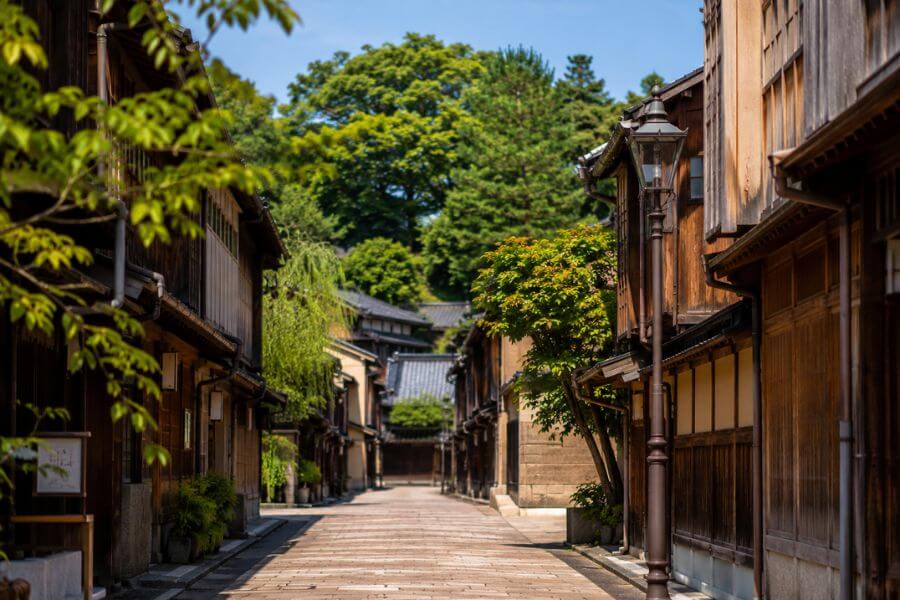
In the afternoon, you must head to the Higashi Chaya District. This is the geisha district, and it is beautifully preserved. The wooden buildings, known as chaya, were tea houses where high-end entertainment took place. Today, many of them have been converted into cafes, souvenir shops, and gold leaf workshops. The latticework on the windows is distinctive and beautiful.
Walking here feels like stepping into a movie set. You will smell the faint scent of incense and roasted tea. This is the best place to try gold leaf ice cream. It might sound a bit extra, but it is a local specialty, and it makes for a great photo. You can also visit a traditional tea house to see how the interiors were decorated. The craftsmanship in the woodworking is subtle but incredible.
The Bustle of Omicho Market
You cannot visit Kanazawa without spending time at Omicho Market. This is the place where the locals do their shopping, and it is a paradise for food lovers. The market has been operating since the time of the samurai. It is crowded, loud, and full of energy. This is where you go to eat. You will find stalls selling fresh oysters, crab, sea urchin, and all kinds of regional vegetables.
The seafood here is incredibly fresh because the sea is right there. You should grab a bowl of seafood rice or a skewer of grilled fish and enjoy it right at the counter. The stall owners are friendly and will be happy to serve you. It is a sensory overload in the best way possible.
Comparing Your Options for Exploration
When you are planning your movement around the city, you have a few ways to get around. Here is a breakdown of how you might choose to travel between the key sights mentioned in this guide.
- Using the Loop Bus: This is the most popular way for visitors to get around. It is a one-day pass system that stops at all major tourist locations. It is efficient and simple to follow.
- Renting a Bicycle: Kanazawa is a relatively flat city, making it great for cycling. You can rent electric bikes at many points in the city. This gives you the freedom to go at your own pace and find hidden spots that the bus might miss.
- Walking: Many of the historic districts are close to each other. If you enjoy walking, you can cover a lot of ground on foot. It allows you to see the smaller, quiet details of the streets that you would otherwise pass by on a bus.
- Taxi Services: Taxis are available if you want to reach a specific destination quickly or if you are tired at the end of the day. They are clean, reliable, and easy to flag down in the city center.
The Culinary Journey in Kanazawa
Food is a religion in this city. Because of the combination of the Sea of Japan’s bounty and the fertile land surrounding the area, the ingredients here are top-tier. You are in for a treat regardless of your budget.
The Seafood Experience
The winter crab is something special. Known as Kanabako crab, it is prized for its sweet meat and rich tomalley. If you are visiting in the colder months, you must try it. Aside from crab, the sushi here is legendary. Because the fish is brought in daily from the nearby ports, the quality is often higher than what you might find in larger, more famous cities. Do not be afraid to walk into a small, nondescript sushi bar. Often, these are the places where the chef has decades of experience and will serve you the freshest bite of your life.
Gold Leaf Delicacies
You will see gold everywhere. It is a signature of the city. You can find it on ice cream, on cakes, in coffee, and even in sake. It is edible, flavorless, and adds a touch of luxury to your snack. It is a fun, quirky part of the local culture that you should try at least once while you are here.
Traditional Kaga Vegetables
The region also has a specific set of vegetables known as Kaga Yasai. These are traditional vegetables that have been grown in this area for generations. They have distinct shapes and tastes. You might find them served in refined kaiseki meals, which are traditional multi-course dinners. If you see a menu that highlights Kaga vegetables, go for it. It is a way to taste the land itself.
Shopping for Treasures
You will likely want to bring a piece of Kanazawa home with you. The crafts here are high quality and make for beautiful gifts or personal mementos.
- Lacquerware: Wajima-nuri lacquerware is famous throughout Japan for its durability and beauty. You can find everything from chopsticks to bowls. They are expensive, but they last a lifetime.
- Ceramics: Kutani-yaki is the local pottery style, known for its bold colors and intricate designs. You can find plates, cups, and vases that will add a pop of color to your home.
- Gold Leaf Crafts: You can buy boxes, mirrors, and even small decorative items that feature delicate gold leaf work. These are distinct to the city and are very popular.
- Japanese Sweets: Wagashi are traditional sweets that are often served with matcha tea. Kanazawa has a strong culture of tea, so the sweets here are refined and beautiful. They are perfect to take home as a gift.
Practical Information for Your Weekend
To make your trip smooth and enjoyable, you should keep a few logistical things in mind.
Getting There
You can reach Kanazawa from Tokyo via the Shinkansen, which is the high-speed bullet train. The ride takes about two and a half hours, making it a very quick journey. If you are coming from Kyoto or Osaka, there is an express train that connects you to Kanazawa in about two hours. The station itself is a destination. When you arrive, you will see the famous Tsuzumi-mon gate, which looks like a traditional wooden drum. It is a great welcome to the city.
Best Time to Visit
Every season offers something different. Spring brings the cherry blossoms, which make the gardens and the castle grounds look dreamy. Autumn brings the vibrant red and orange maple leaves, which are spectacular in Kenrokuen. Winter brings snow, which covers the city in a peaceful, quiet blanket. Summer can be a bit humid, but it is great for festivals and outdoor events. Choose based on what kind of weather you enjoy most, but know that you cannot really go wrong.
Communication
While most major tourist spots and hotels have staff who speak English, it is always a good idea to have a translation app on your phone. You should also learn a few basic Japanese phrases like thank you and excuse me. The locals are kind and patient. If you show a little bit of effort, they will go out of their way to help you find your way or recommend a great place to eat.
Money Matters
Japan is still a cash-heavy society. While many hotels and large shops accept credit cards, many of the smaller restaurants, traditional shops, and temples will only take cash. You should always carry some yen with you so you are not caught off guard. You can withdraw money from ATMs at convenience stores, which are everywhere and open all the time.
Frequently Asked Questions
Is two days enough to see Kanazawa?
Yes, two days is a great amount of time to see the main sights. Because the city is compact, you can hit the big spots like the garden, the castle, the districts, and the market without feeling rushed. If you want to dive deeper into the museums or take day trips to the surrounding countryside, you might want to add a third day.
Do I need to make reservations for restaurants?
For popular sushi spots or high-end kaiseki restaurants, you should definitely book in advance. If you have your heart set on a specific place, check if they take reservations online or ask your hotel to call for you. For more casual dining at the market or local cafes, walking in is usually fine.
Can I use a Japan Rail Pass in Kanazawa?
Yes, if you have a nationwide Japan Rail Pass, it covers the Shinkansen ride from Tokyo or the express train from Kyoto to Kanazawa. Once you are in the city, the local buses are not covered by the pass, so you will need to pay for those separately.
Is Kanazawa expensive to visit?
Kanazawa is comparable to other major Japanese cities. You can spend as much or as little as you want. There are luxury hotels and expensive dining options, but there are also plenty of affordable hostels, guest houses, and budget-friendly restaurants. If you are careful with your spending, you can have a full experience without breaking the bank.
What should I wear when visiting?
Kanazawa has four distinct seasons, so you should pack according to the time of year. Bring comfortable walking shoes, as you will be on your feet a lot. If you are visiting in the winter, make sure to bring a warm coat, gloves, and a scarf. If you visit in the summer, light, breathable clothing is best. As with most places in Japan, modest dress is appreciated when visiting temples or shrines.
Are there any cultural etiquette rules I should know?
The most important rule is to be polite and respectful. When visiting shrines or temples, bow slightly at the entrance. In public transport, keep your voice low. When you are eating, try not to walk around while you chew. If you are ever unsure about what to do, just watch what the locals are doing and follow their lead. They will appreciate your effort to respect the local customs.
Can I find vegetarian or vegan food options?
It is becoming more common, but it can still be tricky. Traditional Japanese cuisine often uses fish stock, even in vegetable dishes. It is helpful to research vegetarian-friendly restaurants ahead of time. Use apps that help you find these spots. If you go to the market, you can often find fresh fruits and grilled vegetables that are safe to eat. Always be clear about your dietary needs when ordering at a restaurant.
Should I stay near the train station or the city center?
Staying near the train station is convenient if you are only staying for a short time and want to drop your bags off quickly. However, staying closer to the city center or near the Korinbo area puts you within walking distance of the main sights and the best food. If you have the choice, the area between the station and the Kenrokuen Garden is a great middle ground.
Do I need to tip in Kanazawa?
No, you do not need to tip. Tipping is not a part of Japanese culture. In fact, if you leave a tip, the staff might get confused or chase you down to return the money. Excellent service is considered the standard, so you do not need to pay extra for it. A simple thank you goes a long way.
Is Kanazawa crowded with tourists?
Compared to Tokyo or Kyoto, Kanazawa is much quieter. While the famous spots like the garden will have visitors, you will rarely feel overwhelmed by crowds. You can usually find a quiet street or a hidden temple to yourself just by walking a few minutes away from the main path. It maintains a peaceful and authentic atmosphere that many travelers find refreshing.