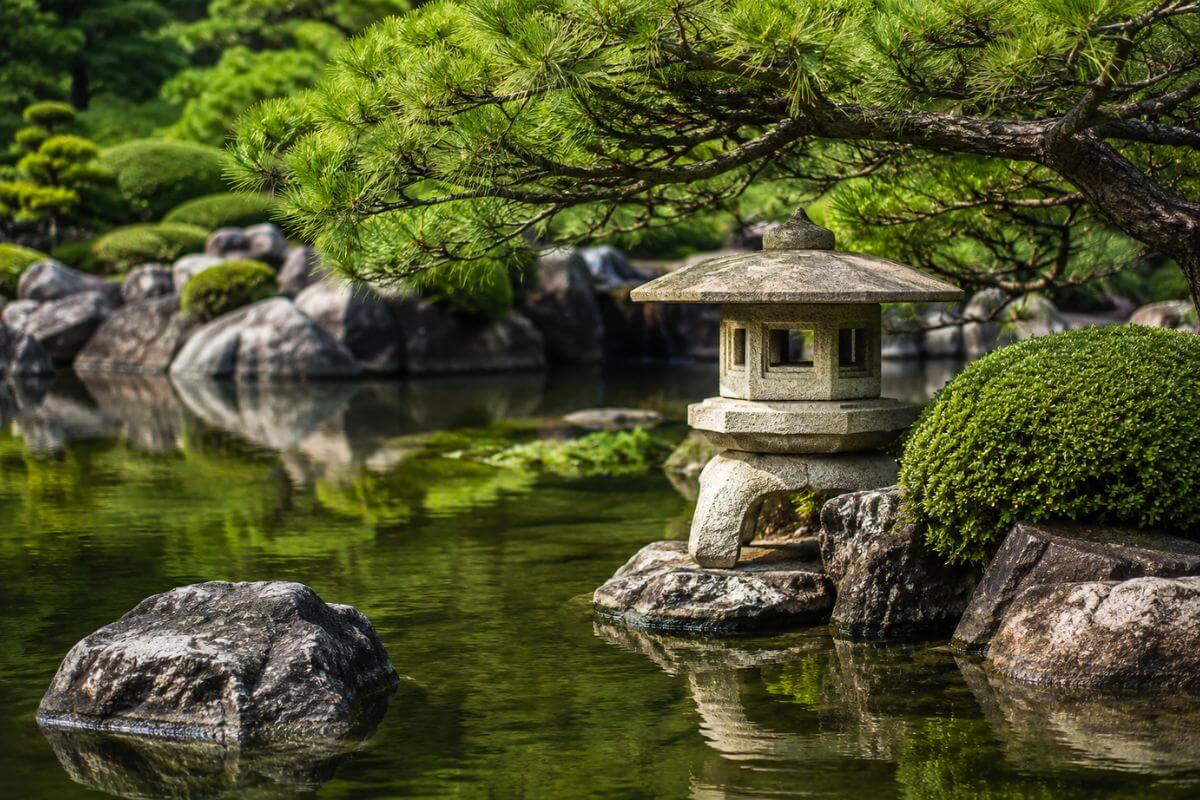
When people think about Japanese gardens, many immediately picture Kenroku en in Kanazawa. It is famous for its peaceful ponds, stone lanterns, and carefully shaped trees. But Japan is filled with stunning gardens that many travelers actually enjoy even more. Some are larger, quieter, more colorful through the seasons, or packed with deeper history and atmosphere.
If you want to experience the beauty of Japan beyond the usual tourist checklist, these gardens deserve your attention. From hidden mountain landscapes to elegant strolling gardens once built for feudal lords, each place offers something special that can rival or even surpass the experience at Kenroku en.
In this guide, you will discover ten incredible Japanese gardens that many visitors believe are even more memorable than Kyoto’s famous classic.
Quick Summary Table 🍁
| Rank | Garden | Location | Best Known For | Best Season |
|---|---|---|---|---|
| 1 | Adachi Museum Garden | Shimane | Perfect landscaping and art-like scenery | Autumn |
| 2 | Koraku en | Okayama | Spacious ponds and castle views | Spring |
| 3 | Ritsurin Garden | Takamatsu | Huge walking garden with mountains | Autumn |
| 4 | Katsura Imperial Villa Garden | Kyoto | Elegant traditional design | Spring |
| 5 | Kairaku en | Mito | Plum blossoms | Late winter |
| 6 | Saiho ji Moss Garden | Kyoto | Magical moss landscapes | Rainy season |
| 7 | Suizen ji Joju en | Kumamoto | Miniature landscapes of Japan | Spring |
| 8 | Isuien Garden | Nara | Quiet scenery near temples | Autumn |
| 9 | Shukkei en | Hiroshima | Compact but diverse landscapes | Spring |
| 10 | Sankei en | Yokohama | Historic buildings and seasonal flowers | Spring |
How We Ranked These Gardens 🌸
We looked at several important factors to decide which gardens could truly compete with or outperform Kenroku en.
- Beauty throughout the year
- Seasonal flowers and colors
- Overall atmosphere and peacefulness
- Historical importance
- Unique landscape design
- Walking experience and accessibility
- Cultural value
- Crowd levels and visitor experience
- Photography opportunities
- Connection with surrounding nature
1. Adachi Museum Garden, Shimane 🍂
Many garden lovers consider the Adachi Museum Garden the most beautiful garden in Japan. Unlike traditional parks where you freely wander everywhere, this garden is designed to look like a living painting from every angle.
The garden surrounds the Adachi Museum of Art and blends nature with architecture in an almost unreal way. Every tree branch, stone, and patch of moss is carefully maintained every single day. You can feel the incredible attention to detail as soon as you enter.
One reason this garden often beats Kenroku-en for visitors is its perfect visual balance. Instead of feeling crowded with different features, everything feels calm and intentional. Even the distant mountains become part of the scenery.
During autumn, the red maple leaves create breathtaking reflections in the ponds. Winter also transforms the space into a quiet snow-covered masterpiece.
Why you may love it more than Kenroku en:
- Less crowded and more peaceful
- Extremely polished appearance
- Incredible seasonal colors
- Unique museum and garden combination
2. Koraku en, Okayama 🌼
Koraku en is one of Japan’s official Three Great Gardens, yet many travelers still overlook it compared to Kyoto destinations. The garden feels wide, open, and relaxing, giving you space to truly enjoy the scenery.
Unlike gardens packed with dense trees and narrow pathways, Koraku en uses open lawns, flowing streams, and large ponds to create a sense of freedom. The nearby Okayama Castle adds dramatic views that make the landscape even more impressive.
Spring is especially beautiful here because of the cherry blossoms, but summer greenery and autumn colors are equally attractive.
The garden also hosts seasonal events where the pathways light up at night, creating a completely different mood.
What makes it stand out:
- Spacious walking areas
- Great castle scenery
- Beautiful seasonal festivals
- Excellent balance between nature and architecture
3. Ritsurin Garden, Takamatsu 🍃
Ritsurin Garden is massive compared to many traditional Japanese gardens. Located in Takamatsu on Shikoku Island, this garden combines ponds, bridges, hills, tea houses, and mountain views into one unforgettable experience.
One thing that surprises visitors is how varied the scenery feels. Every few minutes, the landscape changes completely. You may walk from a bamboo-lined path into a wide pond area with pine trees reflected on the water.
The garden was originally created for feudal lords and took more than a century to complete. That long development period helped shape one of the most detailed landscape gardens in the country.
Autumn transforms the garden into a sea of orange and red leaves, while spring brings fresh greenery and blooming flowers.
Why travelers rank it highly:
- Huge size with many walking routes
- Beautiful mountain backdrop
- Traditional tea house experiences
- Excellent seasonal beauty
4. Katsura Imperial Villa Garden, Kyoto 🏯
Even though this garden is in Kyoto, many experts believe it surpasses the more famous gardens nearby because of its refined simplicity.
The Katsura Imperial Villa Garden was designed with incredible elegance. Nothing feels excessive. Instead, the pathways, ponds, and tea houses flow naturally together in perfect harmony.
This garden strongly influenced modern architecture and landscape design around the world. Architects from many countries have studied its balance and minimalism for decades.
Unlike busier tourist gardens, visits here are carefully managed, which helps preserve the calm atmosphere.
Highlights include:
- Sophisticated minimalist design
- Historic imperial architecture
- Quiet and uncrowded environment
- Strong cultural importance
5. Kairaku en, Mito 🌺
Kairaku en becomes one of Japan’s most beautiful destinations when plum blossoms bloom in late winter. While cherry blossoms usually get more attention, plum flowers create a softer and more delicate atmosphere.
The garden contains thousands of plum trees with different colors and scents. Walking through the flowering paths feels peaceful and refreshing.
Kairaku en was designed to be enjoyed by ordinary people, not only nobles. That welcoming spirit still remains today.
Besides the flowers, the garden offers lovely bamboo groves, cedar forests, and scenic hilltop views overlooking Lake Senba.
Reasons visitors adore it:
- Incredible plum blossom season
- Relaxed and welcoming atmosphere
- Beautiful fragrance during bloom season
- Less crowded than the famous cherry blossom spots
6. Saiho ji Moss Garden, Kyoto 🍀
Saiho ji, often called the Moss Temple, feels almost magical after rainfall. Covered with over one hundred varieties of moss, the garden creates a deep green world unlike anywhere else in Japan.
Because visitor numbers are limited, the experience feels calm and spiritual. Before entering the garden, guests usually participate in Buddhist practices such as copying sutras, adding to the peaceful atmosphere.
The soft moss carpets covering stones, tree roots, and pathways create a dreamlike feeling that many visitors never forget.
Rain actually improves the scenery here, making the greens appear richer and brighter.
What makes it unforgettable:
- Unique moss landscapes
- Spiritual atmosphere
- Quiet and reflective experience
- Beautiful during rainy weather
7. Suizen ji Joju en, Kumamoto 🌊
This garden in Kumamoto is famous for representing famous Japanese landscapes in miniature form. Small hills symbolize Mount Fuji, while carefully designed paths recreate famous travel routes from old Japan.
The spring-fed pond at the center gives the garden fresh clear water year round. Combined with green lawns and traditional tea houses, the scenery feels both elegant and welcoming.
Compared to some formal gardens, Suizen ji feels easier to explore and appreciate, even for first-time visitors to Japan.
Best features include:
- Miniature landscape design
- Crystal clear pond water
- Relaxed walking experience
- Beautiful tea house scenery
8. Isuien Garden, Nara 🍁
Isuien Garden often surprises travelers because of how peaceful it feels despite being close to Nara’s famous temples and deer parks.
The garden cleverly uses borrowed scenery from nearby mountains and temple roofs to create a larger visual effect. This traditional technique makes the landscape feel connected to nature beyond the garden walls.
The combination of ponds, stone paths, tea houses, and seasonal leaves creates a balanced atmosphere that changes beautifully throughout the year.
Autumn is especially stunning when colorful maple leaves reflect across the water.
Why it deserves more attention:
- Quiet location away from crowds
- Beautiful borrowed scenery design
- Strong connection with nearby temples
- Excellent autumn colors
9. Shukkei en, Hiroshima 🌳
Shukkei-en proves that a garden does not need to be huge to leave a strong impression. Though smaller than some famous gardens, it packs many different landscapes into one compact space.
Tiny bridges, ponds, hills, and forests create the feeling of traveling through miniature natural worlds. Every corner offers a different perspective.
The garden was heavily damaged during World War II but was carefully restored, adding emotional depth to the experience.
Visitors often appreciate:
- Easy walking layout
- Beautiful seasonal flowers
- Historic restoration story
- Relaxing atmosphere in the city
10. Sankei en, Yokohama 🌷
Sankei-en combines beautiful gardens with historic Japanese buildings moved from different parts of the country. This creates a richer cultural experience than many traditional gardens offer.
The spacious grounds contain pagodas, tea houses, ponds, streams, and flower fields. Cherry blossoms in spring attract many visitors, while autumn foliage creates equally impressive scenery.
Despite being near Tokyo and Yokohama, the garden feels surprisingly peaceful.
Top highlights include:
- Historic buildings inside the garden
- Excellent flower displays
- Large open walking areas
- Strong seasonal beauty
Conclusion 🌞
Kenroku-en absolutely deserves its reputation, but Japan has many gardens that can match or even surpass it, depending on what kind of experience you want. Some travelers prefer the perfect precision of Adachi Museum Garden, while others fall in love with the giant landscapes of Ritsurin or the spiritual calm of Saiho ji.
The beauty of Japanese gardens is that each one offers a different mood. Some focus on quiet reflection, while others impress you with wide ponds, colorful flowers, or dramatic mountain scenery.
If you truly want to understand Japanese garden culture, exploring beyond the most famous names can lead to your most memorable travel experiences.
Frequently Asked Questions 🌺
Which Japanese garden is considered the most beautiful overall?
Many experts and travelers consider Adachi Museum Garden the most beautiful because of its perfect landscaping and artistic presentation. However, beauty is personal, and some visitors prefer larger gardens like Ritsurin or Koraku-en.
What is the best season to visit Japanese gardens?
Spring and autumn are usually the most popular seasons. Spring offers cherry blossoms and fresh greenery, while autumn brings colorful maple leaves. Some gardens, like Kairaku-en, are best in late winter during plum blossom season.
Are Japanese gardens expensive to visit?
Most Japanese gardens have affordable entrance fees. Prices are usually much lower than those at major theme parks or tourist attractions. Some special gardens with reservation systems may cost slightly more.
Do you need reservations for famous Japanese gardens?
Most gardens allow walk in visits, but some places like Saiho ji Moss Garden often require advance reservations because visitor numbers are controlled.
Which Japanese garden is best for first time visitors to Japan?
Koraku en and Ritsurin Garden are excellent for first time visitors because they are easy to explore, visually impressive, and offer classic Japanese scenery without feeling overwhelming.