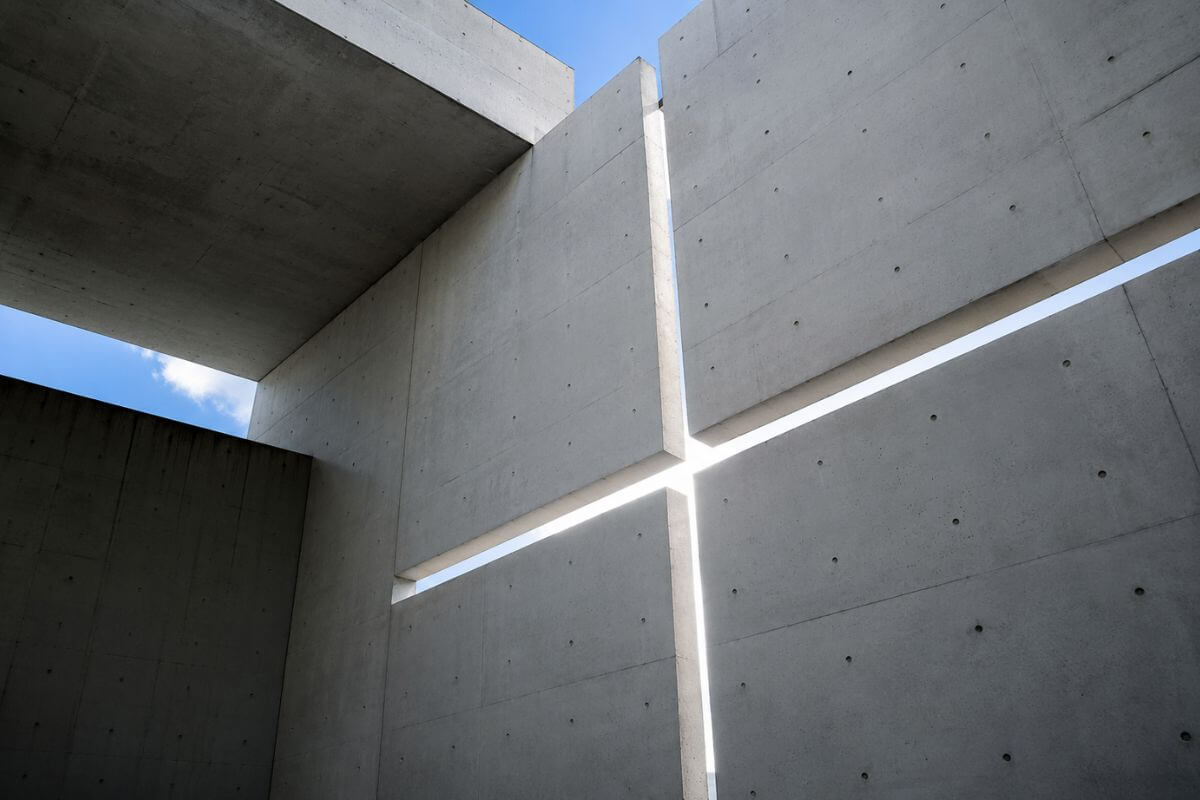
Japan has shaped the world of architecture in ways you may not even notice during your daily life. From peaceful concrete churches to futuristic skyscrapers, Japanese architects have changed how people think about space, light, nature, and cities. Their ideas have inspired designers across America, Europe, the Middle East, and beyond.
What makes Japanese architecture special is its balance. You often see modern technology mixed with simplicity, quiet beauty, and respect for nature. Many famous Japanese architects create buildings that feel calm and emotional instead of loud or overwhelming.
In this guide, you will discover ten Japanese architects and buildings that left a huge mark on global architecture. Some are world-famous landmarks, while others changed architecture through bold new ideas that spread worldwide.
Quick Summary Table 🌏
| Rank | Architect | Famous Building | Why It Changed the World |
|---|---|---|---|
| 1 | Tadao Ando | Church of the Light | Reinvented minimalist concrete design |
| 2 | Kenzo Tange | Yoyogi National Gymnasium | Blended tradition with futuristic engineering |
| 3 | Kengo Kuma | Japan National Stadium | Popularized natural modern architecture |
| 4 | Toyo Ito | Sendai Mediatheque | Changed modern public space design |
| 5 | Fumihiko Maki | Spiral Building | Influenced mixed use urban design |
| 6 | Arata Isozaki | Museum of Contemporary Art LA | Connected Japanese and Western architecture |
| 7 | SANAA | 21st Century Museum of Contemporary Art | Redefined openness and transparency |
| 8 | Kisho Kurokawa | Nakagin Capsule Tower | Introduced the Metabolist movement |
| 9 | Shigeru Ban | Paper Church | Revolutionized humanitarian architecture |
| 10 | Sou Fujimoto | House NA | Changed ideas about private living spaces |
How We Ranked These Architects and Buildings 🧭
We used several important factors when choosing these architects and buildings:
- Global influence on architecture and design
- Innovation and originality
- Cultural importance
- Long-lasting impact on modern cities
- Recognition through awards and international projects
- Ability to inspire younger architects worldwide
- Unique use of materials, light, and space
- Popularity among architecture experts and travelers
1. Tadao Ando and the Church of the Light ✨
Few architects are as respected worldwide as Tadao Ando. What makes his story even more inspiring is that he was self-taught. Before becoming an architect, he worked as a boxer and traveled across the world studying buildings on his own.
His masterpiece, Church of the Light, completely changed how people viewed minimalist architecture. Built in 1989, the church uses plain concrete walls and natural sunlight to create a deeply emotional experience.
The cross-shaped opening behind the altar became one of the most famous architectural images in the world. Instead of using decoration, Ando used light itself as the main design feature.
You can now see Ando’s influence in luxury homes, museums, churches, and modern cafes worldwide. His style proved that simplicity could feel more powerful than expensive decoration.
Many modern architects copied his smooth concrete surfaces and quiet spiritual atmosphere. Even today, architecture students across the globe study this building as a masterpiece of minimalism.
2. Kenzo Tange and Yoyogi National Gymnasium 🏟️
Kenzo Tange helped Japan rebuild its identity after World War II. His work mixed traditional Japanese ideas with futuristic engineering, creating a style that impressed the entire world.
His most famous project, Yoyogi National Gymnasium, was built for the 1964 Tokyo Olympics. The roof appears to float in the air using dramatic suspension cables inspired by bridges and temples.
At the time, the building looked like something from the future. Architects worldwide admired how Tange combined beauty with advanced engineering.
The gymnasium influenced stadium design globally. Many modern sports arenas borrowed ideas from their flowing roof structure and dynamic curves.
Tange also played a major role in the Metabolist movement, which imagined cities as living systems that could grow and change over time. Those ideas later influenced urban planning across Asia and Europe.
3. Kengo Kuma and Japan National Stadium 🌿
Kengo Kuma became internationally famous for bringing nature back into modern architecture. Instead of giant steel and glass structures, Kuma prefers wood, sunlight, and soft textures.
His design for the Japan National Stadium showed the world a different vision for large public buildings. Completed for the Tokyo Olympics, the stadium used large amounts of timber from all 47 Japanese prefectures.
The building feels warm and welcoming instead of cold and industrial. Plants and open air spaces help it blend into the surrounding city.
Kuma’s work changed global interest in sustainable architecture. Many designers began rethinking how buildings connect with nature and local culture.
Today, architects worldwide study Kuma’s methods for combining environmental design with modern construction technology.
4. Toyo Ito and Sendai Mediatheque 📚
Toyo Ito became famous for pushing architecture into the digital age. He wanted buildings to feel flexible, open, and connected like modern information networks.
His groundbreaking project, Sendai Mediatheque, opened in 2001 and shocked the architecture world with its unusual structure.
Instead of traditional walls and columns, the building uses tube-like structures that carry light, elevators, and utilities through open floor spaces.
The result feels transparent and fluid. Visitors can move naturally through the building without feeling trapped inside separate rooms.
This project influenced modern libraries, museums, and public buildings worldwide. Ito proved that architecture could feel lighter, freer, and more interactive in the internet age.
5. Fumihiko Maki and the Spiral Building 🌀
Fumihiko Maki became known for elegant urban architecture that blends multiple functions into one seamless experience.
His famous Spiral Building combines shops, restaurants, galleries, and performance spaces into a creative cultural center.
What made this building revolutionary was its ability to encourage movement and social interaction. Visitors naturally flow through the space rather than simply entering and leaving.
Maki’s ideas influenced mixed-use developments across major global cities. Today, many urban complexes use similar concepts that combine culture, shopping, and entertainment in one place.
His work also showed how architecture could improve city life by creating human-centered spaces instead of isolated buildings.
6. Arata Isozaki and the Museum of Contemporary Art Los Angeles 🎨
Arata Isozaki became one of the first Japanese architects to gain major international success outside Japan.
His design for the Museum of Contemporary Art Los Angeles, helped introduce Japanese architectural thinking to America in the 1980s.
Isozaki refused to follow a single style. Instead, he mixed modernism, postmodernism, and Japanese influences in fresh ways.
His international success opened doors for future Japanese architects to work globally. Many younger designers saw him as proof that Japanese architecture could compete on the world stage.
Isozaki’s career also helped create stronger connections between Eastern and Western architectural ideas.
7. SANAA and the 21st Century Museum of Contemporary Art 🪞
The architecture firm SANAA, led by Kazuyo Sejima and Ryue Nishizawa, became famous for creating buildings that feel soft, open, and almost invisible.
Their masterpiece, the 21st Century Museum of Contemporary Art, completely changed how people viewed museums.
Instead of intimidating visitors with massive walls and grand entrances, the museum feels welcoming and transparent. Glass walls blur the line between indoors and outdoors.
This design philosophy influenced museums, offices, and homes around the world. Architects began focusing more on openness, natural light, and emotional comfort.
SANAA later won the Pritzker Prize, architecture’s highest honor, proving their global importance.
8. Kisho Kurokawa and the Nakagin Capsule Tower 🚀
Kisho Kurokawa became one of the leaders of the radical Metabolist movement during the 1960s and 1970s.
His most famous creation, Nakagin Capsule Tower, looked like science fiction brought to life.
The tower used small, removable capsules attached to central cores. Kurokawa imagined a future where buildings could constantly evolve by replacing outdated parts.
Although the building eventually faced demolition, its influence remains enormous. Modern modular housing, capsule hotels, and flexible architecture all borrow ideas from this project.
The tower became a symbol of futuristic Japanese design and inspired architects, filmmakers, and technology companies worldwide.
9. Shigeru Ban and the Paper Church 🕊️
Shigeru Ban changed architecture by proving that design could directly help people during disasters and humanitarian crises.
His famous Paper Church was built after the 1995 Kobe earthquake using recycled paper tubes and simple materials.
Many people originally doubted that paper could work as a serious building material. Ban proved them wrong by creating structures that were affordable, beautiful, and surprisingly durable.
His humanitarian architecture projects later helped disaster victims in countries worldwide.
Ban’s work changed how architects think about emergency housing and sustainability. He showed that architecture is not only about luxury buildings but also about improving human lives.
10. Sou Fujimoto and House NA 🪟
Sou Fujimoto became famous for challenging traditional ideas about privacy and living spaces.
His unusual project, House NA, looks almost transparent from the outside. The home uses multiple small platforms instead of regular rooms.
Living there feels more like sitting in a treehouse than a traditional house.
Fujimoto’s work questioned how modern people live in crowded cities. He explored openness, flexibility, and human interaction in completely new ways.
Although the design may seem unusual, it inspired architects worldwide to rethink residential architecture and urban living.
Conclusion 🌸
Japanese architects have transformed global architecture through creativity, innovation, and deep cultural thinking. They showed the world that buildings can be peaceful, emotional, sustainable, futuristic, and deeply human all at the same time.
From Tadao Ando’s spiritual minimalism to Kisho Kurokawa’s futuristic capsules, each architect on this list introduced ideas that spread far beyond Japan. Their buildings influenced homes, museums, stadiums, offices, and entire cities across the globe.
When you visit Japan, you are not only seeing beautiful buildings. You are experiencing architectural ideas that helped shape the modern world itself.
Frequently Asked Questions ❓
Why is Japanese architecture so influential worldwide?
Japanese architecture is respected because it balances simplicity, innovation, nature, and functionality. Many Japanese architects create emotional spaces that feel calm and human-centered, which appeals to people worldwide.
Which Japanese architect won the most international awards?
Several Japanese architects have received major honors, but Tadao Ando, Kenzo Tange, Toyo Ito, SANAA, and Shigeru Ban all won the prestigious Pritzker Prize.
What is the Metabolist movement in Japanese architecture?
The Metabolist movement imagined cities and buildings as living systems that could grow and adapt over time. It became famous during the 1960s and strongly influenced futuristic urban design.
Are these buildings open to tourists?
Many of them are open to visitors, including museums, stadiums, and public spaces. Some private homes may not allow public entry, but you can often view them from the outside.
Which Japanese architect is best for minimalist design inspiration?
Tadao Ando is usually considered the master of minimalist architecture because of his use of concrete, natural light, and clean geometric spaces.