Japan continues to be one of the most visited destinations in the world, and interest in the country keeps growing in 2026. Whether you are planning your first trip or returning to explore more, chances are you have searched online for answers to common travel questions. From budgeting and transportation to internet access and cultural etiquette, travelers want reliable information before they book their flights.
This guide answers the 10 most searched Japan travel questions for 2026 in a clear and practical way. Instead of vague advice, you will find straightforward explanations that can help you plan a smoother and more enjoyable trip.
Quick Summary Table 🗾
| Question | Short Answer |
|---|---|
| Is Japan expensive to visit? | It can be affordable with smart planning. |
| Do I need a visa for Japan? | It depends on your nationality. |
| What is the best time to visit Japan? | Spring and autumn remain the most popular seasons. |
| How many days do you need in Japan? | 7 to 14 days works well for most travelers. |
| Is the Japan Rail Pass worth it? | Only for certain travel itineraries. |
| Can I use credit cards everywhere? | Mostly yes, but cash is still useful. |
| Is Japan safe for tourists? | Yes, it is one of the safest countries to visit. |
| Do people speak English in Japan? | Some do, but translation apps help a lot. |
| How do I stay connected to the internet? | eSIMs and pocket Wi-Fi are popular choices. |
| What should I not do in Japan? | Learn basic etiquette before arriving. |
How We Ranked These Questions 🔍
These questions were selected based on several factors that make them especially important for travelers in 2026:
- Frequency of online searches
- Importance for trip planning
- Common concerns among first-time visitors
- Relevance to current travel trends
- Practical impact on your travel experience
- Questions that often cause confusion
- Topics discussed most often in travel communities
1. Is Japan Expensive to Visit in 2026? 💴
This is easily one of the most searched questions about Japan.
The answer is both yes and no. Japan can be expensive if you stay in luxury hotels, dine at high-end restaurants, and take taxis everywhere. However, it can also be surprisingly affordable compared to other major travel destinations.
Budget travelers can find clean accommodations, affordable transportation, and excellent meals at reasonable prices. Convenience stores offer fresh food that is often better than restaurant meals in many countries. Local train networks also help keep transportation costs manageable.
If you plan carefully, a mid-range traveler can enjoy Japan comfortably without spending a fortune. Booking accommodations early and traveling outside peak seasons can save a significant amount of money.
2. Do I Need a Visa to Visit Japan? 🛂
Visa requirements depend on your nationality.
Many travelers from North America, Europe, Australia, and several Asian countries can enter Japan visa-free for short tourism stays. However, entry requirements can change, so you should always verify the latest rules before booking your trip.
Make sure your passport is valid for the duration of your stay and keep copies of important travel documents. Immigration officers may also ask about your accommodations and return travel plans.
Checking visa requirements should be one of the first steps in your travel planning process.
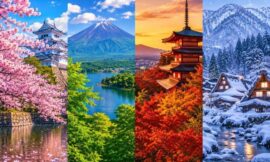
3. What Is the Best Time to Visit Japan? 🌸
The best time depends on what you want to experience.
Spring is famous for cherry blossoms and pleasant temperatures. Parks, temples, and cities become incredibly beautiful during this period.
Autumn is another favorite season because of colorful foliage, comfortable weather, and fewer crowds compared to the peak cherry blossom season.
Summer offers festivals, fireworks, and mountain adventures, but can be hot and humid. Winter is excellent for skiing, snowboarding, and enjoying hot springs.
For most travelers, spring and autumn provide the best balance of weather, scenery, and activities.
4. How Many Days Do You Need in Japan? ⏳
Most visitors find that 7 to 14 days is ideal.
A one-week trip allows you to explore major cities like Tokyo and Kyoto while experiencing a few famous attractions. Two weeks gives you more flexibility to visit additional destinations such as Osaka, Hiroshima, Nara, or Hokkaido.
If it is your first visit, avoid trying to see everything. Japan has an incredible amount to offer, and rushing between cities can become exhausting.
Focus on a few regions and enjoy them fully rather than spending your entire vacation on trains.
5. Is the Japan Rail Pass Worth It? 🚅
This question has become even more important in recent years.
The Japan Rail Pass can still provide value, but it is no longer an automatic money saver for every traveler.
If your itinerary includes several long-distance train journeys within a short period, the pass may help reduce transportation costs. However, travelers staying mainly in one region often find that purchasing individual tickets is cheaper.
Before buying a rail pass, calculate the cost of your planned train routes. Many visitors discover that regional passes or standard tickets fit their travel plans better.
Careful planning is the key to making the right decision.
6. Can I Use Credit Cards Everywhere? 💳
Japan has become increasingly card-friendly, but cash still matters.
Major hotels, department stores, train stations, and many restaurants accept credit cards. Mobile payments have also become more common.
However, smaller businesses, traditional restaurants, local markets, and rural areas may still prefer cash. Having some Japanese yen available is always a good idea.
ATMs located in convenience stores are usually reliable and easy for international travelers to use.
A combination of cash and cards provides the most flexibility during your trip.
7. Is Japan Safe for Tourists? 🛡️
Japan consistently ranks among the safest countries in the world.
Violent crime rates are low, public transportation is secure, and travelers often report feeling comfortable walking around cities even late at night.
Of course, basic travel precautions still apply. Keep an eye on your belongings, remain aware of your surroundings, and follow local safety guidelines.
Natural disasters such as earthquakes can occur, so familiarize yourself with emergency procedures and alerts during your stay.
Overall, safety is rarely a major concern for visitors.
8. Do People Speak English in Japan? 🗣️
English ability varies across the country.
In major tourist areas, airports, train stations, hotels, and popular attractions, you will often find English signs and some English-speaking staff.
Outside major tourist destinations, English may be less common. Fortunately, translation apps have made communication much easier than ever before.
Learning a few simple Japanese phrases can go a long way. Even basic greetings and polite expressions are often appreciated by locals.
You do not need to be fluent in Japanese to enjoy a successful trip.
9. How Can I Stay Connected to the Internet? 📶
Reliable internet access has become essential for modern travelers.
Most visitors choose between eSIM plans, physical SIM cards, and pocket Wi-Fi devices. Each option has advantages depending on your travel style.
eSIMs are convenient because they can often be activated before arrival. Pocket Wi-Fi devices work well for groups traveling together and provide stable connections throughout the day.
Many hotels, cafes, and public locations offer free Wi-Fi, but having your own internet connection makes navigation and translation much easier.
Staying connected helps reduce travel stress significantly.
10. What Should I Not Do in Japan? 🙏
Understanding local etiquette can improve your experience and show respect for Japanese culture.
Some common things to avoid include speaking loudly on trains, blocking walkways, littering, and entering certain areas with shoes when indoor slippers are provided.
You should also be mindful when taking photographs around temples, shrines, and private property. Always look for posted rules.
Respect for others and consideration for public spaces are important parts of daily life in Japan.
When in doubt, observe what locals are doing and follow their example.
Conclusion 🎌
Japan remains one of the most rewarding travel destinations in 2026. Whether you are wondering about costs, transportation, internet access, or cultural etiquette, preparing in advance can make your journey much smoother.
The most searched Japan travel questions reveal what travelers care about most: saving money, staying safe, navigating efficiently, and respecting local customs. By understanding these essentials before you arrive, you can spend less time worrying and more time enjoying everything Japan has to offer.
No matter where your itinerary takes you, a little planning goes a long way toward creating an unforgettable Japanese adventure.
Frequently Asked Questions ❓
Should I book hotels in Japan months in advance?
Yes. Popular destinations such as Tokyo, Kyoto, and Osaka can fill up quickly during cherry blossom season, autumn foliage season, and major holidays. Booking several months ahead often gives you better prices and more options.
Is Japan a good destination for solo travelers?
Absolutely. Japan is known for its safety, efficient transportation system, and comfortable accommodations. Many solo travelers consider it one of the easiest countries to explore independently.
Can I drink tap water in Japan?
Yes. Tap water is generally safe to drink throughout Japan. Many visitors refill reusable water bottles during their trip.
What apps should I download before visiting Japan?
Navigation, translation, transportation, and weather apps can be extremely helpful. Downloading them before arrival can save time and make getting around much easier.
Are there luggage delivery services in Japan?
Yes. Japan offers convenient luggage forwarding services that allow you to send your bags between hotels or to airports. This can make train travel much more comfortable, especially when visiting multiple cities.