Key Takeaways
- Sushi is a respected craft in Japan, where the quality of the rice is just as vital as the freshness of the fish.
- You can enjoy sushi in many ways, from quick meals at conveyor belt shops to high-end dining at counter-seating spots.
- Understanding basic etiquette, like how to use soy sauce and ginger, shows respect for the chef and the tradition.
- The seasonal nature of ingredients means the menu changes throughout the year, allowing you to taste the best of every season.
- You do not need to be a sushi expert to have a great time; simply being open to new flavors and following the lead of the locals is enough.
Diving into the World of Sushi
When you land in Japan, your first meal should be sushi. It is more than just raw fish on rice; it is a cultural experience that tells the story of the sea and the land. In Japan, sushi is an art form. The chefs spend years learning how to cook the perfect rice, how to slice the fish to get the right texture, and how to balance flavors. Whether you are grabbing a quick bite at a train station or sitting down for a long meal at a famous shop, you are taking part in a tradition that has lasted for hundreds of years. This guide will help you navigate your sushi journey with confidence.
The Many Styles of Sushi
Not all sushi is the same. When you are in Japan, you will see many different types, each with its own history and way of being served. Knowing these styles will help you choose what to order and how to appreciate it.
Nigiri-zushi: The Classic Choice
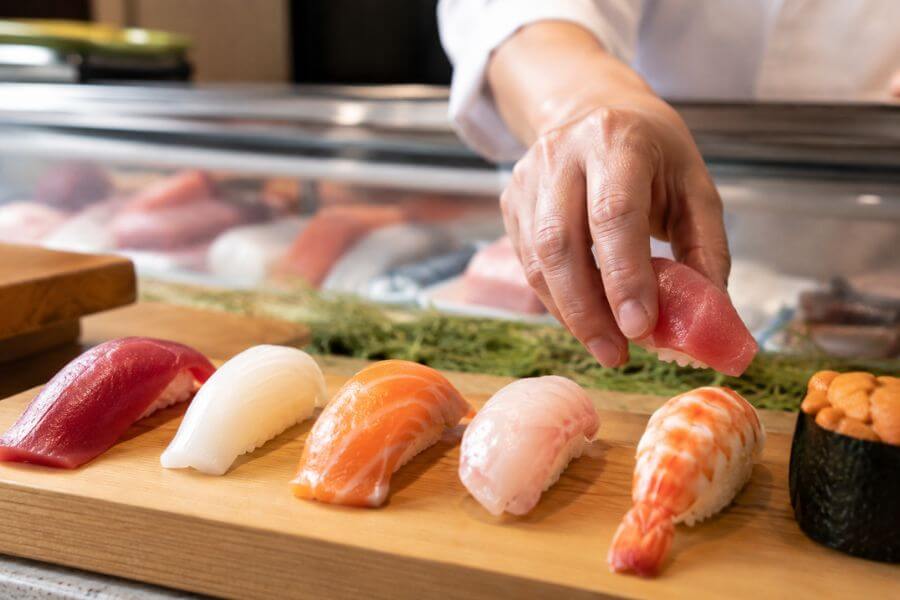
This is what most people think of when they hear the word sushi. It is a small, hand-pressed mound of vinegared rice topped with a slice of fresh fish or other seafood. At a good shop, the fish and rice should feel like they melt together in your mouth. You will often see the chef brush a little bit of sauce on the fish before serving it to you.
Maki-zushi: The Rolled Delight
Maki is sushi rolled in seaweed, known as nori. You will find simple rolls with just one ingredient, like cucumber or tuna, and more complex rolls that use many items. These are great because they are fun to eat and often come in smaller pieces, making them a good option for sharing or for a light meal.
Chirashi-zushi: The Scattered Bowl
If you want a big meal, look for chirashi. This is a bowl of vinegared rice topped with a variety of raw fish, vegetables, and other toppings. It is beautiful to look at, and it allows you to taste many different types of seafood all at once. It is a favorite for those who want a filling lunch.
Where to Find the Best Sushi
Japan has sushi options for every budget and preference. You do not always need to pay a lot of money to get a high-quality meal.
Conveyor Belt Sushi
Known locally as kaiten-zushi, these shops are fun and accessible. Plates of sushi travel around the room on a moving track, and you just pick what looks good. It is a perfect way to try different things without feeling pressured to order a big set meal. Many of these spots use tablets for ordering, so you can get fresh items made to order as well.
Counter Seating Shops
For a more intimate experience, try a small shop with a counter. Here, you sit right in front of the chef. You can watch them work, and they will serve you one piece at a time. This is where you get the freshest experience, as the chef prepares each bite right before you eat it. It is a great way to learn about what is currently in season.
Department Store Basements
If you want to take sushi back to your hotel or a park, check the basement levels of big department stores. They have amazing selections of high-quality sushi packs. These are often made by top shops and are a great way to have a nice meal on a budget.
Essential Dining Etiquette
Knowing how to act at a sushi shop will make your experience much better and earn you the respect of the chef.
- Use your hands: It is perfectly acceptable to pick up nigiri with your fingers. This helps keep the shape of the rice mound.
- Soy sauce sparingly: Dip the fish side, not the rice side, into the soy sauce. You only need a tiny bit to enhance the flavor.
- The role of ginger: Ginger is meant to be a palate cleanser. Eat a small piece between different types of fish to reset your tongue.
- Eat it quickly: Nigiri is best eaten as soon as it touches the counter. The temperature of the rice and the fish is very important.
Comparing Sushi Dining Experiences
Use this table to decide what kind of meal fits your mood.
| Type of Shop | Price Range | Atmosphere | Best For |
| Conveyor Belt | Low to Medium | Lively and casual | Families and groups |
| Counter Shop | High | Quiet and focused | Food lovers and solo diners |
| Store Basement | Low | Quick and grab-and-go | Picnics or hotel meals |
Seasonal Flavors in Japan
One of the best parts about eating in Japan is the focus on the season. What you eat in the winter will be very different from what you eat in the summer.
- Spring: Look for lighter, milder white fish and cherry blossom-themed treats.
- Summer: Enjoy refreshing, cooling items like octopus or sea urchin.
- Autumn: This is the time for rich, oily fish like mackerel.
- Winter: Look for fatty tuna and other hearty, flavorful seafood that keeps you warm.
Frequently Asked Questions
Is it rude to ask for a fork instead of chopsticks?
Most sushi shops are used to visitors from other countries and will be happy to provide a fork if you need one. However, using your hands for nigiri is perfectly fine and often seen as more authentic than using a fork.
Should I order the chef’s special?
Yes, absolutely. Asking for the omakase, which means leaving the choices to the chef, is the best way to ensure you get the best and freshest ingredients of the day. It takes the pressure off you to know the menu.
Is wasabi always included?
Most chefs will add a small amount of wasabi between the rice and the fish. If you do not like it, you can simply ask for your sushi without it. Many shops will also provide extra on the side if you like a bit of heat.
How do I know if the fish is fresh?
In Japan, the quality of fish is very high, especially at busy shops. Look for a clean shop with a high turnover of customers. If you see locals waiting in line, you can be sure the fish is fresh and the quality is great.
Can I eat sushi every day?
You certainly can. Sushi is a healthy and balanced meal. With so many different shops and styles, you will never get bored. Just try to visit different types of places to keep your experience varied.