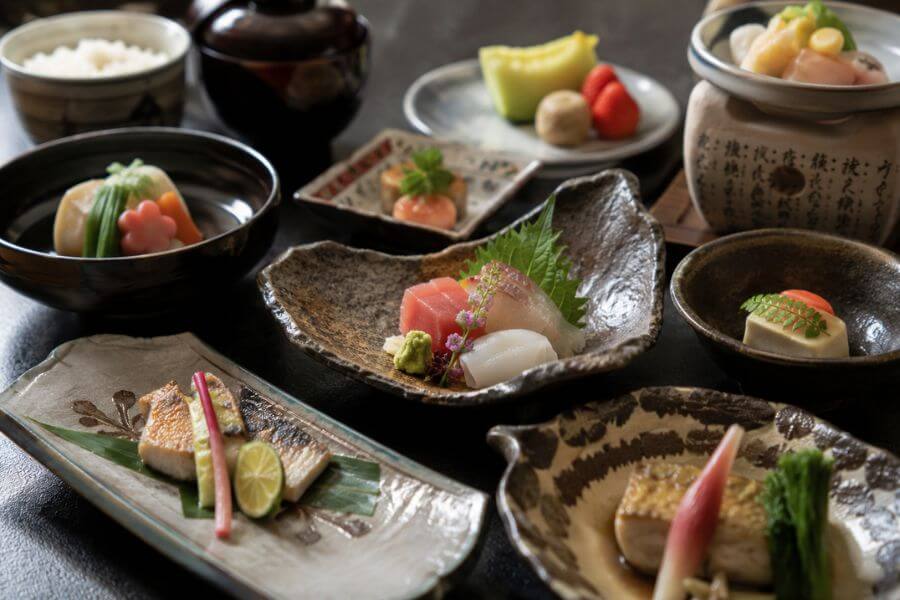
Imagine stepping into a quiet, wooden room in Kyoto. The scent of cedar fills the air, and the distant sound of water trickles from a stone basin outside. You sit on a woven mat, and before you, a series of small, beautiful dishes begins to arrive. This is not just dinner; this is kaiseki. It is an experience that connects you to the changing seasons, the land, and the artistry of the chef. If you have ever wondered what makes this Japanese dining tradition so special, you are in the right place.
Key Takeaways
- Kaiseki is a formal, multi-course Japanese meal that emphasizes the seasonal nature of ingredients and careful preparation.
- The meal focuses on balance, harmony, and the aesthetic presentation of food on carefully chosen pottery.
- Every dish served follows a specific sequence designed to enhance the flavor and pacing of the dining experience.
- It is rooted in the tradition of the tea ceremony, where a small meal was served to balance the intensity of strong matcha.
- Understanding kaiseki means appreciating the silent dialogue between the chef, the environment, and the guest.
The Roots of Kaiseki
To truly understand this culinary art, we must look back in time. The term kaiseki comes from two words that mean “chest stone.” Long ago, monks in Zen temples would place a warm stone against their bellies to ward off hunger during long periods of meditation. Over time, this concept evolved into a modest meal served during the formal tea ceremony. The goal was to provide enough nourishment to prepare the body for the potent tea that followed.
As the years passed, this humble practice transformed. It moved from the temple to the dining rooms of the wealthy and eventually to the refined restaurants found today. While the setting has changed, the spirit remains the same. It is still about restraint, gratitude, and a deep respect for the bounty of nature. It is not about filling your stomach; it is about nourishing your spirit through the rhythm of the seasons.
The Philosophy of the Seasons
The most important rule in a kaiseki kitchen is the concept of shun. This word refers to the very peak of an ingredient’s flavor and freshness. If you are eating kaiseki in spring, you might taste the delicate bitterness of mountain vegetables or the light sweetness of white fish. In autumn, the menu shifts to earthy mushrooms, roasted chestnuts, and fatty, rich fish.
The chef acts as a guide, leading you through the natural calendar. Nothing is served out of place. If you see a garnish on your plate, it is not just there for decoration; it is there because it belongs to that specific time of the year. This connection to the environment helps you feel grounded. When you eat, you are literally consuming the essence of the season.
The Structure of the Meal
While every restaurant has its own style, most kaiseki meals follow a set pattern. Each course is carefully placed to build a narrative. You begin with something light and end with something grounding, like rice and pickles.
Sakizuke
The first impression is the sakizuke. Think of this as an appetizer that awakens your senses. It is often a small, cold dish that introduces the theme of the entire meal. It sets the tone and prepares your palate for the delicate flavors that follow.
Hassun
The hassun is often considered the heart of the meal. Named after the eight-inch wooden square tray it is served on, this course features a collection of seasonal items from both the mountains and the sea. It is a visual masterpiece that looks like a miniature landscape.
Mukozuke
This is your sashimi course. Because raw fish is delicate, it is served mid-meal to ensure the textures remain perfect. It is often accompanied by fresh wasabi and soy sauce, which are intended to highlight the natural flavor of the fish rather than mask it.
Takiawase
This is the simmered course. Vegetables and protein, often tofu or fish, are cooked separately to ensure each ingredient maintains its unique texture. They are then brought together in a light, clear broth. It is a lesson in patience and precise timing.
Gohan and Miso
Even in a fancy meal, the staples of Japanese life appear at the end. A bowl of steamed white rice, a bowl of miso soup, and a small portion of pickled vegetables arrive. This final stage is meant to satisfy the body and provide a sense of comfort before the meal concludes.
The Art of the Table
In kaiseki, the food is only half the story. The other half is the vessel that holds it. Chefs spend years learning which bowl, plate, or lacquerware best matches the food they have prepared. A piece of dark, rustic ceramic might be used for a winter stew, while a clear, glass-like bowl might hold a cold, refreshing summer soup.
The texture of the plate, its shape, and its color are all chosen to create a dialogue with the food. When the plate is placed before you, notice how the colors pop. Observe how the chef has placed the fish or the leaf to create negative space. This is not accidental. It is a deliberate act of design intended to bring you peace and appreciation.
Comparing Traditional Dining Styles
It can be confusing to keep different Japanese dining styles apart. Here is a guide to show how kaiseki differs from other common experiences.
| Style | Focus | Setting |
| Kaiseki | Seasonal, refined, artistic | Private room, formal |
| Kaisei | Tea ceremony roots, lighter | Tea house |
| Omakase | Chef’s choice, focus on sushi | Counter seating |
| Teishoku | Set meal, everyday food | Casual cafe or home |
Frequently Asked Questions
Is it acceptable to ask questions during the meal?
Yes, but keep them respectful and quiet. In a high-end setting, the atmosphere is usually very calm. If you are sitting at a counter, you can ask the chef about the ingredients, but avoid speaking loudly. The chef is working with intense focus, and your quiet presence is a sign of respect.
Do I need to be an expert in Japanese etiquette?
You do not need to be an expert, but simple manners go a long way. Avoid wearing heavy perfume, as it distracts from the delicate scent of the dashi broth. If you are provided with a hot towel, use it only for your hands before the meal starts. If you are unsure about how to use an item, it is perfectly fine to watch others or ask your server for help.
How long does a typical meal last?
A full kaiseki meal can last anywhere from two to three hours. This is not a rushed dining experience. You are encouraged to linger, talk with your companions, and savor every bite. The pace is designed to allow your body to digest properly and your mind to fully absorb the artistic intent of the kitchen.
Can I request changes if I have food allergies?
Most high-end restaurants are very happy to accommodate dietary needs if you inform them when you make your reservation. Because the menu is planned based on seasonal availability, the chef needs time to prepare alternative ingredients that fit the artistic theme of the meal. Always call ahead to ensure your needs can be met.
Is kaiseki only for special occasions?
Historically, it was a celebratory meal, and today it remains a treat. Because of the level of skill, the quality of ingredients, and the private nature of the service, it is often saved for birthdays, anniversaries, or unique experiences. However, if you have the chance to enjoy it, you will find that it leaves you with a lasting sense of calm and appreciation that lasts long after the meal is over.