Key Takeaways
- Okinawa is Japan’s southernmost prefecture, known for its unique Ryukyu heritage, turquoise waters, and tropical climate.
- Spring (March to May) and autumn (September to November) offer the most pleasant temperatures for outdoor exploration.
- The main island is home to cultural landmarks like Shuri Castle, while the surrounding islands are perfect for snorkeling and diving.
- Renting a car is the most flexible way to navigate the island, though monorails and bus networks serve urban areas well.
- Must-visit spots include the Churaumi Aquarium, the Kerama Islands for clear water, and the historic streets of Naha.
- Okinawan cuisine is distinct from mainland Japanese food, featuring local ingredients like bitter melon and sea grapes.
- Respect for local culture and nature is vital when visiting the sacred sites and coral reefs that define the island experience.
Welcome to Your Tropical Island Escape
When you imagine Japan, you might picture the bustling streets of Tokyo or the quiet temples of Kyoto. But far to the south lies a different world. Okinawa is an archipelago that feels like a separate country. With its laid-back rhythm, sparkling blue seas, and a history that blends Japanese, Chinese, and Southeast Asian influences, it is a paradise for any traveler. Whether you want to dive into crystal-clear waters or walk through the remnants of a kingdom that once ruled these waves, Okinawa welcomes you with open arms and warm sunshine.
The Best Time for Your Visit
Timing is everything when you plan an island trip. Okinawa stays warm all year, but the seasons change the feel of your adventure.
Springtime, from March through May, is widely considered the gold standard. The humidity stays low, the flowers begin to bloom, and you can enjoy comfortable walks without the intense summer heat. If you want to swim, the water starts to warm up nicely by April.
Summer brings the true tropical feeling. June through August features hot, sunny days perfect for beach activities. Keep in mind that this is peak travel time, so popular spots will be crowded. You should also be aware that summer is the season for occasional typhoons. These usually pass quickly, but they are a factor to consider in your planning.
Autumn is another beautiful window. September to November offers cooler temperatures, making it a wonderful time for hiking and sightseeing. The crowds begin to thin out, which allows you to enjoy the quiet beauty of the beaches and historical parks in peace.
Winter, from December to February, is quiet and mild. While it is too chilly for most people to swim, it is a fantastic time for those who prefer to avoid the heat and enjoy lower prices on hotels. You can still explore the outdoors and experience the culture without needing to worry about the sun.
Exploring the Culture and History
Okinawa was once the independent Ryukyu Kingdom. This history is still very much alive today. As you travel, you will notice “shisa” statues on almost every rooftop. These lion-like figures are said to ward off bad spirits.
Start your cultural journey in Naha, the capital city. Shuri Castle is the most famous historical site. Even though it is currently being rebuilt, the grounds offer a deep look into the power and style of the old kingdom. As you walk through the park, you can feel the weight of history in the stone walls and the intricate gates.
Another way to connect with the local culture is through music. The sanshin, a three-stringed instrument covered in snakeskin, is the heartbeat of Okinawan life. You might hear it played in restaurants or during festivals. If you get the chance, watch a performance of traditional dance where performers use their hands to mimic the movement of waves or flowers.
For a hands-on experience, visit a pottery studio in the Tsuboya district. Here, artists have been crafting unique ceramics for centuries. You can try your hand at decorating a shisa or simply pick up a beautiful mug to take home. It is a wonderful way to support the local artisans who keep these traditions thriving.
Sun, Sand, and Sea
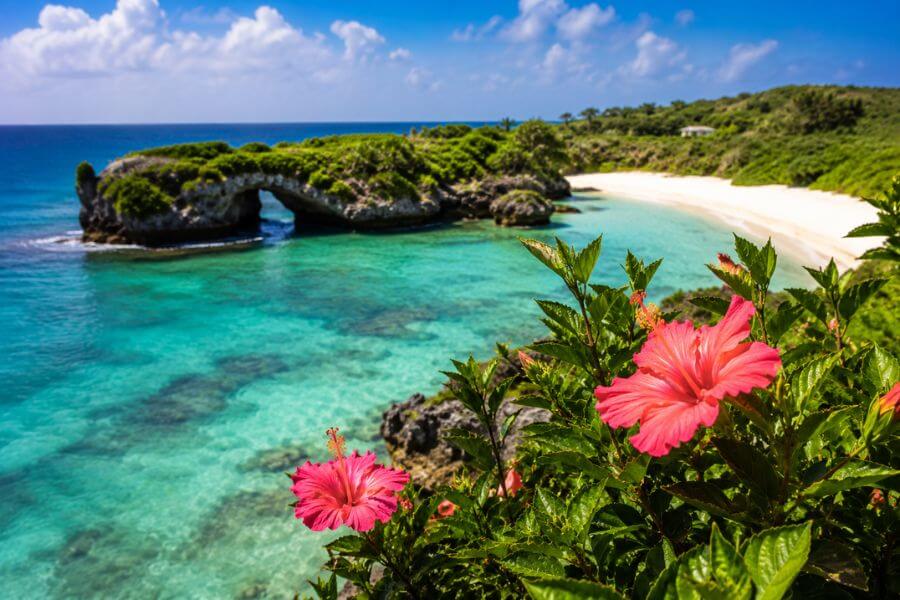
The beaches of Okinawa are world-famous for a reason. The water has a clarity that is hard to find anywhere else. On the main island, you can find beautiful stretches of sand in the northern part of the region, where the pace is slower and the nature is wilder.
If you are a fan of underwater life, the Kerama Islands are a must. A short ferry ride from Naha takes you to islands that feel like a dream. The water here is so clear you can see sea turtles and colorful fish just by looking down from the surface. Snorkeling or diving in these lagoons is a highlight for many visitors.
For a unique experience, visit the Blue Cave near Onna. The sunlight hitting the water creates a glowing blue effect inside the cave that is truly magic to behold. It is a popular spot, so try to go early in the morning to enjoy it with fewer people around you.
If you prefer to stay on land, Kouri Island is a great destination. The bridge leading to the island offers one of the most beautiful drives in Japan, with the ocean stretching out on both sides. Once you arrive, look for the famous heart-shaped rock formations on the beach. It is a simple, quiet place that captures the romantic spirit of the islands.
Flavorful Bites of the Islands
Okinawan food is special. Because of its location and history, it uses ingredients that you might not find in Tokyo. One staple is goya, or bitter melon. It is often stir-fried with tofu, eggs, and pork in a dish called goya chanpuru. It has a sharp, healthy taste that locals love.
Another must-try is Okinawa soba. Unlike the buckwheat noodles you find in other parts of Japan, these are made from wheat flour and served in a rich, flavorful pork broth. It is comfort food at its finest. If you are near the ocean, look for fresh mozuku, a type of seaweed that is often served in a tangy vinegar sauce. It is refreshing and perfectly suited to the tropical climate.
Don’t forget to try the local sweets. Beni-imo, or purple sweet potato, is a signature flavor here. You will find it in tarts, ice cream, and cakes. It is delicious and has a beautiful, vibrant color that makes for a great snack during your travels.
Navigating the Islands
Getting around Okinawa can be as simple or as adventurous as you want it to be. On the main island, the Yui Rail monorail is a great way to move through Naha. It is fast, clean, and connects the airport to many major sites.
If you plan to explore beyond the city, renting a car is the most popular choice. It gives you the freedom to stop at roadside stalls, hidden beaches, and scenic overlooks whenever you like. The roads are generally good, and the signage is helpful. Just remember that in Japan, you drive on the left side of the road.
For those who prefer not to drive, a network of buses covers the main island. While it takes more planning than a rental car, you can reach most of the major attractions using the bus system. Many bus companies also offer tour packages that take you to the biggest sights in a single day, which is helpful if your time is limited.
When visiting the smaller islands, your feet and bicycles will be your best friends. These islands are small enough that you can explore the entire coastline on a rented bike. The pace is slow, the air is fresh, and you will find it much simpler to discover hidden gems when you are moving at a relaxed speed.
Frequently Asked Questions
Do I need a special license to rent a car in Okinawa?
Yes, if you are a visitor, you will need a valid International Driving Permit (IDP) along with your domestic driver’s license from your home country. Make sure you get your permit before you leave home, as you cannot apply for one after arriving in Japan.
Can I swim in the ocean during the winter?
While the air is mild in the winter, the water temperature also drops. Most locals do not swim during this time. If you do go into the water, you will likely need a wetsuit. Winter is better spent exploring the culture, museums, and natural parks rather than beach-focused activities.
Is English widely spoken in Okinawa?
In major tourist areas, hotels, and big attractions like the aquarium, you will find staff who speak enough English to assist you. However, in smaller towns or local shops, English may be limited. Carrying a translation app or a small notebook for writing can be helpful.
What should I pack for a trip to Okinawa?
Sunscreen and a hat are essential because the sun is very strong. You should also bring comfortable walking shoes for exploring parks and historic sites, and a light jacket for the evenings, especially if you visit during the cooler months. A small bag for carrying your trash is also a good idea, as public trash cans can be rare.
Are there sharks in the water near the beaches?
While the ocean is home to many sea creatures, the popular swimming beaches in Okinawa have safety nets installed to keep bathers safe. Always swim within the designated areas and follow the instructions of lifeguards or local signs to ensure you stay protected.