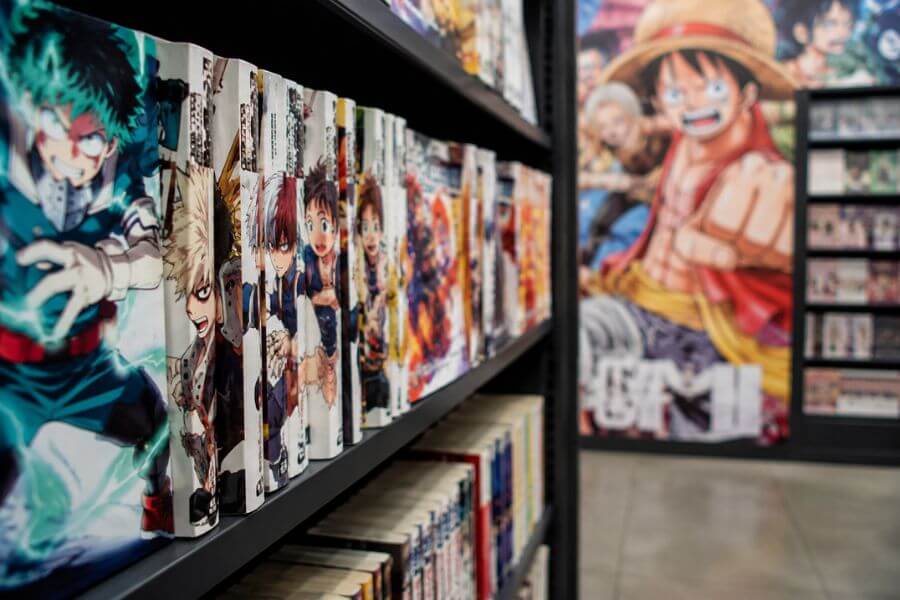
When you look at the vibrant streets of Tokyo or flip through the colorful pages of a weekly magazine, you are witnessing the heartbeat of a cultural phenomenon that has gripped the world. You might already know that manga and anime are popular, but the story of how they became the massive, world-changing forces they are today is a tale of resilience, creativity, and constant change. This is the story of how Japan transformed simple sketches and moving pictures into a global language that speaks to your imagination.
Key Takeaways
- Manga and anime evolved from ancient artistic traditions into a diverse global industry.
- Technology—from basic printing presses to modern digital animation—has constantly changed how stories are told.
- These mediums are not just for children; they cover every genre, from serious historical dramas to lighthearted comedies.
- Japan uses these forms of storytelling as a primary way to share its values, history, and modern life with the rest of the world.
- The future of this industry lies in how fans interact with the content, moving from passive viewing to active community participation.
The Roots of Storytelling: From Scrolls to Sketches
Before you see the slick animation of today, you have to look back to the very beginning. Japanese people have always had a love for combining pictures with words. Long before the modern era, artists used long paper scrolls to tell stories. These scrolls, called emaki, featured characters moving across a landscape, almost like a film strip. You can see the DNA of modern manga in these old works. They understood that a story is best told when the reader can see the action unfold in front of their eyes.
Even in the Edo period, woodblock prints helped spread stories and satire to the common people. This was the start of the idea that art should be accessible. It was not just for the elite or the rich; it was for the person walking down the street. This spirit of accessibility is what drives manga today. It is meant to be held in your hands, read on a train, and shared with friends.
The Birth of Modern Manga
If you want to find the true turning point, look at the aftermath of the Second World War. Japan was in a state of rebuilding, and people needed hope, distraction, and a way to understand their changing world. A man named Osamu Tezuka appeared on the scene, and he is often called the god of manga. He did something revolutionary. He looked at the cinematic style of Walt Disney and decided that comics should feel like movies.
Tezuka brought a new level of emotion and pacing to the page. He made characters with big eyes—a style that is still the standard today—because he knew that eyes are the windows to the soul. When a character in his stories felt sad or happy, the reader could see it instantly. This changed everything. Suddenly, manga was not just a collection of jokes; it was a way to explore the human experience.
The Golden Age of Weekly Magazines
As the Japanese economy began to boom, so did the publishing industry. You could now go to a kiosk and buy a thick, phone-book-sized magazine every single week for a very low price. These magazines were filled with dozens of different stories, all competing for your attention. This created a high-stakes environment where artists had to keep you hooked. If your story was not popular, it would be cancelled. This pushed artists to be more creative, faster, and more bold.
This era gave us iconic hits that spanned years. You started to see stories that grew up with you. If you were a child, you read stories about friendship and adventure. If you were a teenager, you read stories about school life and sports. If you were an adult, you read stories about office life or complex historical mysteries. This segmentation was a stroke of genius. It ensured that no matter who you were, there was a magazine out there that was made specifically for you.
Comparison of Manga Eras
To understand how far we have come, look at how the delivery and focus of these stories changed over the decades.
- Early Post-War Era: Stories were simple, often focusing on rebuilding and hope. The art was rough but very expressive.
- The Growth Decades: Stories became longer and more complex. Genres like sports and science fiction became huge.
- The Digital Shift: Stories are now global. You can read a chapter the moment it is released in Japan, no matter where you live.
The Rise of Anime as a Cultural Powerhouse
While manga was finding its feet on the page, anime was moving toward the screen. At first, animation was seen as a side project for film studios. It was expensive, and it took a long time to make. But Japanese creators were smart. They developed a style of animation that focused on atmosphere, lighting, and movement rather than just constant motion. They learned how to make a still image feel alive through clever editing and music.
As television became common in every home, anime found its perfect stage. You could watch your favorite characters in your own living room every week. This brought these stories into the intimacy of family life. Parents and children watched together, and the stories began to reflect the anxieties and joys of modern Japanese society.
The Influence of Global Expansion
You might wonder how these stories jumped from Japan to your local community. It was not an overnight process. It started with niche imports that people found in small shops. Then, as the internet grew, fans began to translate these stories themselves. They cared so much about these works that they wanted to share them with the world.
Eventually, major companies saw the potential. They realized that these stories had a universal appeal. Whether you live in New York, London, or Busan, the themes of love, struggle, and the quest for identity resonate with you. The industry began to invest heavily in subtitles, dubbing, and official releases. This turned a local hobby into a global industry that generates billions of dollars every year.
The Modern Workflow: How Anime Gets Made
You might think that anime is just a bunch of drawings, but the process is highly technical and collaborative. It involves hundreds of people, from the person who draws the rough outlines to the person who colors the final digital frames.
- Concept Phase: A writer creates a story idea, often based on an existing manga.
- Storyboarding: Artists draw the entire episode on paper to map out the camera angles and timing.
- Layout: This is where the characters are placed in the scene. It acts as the blueprint for the final frame.
- Digital Coloring: Nowadays, almost all of this is done on computers, allowing for vivid colors and special effects that were impossible decades ago.
- Compositing: The final step where music, voice acting, and background effects are layered together to create the experience you see.
Genres: More Than Just Action
One of the biggest mistakes people make is thinking that all anime and manga are the same. In reality, it is like a massive library where every shelf is filled with something different.
- Shonen: These are stories often aimed at younger audiences, focusing on growth, power, and team dynamics.
- Shojo: These often explore romance and emotional growth, putting a heavy emphasis on relationships and internal feelings.
- Seinen: These stories are for adults. They can be dark, philosophical, and very complicated, dealing with political or psychological themes.
- Slice of Life: These are perhaps the most unique. They do not have big explosions or world-saving plots. Instead, they focus on the beauty of daily life—making coffee, going to school, or hanging out with friends.
The Impact of Digital Technology
The way you consume these stories has changed your relationship with them. In the past, you had to wait for a physical book to arrive. Now, you can access an entire library on your phone. This has changed the way stories are written. Artists know that their work will be read on a small screen, so they use bolder lines and more immediate imagery.
Social media has also changed the game. You no longer have to experience a show alone. You can hop onto a forum or a social media group and talk about the latest episode with thousands of other people. This creates a shared experience that brings fans closer together. The barrier between the creator and the fan has almost disappeared. You can leave a comment on a creator’s page, and they might actually read it.
The Role of Music in the Experience
You cannot talk about anime without talking about the sound. The theme songs and the background music are just as important as the art. They set the tone for your emotional journey. A great opening song makes you feel excited to start the adventure, while a soft piano piece during a sad scene can make you cry instantly. The industry has become so good at this that many artists are now famous just for the songs they write for anime.
A Look into the Future
What is next for this art form? You are going to see even more interaction. Virtual reality is already knocking on the door, allowing you to walk inside the worlds of your favorite stories. Artificial intelligence is helping artists with the heavy lifting of background art, which lets them spend more time on the important character moments. The future is bright, and it is going to be more immersive than ever before.
Frequently Asked Questions
Why do characters in anime have such big eyes?
It comes from the early days of Osamu Tezuka. He wanted characters to show emotion clearly. By making the eyes large, it becomes much easier for the artist to draw tiny details like sparkles or tears, which helps you understand how the character is feeling without needing many words.
Is manga and anime only for children?
Not at all. In Japan, manga is for everyone. There are genres specifically made for working adults, elderly people, and college students. If you look at the themes in many popular series, you will find complex questions about politics, history, and the meaning of life that are meant for a mature audience.
How has the internet changed the industry?
The internet allowed fans to share their passion regardless of where they live. This forced the industry to globalize. Now, studios make shows with a global audience in mind, and you can access content legally and instantly from almost anywhere in the world.
What is the difference between manga and anime?
Think of manga as the original written and drawn story, usually in a book format. Anime is the adaptation of that story into a moving, animated video format. Most of the time, the manga comes first, and if it is popular enough, it gets turned into an anime.
Why are there so many genres?
Because storytelling is a way to explore life. Just like in books or films, creators want to write about everything—horror, comedy, war, romance, and cooking. By having specific genres, it helps you find the type of story that fits your current mood or interest.