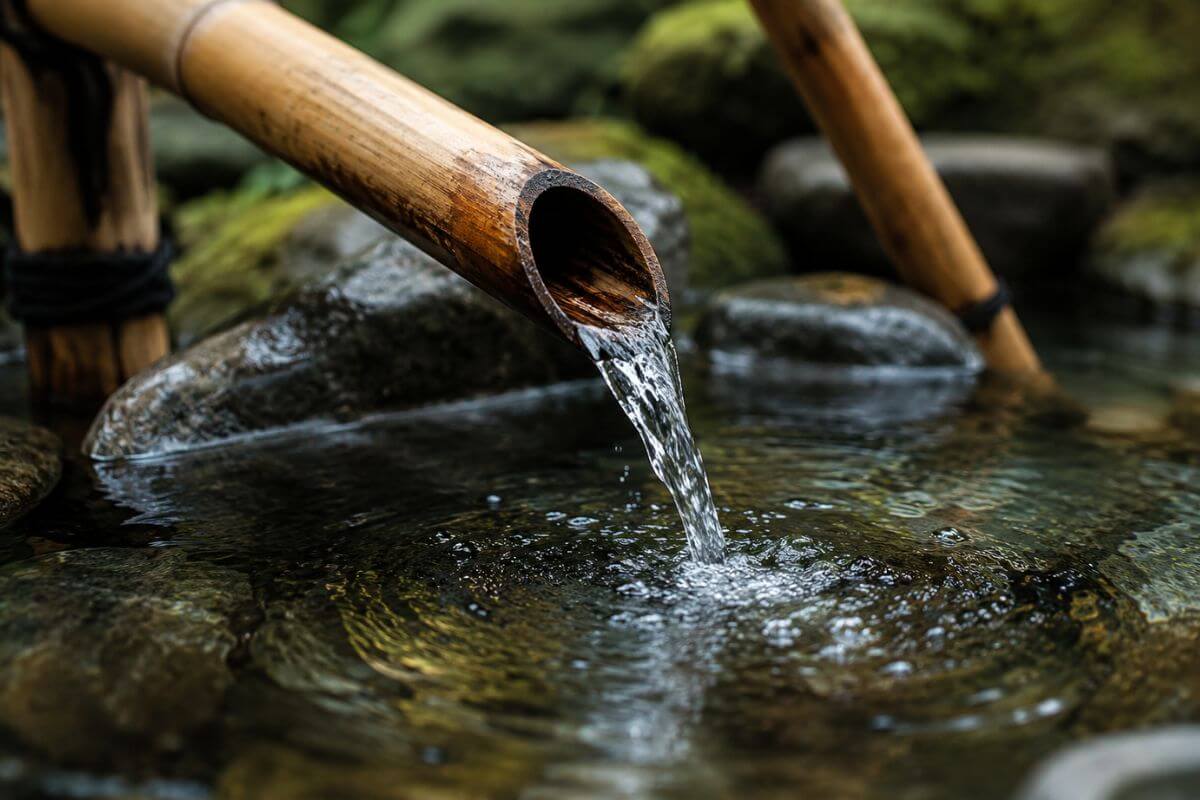
Japan is known for more than sushi, temples, and cherry blossoms. The country also has a deep culture of wellness that focuses on balance, mindfulness, and simple daily habits. What makes Japanese wellness rituals special is that most of them are easy to practice anywhere in the world. You do not need expensive equipment, a luxury spa, or a complete lifestyle change. Small routines can make a big difference in how you feel every day.
Whether you want to reduce stress, sleep better, improve focus, or simply slow down, these Japanese wellness rituals can fit naturally into your life. Many of them have been practiced for generations and continue to help people stay calm and healthy in a busy modern world.
In this guide, you will discover the top Japanese wellness rituals you can bring back home and start practicing right away.
Quick Summary Table 🗾
| Ritual | Main Benefit | Easy to Start? | Best Time to Practice |
|---|---|---|---|
| Shinrin Yoku | Stress relief and relaxation | Yes | Morning or afternoon |
| Onsen Style Bathing | Muscle recovery and calmness | Yes | Evening |
| Matcha Tea Ritual | Focus and mindfulness | Yes | Morning |
| Kaizen | Self improvement without pressure | Yes | Anytime |
| Ikigai Reflection | Purpose and motivation | Moderate | Weekly |
| Radio Taiso | Gentle daily exercise | Yes | Morning |
| Wabi Sabi Living | Less stress and clutter | Moderate | Daily |
| Hara Hachi Bu | Better eating habits | Yes | Mealtime |
| Zazen Meditation | Mental clarity | Moderate | Morning or night |
| Kansha Gratitude Practice | Emotional balance | Yes | Before bed |
How We Ranked These Wellness Rituals 🧘
We ranked these Japanese wellness practices based on the following key factors:
- Easy to practice outside Japan
- Low cost or free to start
- Benefits for mental and physical wellness
- Suitable for beginners
- Long-term sustainability
- Backed by traditional Japanese culture
- Helpful for modern busy lifestyles
- Flexible for different ages and schedules
1. Shinrin Yoku or Forest Bathing 🌲
Shinrin Yoku means “forest bathing,” but it does not involve swimming. It simply means spending quiet time in nature and fully using your senses. This wellness ritual became popular in Japan as a way to reduce stress and reconnect with the natural world.
You can practice Shinrin Yoku almost anywhere. A forest is ideal, but a park, garden, or peaceful walking trail also works well. The key is to slow down. Instead of rushing through your walk, pay attention to the sounds of birds, the smell of trees, and the feeling of fresh air.
One reason this ritual is so effective is that it encourages you to disconnect from screens and constant noise. Even 20 to 30 minutes outdoors can help calm your mind.
How to bring it home:
- Take slow walks without headphones
- Leave your phone in your pocket
- Focus on your breathing and surroundings
- Visit green spaces regularly
This practice is especially helpful if you spend most of your day indoors or online.
2. Onsen Style Bathing ♨️
Japanese hot spring culture is famous around the world. While you may not have access to a natural hot spring at home, you can still create an onsen-inspired bathing ritual.
In Japan, bathing is not only about getting clean. It is also about relaxing the body and mind. Many people take long evening baths to release stress and improve sleep quality.
To recreate this experience at home, make your bath feel calm and intentional. Use warm water, dim lighting, and quiet surroundings. Some people add bath salts or natural scents to create a spa-like atmosphere.
Simple ways to enjoy it:
- Soak for 15 to 20 minutes
- Avoid checking your phone
- Drink water afterward
- Use the time to mentally unwind
This ritual works especially well after a stressful day or hard workout.
3. Matcha Tea Ritual 🍵
Drinking matcha in Japan is often connected to mindfulness and calm focus. Matcha contains caffeine, but it also contains compounds that help you feel relaxed and steady instead of jittery.
The traditional Japanese tea ceremony is highly detailed, but you do not need to master the full ceremony to enjoy the wellness benefits. Even preparing a simple cup of matcha slowly and quietly can become a peaceful daily habit.
Instead of rushing through your morning coffee, you can turn tea preparation into a mindful moment.
How to start:
- Use high-quality matcha powder
- Whisk it slowly with warm water
- Sit quietly while drinking it
- Avoid multitasking during the ritual
This small practice can help you begin your day with more intention and less stress.
4. Kaizen or Continuous Improvement 📈
Kaizen is one of Japan’s most powerful ideas. It means making small, continuous improvements over time. Instead of trying to completely change your life overnight, Kaizen encourages steady progress.
This wellness philosophy can reduce pressure and help you build healthier habits more naturally. For example, instead of forcing yourself into a strict workout routine, you might start with five minutes of movement each day.
Kaizen works because small habits are easier to maintain.
Ways to practice Kaizen:
- Improve one habit at a time
- Focus on progress instead of perfection
- Make tiny daily changes
- Celebrate consistency
This mindset is especially useful if you often feel overwhelmed by big goals.
5. Ikigai Reflection 🌅
Ikigai is often described as “your reason for being.” In Japan, it is connected to living a meaningful and balanced life.
Finding your Ikigai does not mean discovering one perfect career or purpose. It is more about understanding what brings you joy, fulfillment, and motivation.
Many people use journaling or quiet reflection to explore their Ikigai.
Questions you can ask yourself:
- What activities make you lose track of time?
- What do you enjoy helping others with?
- What gives you energy instead of draining it?
- What kind of life feels meaningful to you?
You do not need immediate answers. The process itself can help you feel more connected to your life and goals.
6. Radio Taiso Morning Exercise 📻
Radio Taiso is a famous Japanese morning exercise routine that has existed for decades. Schools, companies, and communities across Japan still practice it regularly.
The exercises are simple, gentle, and short. Most routines only take a few minutes, but they help wake up the body and improve circulation.
One reason this ritual works so well is that it feels approachable. You do not need a gym membership or athletic experience.
Benefits include:
- Better mobility
- Increased morning energy
- Reduced stiffness
- A healthier daily routine
You can easily add stretching or light movement into your morning schedule before starting work or school.
7. Wabi Sabi Living 🍂
Wabi Sabi is a Japanese philosophy that finds beauty in simplicity, imperfection, and natural aging. Instead of chasing perfection, this mindset encourages you to appreciate things as they are.
In modern life, many people feel pressure to constantly upgrade, improve, or compare themselves to others. Wabi Sabi helps create a calmer relationship with your environment and yourself.
You can apply this philosophy in your home and daily habits.
Ideas for practicing Wabi Sabi:
- Keep your space simple and uncluttered
- Appreciate handmade or imperfect items
- Slow down and enjoy quiet moments
- Stop chasing unrealistic perfection
This mindset can help reduce anxiety and create a more peaceful home environment.
8. Hara Hachi Bu Eating Habit 🍱
Hara Hachi Bu is a Japanese eating principle that means eating until you are about 80 percent full. This habit is commonly associated with mindful eating and long-term health.
Instead of eating quickly or until you feel overly full, this ritual encourages awareness during meals.
Helpful tips:
- Eat slowly
- Put your fork down between bites
- Avoid distractions while eating
- Notice when you feel satisfied
Many people discover they feel lighter and more comfortable after meals when following this practice.
9. Zazen Meditation 🪷
Zazen is a seated meditation practice connected to Zen Buddhism. It focuses on posture, breathing, and awareness of the present moment.
For beginners, meditation can seem intimidating, but Zazen is based on simplicity. You do not need special music or complicated techniques.
How to practice basic Zazen:
- Sit comfortably with a straight back
- Focus on slow breathing
- Let thoughts pass without judging them
- Start with five to ten minutes
This ritual can improve focus, emotional balance, and mental calmness over time.
10. Kansha Gratitude Practice 💌
Kansha means gratitude or appreciation. In Japan, gratitude is deeply connected to daily life, relationships, and mindfulness.
Practicing Kansha can help shift your attention away from stress and negativity. Even small moments of appreciation can improve your mood and emotional well-being.
Simple Kansha habits include:
- Writing down three things you appreciate each day
- Thanking people more intentionally
- Appreciating meals before eating
- Reflecting on positive moments before sleep
This ritual is easy to maintain and can quickly become part of your daily routine.
Conclusion 🌏
Japanese wellness rituals are not about perfection or extreme discipline. They focus on balance, mindfulness, and small daily actions that improve your quality of life over time.
The best part is that you do not need to move to Japan or completely change your lifestyle to enjoy these benefits. Simple habits like mindful bathing, forest walks, gratitude journaling, or slow tea rituals can help you feel calmer and more grounded wherever you live.
Start with one ritual that feels natural to you. Once it becomes part of your routine, you may find yourself wanting to explore even more Japanese wellness practices.
Frequently Asked Questions ❓
Do I need special products to practice Japanese wellness rituals?
No. Most Japanese wellness habits focus on simplicity and mindfulness rather than expensive products. Many rituals only require time, attention, and consistency.
Which Japanese wellness ritual is best for stress relief?
Shinrin Yoku and onsen-style bathing are two of the best options for reducing stress. Both help calm the nervous system and encourage relaxation.
Can children practice these wellness rituals too?
Yes. Many practices like gratitude journaling, nature walks, stretching, and mindful eating are family-friendly and easy for children to understand.
How long does it take to notice benefits from these rituals?
Some rituals, like bathing or meditation, can make you feel calmer immediately. Others, like Kaizen or Ikigai reflection, often provide deeper benefits over time.
Is it okay to combine several rituals together?
Absolutely. Many people combine rituals naturally. For example, you could practice gratitude after meditation or drink matcha before a quiet morning walk.