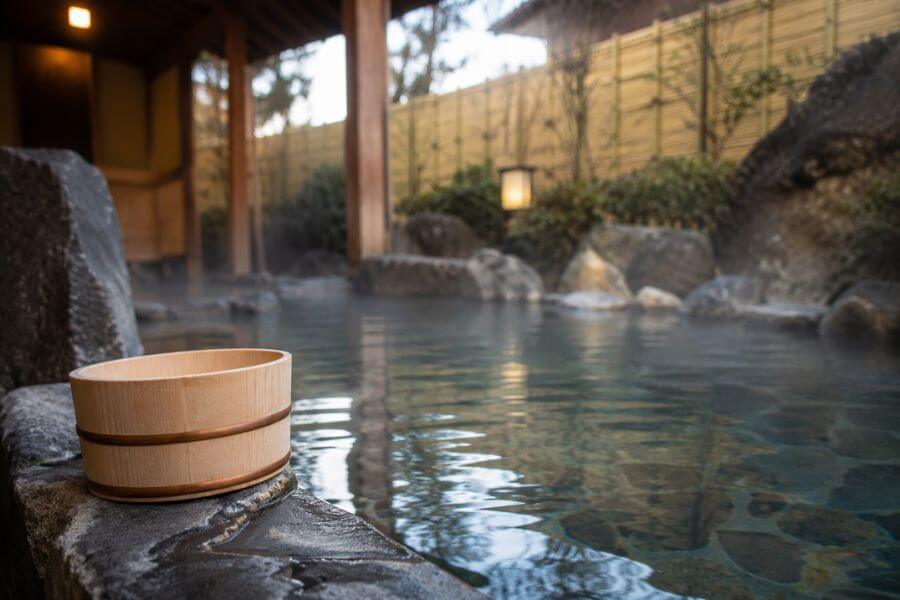
Stepping into a traditional Japanese hot spring, or onsen, is one of the most rewarding experiences you can have while traveling in Japan. There is a deep, quiet magic in sitting in mineral-rich water while surrounded by steam, stone, and nature. It is a moment of pure calm that cleanses both your body and your mind. However, for those new to the custom, the idea of bathing in a communal space with strangers can feel a bit daunting. You might worry about doing something wrong or breaking an unwritten rule. Do not worry. By following a few simple steps and practicing mindfulness, you will fit right in and enjoy the experience like a local. This guide will walk you through everything you need to know, from the moment you walk through the door until you leave feeling refreshed and renewed.
Key Takeaways
- Always shower and wash thoroughly before entering the hot spring water.
- Bring a small modesty towel to cover yourself while walking, but keep it out of the water.
- Do not wear swimsuits or clothing into the bathing area; onsen are strictly for nude bathing.
- Keep your voice low and maintain a peaceful environment for everyone.
- Check for any signs regarding tattoos, as some facilities have specific policies.
- Drink plenty of water before and after your soak to stay hydrated.
Preparing for Your Visit
Before you even reach the bathing area, there are a few things to keep in mind to ensure your trip goes smoothly. The most important rule to remember is that onsen are meant to be places of relaxation and cleanliness. Your preparation begins at your hotel or in the changing room of the facility.
What to Pack
You do not need to bring much, but a few items will make your life much simpler. Most hotels provide a yukata, which is a light cotton robe, and a pair of slippers. You should wear these to the onsen. Most facilities provide small hand towels for use inside the bath area, but if you are visiting a public day-use bath, you might want to bring your own just in case. Do not bring large, fluffy bath towels into the bathing area; these are reserved for the changing room.
Understanding the Rules
Many public onsen have specific rules regarding tattoos. Historically, tattoos in Japan have been associated with organized crime, though this is changing as tourism grows. Even so, many traditional baths still ask guests to cover tattoos with waterproof bandages or may restrict entry altogether. It is always a good idea to check the facility website or ask at the front desk if you have visible tattoos. Additionally, ensure you are in the correct gender-separated area. These are often marked with red curtains for women and blue curtains for men.
Entering the Changing Room
Once you pass through the entrance curtains, you will find yourself in the changing room, known as the datsuijo. This is where the process of transition begins.
Storing Your Belongings
You will see rows of baskets or lockers. Choose an empty basket or locker and place all your clothes inside. You should leave your yukata, your undergarments, and your shoes here. Everything stays behind except for your small modesty towel and, if you have it, a small bag for essentials like glasses or contact lens cases.
The State of Undress
The most important aspect of onsen culture is the absence of clothing. Once you are in the changing room, you should remove all your garments. It is common to feel a bit exposed at first, but remember that everyone around you is doing the exact same thing. No one is watching or judging you. People are there to relax, not to look at others. Just walk confidently into the shower area with your small towel.
The Ritual of Cleaning
This is the most critical part of the entire experience. You must be completely clean before your body touches the hot spring water. The mineral water in the pool is meant to stay pristine for all guests, and washing in the pool is strictly prohibited.
Using the Wash Station
In the bathing area, you will see a row of shower heads with small plastic stools and buckets. Find an empty spot and sit down on the stool. This is where you will wash your body. You will usually have a hand-held shower head, a mirror, and a selection of soap and shampoo.
Steps for Proper Washing
- Rinse your body thoroughly with warm water from the shower.
- Use the provided soap and shampoo to wash your hair and your entire body.
- Take your time and ensure you have rinsed away every bit of soap. The water should be clear as you rinse.
- Once you are sparkling clean, you are ready to enter the bath.
Entering the Water
Now comes the best part. After you have scrubbed clean, you can make your way toward the hot spring pools.
Acclimating to the Heat
Onsen water can be quite hot, sometimes much hotter than a standard bathtub at home. Do not dive right in. Instead, use the wooden bucket at your washing station to splash some of the spring water onto your feet and lower legs. This helps your body adjust to the temperature. Slowly step into the water, moving inch by inch until you are sitting comfortably.
Using Your Modesty Towel
Your small towel is your best friend. While you are walking around the bathing area, you should hold the towel in front of your body to maintain privacy. However, once you enter the water, the towel should not touch the bath water. You can fold it and place it on top of your head or set it on the edge of the pool. It is a sign of good etiquette to keep the water pure.
Navigating Different Types of Baths
Depending on the facility, you may find several different types of baths. Some are indoors, some are outdoors, and some contain different minerals.
Outdoor Baths
Outdoor baths, or rotemburo, are often the highlight of a trip. Being outside, perhaps surrounded by trees, rocks, or snow, adds a layer of peace to the experience. The fresh air keeps you from getting too overheated, allowing you to stay in the water for a longer time.
Indoor Baths
Indoor baths are typically warmer and are usually built with large windows that look out onto a garden. They are great for cooler days when you want to warm up quickly. You may also find jet baths or cold water plunges. A cold plunge is great to use after a long, hot soak to wake up your skin and tighten your pores.
Understanding Temperature
Temperature can vary greatly between pools. If you see a pool that looks too hot, do not force yourself to enter. Many onsen have thermometers or signs indicating the temperature. If you feel dizzy or lightheaded, leave the water immediately and sit on a bench to cool down.
Maintaining the Atmosphere
The onsen is a sanctuary. It is a place where people go to escape the noise and stress of daily life. Because of this, the environment inside should remain calm and quiet.
Noise Levels
Talking is allowed, but it should be done in hushed tones. Avoid loud laughing or shouting. The sound of the water, the steam, and the silence are part of the relaxation experience. Respect the peace that others are seeking.
Behavior in the Pool
Do not swim in the pool. The pools are not for exercise; they are for sitting, soaking, and thinking. Avoid splashing water, even if you are with friends. If you want to chat, keep the conversation limited so that everyone can enjoy the tranquility of the space.
Concluding Your Soak
When you feel you have had enough time in the water, do not rush. Onsen culture is all about taking your time.
Rinsing Off
As you step out of the bath, you might want to give your body a quick rinse at the shower station. If the onsen water is very high in minerals, it might have a strong smell or feel a bit sticky on your skin once it dries. Some people prefer to shower with fresh water, while others like to leave the minerals on their skin to let them soak in. Both are perfectly acceptable.
Returning to the Changing Room
Dry yourself off as much as possible before walking back into the changing room. This keeps the floor in the changing area dry and comfortable for everyone. Once inside, grab your towel, dry off completely, and put your clothes back on. Many facilities offer cold water or tea in the lobby, which is a perfect way to finish your time.
Health and Safety Considerations
While the onsen is incredibly good for you, it is important to listen to your body at all times.
Hydration and Heat
The heat of the water causes your body to lose moisture, so drinking a full glass of water before and after your soak is a great habit. If you feel tired or shaky, get out of the water and rest. Never try to push your limits. It is also advised that you avoid alcohol before entering the bath, as heat and alcohol can make you feel dizzy.
Frequency and Duration
You do not need to stay in the water for hours to feel the benefits. Many people prefer to take several short dips, alternating with a shower or a rest on a bench. This is often more comfortable than staying in the water for a long time at once. Listen to what your body needs.
Frequently Asked Questions
Is it okay to bring my phone into the onsen?
No, you should never bring a phone, camera, or any recording device into the onsen. Privacy is the highest priority in these spaces. Leave all electronics in your locker or your hotel room.
Can I bring my children to the onsen?
Most facilities allow children, but they must follow the same rules of silence and cleanliness. Some very traditional or high-end facilities may have age restrictions, so it is best to check in advance. Ensure that children know not to run or splash in the bath area.
What if I am on my period?
It is generally recommended to avoid entering the public bath while on your period. This is considered standard etiquette to ensure the hygiene of the water for all other guests.
Is it acceptable to use soap inside the hot spring water?
Absolutely not. You must wash and rinse off all soap at the designated shower stations before entering the hot spring water. The pools are meant to be kept free of soap residue at all times.
What should I do if I feel dizzy while in the water?
If you feel dizzy, stand up slowly and leave the water immediately. Find a place to sit down, drink some cold water, and let yourself cool off. If you do not feel better after a few minutes, seek help from a staff member. It is better to be safe and take a break than to push yourself too hard.