Key Takeaways for Your Winter Trip to Japan
- Legendary Powder: Japan is famous for some of the lightest, driest, and most abundant snow in the world, perfect for all skill levels.
- The Best Timing: Visit in February for the peak of both deep snow conditions and the famous, spectacular snow festivals.
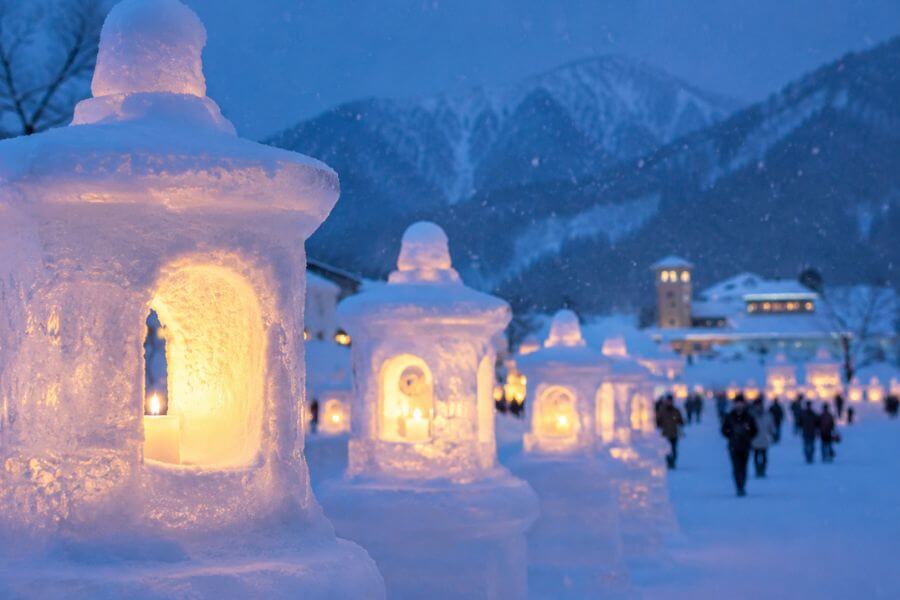
- Festivals Abound: From the massive ice sculptures in Sapporo to the glowing lanterns in small villages, you will find magical light and art across the country.
- Plan Your Layers: Pack thermal base layers, a waterproof outer jacket, and sturdy boots, as temperatures vary from mild in cities to subzero in mountain resorts.
- Relax in Onsen: After a day on the slopes, nothing beats soaking in a traditional volcanic hot spring bath to soothe your muscles.
- Transportation is Smart: Utilize the efficient Shinkansen (bullet trains) to move between major cities and ski hubs with speed and comfort.
Welcome to Your Winter Wonderland
Imagine stepping off a plane into a world where the air is crisp, the sky is a brilliant shade of blue, and everything you see is covered in a soft blanket of white. You are about to start a journey through Japan during its most magical season. While many travelers flock to the country for the cherry blossoms of spring, the winter months offer a different kind of beauty—one defined by world-class snow, glowing lanterns, and steaming bowls of local food.
Japan in winter is not just a destination; it is an experience that stays with you long after the snow has melted. Whether you are looking to carve your way down a mountain or wander through streets filled with giant ice statues, this guide will help you navigate your trip with confidence. You are going to discover why so many people return year after year to embrace the cold and find the warmth that exists in every corner of this unique nation.
Discovering the Magic of Japanese Snow
The secret to Japan’s winter charm is its snow. It is not just ordinary snow; it is legendary. Because of the cold winds blowing from Siberia across the Sea of Japan, the moisture picks up and dumps massive amounts of powder onto the mountains. This results in some of the most consistent and high-quality conditions for winter sports you will find anywhere on the globe.
Why the Powder is Different
When you ski in Japan, you will notice the difference immediately. The snow feels light, almost like dust. It does not pack down into heavy, icy layers as quickly as it does in other regions. This quality allows for smooth turns and a forgiving experience, even if you are still learning the basics of the sport. It is the kind of snow that makes you want to keep going back up the mountain until the very last lift closes.
The Best Regions for Snow
While you can find snow in many parts of the country, two regions stand out for their reliability and scale.
- Hokkaido: This northern island is the crown jewel for snow lovers. It gets the most snow and is home to famous resorts where the powder is consistently deep and light.
- Nagano and the Japanese Alps: Located closer to Tokyo, these mountains offer a mix of history and modern slopes. You can enjoy a morning of skiing and an afternoon visiting ancient temples or hot spring towns.
Your Guide to World-Class Skiing
If you love the mountains, you have come to the right place. Japan boasts hundreds of ski resorts, each with its own character. Some are massive, with plenty of nightlife and western-style amenities, while others are smaller, quieter, and offer a more authentic local vibe.
Comparing Top Ski Destinations
To help you decide where to go, look at this breakdown of popular choices:
| Destination | Best For | Vibe |
| Niseko | Powder Lovers | International, lively, many English speakers |
| Hakuba | Variety | Olympic history, large interconnected areas |
| Nozawa Onsen | Culture | Traditional village, great hot springs, social |
| Rusutsu | Families | Kid-friendly, less crowded, excellent amenities |
| Furano | Authentic Feel | Quieter, great for tree runs, local hospitality |
What to Expect at the Resorts
When you arrive at a Japanese resort, you will find that things run with impressive efficiency. Lift systems are well-maintained, and the food served at the base of the mountains is surprisingly high quality. Instead of just standard burgers, you might find yourself enjoying a hot bowl of ramen or a hearty curry rice dish between runs. It is common to see skiers and snowboarders heading straight from the slopes to a local hot spring to relax their legs before dinner.
Immerse Yourself in Snow Festivals
After you have had your fill of the mountains, it is time to shift your focus to the cultural side of winter. Japan celebrates the cold with incredible artistry. Snow festivals are held throughout the country, but the ones in the north are truly spectacular.
The Sapporo Snow Festival
This is the largest and most famous winter event in the country. Held every February, it transforms the city center into an open-air museum. You will see towering statues made of snow and ice, some as tall as buildings, depicting famous landmarks, characters, and historical scenes. At night, these sculptures are illuminated with colored lights, creating a scene that feels like something out of a fairy tale.
Smaller Festivals and Local Traditions
Beyond the big city events, look for smaller festivals in rural areas. These are often more intimate and give you a glimpse into local life. In towns like Yokote, you can find “kamakura” or snow houses. These are small igloos built by residents, often with an altar to the water god inside. You might even be invited to sit inside one, drink some sweet rice wine, and eat toasted rice cakes. It is a wonderful way to connect with the people and their traditions.
Preparing for Your Trip: Packing and Planning
To enjoy your winter adventure, you must pack with care. The weather can change from a sunny, calm morning to a snowy afternoon quickly. Your goal is to stay dry and warm without carrying too much weight.
The Layering Strategy
- Base Layers: Wear moisture-wicking synthetic or merino wool shirts and leggings against your skin. Avoid cotton, as it stays wet if you sweat.
- Mid-Layers: A fleece or a lightweight down sweater is perfect for trapping heat. You can take this off if you enter a heated building.
- Outer Shell: A high-quality, waterproof, and windproof jacket is your most important piece of gear. Make sure your pants are also waterproof, especially if you plan to play in the snow.
- Accessories: Do not forget a warm hat that covers your ears, waterproof gloves, and a neck gaiter or scarf.
Staying Warm Outside
If you find yourself getting cold while walking between sights, stop by a local convenience store. They sell small, portable heating packets called “kairo.” You can stick these to your socks or put them in your pockets. They provide hours of gentle heat and are a favorite tool for locals during the coldest months of the year.
Cultural Tips for a Better Visit
Visiting Japan is a rewarding experience, especially when you understand a few local customs. Politeness and respect go a long way in making your interactions smoother.
Etiquette in Onsen
If you visit a public hot spring, remember that this is a place of relaxation and cleanliness. You will need to wash yourself thoroughly in the shower area before entering the communal pool. Swimsuits are generally not allowed in traditional onsen. While this might feel new or strange at first, it is a standard practice and is considered a normal part of the social and health culture in the country.
Dining and Tipping
You do not need to tip in Japan. In fact, offering a tip can sometimes cause confusion. If you receive great service, a simple smile and a sincere “thank you” are the best ways to show your appreciation. When eating in restaurants, keep in mind that some smaller spots may be cash-only, so always keep some yen in your wallet.
Frequently Asked Questions About Winter in Japan
What is the best month to visit for snow?
February is widely considered the best time. You will get the most consistent powder for skiing, and it coincides with the peak of the winter festival season, including the famous Sapporo Snow Festival.
Do I need to speak Japanese to ski in Japan?
In major resorts like Niseko or Hakuba, you will find plenty of English-speaking staff, instructors, and signage. You can absolutely get by with English, though learning a few basic phrases like “thank you” or “excuse me” is always appreciated by the locals.
Is it necessary to rent a car?
For most travelers, the answer is no. Japan’s public transportation, including trains and local buses, is incredibly reliable and well-connected. Most major ski resorts offer shuttle services from the nearest train station. Driving in heavy snow can be challenging if you are not used to it, so relying on trains is usually the stress-free choice.
What should I do if the weather is too bad for skiing?
Japan has plenty of indoor options. You can explore local museums, visit temples that look stunning in the snow, or spend the day relaxing in a hot spring. Many cities also have large, covered shopping arcades where you can walk, eat, and shop while staying completely protected from the elements.
How much cash should I carry?
While Japan is becoming more card-friendly, some rural areas, small shops, and older inns still prefer cash. It is a good idea to keep at least a few thousand yen on you at all times for small purchases, bus fares, or vending machines.
Are the winter festivals free to enter?
Most outdoor snow festivals, including the main sites of the Sapporo Snow Festival, are free to enter. Some special attractions, such as certain indoor workshops or ticketed performances, may have a small fee. Always check the official website of the specific festival you plan to visit for the most current details.