Key Takeaways
- The classic green physical card is fully available again across Tokyo and eastern Japan after a long pause due to global chip supply shortages.
- Travelers can instantly download a digital transit card directly onto their smartphones for a contactless experience before even landing.
- Special short-term visitor cards remain an alternative for tourists arriving at major Tokyo airports who still prefer holding a physical souvenir.
- These prepaid cards work interchangeably nationwide, allowing you to ride transit networks and pay for items at millions of shops from Tokyo to Osaka.
- Physical cards require cash for reloads at station terminals or convenience store registers, while digital versions connect straight to your phone wallet.
The Great Return of Japan’s Most Famous Transit Card
Imagine landing at a bustling Tokyo airport, your heart racing with excitement as you step into a world where futuristic skyscrapers rub shoulders with ancient wooden temples. You walk toward the train station, ready to plunge into one of the most advanced transit networks on the planet. But as you look at the complex map of colorful interlocking train lines above the ticket windows, a wave of confusion washes over you. How do you buy a ticket? How much does a single ride even cost?
For decades, the ultimate solution to this stress was a small piece of plastic known as the Suica card. Developed by East Japan Railway Company, this prepaid smart card allowed you to breeze through ticket gates with a simple tap. No calculations, no paper tickets, and no fumbling for loose change. It was an essential tool for any explorer.
Then, the world changed. A massive global shortage of computer chips brought production to a sudden halt. For an extended period starting in 2023, visitors arriving in the capital city were greeted by signs explaining that these standard green physical cards were completely unavailable. It forced travelers to hunt down special temporary versions or figure out digital alternatives on their phones. Navigating the transit system became a bit of a puzzle for anyone who preferred traditional plastic cards.
We have fantastic news for your travel planning. The classic green card has officially made its triumphant return. The supply lines have stabilized, production has fully resumed, and those beloved physical cards are once again waiting for you at major transit hubs.
This deep-dive guide will walk you through the current landscape of public transit payment methods in the land of the rising sun. You will discover exactly where to find these physical cards, how the digital versions function, and how to use them like a seasoned local. Whether you are planning a short vacation or an extended trek across multiple islands, mastering this tap-and-go system will transform your daily adventures.
What Exactly Is an IC Card?
Before diving into the logistics of how to get your hands on one, let us break down what this technology actually does. In Japan, these prepaid transit items are universally referred to as IC cards, which stands for integrated circuit cards. They contain a tiny computer chip and an antenna embedded inside the plastic wrapper.
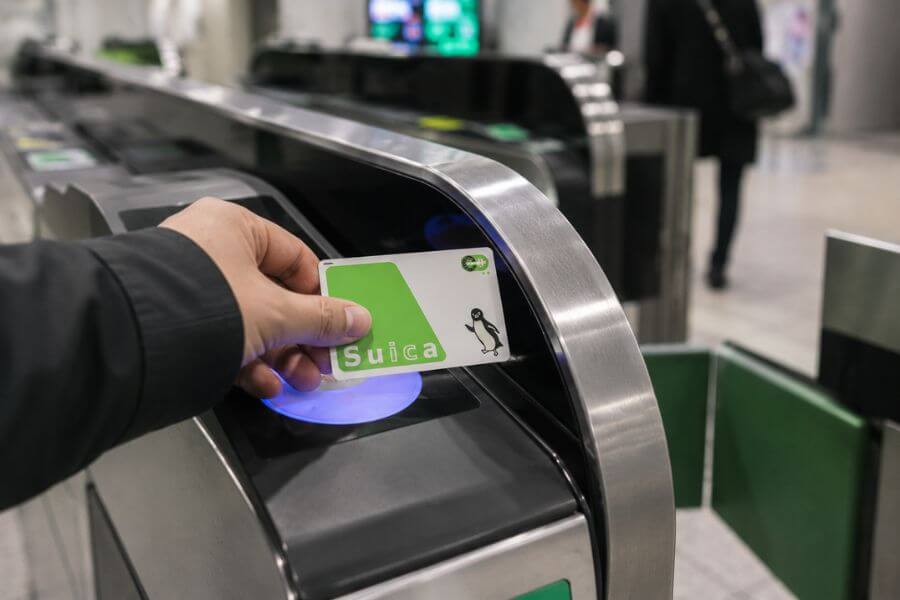
When you approach a ticket gate at a train station or subway stop, you do not slide the card into a slot. Instead, you merely hold it over a glowing blue crystal reader for a brief moment. The reader uses radio waves to communicate with the chip inside your card, instantly calculating your fare, deducting the correct amount from your stored balance, and opening the plastic gate panels before you even break your walking stride.
The beauty of this system goes far beyond local commuter trains and subway lines. These cards have evolved into a massive electronic currency network. You can use them to buy a hot can of coffee from an outdoor vending machine on a chilly morning, pay for a quick lunch at a noodle counter inside a station, secure a storage locker for your heavy luggage, or settle your bill at millions of retail stores across the country.
The biggest benefit of using an IC card is the elimination of administrative friction during your holiday. Japan’s major cities are served by dozens of independent railway corporations and municipal transit authorities. If you rely on traditional paper tickets, transferring from a government-run line to a privately owned subway line often requires you to exit the gates, look up a new fare chart, queue up at a vending machine, and buy an entirely separate paper slip. With an IC card, the system automatically runs all the background math for you. You just tap your way through the transfer gates, and the network handles the rest.
The Physical Suica Card Is Back in Action
The absence of the standard physical card left a significant void for many travelers. While tech-savvy visitors quickly adopted smartphone alternatives, thousands of tourists still prefer holding a tangible object. A physical card does not rely on your phone battery staying alive through a long day of sightseeing, and it serves as a wonderful physical reminder of your journey once you return home.
As of 2026, the standard physical cards are widely available once more. You can walk into major rail hubs in the greater metropolitan area and purchase a brand-new card directly from automated kiosks or staffed customer service offices.
When you purchase a standard physical card in person, the minimum transaction amount is usually one thousand yen. It is vital to note that a fixed portion of this initial payment, specifically five hundred yen, is held as a refundable security deposit to cover the cost of manufacturing the plastic itself. The remaining balance is immediately credited to your account for transportation and shopping. For example, if you insert a two-thousand-yen bill into a station machine to purchase a new card, your card will come pre-loaded with fifteen hundred yen of spendable credit.
This standard green card is technically a permanent item. The funds you load onto the chip remain completely active for a full decade from the date of your last tap. If you fall in love with the country and plan to return a few years down the road, you can simply toss the plastic into your travel drawer at home and pack it for your next adventure without worrying about it expiring.
The Welcome Suica Alternative for Visitors
During the multi-year period when standard cards were out of production, railway authorities created a special alternative specifically designed for overseas visitors. This variant is known as the Welcome Suica card. Even though the standard green card is back on the shelves, this tourist-focused version remains a popular option for people landing at major international gateways.
The tourist version features a beautiful, stylized red design adorned with white cherry blossoms, making it look much more like a traditional Japanese souvenir than a commuter tool. Functionally, it allows you to do almost everything the standard card does. You tap it at the same train gates, use it on the same buses, and spend it at the same convenience store cash registers.
However, there are three massive administrative distinctions that you must understand before choosing this option over the standard version.
The Validity Window
The tourist version is built with a hard-coded expiration date. The internal chip remains functional for exactly twenty-eight days starting from the moment of purchase or first activation. Once that four-week window slams shut, the card instantly deactivates. The gate readers will reject it, and you will not be able to use it to ride a train or buy a snack ever again.
The Missing Deposit
Unlike the standard version, the tourist variant does not require you to pay a five-hundred-yen security deposit. Every single yen you hand over at the airport machine goes directly into your spendable balance. If you buy a ten-thousand-yen tourist card, you get exactly ten thousand yen of credit to use on your travels.
The Zero Refund Policy
This is the most critical detail to remember. When your vacation draws to a close, any funds remaining on a tourist card are completely non-refundable. If you accidentally leave three thousand yen on the card when you head to the departure lounge, that money is permanently gone. The rail company will not give you cash back for the unused balance. Therefore, if you choose this red floral card, you must monitor your account balance closely toward the end of your holiday and spend every last yen on souvenirs or airport snacks before boarding your flight home.
Step by Step Guide to Buying a Physical Card
Purchasing a physical card at a train station might feel intimidating if you do not speak the local language, but the computerized ticketing systems are designed with international travelers in mind. You can complete the entire process at an automated kiosk in less than two minutes by following a specific sequence.
Locating the Correct Terminal
Walk into any major station operated by the East Japan Railway network. Look for the long rows of automated ticket vending machines located just outside the main ticket barrier gates. You want to look for machines that feature a large, colorful logo matching the specific card brand, or kiosks that have a distinct green accent border around the screen display.
Changing the Interface Language
When you first approach the digital touch screen, the entire display will be covered in local characters. Look up at the very top right-hand corner of the display panel. You will see a dedicated button labeled with western text reading English. Tap that button immediately. The entire user interface will instantly shift into clear English prose.
Navigating the Card Menu
Once the language has shifted, look for a prominent main menu option on the touch screen that reads Purchase New IC Card or simply shows the card name. Tap that option. The screen will then ask you to choose between an unnamed card or a personalized card. For a standard tourist visit, selecting the unnamed card option is the quickest path forward, as it does not require you to type out your full name and local phone number using the on-screen keyboard.
Selecting Your Financial Amount
The machine will now present a grid of buttons displaying various initial cash amounts. These options typically range from one thousand yen up to ten thousand yen. Select the budget amount that matches your immediate travel plans. Keep in mind that five hundred yen of this selection will be automatically reserved for the structural plastic deposit if you are purchasing a standard permanent card.
Inserting Payment and Collection
The physical slots on the machine housing will begin to flash with green lights. Insert your paper currency or coins into the designated bill acceptor or coin hopper. While some newer terminals accept international credit cards for this process, many older machines scattered throughout local stations still rely entirely on physical cash. Once the machine verifies your funds, it will drop your brand-new, fully activated plastic card into the collection tray at the bottom of the console, along with any paper change you are owed.
The Rise of Digital and Mobile Transit Cards
If the idea of keeping track of another piece of plastic in your wallet sounds unappealing, you can completely bypass the physical printing process by shifting to a digital transit card. Smartphone integration has completely revolutionized the way people move through major urban centers.
For individuals who carry compatible smartphones, adding a digital transit card directly into your phone’s built-in digital wallet is incredibly smooth. You do not have to wait in line at an airport counter, you do not have to decipher a physical station machine, and you do not have to worry about carrying physical currency just to reload your card.
The operational user experience of a digital card feels like something straight out of a science fiction novel. When you walk through a train or subway gate, you do not even need to unlock your phone screen, open a specific application, or authenticate your identity with a fingerprint scan or facial recognition system. Thanks to advanced near-field communication protocols, you simply approach the gate and tap the top edge of your smartphone directly against the blue illuminated sensor pad. The gate processes the transaction instantly, your phone emits a subtle vibration or chime, and the digital display momentarily shows your remaining balance as you walk through.
Setting up a digital transit card can be done right from the comfort of your couch at home weeks before your flight departs.
Setting Up a Digital Card on Modern Devices
Open the built-in wallet application that came pre-installed on your smartphone operating system. Look for a small plus sign or an option that says Add to Wallet. From the menu of available card types, select the option labeled Transit Card.
A comprehensive alphabetical list of global transit systems will appear on your screen. Scroll all the way down until you reach the country section for Japan, or type the name of the specific card directly into the search bar. Tap on the card logo, hit the continue button, and select the exact amount of money you want to load onto the virtual chip. The system will process the payment using the credit or debit card already linked to your smartphone account, and within a few seconds, your brand-new virtual transit card will be ready for action.
Navigating the Foreign Credit Card Hurdle
While the digital pathway is incredibly convenient, there is one major technical quirk that catches many international tourists off guard. Over the past few years, certain major global credit card processing networks—particularly those based in North America—have implemented strict security measures regarding automated digital currency conversions.
When you attempt to load funds onto a digital transit card inside your smartphone wallet using a foreign-issued credit card, the transaction may occasionally fail with a generic error message stating that the card cannot be added or updated at this time. This is not a problem with your phone or the transit system itself; it is simply your home banking network blocking what it perceives as an unusual international digital cash advance.
If you encounter this frustrating issue, there are three smart ways to work around the roadblock.
- Try linking a card from a completely different payment network inside your wallet app, as some global card companies pass through the security filters much more smoothly than others.
- Attempt the digital top-up during regular daytime business hours in Japanese standard time, as certain banking servers undergo maintenance windows overnight that can cause international authentication requests to time out.
- Remember that even if you cannot load funds digitally using your phone’s wallet app, you can still take your smartphone to any physical cash reloading machine inside a train station or hand it to a clerk at a local convenience store to add cash balance manually to your digital account.
Suica vs. PASMO: Is There a Difference?
As you research transit options for your upcoming holiday, you will inevitably encounter another major brand name alongside the famous green mascot: a bright pink card known as PASMO. This frequently leads to a lot of overthinking among first-time visitors, who worry that buying the wrong brand will leave them stranded on the wrong side of the city.
Let us clear up this confusion immediately. For a tourist exploring the country, there is absolutely no functional difference between a Suica card and a PASMO card. They are completely interchangeable.
This cross-compatibility is the result of a massive historic agreement known as the Nationwide Mutual Utilization Service. Ten distinct regional smart cards across the country were electronically linked into a single, unified transit network.
The distinction between the brands is purely administrative and down to corporate ownership. The green card is issued by the massive JR East corporation, which manages the sprawling surface train networks and the iconic loop line that circles central Tokyo. The pink card is managed by a consortium of private railway operators and municipal authorities who run the intricate subway networks cutting directly beneath the city streets.
No matter which plastic option you hold in your hand, or which digital card is loaded into your phone wallet, the operational rules remain identical. You can take a green card and tap it onto a pink subway gate, or take a pink card and use it to ride a green surface train. Both options are accepted at the exact same vending machines, the exact same convenience stores, and the exact same suburban bus lines. Your choice should come down entirely to which card type is physically or digitally closest to you when you land.
Navigating Beyond Tokyo: Regional IC Cards
Because the transit network is so seamlessly integrated, a card purchased in the heart of Tokyo will continue to be your best friend as you travel to other popular tourist destinations across the islands. However, if your itinerary skips the capital city entirely and lands you straight into a different cultural region, you will encounter local variants of the exact same technology.
The Kansai Region (Osaka, Kyoto, Nara)
If your flight touches down at Kansai International Airport, you will find yourself in the cultural heart of western Japan. Here, the dominant local card is known as ICOCA, which features a cute blue mascot. Just like its eastern cousins, this card can be purchased at any local rail terminal and used to explore the historic temples of Kyoto or the neon-lit food streets of Osaka.
The Central Region (Nagoya)
Travelers exploring the industrial and historic sites surrounding Nagoya will come across two local brands: TOICA, which is issued by the central national rail branch, and Manaca, which is utilized by the local private subway lines and city bus networks.
The Southern Region (Fukuoka and Kyushu)
If you venture down to the beautiful hot springs and culinary hubs of the southern island of Kyushu, you will be greeted by options like SUGOCA or Nimoca.
The magical takeaway here is that the mutual utilization system binds all of these regional variants together. If you buy a standard green card in Tokyo on day one of your trip, you do not need to exchange it or buy a new version when you take a bullet train down to Kyoto on day five. You simply step off the high-speed rail line, walk over to the local Kyoto city subway gate, tap your Tokyo card against the sensor, and continue your vacation without missing a single beat.
Where Can You Spend Your Stored Balance?
One of the most satisfying elements of traveling through the country is realizing just how far your transit card balance can take you outside of station turnstiles. The country has embraced these cards as a trusted form of daily electronic currency, turning your smartphone or plastic card into a powerful digital wallet.
Convenience Store Culture
The legendary convenience stores—locally known as konbini—are an essential part of the daily travel experience. Whether you are stepping into a 7-Eleven for a breakfast of savory rice balls, grabbing a late-night fried chicken snack at a Lawson, or purchasing a refreshing green tea at a FamilyMart, your transit card is accepted at the register. When it is time to pay, you simply look at the clerk and state the card name clearly, or point to the IC card icon displayed on the customer-facing payment terminal screen. Tap your card or phone against the checkout sensor, and the transaction finishes instantly.
The Vending Machine Network
The country is famous for having the highest density of automated vending machines on earth. You will find them standing proudly on remote mountain trails, tucked inside quiet residential alleyways, and lined up by the dozen along train platforms. Modern vending machines feature a prominent digital display panel showing an IC card logo. To grab a drink, you simply tap your card or phone against the glowing sensor panel first, watch the buttons illuminate, press the physical key for your chosen beverage, and catch the bottle as it drops into the delivery slot.
Coin Lockers and Station Services
Traveling with heavy luggage can quickly drain your physical energy. Fortunately, major train hubs are packed with extensive banks of automated coin lockers. Traditional lockers require you to carry a heavy pocketful of 100-yen coins, but modern electronic locker systems utilize your transit card as both the payment method and the physical security key. You place your suitcase inside an open locker, close the door latch, walk over to the central touch-screen terminal panel, select your locker number, and tap your transit card against the sensor to pay the fee. The system locks your bag away securely. When you return hours later to retrieve your gear, you simply tap the exact same card against the terminal, and your locker door automatically pops open.
Step by Step Guide to Reloading Your Card
Because these are strictly prepaid accounts, you will eventually run out of funds as you explore the country. Keeping your account topped up is incredibly straightforward once you understand where to go.
Reloading via Station Ticket Terminals
When your balance runs low, look for the automated ticket kiosks located near the entrance gates of any train station. Step up to a machine and insert your physical plastic card directly into the dedicated card slot, or place your smartphone face-up onto the designated flat reading tray built into the console frame. The screen will instantly update to show your current remaining balance down to the single yen. Tap the prominent button on the touch interface that reads Charge or Top Up. Select your desired cash amount from the visual menu grid, then slide your paper bills into the currency slot. The machine will instantly write the new funds onto your chip and return your card or phone.
Topping Up at Convenience Store Registers
If you are far away from a train station and notice your balance is running low, you can step into any convenience store to add funds. Walk directly up to the main service counter and catch the cashier’s attention. Hand your plastic card to the clerk, or hold up your smartphone display while stating the phrase charge please or using the local term chaji. The clerk will type a command into their point-of-sale terminal, and a list of dollar amounts will appear on the touch-screen panel facing you. Tap the specific financial amount you wish to add, hand over your physical cash bills to the clerk, and tap your card or phone against the counter terminal reader when the machine chimes.
Crucial Restrictions and Limitations to Keep in Mind
While the unified transit card network is incredibly versatile, it is not entirely flawless. There are three critical structural rules that catch many unsuspecting tourists off guard every year, occasionally resulting in confusing encounters at the exit gates.
The Single Continuous Journey Rule
The mutual utilization system allows a card from one city to work on the local tracks of another city, but it does not allow you to use an IC card to travel across separate regional boundary lines in a single continuous ride. For example, you cannot tap your card at a station gate in central Tokyo, board a regular long-distance commuter train, and attempt to tap out at a station gate in downtown Nagoya or Osaka. The geographic distances are handled by separate corporate regional servers that cannot communicate with each other mid-journey. If you are traveling between major metropolitan areas, you must purchase a dedicated long-distance ticket or use a high-speed rail pass. If you accidentally make this mistake, your card will lock up at the exit gate, and you will have to wait for a station agent to manually trace your route and clear your card history using a specialized desktop terminal.
The High Speed Rail Exception
Standard transit cards are strictly designed to pay for local transport, including city subways, urban buses, monorails, and regular commuter trains. They do not automatically cover the premium fares required to ride the iconic high-speed bullet trains, known as the Shinkansen, or special luxury limited-express sightseeing trains. If you want to ride a bullet train, you cannot simply tap your phone at the gate and hop on board. You must purchase a dedicated seat reservation and speed-fare ticket at a ticket office or through an official booking application first.
The Commuter Boundary Lock
Every individual card must maintain a perfectly balanced transactional history of entries and exits. If you tap your card to enter a station platform but change your mind and immediately try to walk back out through the exact same gate line, the turnstile will flash red and block your path. The computer system is programmed to prevent fare evasion and expects you to exit from a completely different station down the line. If you need to exit a station without riding a train, simply walk over to the glass window next to the turnstiles and hand your card to the station attendant. They will quickly delete the entry stamp from your chip history free of charge.
Maximizing Value: How to Handle Your Leftover Funds
As the final days of your unforgettable vacation begin to wind down, you will likely find yourself looking at your transit card balance and wondering what to do with the remaining funds. Your strategy should differ completely depending on which type of card you decided to use during your travels.
Managing the Standard Permanent Card
If you opted for a classic green permanent card, you have two great choices. Because the balance stays completely valid for a full ten years, you can simply tuck the plastic away safely in your passport wallet and save it for your next trip, or hand it off to a close friend or family member who is planning to visit Japan in the near future. Alternatively, if you want your money back immediately, you can walk into any staffed JR East ticket office at major hubs like Tokyo Station, Shinjuku Station, or the international airports. Hand the card to the customer service agent and request a refund. The system will calculate your remaining balance, deduct a small processing fee of two hundred and twenty yen, and return the rest of your money along with your original five-hundred-yen cash security deposit. It is a smart trick to spend your balance all the way down to exactly zero at a convenience store before requesting a refund, because if your spendable balance is zero, the rail company waives the processing fee entirely and hands you back the clean five-hundred-yen deposit bill.
Managing the Tourist Version
If you chose the red flower-patterned tourist card, your strategy must be completely aggressive. Remember, this card features a strict zero-refund policy and expires permanently after twenty-eight days. Leaving money on this card is equivalent to dropping cash onto the sidewalk. During your final forty-eight hours in the country, check your balance after every single train ride. If you find yourself at the airport terminal with an odd balance like twelve hundred yen left on your card, step into an airport retail shop or a convenience store before passing through security. Hand the clerk your tourist card and ask them to empty the entire remaining balance to pay for a box of local sweets or souvenirs, then settle any remaining balance on your purchase using standard cash or a regular credit card. This allows you to extract every single yen of value from your tourist card, leaving you with a beautiful, empty piece of plastic to mount inside a photo album at home.
Summary of Transit Card Options
Choosing the right approach depends entirely on how you like to travel and what technology you carry in your pocket. This overview highlights the key differences between the major choices available to you.
| Feature | Standard Physical Card | Welcome Suica Card | Digital Mobile Card |
| Card Availability | Fully available at major city stations | Available at major Tokyo airports | Available instantly via phone apps |
| Security Deposit | Requires a 500 yen deposit | No security deposit required | No security deposit required |
| Account Expiration | Valid for 10 years from last use | Expires after exactly 28 days | Valid for 10 years from last use |
| Remaining Balance | Refundable at staffed ticket offices | Completely non-refundable | Non-refundable to foreign banks |
| Reload Method | Cash only at station kiosks | Cash only at station kiosks | Digital cards or cash at stations |
| Best Suited For | Traditional travelers and long trips | Souvenir lovers and short visits | Tech lovers who want zero lines |
Making Your Decision
The return of the physical card selection brings peace of mind back to travel planning. You no longer have to worry about missing out on a seamless commuting experience or stressing over complicated paper ticket grids.
If you love the convenience of modern technology and want to hit the ground running the second you exit the arrivals gate, downloading a digital card onto your smartphone wallet before you leave home is an exceptional path. It eliminates queues completely and gives you instant control over your transport budget right from your screen.
On the other hand, if you prefer the reliability of a dedicated piece of plastic, want to save your smartphone battery for taking photos of breathtaking landscapes, or simply want a beautiful physical memento of your time exploring this incredible nation, walking up to a station kiosk to purchase a physical card is a delightful and traditional travel ritual. Whichever path you choose, you will be equipped with the ultimate key to unlock the cities, towns, and scenic railways of Japan.
Frequently Asked Questions
Is the standard physical card really back on sale for international tourists?
Yes, the classic physical cards are completely back on sale. The global computer chip shortage that heavily disrupted manufacturing for a long time has cleared up, allowing transit authorities to restock automated ticket kiosks and staffed customer service counters throughout the greater Tokyo metropolitan area and eastern rail networks.
Can I buy a standard physical card using my international credit card at a station kiosk?
While a small number of newly upgraded automated ticketing machines at major hubs like Tokyo or Shinjuku Station have begun rolling out credit card slots for card purchases, the vast majority of local station terminals still rely entirely on cash transactions. It is highly recommended to carry physical yen banknotes with you when you plan to buy or top up a physical card at a station.
What happens if my smartphone battery dies while I am using a digital card?
If your smartphone battery drains down to zero percent during a long day of sightseeing, a digital card will generally stop functioning at the ticket gates, as the phone requires a tiny reserve of baseline power to operate its internal near-field communication antenna. If you cannot turn your phone on, you will need to approach a station gate agent, explain your situation, and pay for your train fare using standard cash currency.
Can I transfer my physical card balance over to my smartphone wallet app?
If you purchase a standard permanent physical card, you can easily migrate that physical card and its existing cash balance directly into your smartphone wallet application by utilizing the import feature inside your phone settings. However, it is vital to know that doing this permanently deactivates the physical plastic chip, turning your physical card into a useless souvenir shell. Additionally, the tourist version cannot be transferred to a smartphone application under any circumstances.
Can I use my Tokyo transit card to ride local buses and subways in Kyoto and Osaka?
Yes, you can absolutely use your card across different cities. Thanks to a comprehensive national agreement connecting ten different regional networks, a card purchased in the capital city will work flawlessly on the local municipal bus lines, private subway networks, and regional commuter tracks throughout the entire Kansai region, as well as other major tourist destinations across the country.
Can I use my transit card to pay for a ride on the high speed Shinkansen bullet trains?
No, you cannot use a standard transit card balance to simply tap your way onto a high-speed bullet train. The Shinkansen lines operate on a completely separate premium pricing structure that requires specialized long-distance tickets and specific seat reservations. You must buy these tickets separately at a station office, an online booking platform, or a dedicated bullet train ticket machine.
What should I do if my transit card causes the gate turnstile to flash red and close?
If a gate turnstile blocks your path, it is almost always caused by an unbalanced travel history, such as failing to tap correctly at your starting station or trying to ride across a regional boundary line. Do not panic or try to force your way through. Simply take your card or phone over to the glass window next to the gates and hand it to the rail attendant, who will scan your chip and quickly fix the error.
Is there a penalty fee if I choose to return my physical card for a cash refund?
When you return a standard physical card to a staffed ticket office, the railway company will deduct a small processing fee of two hundred and twenty yen from your remaining spendable balance before handing back your cash. However, if you are smart and spend your card balance down to exactly zero yen at a convenience store first, the processing fee is completely waived, and the agent will hand you back your full five-hundred-yen security deposit in cash.