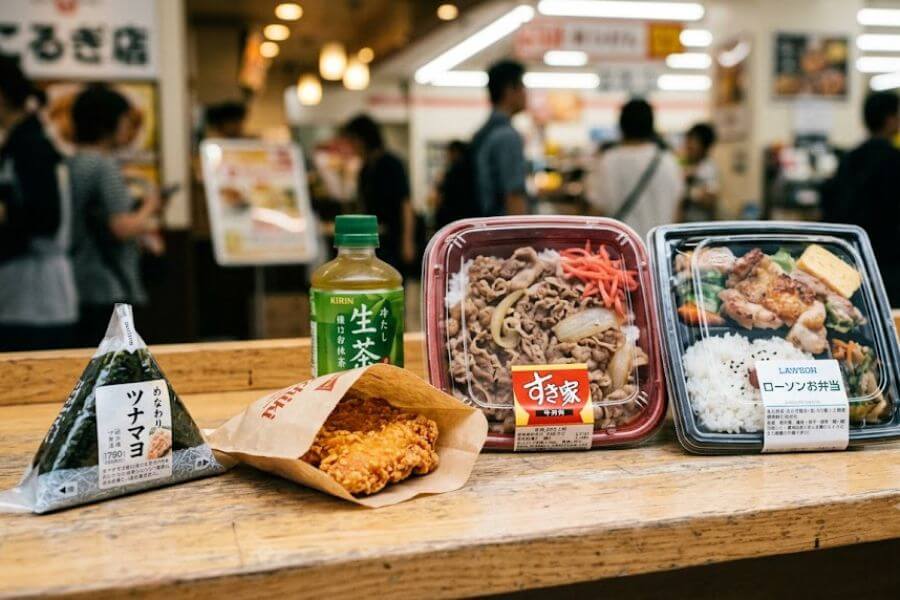
Traveling to Japan is an absolute dream, but watching your money disappear on pricey sushi dinners can quickly turn that dream into a stressful nightmare. Here is the best-kept secret about traveling through this amazing country: you do not need a massive bank account to eat like a absolute king. In fact, some of the most delicious, comforting, and filling meals are waiting for you right around the corner at your local convenience store or neighborhood fast-food joint. This ultimate guide will show you exactly how to navigate these cheap food heavens so you can keep your stomach full and your wallet happy.
Key Takeaway
You can eat incredibly well in Japan for under fifteen dollars a day by mixing quick meals from convenience stores (Konbini) like Seven-Eleven with hot dishes from Japanese fast-food chains like Yoshinoya and Matsuya. These spots offer high-quality, fresh, and deeply satisfying meals that save you time and money without sacrificing the authentic taste of Japan.
Master the Konbini Culture
Convenience stores in Japan are not just places where you buy gas and a stale bag of chips. Known locally as konbini, these brightly lit wonderland shops are a true way of life. The three giant chains you will see everywhere are Seven-Eleven, Lawson, and FamilyMart. Each one has its own special fan base, but all of them share one amazing trait: they serve fresh, delicious food twenty-four hours a day.
When you walk into a konbini for the first time, head straight for the refrigerated shelves. You will find a massive wall of plastic-wrapped meals that get restocked multiple times every single day. The staff will even offer to heat your meal up for you at the register, giving you a piping hot dinner in seconds. It is fast, it is incredibly cheap, and the quality will blow your mind.
The Legendary Onigiri
If there is one ultimate symbol of budget travel in Japan, it is the onigiri. These are cute, triangle-shaped rice balls wrapped in crisp sea kelp called nori. They usually cost between one dollar and two dollars each, making them the perfect snack or light breakfast.
The packaging is a brilliant work of art. The seaweed is separated from the rice by a thin layer of plastic wrap so it stays perfectly crunchy until you pull the tabs to open it. Look for these fan-favorite fillings:
- Tuna Mayo: Flaky tuna mixed with rich, creamy Japanese mayonnaise. This is a crowd pleaser that appeals to almost everyone.
- Salmon (Sake): Flaky, salted pink salmon tucked inside the center of the warm rice.
- Pickled Plum (Umeboshi): A sour, salty, and sharp traditional fruit filling that gives you a massive burst of flavor.
- Fried Rice (Chahan): Some rice balls do not have seaweed and are made entirely of seasoned fried rice mixed with tiny bits of pork or egg.
Bento Boxes for Big Appetites
When you need a full, heavy meal but only want to spend around four to six dollars, look for the bento section. These are beautifully arranged lunch boxes that feature a main protein alongside a bed of fluffy white rice and tiny side dishes like pickled vegetables or sweet egg omelets.
The variety is staggering. You can grab a chicken katsu bento, which comes with a thick, breaded chicken cutlet drenched in a sweet, savory brown sauce. Another top choice is the grilled salmon bento, featuring a perfectly flaky piece of fish that tastes like it came straight from a traditional kitchen. If you love noodles, you can grab boxes filled with cold soba buckwheat noodles or thick yaki udon stir-fry.
Hot Snacks by the Register
Never walk away from the counter without looking into the glowing glass display case right next to the cashier. This is where the hot fried snacks live, and they are dangerous because they taste amazing and cost next to nothing.
FamilyMart is world-famous for its Famichiki, a boneless piece of fried chicken that is so incredibly juicy and crispy it has a literal cult following. Seven-Eleven counters offer Karaage, which are bite-sized nuggets of Japanese-style fried chicken marinated in ginger and soy sauce. During the cold winter months, these cases fill up with Oden, a warming hot-pot soup where you can pick out individual items like boiled eggs, fish cakes, and daikon radish for less than a dollar a piece.
Dive into Cheap Fast-Food Bowls
When you want a sit-down meal with real bowls and metal utensils, skip the western burger joints and head into a Japanese fast-food chain. These places are lightning fast, clean, and ridiculously cheap. They specialize in donburi, which means a big bowl of fluffy rice topped with seasoned meats and vegetables.
The setup is usually simple. You walk in, sit at a counter, order from a touchscreen that has full English menus, and your food arrives in less than two minutes. It is the ultimate dining experience for tired travelers who want comfort food on a strict budget.
The Big Three Beef Bowl Chains
Japan has three massive rival chains that battle for the crown of the best Gyudon (beef bowl). These chains are Yoshinoya, Matsuya, and Sukiya. A standard bowl of beef and rice at any of these spots will cost you roughly three to five dollars.
The basic beef bowl consists of thinly sliced beef and sweet yellow onions simmered together in a savory broth made of soy sauce, dashi fish stock, and sweet rice wine. The meat melts in your mouth and coats the rice below in a rich, salty glaze.
+-----------+-----------------------+------------------------------------------+
| Chain     | Standout Feature      | Best Budget Add-On                       |
+-----------+-----------------------+------------------------------------------+
| Yoshinoya | Deep, traditional flavor| Raw egg yolk to mix into the hot beef    |
| Matsuya   | Free miso soup with bowls| Green onions and spicy chili bamboo shoots|
| Sukiya    | Massive variety of toppings| Melted triple cheese or triple-herb blend|
+-----------+-----------------------+------------------------------------------+
Matsuya Versus Sukiya
While Yoshinoya is the oldest and most traditional option, Matsuya and Sukiya offer incredible perks for budget hunters. Matsuya stands out because they give you a hot bowl of miso soup completely free with every single meal order. They also have an amazing selection of grilled pork sets that come with a side salad.
Sukiya is the king of variety. If you get bored of plain beef and rice, Sukiya lets you load your bowl with wild toppings. You can get beef bowls smothered in melted cheese, loaded with bright green scallions, or topped with a spicy Korean cabbage pickle called kimchi. They also serve an incredible Japanese chicken curry that is thick, dark, and highly filling for under five dollars.
Comfort Food on a Budget
Sometimes you just want something warm, deep, and deeply comforting after walking fifteen miles through the busy streets of Tokyo or Kyoto. Japan has built an entire food industry around quick, hot comfort dishes that keep construction workers, students, and budget travelers fueled up for very little cash.
Curry Houses for Deep Warmth
Japanese curry is very different from Indian or Thai curry. It is much thicker, sweeter, and tastes more like a rich, savory gravy. The ultimate champion of this style is a massive chain called CoCo Ichibanya, though locals just call it CoCo Curry.
At CoCo, you are the boss of your own plate. You use the menu to select your exact rice portion size, your preferred spice level from mild to meltingly hot, and your favorite toppings. A simple plate of plain curry rice costs around four dollars. If you want to splurge, you can add a crispy pork cutlet, boiled eggs, or cream croquettes for just a bit more. The portions are huge, meaning you will leave absolutely stuffed every time.
Cheap Udon and Soba Noodle Shops
If you want a lighter but equally satisfying meal, look for chains like Marugame Seimen. This is a self-service udon paradise where you can watch the chefs pull fresh, thick wheat noodles right in front of your eyes.
You grab a tray, choose your basic noodle bowl (like cold noodles with dipping sauce or hot noodles in a light fish broth), and then slide your tray along a counter filled with fresh tempura fried snacks. You can pick up fried sweet potatoes, squid, or giant vegetable clumps for about one dollar each. A full, beautiful meal here rarely crosses the five-dollar mark, and the chewy texture of the fresh noodles is absolutely world-class.
Sweet Treats and Bakery Bargains
You cannot forget about dessert or breakfast baked goods when calculating your daily travel costs. Thankfully, Japan treats its baked goods with extreme respect, meaning you can get bakery-quality items at standard convenience store prices.
Melonpan and Sweet Breads
Walk into any bakery section of a konbini or local grocery store and look for a round, bumpy pastry called Melonpan. Despite the name, it does not actually taste like melon. It gets its name because the crunchy, sugary cookie crust on top looks exactly like the skin of a cantaloupe melon. Inside, the bread is light, fluffy, and pillowy soft.
Other amazing sweet breads include Anpan, which is a soft roll stuffed to the brim with sweet red bean paste, and Cream Pan, which features a rich, yellow vanilla custard filling. These pastries usually cost around one dollar to one dollar and fifty cents, making them the ultimate cheap breakfast on the move.
The Famous Egg Salad Sandwich
You have probably heard rumors online about the legendary egg salad sandwiches from Japanese convenience stores. Those rumors are completely true. The Lawson version, wrapped in simple plastic, is famous worldwide for a reason.
The secret lies in two things: the quality of the bread and the richness of the eggs. The bread is called shokupan, a ultra-soft white milk bread with the crusts completely cut off. The egg salad filling is incredibly creamy because it uses Japanese mayonnaise, which is made only with egg yolks and rice vinegar rather than whole eggs. It is smooth, rich, pillowy, and costs less than two dollars. It makes a perfect mid-afternoon pick-me-up.
Smart Grocery Store Strategies
If you want to stretch your budget even further than convenience stores and fast-food chains, you need to find a local Japanese supermarket. These are usually tucked away in residential neighborhoods or located in the basement levels of massive train stations.
Supermarkets offer a hidden treasure trove for travelers who know how to time their visits. They have massive deli sections called osazu that feature freshly cooked meals, sushi platters, and fried sides that are already cheaper than konbini prices.
The Nighttime Markdown Magic
This is the ultimate insider trick for eating like a king on a shoestring budget. Japanese supermarkets hate wasting food, and they pride themselves on absolute freshness. Because of this, store workers walk down the deli aisles around seven or eight in the evening with a pricing gun to clear out the day’s stock.
They apply bright stickers to the bento boxes and sushi trays showing major price cuts. Watch closely for these steps to get the best deals:
- The First Wave: Around 6:30 PM, items get a ten percent to twenty percent discount sticker.
- The Golden Hour: Around 7:30 PM or 8:00 PM, the half-price stickers come out. Look for the characters 半額 (Hangaku), which literally means half price.
- The Prize: You can easily grab a beautiful, premium twenty-piece sushi platter that originally cost twelve dollars for just six dollars.
Stock Up on Bulk Snacks and Drinks
Vending machines are on every single corner in Japan, and while they are convenient, buying a drink for one dollar and fifty cents multiple times a day adds up quickly. Instead, use the supermarket to stock up on giant bottles of water, green tea, and sports drinks for a fraction of the cost. A large two-liter bottle of green tea at a supermarket often costs less than a tiny bottle from a street vending machine. You can also find massive bags of local snacks like matcha-flavored cookies or savory rice crackers to carry in your backpack during long days of exploring.
Frequently Asked Questions
Can I actually survive on just convenience store food in Japan?
You can absolutely survive and thrive on a pure konbini diet. Unlike convenience stores in many western countries, Japanese stores focus heavily on health, freshness, and variety. The meals are packed with real proteins, fresh vegetables, and high-quality rice. Many locals eat from these stores daily due to their busy work schedules. You could eat three meals a day at Seven-Eleven for a week straight and never eat the same item twice.
Is water free at Japanese fast-food restaurants?
Yes, water is completely free at almost every sit-down restaurant in Japan, including the ultra-cheap beef bowl chains and noodle shops. As soon as you sit down, a worker or a self-service machine will provide you with a cold cup of water or hot green tea. You can refill your cup as many times as you like without any extra charges on your final bill. This saves you from having to purchase extra drinks with your meals.
Do I need to leave a tip at these cheap food spots?
You should never leave a tip anywhere in Japan. Tipping is not part of the culture, and it can actually cause confusion or discomfort for the staff. If you leave extra coins on the counter at a Yoshinoya or a convenience store, the employee will likely run down the street after you to return the money you forgot. The price you see on the menu or the register screen is exactly what you are expected to pay.
How do I pay for my food at these budget locations?
Most convenience stores and major fast-food chains accept credit cards, smartphone payments, and local transit cards like Suica or Pasmo. However, some smaller noodle shops and local budget spots still use a ticket vending machine at the entrance that only accepts physical cash. It is always a smart idea to keep a few thousand-yen bills and loose coins in your pocket just in case you run into a cash-only ordering machine.
Are there healthy options available at convenience stores?
There are tons of healthy options if you look past the fried chicken counter. You can find pre-washed green salads with low-calorie dressings, cups of hot miso soup packed with seaweed, boiled eggs, grilled mackerel fillets, and packs of steamed chicken breasts. The nutritional information is clearly printed on the back of every item, making it very straightforward to track your intake while saving cash.