Key Takeaways
- Cherry blossom season, known as Sakura, is a profound cultural event in Japan that signifies the arrival of spring and the fleeting nature of life.
- The best time to experience the bloom is generally from late March to early April, though this shifts depending on the climate and geography from south to north.
- Hanami, the traditional practice of flower viewing, involves gathering with friends, family, or colleagues under the trees for picnics and celebration.
- Popular viewing spots range from historic temples and castles to sprawling city parks, each offering a unique atmosphere.
- Respectful etiquette, such as keeping noise levels appropriate and cleaning up after yourself, is essential to preserving these spaces.
- Preparation is vital, as this is the busiest travel season in Japan; booking accommodation and transportation well in advance is highly recommended.
Introduction to the Magic of Sakura
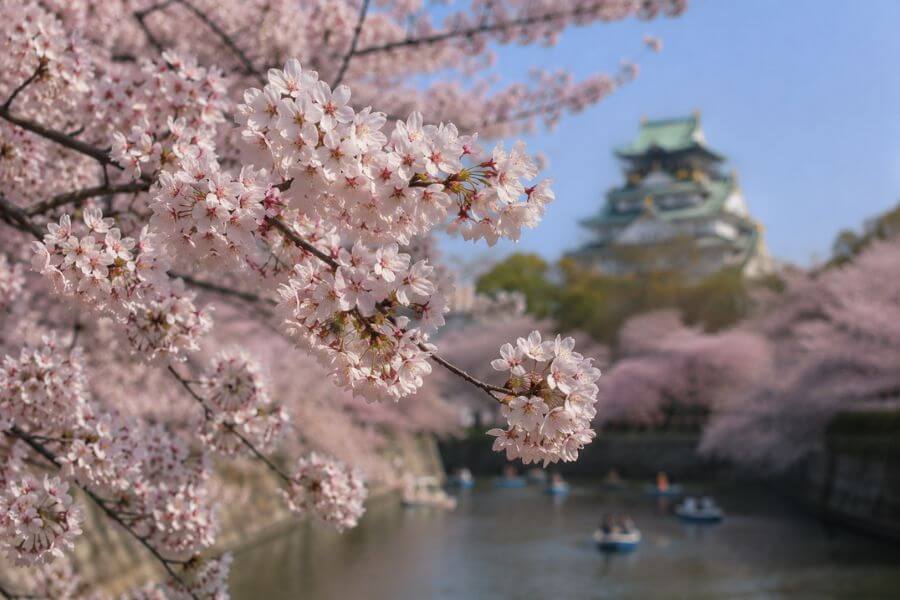
Imagine walking down a quiet path lined with soft, pink clouds floating above your head. As you breathe in the crisp spring air, a gentle breeze sweeps through, sending a flurry of delicate petals drifting toward the ground like snow. This is the world of Sakura, the Japanese cherry blossom. It is not merely a botanical occurrence; it is a moment in time that captures the collective heart of an entire nation. For a few weeks every year, Japan transforms into a soft pastel painting. People from all walks of life pause their busy routines to look upward, appreciating the sheer beauty of these trees before they fade away.
This season represents more than just the changing of the seasons. In Japanese culture, the cherry blossom serves as a poignant reminder that life is beautiful precisely because it is fleeting. The blossoms do not stay on the branches for long. Their brief existence encourages everyone to live in the present moment, to cherish the people around them, and to find joy in the simple act of standing beneath a canopy of flowers. Whether you have dreamed of visiting Japan for years or you are just now learning about this enchanting tradition, the experience of Sakura season is something that leaves a lasting imprint on the soul.
Understanding the Timing and Geography of the Bloom
Predicting exactly when the cherry blossoms will appear is a national obsession in Japan. Because the country stretches a long distance from the southern islands to the northern reaches, the flowers do not bloom all at once. Instead, they follow a path called the Sakura Zensen, or the cherry blossom front. This front moves northward as the temperatures rise, starting in the warmer southern regions and slowly making its way up to the cooler northern areas.
The timing is delicate. If the winter is particularly harsh, the buds may remain dormant for longer. If the spring warmth arrives earlier than expected, the trees may burst into color ahead of schedule. Most travelers aim for the end of March through the first week of April, as this is when the major cities like Tokyo, Kyoto, and Osaka usually see their peak bloom. However, if you miss the peak in the central regions, you can often chase the blossoms further north toward regions like Tohoku or Hokkaido, where the spectacle happens later in the season.
The Cultural Significance of Hanami
To truly understand the Japanese love for these trees, you must participate in Hanami. This word literally translates to flower viewing, but it is much more than that. It is a social ritual that has been practiced for centuries. During the Heian period, aristocrats would compose poems while sitting under the trees. Today, the practice has evolved into a joyous, communal celebration.
When you walk through a park during Hanami, you will see blue tarps spread out on the grass, occupied by groups of friends, families with young children, and coworkers sharing meals. The air is filled with laughter, the clinking of glasses, and the aroma of seasonal snacks. It is a time to break down social barriers. Even if you do not know the people sitting on the tarp next to yours, the shared appreciation of the blossoms creates a sense of connection. Participating in this is your chance to step away from the role of a tourist and become a part of the local rhythm.
Popular Destinations for Viewing
Choosing where to see the blossoms can be overwhelming because there are so many stunning locations. Each spot offers a different perspective on the beauty of the trees. Some places focus on historical architecture, while others emphasize the natural serenity of the landscape.
Historic Temples and Shrines in Kyoto
Kyoto is often considered the heart of traditional Japan. Here, the contrast between the pale pink petals and the dark, weathered wood of ancient temples is breathtaking. The Philosopher’s Path is a famous stone walkway that follows a canal lined with hundreds of cherry trees. Walking here feels like stepping into a different era. The reflection of the flowers in the water adds a layer of depth to the experience, making it a favorite for photographers and those seeking quiet reflection.
Urban Parks in Tokyo
In Tokyo, the blossoms take on a more modern character. Ueno Park is one of the most iconic spots in the city. It is vast, energetic, and filled with history. During the peak of the season, thousands of people gather here, creating a vibrant atmosphere that highlights the energy of the metropolis. Shinjuku Gyoen, on the other hand, offers a more tranquil escape from the city noise, with sprawling lawns and a diverse variety of cherry trees that bloom at slightly different times.
Castle Grounds Across Japan
There is something uniquely regal about a Japanese castle surrounded by a moat filled with pink petals. Himeji Castle, known as the White Heron Castle, is perhaps the most famous example. The white walls of the fortress rise above a sea of cherry blossoms, creating a view that is synonymous with the image of Japan itself. These sites are perfect for those who want to combine their love of history with the seasonal beauty of nature.
Essential Hanami Etiquette
When you join in the festivities, remember that you are a guest in a space that is deeply cherished by the local community. Being a mindful visitor ensures that these spaces remain beautiful for years to come. The first rule of Hanami is to leave no trace. If you bring food or drinks, take all your trash with you when you leave. Many parks have limited trash bins, so it is a good idea to bring a bag to store your waste until you find a proper disposal area.
Noise levels should also be kept reasonable. While Hanami is a time for celebration, it is also a time for respect. Avoid damaging the trees in any way. It is strictly forbidden to climb the branches, pull at the flowers, or shake the trees to make the petals fall. These trees are living treasures, and they require gentle care to continue providing their beauty. By following these simple guidelines, you show respect for both the environment and the people around you.
Preparation and Practical Tips
The Sakura season is the busiest time for tourism in Japan. This means that if you are planning a trip, you need to prepare well ahead of time. Start by looking into your travel arrangements at least six to nine months before your departure.
Booking Accommodations
Hotels in popular cities fill up very quickly during the bloom. If you have your heart set on a particular hotel, book it as soon as your travel dates are confirmed. If the main city hotels are full, consider looking for accommodations in smaller towns nearby that are easily accessible by train. This can often lead to a more authentic and quiet experience.
Navigating Transportation
Japan’s train network is exceptional, making it very easy to move between cities. If you plan to visit multiple regions, look into the various rail passes available. Keep in mind that local trains in popular viewing spots might be crowded during the season. Plan your travel during off-peak hours whenever possible to ensure a more comfortable journey.
Packing for the Weather
Spring weather in Japan can be unpredictable. You might experience warm, sunny days followed by cool, breezy evenings. Dressing in layers is the best approach. Bring a comfortable pair of walking shoes, as you will likely be spending a significant amount of time on your feet exploring parks and temple grounds. Do not forget a light jacket or a sweater for when the temperature drops after sunset.
Comparing Viewing Styles
Depending on what kind of experience you are looking for, the way you enjoy the blossoms will vary. To help you decide how to spend your time, consider the following comparison of viewing styles.
| Style | Vibe | Best For |
| Park Picnic | Festive and Social | Families and groups of friends |
| Temple Stroll | Quiet and Reflective | Solo travelers and couples |
| Night Viewing | Magical and Romantic | Photographers and evening outings |
| Castle Grounds | Grand and Historic | History buffs |
Frequently Asked Questions
What should I bring to a Hanami picnic?
You should bring a comfortable blanket or a tarp to sit on, as the ground can be cool or damp. Bring your favorite snacks and drinks. You can buy delicious bento boxes at local convenience stores or train stations, which are perfect for a picnic. Remember to bring a bag for your trash so you can dispose of it correctly when you leave.
Is it necessary to reserve a spot in the park?
In many popular parks, the best spots under the most famous trees are claimed very early in the morning by groups who arrive to hold their place. If you are traveling as part of a group, one person might need to arrive early to stake out a space. However, if you are a solo traveler or a couple, you can usually find a comfortable spot to stand or sit along the edges of the paths.
What is Yozakura?
Yozakura refers to viewing the cherry blossoms at night. Many parks and temple gardens illuminate their trees with lanterns or soft lights, creating an entirely different, almost magical atmosphere. It is a popular way to experience the flowers, especially after a long day of sightseeing, and it is a wonderful opportunity for night photography.
Will the cherry blossoms be at their peak during my trip?
Because the bloom depends on the weather, it is impossible to guarantee peak conditions. However, you can monitor the official cherry blossom forecasts that are published by various Japanese travel organizations starting in early spring. These forecasts provide updates on when the buds will open in different regions, allowing you to adjust your plans if necessary.
Are there any specific foods associated with Sakura season?
Yes, there are several treats that you will only find during this time of year. Sakura mochi is a sweet rice cake filled with red bean paste and wrapped in a pickled cherry leaf. You will also find drinks, snacks, and even limited-edition treats at convenience stores that feature cherry blossom flavors. Trying these seasonal items is a delicious part of the overall experience.