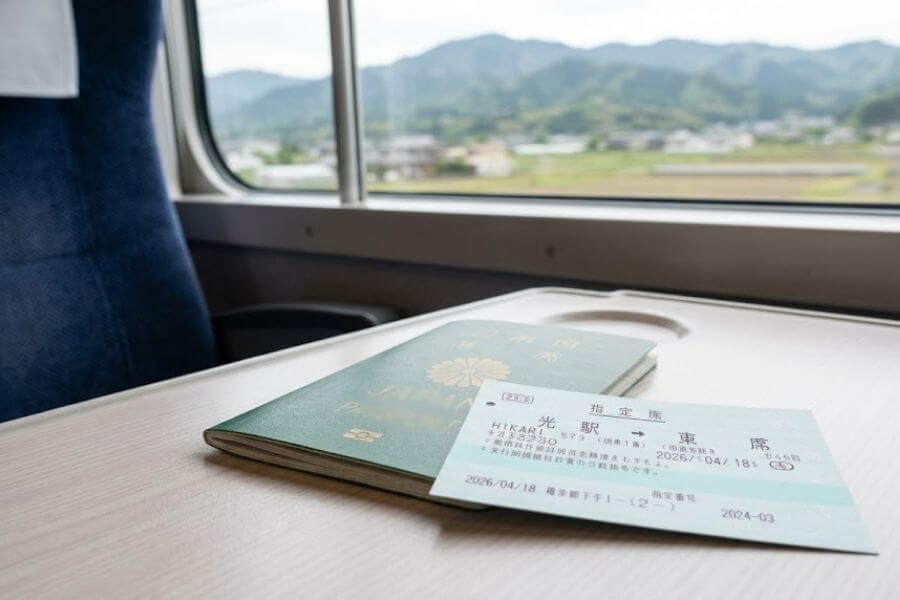
Planning a trip to Japan is an amazing adventure, but figuring out the train system can feel like solving a giant puzzle. For years, American travelers simply bought a nationwide Japan Rail Pass without thinking twice. Today, the rules have changed entirely, and picking the wrong ticket can cost you hundreds of extra dollars. This guide will walk you through the new train rules so you can save your money for delicious sushi and cool souvenirs instead.
Key Takeaways for American Travelers
Before diving into the fine details, here is the most important information you need to know about riding the rails in Japan today.
- The standard nationwide pass is rarely worth the money unless you plan to ride bullet trains almost every single day to very distant cities.
- Regional passes are the new smart choice for most vacations, allowing you to explore specific areas like Tokyo, Kyoto, or Hokkaido for a much lower cost.
- Buying individual train tickets online or at the station is often cheaper than buying any pass if you only plan to visit two or three major cities.
- Buying passes directly through the official website allows you to book seat reservations online before you even leave home and lets you use fast ticket machines at the station.
The Big Change in Japan Train Travel
To understand how to plan your trip, you first need to know what happened to the train ticket prices. A massive price increase completely shifted how tourists should travel.
Why the Old Advice is Outdated
If you talk to friends who visited Japan a few years ago, they will probably tell you to buy a seven-day nationwide pass. They will say it is a magical ticket that saves tons of cash. That used to be true, but it is no longer the case. The price of the nationwide ticket jumped up by roughly sixty-five percent. Because of this massive jump, the old strategy of buying a broad pass for a simple vacation will actually waste your money.
Understanding the True Cost
To make a nationwide pass worth your hard-earned cash, you have to travel massive distances in a very short window of time. For example, a standard seven-day nationwide pass costs fifty-three thousand yen when bought through travel agencies after recent updates. If you just want to travel from Tokyo to Kyoto and back within a week, buying individual tickets is far cheaper than buying that giant pass. You would need to add several more distant cities, like Hiroshima or northern areas, just to break even.
The Nationwide Japan Rail Pass Explained
Even though it is more expensive now, the nationwide pass is still a powerful tool for specific types of fast-paced travel. If you want to see the entire country from top to bottom in a few weeks, this is what you need to look at.
Pass Types and Pricing Breakdown
The main pass comes in three durations: seven days, fourteen days, and twenty-one days. It also comes in two styles of comfort. The Ordinary Pass is for standard seating, which is already very clean, quiet, and comfortable. The Green Car Pass is the first-class version, offering larger seats, more legroom, and a quieter environment.
The adult pricing depends on how and when you buy it. Purchasing through the official online portal gives you the best flexibility, while overseas travel agencies have slightly different rates. For a standard adult Ordinary Pass, a seven-day ticket costs fifty-three thousand yen through agencies. A fourteen-day ticket costs eighty-four thousand yen, and a twenty-one day ticket costs one hundred five thousand yen. Children between the ages of six and eleven travel for half the adult price, while kids under six usually ride for free if they sit on your lap.
What the Nationwide Ticket Includes
This ticket gives you unlimited rides on the massive rail network run by the Japan Railways Group. This includes the famous Shinkansen bullet trains that zoom across the countryside, local commuter trains inside big cities like the Tokyo Yamanote Line, and limited express trains that head into the mountains. It even covers the official ferry boat that takes you across the water to see the famous floating shrine gate in Miyajima.
Crucial Restrictions to Keep in Mind
You cannot just hop on absolutely any train you see. The two fastest bullet trains, named the Nozomi and the Mizuho, require you to pay an extra upgrade fee if you want to use them with your nationwide pass. These fast trains skip many smaller stops to get you between Tokyo and Osaka as fast as possible. If you do not want to pay the extra fee, you must ride the slightly slower bullet trains called the Hikari or the Kodama. These trains use the exact same tracks and go the exact same speed, but they make a few more stops along the way, adding about twenty to thirty minutes to your total journey.
Top Regional Rail Pass Alternatives
Since the nationwide pass is now a luxury option, regional passes have become the ultimate secret weapon for smart travelers. These tickets are issued by individual regional branches of the train network and focus on specific parts of the country. They offer incredible value because they cost a fraction of the price of the big nationwide ticket.
The New JR East Pass
A massive update introduced a refreshed option for exploring the stunning regions north and east of Tokyo. The brand-new unified JR East Pass is a dream come true if you want to see mountain resorts, snow country, and historic towns.
Instead of splitting the region into separate pieces like the old days, this single pass covers the entire Kanto region around Tokyo, alongside Tohoku, Nagano, and Niigata. It comes in two versions: a five-day pass for thirty-five thousand yen and a ten-day pass for fifty thousand yen. The ten-day version is an amazing tool for long-stay travelers who want to dive deep into traditional culture, visit hot spring villages, and view northern scenery without rushing through their vacation.
The Hokuriku Arch Pass
If you want to travel between Tokyo and the Kansai region where Kyoto and Osaka are located, but you want to avoid the high price of the nationwide ticket, this is the best alternative on the market. The Hokuriku Arch Pass allows you to travel between these major cities by taking a scenic northern loop instead of the direct southern route.
This seven-day pass costs thirty-five thousand yen for adults. It takes you from Tokyo up through the Japanese Alps to the coastal city of Kanazawa, which is famous for its preserved samurai districts and gorgeous gardens. From Kanazawa, the train brings you down into Kyoto and Osaka. This pass was recently expanded to include beautiful mountain towns like Matsumoto, making it a fantastic deal if you love old castles and alpine views.
The Kansai Wide Area Pass
For travelers who want to focus entirely on the cultural heart of Japan without spending much time in Tokyo, this pass offers some of the best value-per-yen in the entire country.
For just twelve thousand yen, this five-day pass gives you unlimited travel around Osaka, Kyoto, Nara, and Kobe. It even covers the bullet train tracks all the way west to Okayama and Kurashiki. It allows you to ride the super-fast Nozomi trains on that specific western line without paying any extra fees. This makes it incredibly easy to set up a base camp hotel in Osaka or Kyoto and take fast day trips to historic castles, deer parks, and ancient towns every morning.
The Kansai-Hiroshima Area Pass
If you want to stretch your western journey a bit further to see the deeply moving Peace Memorial Park in Hiroshima and the beautiful island of Miyajima, you should look at this expanded option.
Priced at seventeen thousand yen for five consecutive days, this ticket covers everything in the standard Kansai area and extends all the way down the coast to Hiroshima. Since a normal round-trip bullet train ticket between Osaka and Hiroshima costs more than twenty thousand yen on its own, this pass pays for itself the very moment you complete that single trip.
The JR Tokyo Wide Pass
If your vacation plans keep you centered around the neon lights of Tokyo but you still want to see Mount Fuji or experience real snow, this mini-pass is a perfect match.
This pass costs sixteen thousand yen and lasts for three consecutive days. It covers all the local lines inside Tokyo and stretches out to famous side destinations like the mountain temples of Nikko, the hot springs of the Izu Peninsula, the ski slopes of Yuzawa, and the lakeside viewing spots around Mount Fuji. Using this pass for just two day-trips out of the city will instantly save you cash compared to buying separate round-trip tickets.
Step-by-Step Mathematical Comparison
To prove how much the math matters, let us look at a realistic itinerary for a first-time visitor from America. Imagine you have a one-week vacation, and you want to visit the classic sights. You fly into Tokyo, stay for a bit, take a train to Kyoto, check out the food scene in Osaka, and then head back to Tokyo to catch your flight home.
The Cost of Individual Tickets
Let us break down the exact cost of buying separate point-to-point tickets for this classic Golden Route journey.
- From Tokyo Station to Kyoto Station on a reserved seat bullet train: fourteen thousand one hundred seventy yen.
- From Kyoto Station to Osaka Station on a local rapid train: five hundred eighty yen.
- From Osaka Station back to Tokyo Station on a reserved seat bullet train: fourteen thousand seven hundred twenty yen.
When you add these specific journeys together, your total transportation cost for the main inter-city travel comes out to exactly twenty-nine thousand four hundred seventy yen.
The Verdict on the Nationwide Pass
Now, let us compare that total to the cost of a seven-day nationwide Ordinary Pass, which runs fifty-three thousand yen.
If you choose the nationwide pass for this specific itinerary, you are spending fifty-three thousand yen for travel that only costs about twenty-nine thousand five hundred yen out of pocket. That means you are throwing away over twenty-three thousand yen per person. For a family of four, that is a massive mistake that ruins your dining budget. The nationwide pass only makes mathematical sense if you add a long-distance excursion, like a fast round-trip from Osaka down to southern Kyushu or up to the far north, within that same week.
The Smart Alternative Route
If you still want to see both Tokyo and the Kyoto area but want to save money, you can use the Hokuriku Arch Pass instead. That pass costs thirty-five thousand yen.
While it is slightly more expensive than buying basic individual tickets for the direct route, the Arch Pass allows you to stop over in beautiful places like Kanazawa and Matsumoto for no extra charge. It also covers your airport express trains into Tokyo, which easily makes up the small price difference. This shows how planning your route around a specific regional pass can open up new destinations while keeping your budget safe.
How and Where to Buy Your Train Tickets
Once you decide which ticket matches your vacation style, you need to know the correct way to buy it. The purchasing process has become much more electronic and modern.
Buying via the Official Reservation Website
The absolute best way to purchase a nationwide pass or regional JR East passes is through the official online reservation website run by the rail network. Buying here gives you immediate access to the digital seat booking system. This means you can log in weeks before your trip and reserve your specific seats on busy bullet trains, ensuring your family sits together. It also allows you to use the new automated ticket machines at the station.
Buying via Independent Travel Agencies
You can also purchase vouchers from authorized online travel sites and independent agencies before you leave America. When you buy from an agency, they mail you a physical voucher called an Exchange Order. You must bring this physical piece of paper to Japan and stand in line at a traditional ticket counter to trade it for your actual pass. Keep in mind that these physical agency vouchers are not compatible with the fast automated passport-reading ticket machines, so you will have to wait in the regular human lines.
Picking Up Your Tickets in Japan
Great upgrades have arrived for travelers collecting their official website purchases. You can now completely skip the long queues at the manned service windows.
If you bought your pass through the official website, you can walk up to a designated reserved-seat ticket machine inside the station. These specific machines are equipped with built-in passport scanners. You simply scan the digital barcode from your purchase confirmation email, scan your physical passport to prove you are a tourist, and the machine will instantly print out your rail pass and any seat tickets you pre-booked. This service is available at major hubs including Tokyo Station, Shinjuku, Shibuya, and the main arrival terminals at Haneda and Narita airports.
Tips for Riding Trains in Japan Like a Pro
Using the train system is an amazing experience because the trains are incredibly punctual, spotless, and fast. To blend in with the locals and avoid any stress, keep these practical tips in mind.
Navigating the Stations and Gates
When you arrive at the station gate, you will see rows of electronic turnstiles. If you have a physical rail pass, you insert the ticket directly into the slot at the front of the gate, walk through as it opens, and make sure to grab the ticket as it pops back up at the top of the slot. Never forget to take your ticket back, as you need it to exit at your final destination. If you are using local digital transit cards on your phone for non-JR lines, you simply tap your phone against the blue glowing sensor pad on the gate.
Finding and Booking Your Seats
Bullet trains offer both reserved seat cars and unreserved seat cars. If you have a rail pass, booking a specific seat is completely free. It is highly recommended to book ahead of time if you are traveling with children or during busy morning commute hours. If you are traveling along the Tokaido line between Tokyo and Kyoto, try to reserve a seat on the right side of the train when leaving Tokyo so you can get a stunning view of Mount Fuji as you speed past the mountains.
Managing Large Luggage
The rules for bringing giant suitcases on bullet trains are strict. If the total combined dimensions of your suitcase (length plus width plus height) add up to between one hundred sixty and two hundred fifty centimeters, you must reserve a specific seat that includes access to the designated oversized baggage areas. These storage spaces are located at the very back row of the passenger cabin or in locked compartments between the cars. If you bring a giant bag without making this free reservation ahead of time, the train staff can charge you a cash penalty and move your bag to a different area. If you want to avoid this hassle, consider using a local luggage delivery service to ship your large bags directly from your Tokyo hotel to your Kyoto hotel for a small fee.
Train Etiquette to Remember
Japanese trains are famously quiet and peaceful. To respect the local passengers around you, always switch your mobile phone to silent mode as soon as you step on board. Talking on the phone while inside the passenger car is considered very rude. If you must take a call, walk out to the open deck area between the train cars. Always use headphones when listening to music or watching videos on your digital devices. When it comes to snacking, eating and drinking is completely acceptable on long-distance bullet trains, where every seat has a tray table, but people generally avoid eating on local city subway trains where passengers sit face-to-face.
Frequently Asked Questions
Can I use a rail pass to travel on the local subways inside Kyoto and Tokyo?
Rail passes only cover lines operated by the Japan Railways Group. In Tokyo, the pass works perfectly on the major JR Yamanote loop line that connects huge districts like Shibuya, Shinjuku, and Akihabara. However, it does not cover the separate Tokyo Metro subway lines that cross through the center of the city. In Kyoto, most of the local transportation relies on city buses and the local municipal subway network, which are not run by JR. To ride these non-JR subways and buses smoothly, you should buy a digital prepaid transit card on your smartphone, which lets you tap through any gate instantly regardless of which company runs the line.
What happens if I accidentally lose my physical rail pass while traveling?
If you lose your physical ticket, it cannot be reissued or refunded under any circumstances. It does not matter if you have a digital receipt, a confirmation email, or a photo of the ticket on your smartphone. The physical ticket behaves exactly like cash. You must keep it safe in a secure pocket or wallet throughout your entire vacation. If it gets lost or stolen, you will have to pay full price out of pocket for individual tickets to finish your journey.
Do my young children need their own individual rail passes to ride the trains?
Children under the age of six do not need a ticket and can ride the trains for free, provided they sit on the lap of an accompanying adult. If a local train or bullet train is completely empty, it is usually fine to let them sit in an open seat next to you. However, if the train becomes crowded and other passengers need those spaces, your child must sit on your lap. If you want to guarantee that your young child gets their own dedicated seat on long bullet train rides, you must purchase a child pass for them, which is valid for kids aged six to eleven at a fifty percent discount.
Can American tourists buy a rail pass after they already land inside Japan?
Yes, you can purchase passes online after you land in the country by using the official online booking portal on your smartphone or computer. However, it is much smarter to purchase it before your flight leaves America. Buying it ahead of time gives you the peace of mind of having your confirmation barcodes ready to go, and it allows you to book your seat reservations well in advance, which is incredibly helpful if your vacation falls during a major holiday season.
Is the premium Green Car upgrade worth the extra cost for a family trip?
Standard ordinary cars on Japanese trains are already exceptionally clean, offer plenty of legroom, and provide a wonderful travel experience that is much nicer than standard economy seating on domestic American flights. The first-class Green Cars provide slightly wider seats, footrests, fewer rows per car, and a very quiet atmosphere. For families traveling with energetic younger children, the standard ordinary car is actually the better choice because it feels a bit more casual, and you will not have to worry quite as much about your kids breaking the strict silence of the premium first-class cabin.