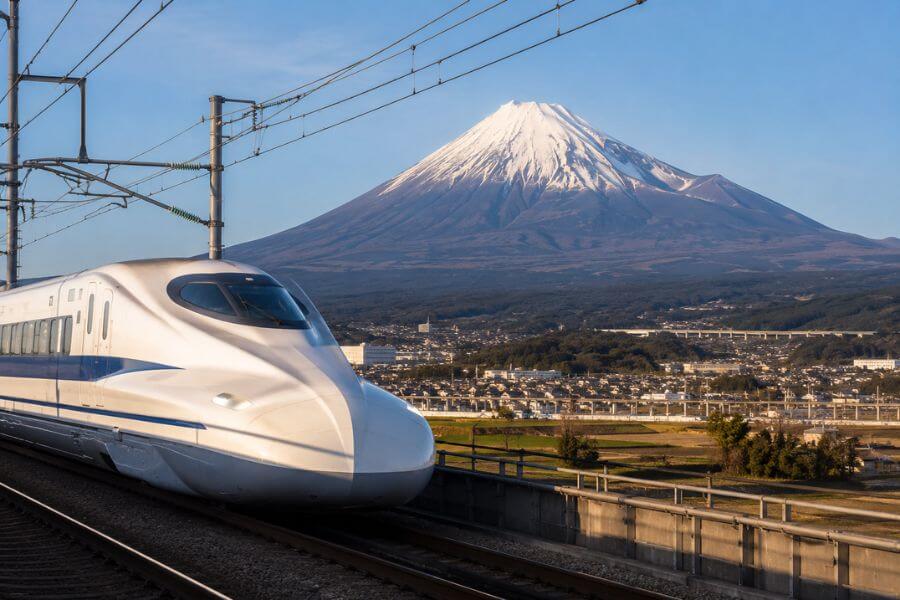
Key Takeaways
- Bullet trains allow you to leave the giant city behind and explore beautiful mountains, quiet beaches, or historic towns in less than two hours.
- You can buy special train passes that give you unlimited rides on these fast trains, which helps you save a lot of money.
- Buying a special lunch box at the train station to eat while watching the mountains fly past your window is a wonderful part of the travel experience.
- Planning your itinerary around specific train schedules ensures you have plenty of daytime hours to explore your chosen destination without rushing.
- Packing light and wearing comfortable walking shoes will make your walking tours through historic streets and nature trails much more enjoyable.
Tokyo is one of the most exciting cities in the whole world. It has tall buildings, amazing shops, and great food. However, sometimes the big crowds and loud noises can make you feel tired. You might want to see a different side of Japan, like quiet temples, green mountains, or fresh ocean air. The good news is that you do not have to move to a new hotel to experience these things. You can stay in your Tokyo hotel and take short adventures during the day.
The best way to do this is by riding the Japanese bullet train, which people in Japan call the Shinkansen. These trains are famous all over the world because they move very fast, they are always on time, and they are extremely clean. When you ride a bullet train, a trip that would take three hours by car takes less than an hour. This means you can wake up in Tokyo, eat breakfast on a train, spend a full day exploring a historic town or a mountain resort, and come back to Tokyo in time for dinner. This guide will show you the top destinations you can visit using these fast trains, with all the details you need for an unforgettable journey.
Karuizawa: A Cool Mountain Escape
If you want to escape the summer heat or see beautiful colorful leaves in the fall, Karuizawa is the perfect place for you. This town sits high up in the mountains of Nagano Prefecture. For more than one hundred years, people have gone to Karuizawa to relax because the air is cool and fresh. Even emperors and famous musicians have spent their summer vacations here.
How to Get There from Tokyo
Getting to Karuizawa is incredibly simple. You go to Tokyo Station or Ueno Station and board the Hokuriku Shinkansen line. The train ride is very fast, taking only about one hour and ten minutes. The train moves through long tunnels under big mountains. When you step off the train, you will immediately feel that the air is cooler and thinner than the air in Tokyo.
Things to See and Do
A great place to start your visit is the Old Karuizawa Ginza Street. This is a long, historic street filled with beautiful wooden buildings. You can walk down this street and look at many interesting shops. The shops sell local things like sweet apple jam, fresh honey, and handmade wooden crafts. There are also many small cafes where you can buy tasty milk soft-serve ice cream.
If you like nature, you should visit Kumoba Pond. People also call this place Swan Lake. It is a quiet body of water surrounded by many trees. In the spring and summer, the trees are bright green. In the autumn, the leaves turn bright red and yellow, and they reflect perfectly on the surface of the water. It takes only about twenty minutes to walk around the entire pond, making it a wonderful stroll for anyone.
Another amazing nature spot is the Shiraito Waterfall. The name means white thread waterfall. This name fits perfectly because the water does not pour down from a high river. Instead, water pushes out from underneath the ground through a long, curved black stone wall. The water looks like hundreds of thin white threads falling into a clear pool. The air near the waterfall feels cold and refreshing, even during the middle of summer.
What to Eat
Karuizawa is famous for its bakery shops. Many years ago, French priests lived in this town, and they taught the local people how to bake excellent bread. You can find many warm bakeries that sell fresh croissants and walnut bread. For lunch or dinner, you must try Shinshu Soba. These are cold noodles made from buckwheat that grows in the local mountains. The water in this area is very pure, which makes the noodles taste fresh and delicious.
Odawara: Castle History and Ocean Views
Odawara is a historic coastal city located in Kanagawa Prefecture. It sits right next to the blue ocean of Sagami Bay. For centuries, this city was a major stop on the old road that connected Tokyo with the ancient capital of Kyoto. It is a fantastic destination for anyone who loves Japanese history, old warrior stories, and beautiful traditional architecture.
How to Get There from Tokyo
You can catch the Tokaido Shinkansen from Tokyo Station or Shinagawa Station. You will ride the train called the Kodama, which stops at every station along the line. The journey from Tokyo Station to Odawara Station takes only thirty-three minutes. This makes it one of the shortest and fastest bullet train trips you can take from the capital city.
Things to See and Do
The main reason people visit this city is to see Odawara Castle. This is a beautiful white building with a tall gray roof, built to look exactly like the castles from the time of the samurai warriors. The castle is surrounded by a large park with a deep water ditch called a moat. To enter the park, you walk across a beautiful red wooden bridge.
Inside the castle, there is a large museum spread across several floors. You can walk up the stairs and look at old samurai armor, sharp swords, and historical maps. Each display has explanations that are easy to read. When you reach the very top floor, you can walk outside onto a balcony. From this high point, you get a beautiful panoramic view of the entire city and the blue ocean.
After visiting the castle, you can walk to the Odawara Wanpaku Land if you are traveling with family, or you can walk down to the coast. The ocean side of the city has nice walking paths where you can smell the salty sea air and watch fishing boats move across the water. The town also has a lovely old-fashioned shopping area near the train station where you can buy traditional crafts made from local plum trees.
What to Eat
Because Odawara is right next to the sea, the seafood here is incredibly fresh. You should try a dish called Kamaboko, which is a traditional Japanese fish cake. It is made by steaming white fish paste until it becomes firm. It has a mild flavor and a nice, chewy texture. The town also has many restaurants that serve fresh seafood rice bowls, where pieces of raw tuna, shrimp, and salmon sit on top of warm sushi rice.
Utsunomiya: The Dumpling Capital of Japan
Utsunomiya is the largest city in Tochigi Prefecture, located north of Tokyo. While some towns are famous for mountains or old temples, Utsunomiya is famous for something delicious: pan-fried dumplings, which are called gyoza in Japan. It is a lively city that offers a fun look into everyday Japanese urban life away from the main tourist paths.
How to Get There from Tokyo
To reach Utsunomiya, you will travel on the Tohoku Shinkansen line from Tokyo Station or Ueno Station. The trains on this line are bright green and white, and they move incredibly fast. The ride takes about fifty minutes. As you travel north, the view outside your window changes from tall gray city buildings to flat green rice fields and distant purple mountains.
Things to See and Do
The moment you arrive at Utsunomiya Station, you will see how much the city loves dumplings. There is even a statue shape of a dumpling right outside the station doors. Your main activity in this city will be a fun food walk. The city has more than two hundred restaurants that make these special treats, and many of them are located very close to each other.
If you want to see a historic site between your meals, you can walk to the Utsunomiya Castle Ruins Park. The original castle was destroyed long ago, but the city rebuilt parts of the thick white walls and two high watchtowers. The park has large green grass fields where you can sit and relax. There is also a small building inside the park where you can see models of what the city looked like hundreds of years ago.
Another interesting place is the Oya Stone Museum, located a short bus ride from the train station. This is a massive underground space where workers dug out special gray volcanic stone for decades. The underground area is so large that it looks like a giant hidden cathedral. The temperature inside this stone cavern is very cold, usually around forty-five degrees Fahrenheit, so you will need to bring a jacket even if it is hot outside.
What to Eat
You must spend your day trying different types of gyoza. The traditional style is Yaki-Gyoza, which are dumplings fried on a flat metal plate until the bottom becomes brown and very crunchy, while the top stays soft and steamed. Inside the thin dough wrapper, there is a juicy mix of minced pork, green cabbage, garlic, and ginger. You should also try Sui-Gyoza, which are dumplings served inside a hot, clear soup bowl. You can mix soy sauce, vinegar, and red chili oil to create your own dipping sauce.
Shizuoka: Green Tea Fields and Mount Fuji Views
Shizuoka City is located along the coast between Tokyo and Nagoya. It is the capital of Shizuoka Prefecture, a region that produces more green tea than any other place in Japan. This city is perfect for travelers who want to see beautiful agriculture, learn about the history of the rulers of ancient Japan, and get a chance to see the famous Mount Fuji on a clear day.
How to Get There from Tokyo
You will board the Tokaido Shinkansen from Tokyo Station. You can choose the Hikari train or the Kodama train. The Hikari train is faster because it skips a few stops, reaching Shizuoka Station in about one hour. The Kodama train takes about one hour and twenty minutes. If you sit on the right side of the train when leaving Tokyo, you might see Mount Fuji through your window during the ride.
Things to See and Do
One of the best places to visit in the city is Sumpu Castle Park. This park sits in the middle of the city and is surrounded by three wide water moats. This was the home of Tokugawa Ieyasu, the famous leader who united Japan in the year 1600. The city has carefully rebuilt the beautiful wooden gates of the castle using old methods without any metal nails. Inside the park, there is also a traditional Japanese garden called Momijiyama Garden, where you can walk around a pond and look at beautiful manicured bushes.
To see the famous views of the ocean and Mount Fuji together, you should take a short bus ride from the station to Nihondaira. This is a high hill that looks out over the deep blue waters of Suruga Bay. There is a beautiful modern walking path made of local wood called the Nihondaira Yume Terrace. From this deck, you can see a complete view of the green tea hills, the city below, and the snowy peak of Mount Fuji rising into the sky.
From the top of the hill, you can ride a ropeway car across a deep valley to the Kunozan Toshogu Shrine. This is a stunning historical site hidden in the forest on the side of a mountain. The buildings are painted with bright red, gold, and blue colors, and they feature beautiful carvings of birds, flowers, and mythical dragons. It is a very peaceful place where you can hear the wind moving through the tall cedar trees.
What to Eat
Since Shizuoka is the home of Japanese tea, you must try local green tea treats. You can visit shops that serve cold green tea ice cream with different levels of strength, from sweet and mild to dark and bitter. For your main meal, you should try Shizuoka Oden. This is a style of comfort food where skewers of fish cakes, boiled eggs, and daikon radish simmer for hours in a very dark, rich broth. Before you eat it, you sprinkle a special powder made of dried fish and green seaweed on top.
Nasushiobara: Hot Springs and Quiet Forests
Nasushiobara is a beautiful nature destination located in the northern part of Tochigi Prefecture. It is a vast area that includes deep river valleys, thick green forests, and volcanic mountains. This is the ultimate destination for people who want to spend a day in pure nature, away from all city concrete and neon signs.
How to Get There from Tokyo
You will take the Tohoku Shinkansen from Tokyo Station or Ueno Station. The train ride to Nasushiobara Station takes about one hour and fifteen minutes. Once you arrive at the station, the air feels completely different. To reach the deep forest valleys and the hot spring areas, you will need to take a local bus from the train station, which takes about thirty to forty minutes.
Things to See and Do
The main attraction of this area is the Shiobara Onsen village. This is a historic collection of hot springs located along a rushing mountain river called the Broom River. There are many traditional public baths where you can pay a small fee to soak in the hot, mineral-rich volcanic water. Many of these baths are outdoors, allowing you to listen to the sound of the river and look at the green trees while you relax in the warm water.
If you enjoy hiking, you should walk across the Seven Suspension Bridges of Shiobara. These are long pedestrian bridges made of strong steel and wood that stretch high across the river valley. The most famous one is the Mikaeri Suspension Bridge. When you walk across it, you get a spectacular view of the rocky riverbed below and the thick forest on both sides of the canyon.
The area also features beautiful walking trails that lead to hidden waterfalls. One easy trail leads to the Ryuka Waterfall, which flows down through three steps of black rock hidden inside a dark green forest. The trail has wooden walkways that make walking safe and comfortable. It is a fantastic place to take deep breaths of clean mountain air and enjoy the silence of nature.
What to Eat
Nasushiobara is famous for high-quality dairy products because the mountain area has many large cow farms. You must try fresh milk, rich cheese, and creamy yogurt cakes. The local restaurants also serve a unique dish called Soup Yakisoba. This is a bowl of pan-fried noodles with cabbage and meat, but it is served inside a hot, savory soy sauce broth. It is a warm and comforting meal, especially after a long walk in the mountain forest.
Echigo-Yuzawa: Snow Fields and Sake Tasting
Echigo-Yuzawa is a famous town located in Niigata Prefecture, on the side of Japan that faces the Sea of Japan. This region receives some of the heaviest snowfall in the world during the winter months. In the spring and summer, the snow melts and turns into crystal-clear water that helps grow the best rice in the country.
How to Get There from Tokyo
You will ride the Joetsu Shinkansen from Tokyo Station. This train route is famous because it passes through a very long tunnel under the Tanigawa mountain range. When you enter the tunnel, the weather might be sunny and clear in Tokyo. When you come out of the tunnel on the other side, you will find a completely different world. The train trip takes only about one hour and twenty minutes to reach Echigo-Yuzawa Station.
Things to See and Do
If you visit during the winter months from December to April, the town is a paradise for snow lovers. There are several ski resorts located right next to the train station. In fact, one resort called Gala Yuzawa has its own bullet train station. You can step off the train, walk up an escalator, rent snow clothes and boots, and get on a cable car to go up the snow-covered mountains immediately. You do not even need to walk outside into the town.
In the warmer months of spring and summer, the green mountains are wonderful for walking. You can ride the Yuzawa Kogen Ropeway, which is one of the largest cable cars in the world. It carries more than one hundred people up to an alpine park located at the top of the mountain. Here, you can walk through beautiful gardens with thousands of mountain flowers and enjoy the cool breeze.
Inside the Echigo-Yuzawa train station itself, there is a giant store called Ponshukan. This place is a wonderland for adults who want to try Japanese rice wine, which is called sake. The shop has a long wall filled with more than ninety different sake vending machines. You pay a small amount of money to get a traditional small ceramic cup and five metal tokens. You can put a token into any machine you like to try a small pour of different local sake varieties.
What to Eat
Because Niigata Prefecture grows the finest rice in Japan, called Koshihikari, you must eat meals that feature this ingredient. The best choice is a giant rice ball called Bakudan Onigiri. These are made using fresh, warm rice and are as large as a person’s hand. You can choose different fillings for the inside, such as salty salmon, sour plum, or savory pork miso. The town is also famous for Hegi Soba, which are buckwheat noodles that contain a type of green seaweed, giving them a smooth texture and a light green color.
Comprehensive Destination Comparison
To help you decide which day trip fits your personal travel style and interests perfectly, you can review the important details of each destination below.
Travel Times and Main Features
- Karuizawa
- Train Line: Hokuriku Shinkansen
- One-Way Travel Time: 70 minutes
- Main Vibe: Cool mountains, boutique shopping, lush green forests
- Best Season: Summer (for cool air) or Autumn (for red leaves)
- Odawara
- Train Line: Tokaido Shinkansen
- One-Way Travel Time: 33 minutes
- Main Vibe: Feudal history, classic architecture, ocean breezes
- Best Season: Spring (for cherry blossoms around the castle)
- Utsunomiya
- Train Line: Tohoku Shinkansen
- One-Way Travel Time: 50 minutes
- Main Vibe: Food adventures, local city life, stone caverns
- Best Season: All year round
- Shizuoka
- Train Line: Tokaido Shinkansen
- One-Way Travel Time: 60 minutes
- Main Vibe: Green tea culture, historic shrines, Mount Fuji views
- Best Season: Winter or clear Spring days (for best mountain views)
- Nasushiobara
- Train Line: Tohoku Shinkansen
- One-Way Travel Time: 75 minutes
- Main Vibe: Pure nature, river canyons, hot spring soaking
- Best Season: Autumn (for brilliant valley colors)
- Echigo-Yuzawa
- Train Line: Joetsu Shinkansen
- One-Way Travel Time: 80 minutes
- Main Vibe: Snow sports, rice wine tasting, mountain peaks
- Best Season: Winter (for snow) or Late Spring (for alpine flowers)
Activity Profile and Budget Estimates
- Destination: Karuizawa
- Walking Level: Medium (mostly flat streets and easy pond paths)
- Cost Level: Medium to High (shopping and cafes can be expensive)
- Crowds: High on weekends, peaceful on weekdays
- Destination: Odawara
- Walking Level: Medium (some stairs inside the historic castle tower)
- Cost Level: Low (castle entry fee is cheap, train ticket is low cost)
- Crowds: Medium
- Destination: Utsunomiya
- Walking Level: Low to Medium (mostly walking between restaurants)
- Cost Level: Very Low (dumplings are some of the cheapest food in Japan)
- Crowds: Low for tourists, lively with local residents
- Destination: Shizuoka
- Walking Level: Medium to High (walking up shrine hills and viewpoints)
- Cost Level: Medium (includes bus rides and ropeway tickets)
- Crowds: Low to Medium
- Destination: Nasushiobara
- Walking Level: High (hiking across bridges and forest trails)
- Cost Level: Medium (requires local bus fares from the station)
- Crowds: Low (very peaceful and uncrowded)
- Destination: Echigo-Yuzawa
- Walking Level: High in winter (skiing), Medium in summer
- Cost Level: High in winter (gear rental), Low in summer
- Crowds: High during ski season, very quiet in summer
Practical Tips for Your Bullet Train Day Trip
Riding the fast trains in Japan is a wonderful experience, but it can feel overwhelming if you have never done it before. Following a few simple guidelines will help you travel smoothly and enjoy your day without any stress.
Buying Your Tickets
You can purchase your bullet train tickets at any major station in Tokyo, including Tokyo Station, Shinjuku Station, and Shibuya Station. Look for the green ticket offices or the green automatic ticket machines that have English language options. You can buy your tickets on the morning of your trip, but if you are traveling during a holiday week, it is smart to buy them one or two days before.
When you buy a ticket, you will have two choices: a reserved seat or a non-reserved seat. A reserved seat ticket costs a little more money, but it guarantees that you have a specific seat saved for you on a specific train. A non-reserved seat ticket is cheaper, but you must look for the specific train cars labeled non-reserved and find an open seat yourself. If the train is full, you might have to stand until someone gets off.
Using Train Passes
If you plan to take more than one day trip by bullet train, you should look into buying a regional train pass. The JR East Tokyo Wide Pass is an excellent option for international visitors. This pass gives you three consecutive days of unlimited travel on bullet trains and local trains in the regions surrounding Tokyo. It covers your travel to Karuizawa, Utsunomiya, Nasushiobara, and Echigo-Yuzawa. Often, the cost of just one round-trip ticket to a distant town is almost the same price as the entire three-day pass.
Finding Your Train Platform
Major train stations in Tokyo are huge, and they can feel like giant mazes. To find your bullet train, look for the bright Shinkansen signs. These gates are separate from the regular local train lines. You will need to insert your special bullet train ticket into the slot at the gate, and remember to grab it as you walk through.
Once inside the Shinkansen area, look at the big electronic screens. They show the train names, departure times, and platform numbers in both Japanese and English. When you get to your platform, look at the markings on the floor. They show exactly where each car door will stop. Queue up neatly behind the lines, as Japanese passengers always wait patiently in line for the train to arrive.
Train Etiquette
Riding the bullet train is very peaceful because people follow strict rules to keep the cars quiet and comfortable. You should turn your mobile phone to silent mode. If you need to make a phone call, you must walk to the small room between the train cars so you do not disturb other passengers. Speak in a quiet, low voice when talking to your travel companions.
Unlike regular city subways where eating is not allowed, it is a big tradition to eat and drink on the bullet train. You can buy an Ekiben at the station before you board. This is a special lunch box filled with delicious local food like rice, grilled fish, pickled vegetables, and meat. Each station has unique boxes that represent the flavors of that specific region. The train seats have small trays that fold down from the seat in front of you, just like on an airplane, so you can enjoy your lunch comfortably while watching the countryside roll past.
Frequently Asked Questions
Can I use a standard IC card like Suica or Pasmo to ride the bullet train?
No, you cannot simply touch your standard local transit card at the gate to board a bullet train. The bullet train system requires a special ticket because the fare is calculated differently and includes a speed charge. You must purchase a paper ticket from a machine or a ticket counter, or link your digital train pass to your transit account before you pass through the special gates.
Do I need to book my train tickets many weeks in advance?
For most regular days, you do not need to book your tickets weeks in advance. You can easily find open seats on the morning of your travel or the day before. However, if you are visiting Japan during major national holidays, such as Golden Week in late April, the Obon festival in August, or the New Year holidays, the trains become completely full. During these times, you should book your seats as early as possible.
Is there space to store luggage on the bullet train?
Yes, there is an open shelf above your seat where you can place small bags, backpacks, and medium suitcases. If you are traveling with very large luggage, you must book a special seat that includes access to the large baggage storage area at the back of the train car. However, since you are only going for a day trip, it is best to leave your large bags at your Tokyo hotel and carry only a small, lightweight daypack.
What should I do if I miss the specific train listed on my reserved ticket?
If you miss your train, do not panic. Your ticket is still valid for the same destination on the same day. You cannot get another reserved seat on a later train for free, but you can board any later train that runs on the same line and sit in the non-reserved cars. Just walk to the platform and wait for the next train that has non-reserved carriages.
Are there restrooms and food services available on the trains?
Yes, every bullet train has large, clean restrooms located in the areas between the passenger cars. Some trains also have small vending machines where you can buy cold drinks. On some major lines, a staff member pushes a small cart down the aisle selling coffee, green tea, ice cream, and snacks, though this service is becoming less common now. It is always safest to buy your drinks and snacks at the station before you get on the train.
Can I do these day trips if I do not speak any Japanese?
Yes, you can easily enjoy these trips without speaking Japanese. All major train stations have signs with English words and clear pictures. The train announcements inside the bullet trains are spoken in clear English, and electronic signs inside the cars show the name of the next station. Restaurant menus in tourist areas usually have color photos of the food, so you can simply point at what you want to eat.
Will the trains be delayed if the weather is bad?
Japanese bullet trains are famous for operating even during bad weather like heavy rain or snow. However, if there is an extreme weather event, such as a very strong typhoon or a major earthquake, the trains will stop running for safety reasons. You can check the live train status on English travel websites or look at the announcement boards at the station if you are traveling on a stormy day.