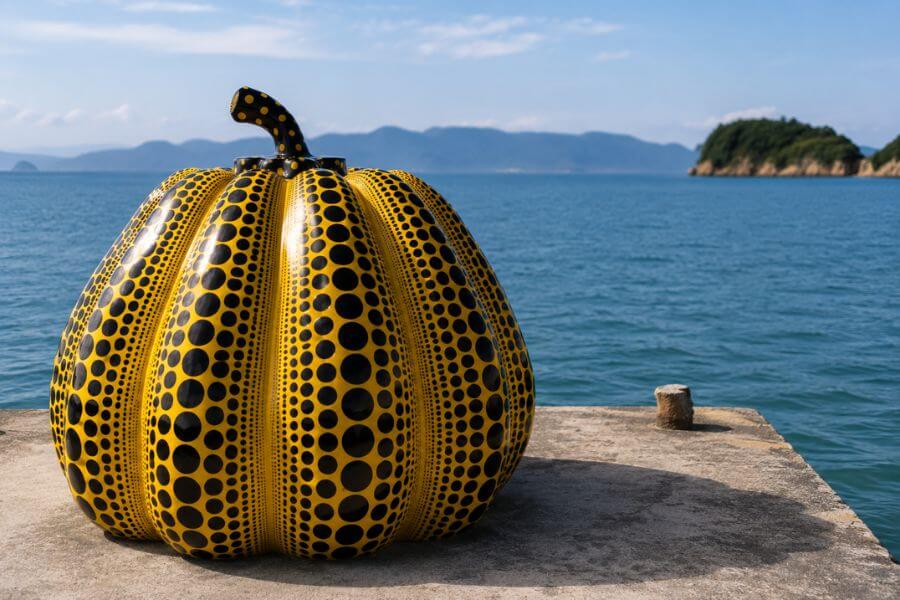
Imagine stepping onto an island where green hills meet the blue sea. Now, imagine that same island filled with giant colorful pumpkins, secret underground museums, and old houses turned into beautiful art projects. This is not a dream. This is what you experience when you visit Naoshima and Teshima. These two tiny islands sit in the Seto Inland Sea of Japan. Over the last few decades, they have changed from quiet fishing villages into world-famous destinations for people who love creativity and nature.
Visiting these places feels different from exploring big cities like Tokyo or Kyoto. There are no tall skyscrapers or busy trains here. Instead, you walk through quiet streets, look at the ocean, and discover beautiful things hidden in plain sight. This guide will help you plan your perfect trip to these magic islands, even if you are traveling here for the very first time.
Key Takeaways
- Plan Ahead: You need to buy tickets for major museums like the Chichu Art Museum online before you go, because they limit how many people can enter each day.
- Rent an Electric Bicycle: Both islands have many steep hills. An electric bike makes traveling between art sites fun and saves your legs from getting tired.
- Check the Calendar: Most museums on Naoshima close on Mondays, while Teshima museums usually close on Tuesdays. Always check the schedule before you book your stay.
- Bring Cash: Many small restaurants, local buses, and craft shops on the islands do not take credit cards.
- Stay Overnight: To fully enjoy the peaceful atmosphere after the daily tourists leave, spend at least one night on Naoshima or nearby Uno Port.
Understanding the Magic of Japan’s Art Islands
To truly enjoy your trip, it helps to know how these islands became so special. Many years ago, young people started leaving Naoshima and Teshima to move to big cities for work. The populations grew old, and the islands became very quiet. Then, a company called Benesse and a famous architect named Tadao Ando decided to bring life back to the area using contemporary art.
They did not build giant, flashy museums that ruined the landscape. Instead, they built structures that blend into the hills and underground. They repaired old wooden houses and let artists change the inside into modern exhibits. Today, when you walk around, you see how art, nature, and daily village life live together perfectly. Local grandmothers wave to visitors, fishermen pull in their nets next to famous sculptures, and travelers find peace away from the noisy modern world.
How to Get to the Islands
Getting to the islands is part of the fun. Because they are in the middle of the sea, you must take a boat. Most travelers start their journey from one of two ports on the mainland: Uno Port or Takamatsu Port.
Starting from Uno Port
Uno Port is located in Okayama Prefecture. It is the easiest starting point for many travelers because the train station is right across the street from the boat area. You can take a local train from Okayama Station to Uno Station, which takes about forty-five minutes. From there, you simply walk three minutes to the ferry terminal.
Starting from Takamatsu Port
Takamatsu Port is located on Shikoku Island. If you are already exploring the southern part of Japan, this is a great choice. The port is huge and very clean. It sits near Takamatsu Station, making it easy to reach by train or airport shuttle bus.
Choosing Between the Ferries and Passenger Boats
When you look at the boat schedule, you will see two types of boats. The regular ferry is big, moves slowly, and can carry cars and large trucks. It has plenty of space, indoor seating with tables, and an outdoor deck where you can look at the sea. The passenger boat is much smaller and faster. It only carries people, not cars or bicycles. It cuts your travel time in half, but the ride can feel a bit bumpy when the waves are high.
Boat Options from Main Ports
| Departure Port | Destination Island | Boat Type | Travel Time | Best For |
| Uno Port | Naoshima (Miyanoura) | Large Ferry | 20 minutes | Budget travelers and people carrying large bags |
| Uno Port | Naoshima (Miyanoura) | Fast Boat | 15 minutes | Travelers who want to start their day quickly |
| Uno Port | Teshima (Ieura) | Fast Boat | 40 minutes | Direct day trips to the smaller island |
| Takamatsu Port | Naoshima (Miyanoura) | Large Ferry | 50 minutes | Relaxing rides with great ocean views |
| Takamatsu Port | Naoshima (Miyanoura) | Fast Boat | 30 minutes | Saving time during busy morning hours |
| Takamatsu Port | Teshima (Ieura) | Fast Boat | 35 minutes | Going straight to Teshima from Shikoku |
Getting Around Naoshima
Once your boat drops you off at Miyanoura Port on Naoshima, you need a way to move from one side of the island to the other. Naoshima is small, but walking everywhere will take too long and make you very tired.
Renting an Electric Bicycle
This is the most popular way to see the island. Electric bicycles have a small motor and a battery. When you push the pedals, the motor helps you move forward with very little effort. This is wonderful because Naoshima has several large hills between the ports and the museum areas. You can find rental shops right across the street from Miyanoura Port. It is smart to reserve a bike online before your trip, especially during spring and fall.
Using the Island Bus
If you do not know how to ride a bicycle, or if it is raining, you can take the local community bus. These buses are painted with cute dots or drawings. They cost a small amount of money per ride, and you must pay with exact cash coins when you get off. The bus stops at the ferry port, the Honmura village area, and the gate of the Benesse House area.
Free Shuttle Buses inside the Art Zone
Once you reach the Benesse House area, regular town buses and bicycles are not allowed past a certain point to keep the area quiet and safe. Do not worry. Benesse runs a free shuttle bus that loops between the Yellow Pumpkin, the Benesse House Museum, the Lee Ufan Museum, and the Chichu Art Museum. Anyone can ride this bus for free.
Exploring the Main Areas of Naoshima
Naoshima is divided into three main neighborhoods. Each neighborhood has its own style, history, and types of art.
Miyanoura Port Area
This is your entry point to Naoshima. It is a lively area with bicycle rental shops, souvenir stores, a few cafes, and a convenience store. The moment you step off the ferry, you will see the famous Red Pumpkin created by the artist Yayoi Kusama. This pumpkin is unique because it is hollow. You can actually step inside it and look out through its black holes to see the ocean.
Another highlight in Miyanoura is the Naoshima Bath, known as “I love Yu” in Japanese. This is a real, working hot spring bathhouse, but the entire building is a giant art piece. The walls are covered in colorful tiles, strange pictures, and exotic plants. Inside the bath area, there is even a statue of a giant elephant. You can pay a small fee to take a warm bath here after a long day of sightseeing. Remember to bring your own towel, or buy a cute souvenir towel at the front desk.
Honmura Village Area
Honmura is a quiet, beautiful residential neighborhood where local people live. The streets are very narrow, and the houses are built from dark wood that has been preserved with smoke. This area is famous for the Art House Project. Artists took empty, historic homes, temples, and shrines and changed them into modern art spaces.
Walking around Honmura feels like a treasure hunt. You buy a single ticket at the local lounge, and then you use a map to find the seven different houses scattered across the village. One house features a dark room where your eyes must adjust before you see a soft light. Another house features a spectacular glass staircase that leads down into an underground stone chamber.
The Benesse House Museum Area
This area sits on the southern coast of the island and is dedicated to large museums and outdoor sculptures. The land here is green and beautiful, with high cliffs that look over the blue water. As you walk along the beach, you will find the iconic Yellow Pumpkin sitting on the edge of an old pier. This is one of the most photographed spots in all of Japan.
The museums in this area were designed by Tadao Ando. He uses smooth gray concrete, large windows, and geometric shapes. The buildings are designed to bring natural light inside, so the art looks different depending on the hour of the day and the weather outside.
The Must See Museums of Naoshima
You could easily spend days looking at every detail on Naoshima, but three museums stand out as absolute masterpieces that you should not miss.
Chichu Art Museum
The word “Chichu” means underground in Japanese. This museum is built almost completely inside the top of a hill. From the air, you can only see geometric openings in the green grass. The architect built it this way so the building would not ruin the natural beauty of the scenery.
Inside, there are no artificial lights. The entire museum uses natural sunlight that pours down through deep concrete courtyards. The museum only holds work by three artists: Claude Monet, James Turrell, and Walter De Maria. In the Monet room, you must take off your shoes and put on soft slippers. The floor is made of thousands of tiny white marble cubes. You stand in a bright white room and look at huge paintings of water lilies that Monet painted late in his life. The natural light makes the colors of the paint seem to change as clouds pass over the sun.
Benesse House Museum
This is a unique combination of a modern art museum and a luxury hotel. Even if you are not staying overnight at the hotel, you can visit the museum galleries. The building sits high on a hill, offering stunning views of the sea through giant glass walls.
The collection features art from both Japanese and international artists. Some paintings are huge, while other art pieces are sculptures that interact with the wind or light. One of the coolest parts of this museum is that art is not just inside the rooms. As you walk along the outdoor paths, down to the beach, or through the forest nearby, you will stumble upon hidden sculptures and stone structures.
Lee Ufan Museum
This museum is a collaboration between Tadao Ando and Lee Ufan, a famous artist from Korea who moved to Japan. It sits in a quiet, green valley near the ocean. The entrance features a tall concrete pole and a giant stone resting on a metal plate.
The art inside is very simple and minimalist. Lee Ufan uses large stones, iron plates, and simple brushstrokes on big white canvases. The museum is designed to be a place for quiet thought. There are no crowds here, and the silence allows you to listen to the sound of the wind outside while you think about the relationship between the natural stones and the manmade concrete structures.
Complete Guide to the Art House Project in Honmura
The Art House Project is a wonderful example of how old things can become beautiful again. Instead of destroying old houses that were falling down, the town gave them to artists. Let us look at the details of the houses you can visit.
Kadoya
This was the very first house completed in the project. It is a four-hundred-year-old house that was restored using traditional plaster and wood. Inside the main room, the artist created a shallow pool of water. Floating in this water are dozens of digital LED numbers that count down at different speeds. Local residents of the island actually chose the speed for each number, making the community a real part of the art piece.
Minamidera
This building stands on the site of an ancient temple that was destroyed long ago. Tadao Ando built a new wooden structure here, and artist James Turrell created the experience inside. You enter the building in complete darkness. A guide helps you walk along a wall until you sit down on a wooden bench. For the first few minutes, you cannot see anything at all. You feel a bit confused. But as your eyes adjust to the darkness over ten minutes, a soft, pale light begins to appear in front of you. Eventually, you can stand up and walk toward this mysterious light.
Kinza
Kinza is a small house located down a tiny alleyway. It is unique because only one person can enter at a time, and you get to stay inside alone for fifteen minutes. You must book this experience online before you arrive. The artist used traditional materials like mud, wood, and iron to create a quiet space where you can feel the passing of time without any distractions from other tourists.
Go’o Shrine
This is a real Shinto shrine that was rebuilt by an artist. From the outside, it looks like a beautiful, classic wooden shrine with one amazing twist: the staircase leading up to the main building is made of solid, clear optical glass cubes. The stairs look like blocks of ice. If you walk down a narrow path next to the shrine, a staff member will give you a flashlight and lead you into a dark underground stone tunnel. When you look up from inside the tunnel, you see that the glass staircase goes deep underground, connecting the dark cave to the bright sky above.
Ishiyui
This house used to belong to a local dentist. The artist filled the space with a mix of colorful paintings, old scrap metal, and interesting objects. The most surprising feature is inside the main room, where a giant, two-story statue of the Statue of Liberty stands right inside the house. It is fun, quirky, and very different from the quiet style of the other houses.
Gokaisho
The name Gokaisho means a place where people gather to play Go, a traditional Japanese board game. Inside this small house, you will see two rooms looking out onto a small garden with a camellia tree. On the tatami straw mats of one room, the artist has carved beautiful wooden flowers that look exactly like real camellias that have fallen from the tree outside. It plays a fun trick on your eyes.
Haisha
This is another house that was created out of an old dentist’s home and office. The entire structure is covered in different textures, including metal sheets, wood paneling, and neon signs. It feels like a giant collage that you can walk through, showing how different memories and eras can mix together in one space.
Introduction to Teshima Island
Teshima is the neighbor island to Naoshima, but it feels completely different. While Naoshima feels like a carefully planned art park, Teshima feels rural, wild, and deeply connected to agriculture. The island has a large mountain in the center, and the hillsides are covered in beautiful green rice terraces that drop down toward the sea.
Teshima has a sad history. Many years ago, companies illegally dumped industrial waste on the island, which hurt the environment. The local people fought hard for many years to clean up their home. Today, the island is completely clean, beautiful, and proud of its fresh water, tasty rice, and delicious fruits. The art on Teshima focuses on life, water, and the beauty of nature.
Getting Around Teshima
Teshima is bigger than Naoshima, and its hills are much steeper. You must plan your transport carefully so you do not get stuck on a mountain side.
Electric Bicycles on Teshima
Just like Naoshima, electric bikes are the best way to travel here. However, because the roads go up and down large mountains, you will use the electric battery power much faster. When you rent your bike at Ieura Port or Karato Port, make sure the battery is fully charged. Riding a bike down the winding mountain roads of Teshima with the wind in your face and the blue ocean below you is an unforgettable experience.
Island Shuttle Bus
Teshima runs a small shuttle bus that connects the two main ports, Ieura and Karato, with the Teshima Art Museum. The bus does not run very often, sometimes only once an hour. You must grab a paper schedule at the port terminal and watch the time carefully so you do not miss the last bus of the day.
The Marvel of the Teshima Art Museum
If you only have time to see one thing on Teshima, it must be the Teshima Art Museum. Many people say this is one of the most beautiful and moving places they have ever visited in their entire life.
The Design of the Building
The museum is a single concrete structure shaped like a drop of water that has fallen onto the ground. It was designed by architect Ryue Nishizawa and artist Rei Naito. The building has no pillars, columns, or walls inside. It is just a giant, open concrete shell. There are two large oval openings in the ceiling that are completely open to the air. The wind blows through, rain falls inside, birds fly in and out, and you can see the clouds and trees moving above.
The Art Inside
When you enter, you must take off your shoes and speak only in whispers. There are no paintings on the walls and no statues on display. The art is water itself. The smooth concrete floor is treated with a special water-repellent coating. Tiny holes in the floor release tiny drops of water. Because the floor is slightly curved, these water drops slide across the ground like little silver insects. They join together, form larger pools, and then disappear down other tiny holes.
Visitors sit or lie down on the cool concrete floor for hours just watching the water move, listening to the insect sounds from the forest outside, and feeling the ocean breeze. It is a deeply peaceful experience that connects you directly to the earth.
Other Amazing Art Sites on Teshima
While the main museum is the star, Teshima has several other incredible art installations hidden in its villages.
Les Archives du Coeur
This unique art project by French artist Christian Boltanski is located in a small wooden shack on a lonely, beautiful beach on the eastern edge of the island. The name means “The Heartbeat Archives.” Inside, the artist has recorded the heartbeats of tens of thousands of people from all over the world.
When you enter the main room, it is dark except for a single lightbulb that flashes to the rhythm of a loud heartbeat playing through giant speakers. It feels intense and emotional. You can use a computer to search for the heartbeats of people from specific countries, or you can pay a small fee to go into a private recording booth and add your own heartbeat to the collection forever.
Teshima Yokoo House
Located close to Ieura Port, this is an old house that was transformed by the artist Tadanori Yokoo and architect Yuko Nagayama. It is the opposite of the calm, quiet style of the other museums. This house is full of bright colors, especially red. The windows are made of bright red glass, which changes how the traditional Japanese garden looks outside. The garden pond is filled with colorful koi fish, and the bottom of the pond is lined with bright red tiles. It feels exciting, strange, and full of raw energy.
La Forêt des Murmures
This installation is hidden high up on a mountain path in the middle of a quiet forest. The artist hung hundreds of small glass wind chimes from the branches of the trees. Each chime has a small paper strip attached to it with the name of a person written on it. When the wind blows through the forest, the chimes make a soft, clear ringing sound. The music sounds like the forest is whispering secrets to you as you walk along the dirt path.
Comparing Naoshima and Teshima
Many travelers wonder if they should visit both islands or just pick one. While they are close to each other, they offer different adventures.
Comparing Island Features
| Feature | Naoshima Island | Teshima Island |
| Main Vibe | Structured art park, modern architecture, coastal walks | Rural countryside, farming villages, wild nature |
| Bicycle Riding | Medium hills, paved roads, easy for most people | Steep mountain roads, long distances, requires more stamina |
| Art Style | Large museums, famous sculptures, historic house transformations | Large installations about water, sound, and natural elements |
| Crowd Level | Can be very busy with tour groups and international travelers | Quieter, more peaceful, fewer shops and people |
| Food Scene | Many cafes, restaurants, and a convenience store near ports | Few local restaurants, requires checking lunch hours carefully |
| Time Needed | One full day to see the main sights, two days to see everything | One full day is perfect to explore at a relaxed pace |
Best Places to Eat on the Islands
Exploring art will make you hungry. The food on these islands is delicious, focusing on fresh seafood from the surrounding ocean and vegetables grown in the rich volcanic soil.
Dining on Naoshima
Near Miyanoura Port, you will find several small cafes serving classic Japanese comfort food like chicken curry, udon noodles, and fresh seafood bowls. A popular local dish is Naoshima ramen, which features a savory broth made from local fish and seaweed. If you are near Honmura village, look for cafes hidden inside old houses. They often serve set lunches on wooden trays with small bowls of rice, miso soup, pickled vegetables, and grilled fish.
Dining on Teshima
Food on Teshima is a celebration of the island’s farming history. The most famous place to eat is the Shima Kitchen. This restaurant was built by an architect who connected an old house with an outdoor wooden sun canopy. Local grandmothers work in the kitchen alongside professional chefs. They use vegetables picked from gardens down the street and fish caught by local boats that morning. Another great spot is the cafe attached to the Teshima Art Museum, where you can eat rice balls made from the rice grown in the beautiful green terraces right outside the window.
Important Planning Advice and Practical Tips
A trip to the art islands requires more planning than a normal day of sightseeing in a city. If you just show up without preparation, you might get left out of the best museums.
Buying Tickets Online
The Chichu Art Museum on Naoshima and the Teshima Art Museum require you to select a specific date and entry time online weeks before you travel. They do this to make sure the rooms never become too crowded, allowing everyone to enjoy the art in peace. Print your reservation or save the digital ticket on your phone so the staff can scan your code at the door.
Carrying Cash Money
While Japan is a modern country, small islands still love paper money and coins. The local buses do not accept transit cards like Suica or Pasmo. Many bicycle rental offices, small lunch cafes, and fruit stands only take cash. Make sure you withdraw plenty of Japanese yen at an ATM at a train station on the mainland before you board the ferry.
Handling Your Luggage
Bicycles and crowded island buses are not suitable for large suitcases. If you are doing a day trip, use the large coin lockers located at Uno Port or Takamatsu Port to store your heavy bags. If you arrive on Naoshima, there are luggage lockers at Miyanoura Port terminal, and some rental shops will hold your bags for a small fee while you ride your bike.
Respecting the Local People
It is easy to forget that these islands are not theme parks; they are real communities where elderly people live. Do not walk into private yards to take photos of old buildings. Do not ride your bicycle on narrow walking paths in Honmura village; park your bike in designated areas and walk. Always take your trash back with you, as there are very few public garbage cans on the islands.
Packing List for the Art Islands
To stay comfortable during your island adventure, make sure you pack these essential items in your daypack.
Comfortable Slip On Shoes
You will walk thousands of steps, but more importantly, you will take your shoes off and put them back on many times. Japanese museums, traditional houses, and restaurants require you to remove your footwear at the door. Shoes that do not have complicated laces will save you a lot of time and hassle.
Clothing for Sun and Rain
You will spend hours outside riding bikes or walking between outdoor sculptures. Bring a hat, sunglasses, and high-quality sun cream to protect yourself from the reflection of the sun off the ocean waves. It is also wise to pack a small, lightweight umbrella or a rain jacket, as island weather can change quickly.
Refillable Water Bottle
Riding an electric bike up steep hills under the summer sun will make you thirsty. While there are drink vending machines near the ports and villages, there are long stretches of road through the hills where you cannot buy anything. Keep a cold bottle of water with you at all times to stay hydrated.
Frequently Asked Questions
Do I need to buy museum tickets months before my trip?
Yes, for the most popular museums like Chichu Art Museum on Naoshima and Teshima Art Museum, it is highly recommended to buy tickets on their official websites at least one to two months before you travel. During busy holiday seasons like May or October, tickets can sell out within hours of being released online. If you do not have a ticket, you will not be allowed to enter.
Can I see both Naoshima and Teshima in a single day?
It is possible to stand on both islands in one day, but you will spend most of your time waiting for boats and rushing through exhibits without actually enjoying them. Each island deserves at least one full day. If you try to mix them together, you will miss out on the peaceful, relaxing feeling that makes these places so wonderful.
Is it easy to find vegetarian or vegan food on the islands?
It can be a bit difficult because traditional Japanese food uses fish stock in almost every soup and sauce. However, cafes like Shima Kitchen on Teshima and certain organic cafes in Honmura village on Naoshima can prepare vegetable dishes if you message them in advance. It is a smart idea to buy some snacks at a convenience store on the mainland before you board the ferry just in case.
What should I do if it rains heavily during my visit?
Do not worry, as many of the best art installations are inside buildings or underground. The Chichu Art Museum actually looks incredibly dramatic on a rainy day because the natural light changing through the ceiling openings creates a moody atmosphere. You can use the local island buses instead of renting a bicycle to stay dry while moving between sites.
Are the islands suitable for people who use wheelchairs?
The major modern museums like Chichu and Benesse House are modern and have elevators and ramps for accessibility. However, the Honmura village Art House Project and the mountain paths of Teshima can be very difficult because the historic streets are narrow, uneven, and involve climbing steep stone stairs.