Your Essential Tokyo Starter Pack: Key Takeaways
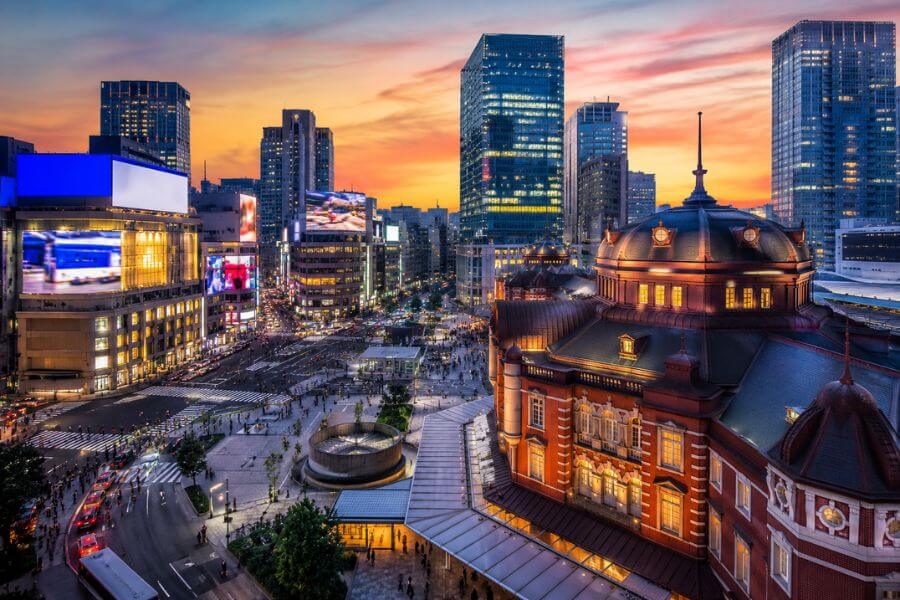
- Tokyo is a massive, vibrant, and welcoming city where the ancient world blends perfectly with futuristic technology.
- The city is divided into several major hubs, and your best strategy is to focus on one area per day to save travel time.
- Public transportation is your best friend; get a rechargeable IC card immediately upon arrival to navigate trains and buses smoothly.
- You do not need to speak Japanese to enjoy your trip, as most major areas have signs in English and helpful staff.
- Always carry a small bag for your trash, as public garbage cans are quite rare, and keep some cash on you for smaller shops.
- Make sure to wear your most comfortable walking shoes because you will be exploring a lot on foot.
- Respect local customs, such as being quiet on public transit and queuing patiently for trains or shops.
Introduction to the Tokyo Adventure
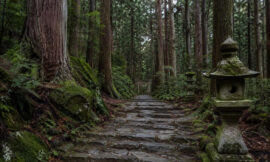
Stepping into Tokyo for the first time feels like walking onto the set of a high-energy movie. There is a sense of wonder in every corner, from the blinding lights of neon signs in Shinjuku to the silent, misty paths of ancient shrines hidden between skyscrapers. This city moves at its own pace, but it is a pace you can easily join once you understand the rhythm. As a visitor, you might feel overwhelmed at first by the sheer scale of the sprawl, but that is part of the charm. Tokyo is not just one city; it is a collection of unique neighborhoods, each with its own personality and heartbeat. This guide is crafted to help you navigate this massive metropolis without feeling lost, ensuring you see the famous landmarks while also finding those quiet moments of peace that make Tokyo truly special. You are about to embark on a journey through the heart of Japan, a place where the past is honored every day and the future feels like it is already here.
Day 1: The Electric Pulse of Shinjuku and Shibuya
Your first day should be about jumping right into the deep end. Start in the west, where the city feels the most alive.
Morning in Shinjuku
Begin your trip at the Shinjuku Station, which is arguably the busiest train station in the world. Head straight to the Tokyo Metropolitan Government Building. The observation decks here are free, and on a clear day, you can see all the way to Mount Fuji. It gives you a sense of scale that you cannot get from the ground. After soaking in the view, walk through Shinjuku Gyoen National Garden. It is a massive green space that feels like a world away from the surrounding concrete.
Afternoon and Evening in Shibuya
Head south to Shibuya. You have likely seen the famous Shibuya Crossing in movies or on television. Walking across it when the lights turn green is a rite of passage for every visitor. Once you have navigated the scramble, find the Hachiko Statue near the station. It is a small but moving tribute to the world’s most loyal dog. As the sun sets, explore the narrow alleys of Nonbei Yokocho, also known as Drunkard’s Alley. These tiny stalls offer a glimpse into the traditional Japanese bar scene, which is intimate and friendly.
Day 2: Culture and Calm in Asakusa and Ueno
After the chaos of the neon districts, shift your focus to the deep history of the city. This area is known as the Shitamachi, or the old downtown.
Exploring Asakusa
Senso-ji is the oldest temple in Tokyo, and it is a breathtaking sight. Enter through the massive Kaminarimon Gate, characterized by its giant red lantern. The path leading to the main hall, called Nakamise-dori, is lined with stalls selling traditional snacks and souvenirs. Try the freshly made ningyo-yaki, a small cake filled with red bean paste. It is a perfect quick snack while you walk toward the temple grounds.
The Museums of Ueno
Just a short ride away is Ueno Park. This area is the cultural hub of the city. You can spend hours wandering through the Tokyo National Museum to see swords, kimonos, and ancient pottery. If you prefer art, the Tokyo Metropolitan Art Museum is right next door. The park itself is beautiful, especially if you visit during the cherry blossom season, but it is a pleasant stroll at any time of year.
Day 3: Luxury and Style in Ginza and Tsukiji
Today is about the finer things in life, starting with the freshest food you will ever taste.
The Tsukiji Outer Market
Start your morning very early at the Tsukiji Outer Market. While the famous wholesale fish auction moved to a new site, the outer market remains the best place to eat sushi for breakfast. Wander through the stalls and grab a bowl of kaisendon, which is a bed of rice topped with the freshest sashimi you can find. It is an authentic experience that wakes up your senses.
The Glitz of Ginza
After your seafood feast, walk to Ginza, the premier shopping district. Even if you are not looking to buy high-end fashion, the architecture alone is worth the trip. Many of the flagship stores are designed by world-famous architects. Take time to visit the stationery stores like Itoya, which are wonders of organization and craft. In the afternoon, find a traditional tea house and enjoy a quiet bowl of matcha to balance out the busy shopping streets.
Day 4: Youth Culture and Pop Trends in Harajuku and Omotesando
Prepare to see a different side of Japan, one that is focused on self-expression and modern fashion.
The Colors of Takeshita Street
Harajuku is famous for being the epicenter of youth culture. Takeshita Street is the main artery here, and it is always crowded with people wearing bright, unconventional outfits. Look for the colorful crepes sold at various stalls; they are a staple of the area and come with every topping you can imagine.
Sophistication on Omotesando
Just a few blocks away, the mood shifts entirely. Omotesando is often called the Champs-Elysees of Tokyo. It is lined with zelkova trees and features high-end boutiques and minimalist cafes. This is where you go to see how modern design integrates with daily life. Take a moment to visit the Meiji Jingu Shrine, which sits right next to these busy streets. It is hidden within a massive forest, and the moment you pass under the wooden torii gate, the noise of the city completely disappears.
Day 5: Tech, Anime, and Retro Vibes in Akihabara
If you love technology, video games, or animation, this day will be the highlight of your entire trip.
The Electric Town
Akihabara is known as the Electric Town. The streets are lined with massive buildings dedicated to electronics, gaming consoles, and collectable figures. Even if you are not an expert on these topics, the sheer visual energy of the district is infectious. Visit one of the multi-story hobby shops and browse the aisles of miniature toys and character goods.
Kanda and the Retro Feel
Walk toward the nearby Kanda district to find a more traditional, academic atmosphere. There are many old bookstores here that have been around for generations. It is a great place to find vintage posters or books about Japan’s history. The contrast between the hyper-modern Akihabara and the quiet, bookish Kanda is a perfect example of how Tokyo holds onto its past while sprinting into the future.
Day 6: The Coastal Views of Odaiba
Odaiba is a man-made island in Tokyo Bay, and it offers some of the best views of the city skyline, especially at night.
Exploring the Waterfront
You can reach the island by taking a futuristic train across the Rainbow Bridge. Once you arrive, walk along the boardwalk to see the full skyline across the water. There is a giant replica of the Statue of Liberty here, which is a popular photo spot. You can also visit the various malls and entertainment centers that define the island’s modern identity.
Science and Tech Exhibits
Odaiba is also home to some of the most innovative museums in the city. The Miraikan, or National Museum of Emerging Science and Innovation, features exhibits on robots, space exploration, and the future of human technology. It is a fascinating look at where science is heading and how it might change our lives.
Day 7: Reflection and Last-Minute Treasures
On your final day, take it slow. Use this time to revisit a spot you loved or to pick up those last few souvenirs.
A Relaxing Morning
Head to a neighborhood you haven’t fully explored, like Yanaka, which is known for its old-town atmosphere and cats. It is a quiet residential area that survived the destruction of the wars, so it retains a look that has mostly vanished elsewhere. Walking through the Yanaka Ginza shopping street feels like stepping back in time.
Final Preparations
Spend your afternoon in a department store basement, also known as a depachika. These are food halls located on the lower levels of major buildings, and they are packed with high-quality prepared foods, sweets, and gifts. This is the best place to buy boxed treats to take home for friends and family. As the sun sets on your last day, find a high-floor bar or restaurant and look out over the city one last time to appreciate how far you have traveled in just one week.
Comparison of Tokyo Districts
| District | Vibe | Best For |
| Shinjuku | High-energy, neon, busy | Nightlife and city views |
| Shibuya | Trendy, fast-paced, youth | Shopping and landmark crossings |
| Asakusa | Traditional, historic, calm | Temples and old-school snacks |
| Akihabara | Tech-focused, geek culture | Games, electronics, anime |
| Ginza | Luxury, sophisticated, refined | High-end shopping and dining |
Frequently Asked Questions About Tokyo
Is it hard to get around Tokyo without speaking Japanese?
Not at all. Most train stations have signs in English, and the major tourist spots are well-marked. Many people working in service jobs can speak enough English to help you, and translation apps are very effective for anything more complex.
How much cash should I carry with me?
While many places now accept cards, Japan still relies heavily on cash for small shops, vending machines, and local temples. It is a good idea to have a few thousand yen on you at all times. You can easily withdraw more at most convenience store ATMs.
What is the best way to handle trash in public?
This is a very important part of local etiquette. You will notice there are almost no public trash cans. You should keep a small bag in your day pack for your own trash and take it back to your hotel to dispose of it properly.
Do I need to tip at restaurants or in taxis?
Tipping is not part of the culture in Japan. In fact, it can sometimes be seen as confusing or impolite. The price you see on the menu or on the taxi meter is the total price you should pay. Simply thank the staff and enjoy your meal.
Is it worth getting a transit pass for a one-week trip?
For a one-week stay mostly within the city, a rechargeable IC card like Suica or Pasmo is usually much more convenient than a multi-day rail pass. You simply tap and go, and it works on almost all trains, subways, and buses throughout the city.