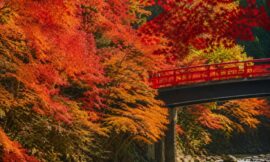
The best non-touristy alternatives to Kyoto for traditional culture are Kanazawa (Ishikawa Prefecture) for samurai and geisha heritage, Takayama (Gifu Prefecture) for wooden Edo-period architecture, and Kurashiki (Okayama Prefecture) for historic canal-side merchant districts. These cities preserve the exact same old-world charm as Kyoto but operate at a fraction of the tourist volume.
Why these cities rival the ancient capital
Kyoto is world-famous because its historic neighborhoods survived the bombings of World War II, but it is not the only city that escaped destruction. Kanazawa was also spared, meaning its sprawling geisha districts and genuine samurai quarters are completely authentic. Known historically as the “Kyoto of the North,” Kanazawa offers a preserved castle town layout, magnificent traditional lacquerware crafts, and Kenroku-en, which is widely considered one of the three most beautiful landscape gardens in the entire country.
Further into the mountainous interior, Takayama offers an atmospheric look at rural merchant culture. While Kyoto boasts grand imperial palaces, Takayama’s Sanmachi Suji district consists of three narrow streets packed tightly with dark, beautifully weathered wooden merchant homes from the Edo period. Because these locations sit slightly off the standard Golden Route train loop, they attract far fewer large tour buses. You can actually walk down a historic street here in the afternoon and hear nothing but the sound of your own footsteps.
A trio of crowd-free cultural alternatives
- Kanazawa (The Samurai Stronghold). Located on the coast of the Sea of Japan, this city features the stunning Higashi Chaya geisha district and the Nagamachi samurai neighborhood, where descendants of warriors still live behind mud-and-stone walls today.
- Takayama (The Alpine Hideaway). Nestled deep in the Japanese Alps, this town is famous for its morning riverside markets, century-old sake breweries, and pristine mountain air. It provides an intimate, cozy window into old-world mountain life.
- Kurashiki (The Canal-Side Sanctuary). Situated just west of Osaka, the Bikan Historical Quarter of Kurashiki features gorgeous white-walled rice storehouses dating back to the 1600s. The buildings line a weeping willow-fringed canal where you can take quiet wooden boat rides.
The regional transit trap to watch out for
The main reason these alternative cities remain peaceful and uncrowded is that they require a bit more intentional travel planning. The biggest mistake you can make is assuming you can easily hop between these destinations using a standard, fast bullet train.
While Kanazawa is easily reached via the Hokuriku Shinkansen line, getting to Takayama requires a slower, winding journey through the mountains on a local limited express train. Kurashiki requires a transfer onto a local commuter line once you exit the Shinkansen at Okayama Station. If you try to jam these hidden gems into a fast-paced trip without looking at the regional transit maps first, you will end up spending half your precious vacation sitting on train platforms instead of exploring temples. Pick just one of these cultural alternatives and give yourself at least two full nights to experience the town properly after the day-trippers go home.