Key Takeaways for Solo Female Travelers
- Japan is widely recognized as one of the most secure destinations for women traveling alone.
- The culture emphasizes personal space and respect, which naturally makes solo exploration comfortable.
- You can utilize women-only train carriages during rush hours to avoid crowded situations.
- Public transportation is reliable, punctual, and safe, making it perfect for independent navigation.
- Convenience stores are open all night and serve as excellent landmarks and safety anchors.
- Trust your instincts, keep your belongings close, and use official communication channels if you feel uncomfortable.
The Reality of Solo Female Travel in Japan
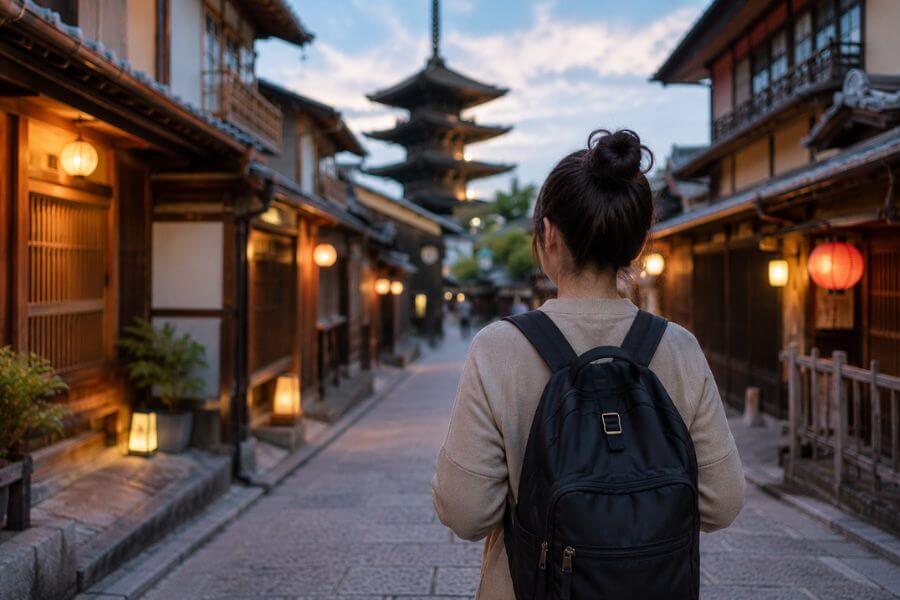
You are standing in the middle of a bustling Tokyo crossing. The lights change, the crowd surges forward, and yet, you feel entirely at peace. This is the Japan that awaits you. Many women dream of exploring this beautiful country on their own, but the question of safety often lingers in the back of their minds. Let me assure you right now: Japan is an incredible place for a woman to travel solo. You will find that the rhythm of life here respects your solitude. Whether you are walking through the ancient streets of Kyoto at sunset or navigating the neon-lit alleys of Osaka, the atmosphere is generally one of calm and consideration.
Safety is not just about the absence of danger; it is about the presence of peace of mind. When you travel through Japan, you will notice that people go about their business with a focus on harmony. This collective behavior extends to you as a visitor. You are not looked at as an oddity for eating a meal by yourself or walking through a park alone. In fact, it is a very common sight. This societal norm provides a sense of freedom that is rare in many parts of the world. You can sit in a quiet cafe, read a book, and enjoy your coffee without anyone bothering you.
Understanding Cultural Norms and Respect
To truly enjoy your time, it helps to understand the local ways. Japanese society values politeness and humility. When you interact with locals, a small bow or a friendly nod goes a long way. You do not need to speak the language perfectly to show respect. A simple thank you in Japanese is always appreciated. Because the culture is modest, it is helpful to keep your clothing neat and tidy. You do not have to dress in a specific way, but choosing modest outfits will help you blend in and feel more comfortable in traditional settings like temples or shrines.
The concept of public behavior is also quite distinct. People generally keep their voices low on public transit. You will notice that phone conversations on trains are discouraged. By following these small habits, you show that you are a mindful traveler. This level of awareness is not just about manners; it also helps you observe your surroundings more clearly. When you blend into the quiet flow of the city, you become a participant rather than just an observer. This makes your journey much more immersive and authentic.
Navigating Public Transportation Safely
Japan boasts one of the most efficient train systems in the world. For a solo female traveler, this is a massive benefit. You never have to worry about being stranded or feeling lost. The stations are clearly marked, and the arrival times are precise. If you are ever worried about traveling during peak hours, look for the pink signs on the platforms. These mark the women-only carriages. These cars are specifically designated to provide a bit of extra comfort during the morning and evening rush.
When you are on the train, you will see many people resting or reading. It is a very normal environment. If you ever feel uneasy or if a train car is too crowded for your liking, you can always wait for the next one or step into a different carriage. The sheer frequency of trains means you are never waiting long. Your navigation is further supported by technology. Having a map app on your phone will give you confidence as you hop from one neighborhood to another. You can see your route, check your platform, and feel in control of your movement at all times.
Finding Comfort in Convenience
One of your best friends in Japan will be the local convenience store, often called a konbini. You will find them on almost every corner, bright, clean, and open at all hours. If you ever feel tired, hungry, or just need a moment to regroup, stepping into a store is a great way to reorient yourself. You can buy a warm snack, grab a bottle of water, or even use the clean restrooms they provide.
These stores act as little safety hubs. Because they are always busy and well-lit, they serve as excellent markers if you are walking back to your accommodation at night. If you ever feel like you are not quite sure where you are, you can walk into a store, look at a map, or ask the staff for directions. They are trained to be helpful to tourists. Knowing that these reliable anchors are nearby gives you the freedom to explore neighborhoods that might otherwise feel a bit intimidating.
Tips for Your Daily Routine
Planning your days will help you stay grounded. When you start your morning, take a moment to look at your destination. Knowing how you will get there and where you will eat lunch keeps your stress levels low. If you have a long day ahead, try to stay in well-traveled areas. Japan is very safe, but common sense is always your best companion. Keep your bag zipped, be aware of your phone usage, and keep an eye on your surroundings.
Dining alone is a total joy here. Many restaurants have counter seating specifically for individual diners. You can watch the chef prepare your meal while you enjoy the atmosphere. It is a fantastic way to experience the local food culture without the pressure of having to make conversation. If you are feeling social, you might choose a place with communal tables, but the option to have your own space is always there. Embrace these quiet moments. They are often the ones you will remember most fondly when you return home.
Summary of Safety Measures
| Feature | How it Helps You |
| Koban (Police Boxes) | Provides a visible, local point of help in every neighborhood. |
| Women-only Carriages | Offers a secure space during busy transit times. |
| Well-lit Streets | Keeps visibility high and areas approachable at night. |
| Konbini Stores | Acts as 24/7 landmarks and reliable resource hubs. |
| Polite Culture | Reduces the likelihood of unwanted social interactions. |
Frequently Asked Questions
Is it necessary to learn Japanese before traveling alone?
It is not necessary, as most major train stations and tourist attractions have signs in English. However, learning a few basic phrases like hello, thank you, and excuse me will make your interactions much smoother and more enjoyable.
What should I do if I feel unsafe?
Look for a police box, known as a koban. These are small, manned stations located in most neighborhoods and near train stations. The officers are accustomed to helping visitors and can provide directions or assistance in an emergency.
Are there any areas I should avoid at night?
While Japan is incredibly safe, nightlife districts like Kabukicho in Tokyo or Roppongi have areas with more chaotic energy. Stick to well-lit, populated streets, and trust your gut. If a place feels too intense, it is perfectly fine to head back to a more familiar area.
Can I travel solo to the Japanese countryside?
Absolutely. The countryside is often even more peaceful than the cities. While English is spoken less frequently in rural areas, the hospitality is often even warmer. Just be sure to plan your transportation carefully, as rural buses and trains run less often than in the cities.
Is it common for women to stay in capsule hotels?
Many capsule hotels have floors specifically for women, which offer extra security and private amenities. These can be a fun and budget-friendly experience, but always check the website beforehand to ensure they have female-only sections if that is your preference.