Key Takeaways
- A stay at a Mount Koya temple, known as shukubo, offers a rare glimpse into the disciplined and peaceful life of Buddhist monks.
- Expect simple, plant-based meals called shojin ryori, which focus on seasonal ingredients and mindful eating.
- Participating in morning prayers is the heart of the experience, providing a serene start to your day.
- Mount Koya is a high-altitude forest setting, so dressing in layers and wearing comfortable walking shoes is essential.
- This journey is about disconnecting from your daily routine to reconnect with your inner stillness.
Discovering the Magic of Mount Koya
Imagine waking up to the soft, rhythmic sound of chanting echoing through a mist-covered forest. The air is crisp, carrying the faint scent of sandalwood incense and ancient cedar trees. You are not in a hotel or a bustling city center; you are nestled deep within the spiritual heart of Japan, atop the sacred Mount Koya. This is not just a vacation; it is a profound shift in perspective. Choosing to stay at a Buddhist temple, or shukubo, allows you to step away from the noise of modern life and enter a world where time seems to slow down, encouraging you to reflect, breathe, and simply be.
Mount Koya, or Koya-san, has been the center of Shingon Buddhism for over 1,200 years. Founded by the monk Kukai, this mountaintop settlement is a place of immense devotion and natural beauty. When you decide to spend a night here, you are participating in a tradition that has welcomed pilgrims and travelers for centuries. You are not merely a guest; you are an observer and a participant in a way of life that values simplicity, respect, and deep contemplation. As you climb the mountain, the transition is immediate. The urban sprawl fades behind you, replaced by towering trees, moss-covered stone lanterns, and the quiet dignity of hundreds of temples scattered across the landscape.
Preparing for Your Spiritual Journey
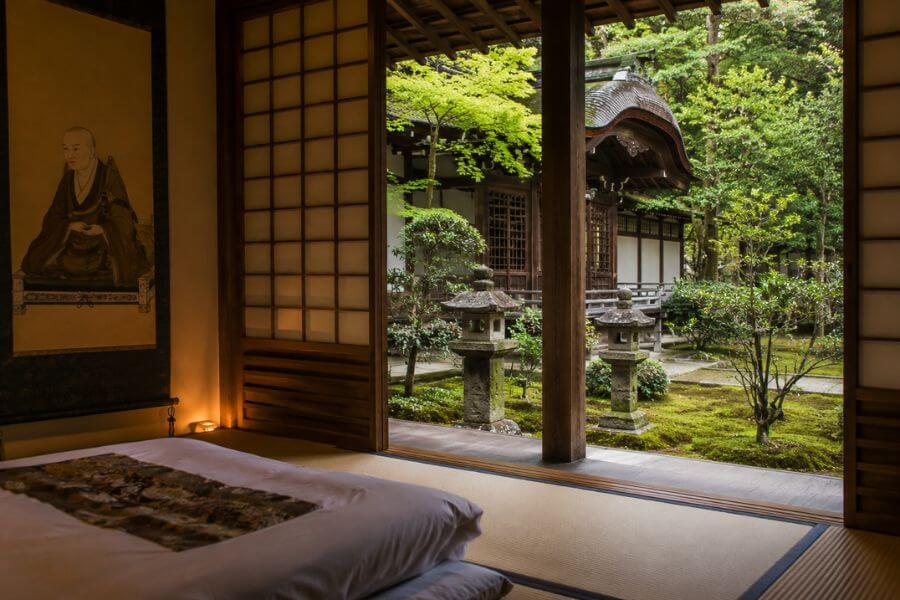
Before you arrive, it helps to understand what to expect during your stay. This is a working temple, not a resort. The monks live here, maintain the grounds, and perform rituals that have remained largely unchanged for generations. Your room will likely be a beautiful, minimalist space featuring tatami mats, sliding paper doors, and a futon laid out for you. You will be expected to remove your shoes before entering the temple and again before walking on the delicate mats in your quarters. This act of removing your shoes is the first step in leaving the outside world behind.
Pack with care, keeping in mind that you are visiting a serene religious site. Bring comfortable, modest clothing that allows you to move freely. Because the temple is located at a high elevation, the temperatures can be quite cool, even in the middle of summer. A warm sweater or a light jacket will serve you well during the early morning hours when you head to the main hall for prayer. You should also bring a small bag for your essentials and perhaps a notebook if you feel the urge to capture your thoughts as the silence of the mountains begins to settle into your spirit.
Understanding the Rhythms of Temple Life
Life in a temple follows the movement of the sun and the needs of the spirit. Your day will likely start quite early, often before the sun has fully risen. This timing is intentional, designed to align your body and mind with the natural cycle of the day. You might find that the quiet of the morning brings a clarity of mind you rarely encounter in your day-to-day life.
The following table summarizes the typical rhythm of a day at a Mount Koya temple:
| Time of Day | Activity | Focus |
| Afternoon | Check-in and settling | Letting go of travel fatigue |
| Evening | Dinner (shojin ryori) | Gratitude and mindful consumption |
| Night | Quiet reflection | Resting in the stillness |
| Early Morning | Morning prayers | Spiritual grounding and clarity |
| Morning | Morning meal | Fueling the body for the day ahead |
The Art of Shojin Ryori
One of the most rewarding aspects of your temple stay is the food. Shojin ryori is a traditional Buddhist vegetarian cuisine that avoids meat and fish, focusing instead on the natural flavors of vegetables, mountain plants, and tofu. When you sit down to eat, you are not just consuming nutrients; you are engaging in a practice of mindfulness. Each dish is prepared with the intention of highlighting the essence of the season. You might enjoy simmered root vegetables, delicate miso soup, or sesame tofu that melts on your tongue.
The meal is often served in your room on low tables, presented in beautiful, lacquered bowls. Take your time with every bite. Notice the textures, the colors, and the subtle interplay of flavors. By eating slowly and without distractions, you become more aware of how the food nourishes you. It is a humble but deeply satisfying way to eat, and for many guests, it becomes one of the most memorable parts of the entire trip.
Participating in Morning Prayers
The highlight for most guests is the opportunity to join the monks for morning prayers. As you walk through the dimly lit corridors of the temple, the smell of incense grows stronger. You enter the main hall, where golden statues gleam in the flickering candlelight. The monks sit in rows, their voices rising and falling in a melodic, hypnotic chant that fills the vast space. Even if you do not understand the words, the vibration of the sound and the focus in the room are palpable.
This is a time for you to sit quietly, perhaps reflecting on your own life or simply letting your mind rest. You are invited to offer incense, a simple gesture of respect and connection. This experience is not about conversion; it is about witnessing the power of shared intention and finding a space where you can exist in total peace. The morning ritual is a powerful reminder that there is beauty in repetition and strength in dedication.
Exploring the Sacred Grounds
Beyond the walls of your temple, Mount Koya offers a wealth of spiritual sites to explore. The most famous of these is Okunoin, the mausoleum of Kukai. Walking the long, winding path to the mausoleum is an experience in itself. You will walk beneath towering, ancient cedars, surrounded by thousands of moss-grown gravestones that stretch as far as the eye can see. The atmosphere here is thick with history and reverence. It is a place where many come to honor their ancestors and find comfort in the permanence of the forest.
You might also visit the Danjo Garan, the complex of temples at the center of the mountain. Here, you will see the Great Stupa, a bright red structure that stands in beautiful contrast to the surrounding greenery. Taking the time to walk these paths slowly allows you to notice the small details: a stone carving of a small deity, the way the light filters through the canopy, or the sound of a distant temple bell.
Comparing Your Temple Stay to a Standard Hotel
To truly appreciate the nature of a shukubo, it is helpful to look at how it differs from a typical accommodation choice.
| Feature | Temple Stay (Shukubo) | Standard Hotel |
| Primary Goal | Spiritual reflection and rest | Comfort and entertainment |
| Atmosphere | Quiet, meditative, communal | Lively, private, service-oriented |
| Sleeping Setup | Futon on tatami mats | Western-style bed |
| Meals | Plant-based, traditional, set menu | Diverse, flexible, often à la carte |
| Interaction | Brief, respectful, guided by ritual | Standard hospitality, guest-focused |
Finding Inner Peace Through Simplicity
The beauty of a temple stay lies in the stripping away of the unnecessary. When you remove the distractions of technology, television, and the constant hum of city life, you are left with yourself. This can feel strange at first, especially if you are used to being constantly stimulated. However, if you allow yourself to lean into the quiet, you will find that it is actually quite liberating.
Use this time to read, to write, or simply to watch the way the shadows move across the tatami mats throughout the afternoon. There is a deep, quiet power in doing nothing at all. You are in a safe container where you are encouraged to stop striving, stop planning, and stop worrying about the next task. By the time you leave the mountain, you will likely find that you feel lighter, as if you have set down a weight you didn’t even realize you were carrying.
Reflecting on Your Experience
As you prepare to descend from Mount Koya, take a moment to look back at the experience. What did you learn? Did you find a sense of calm that you can carry back into your daily routine? The transition from the sacred mountain back to the world of deadlines and commutes can be abrupt. Consider ways to preserve the feeling of your stay. Perhaps you can wake up a few minutes earlier to sit in silence, or perhaps you can approach your meals with a bit more mindfulness.
The lessons of the temple are not meant to stay on the mountain; they are meant to be integrated into your life. Whether it is the practice of intentional eating, the habit of starting the day with reflection, or simply the knowledge that you are capable of finding stillness within yourself, these takeaways are your souvenirs. A trip to Mount Koya is more than just a destination; it is a point in your personal history where you chose to prioritize your inner world over your outer obligations.
Frequently Asked Questions
Do I need to be a Buddhist to stay at a temple?
Not at all. Temples are very welcoming to visitors from all backgrounds and faiths. The monks and staff understand that many guests come for the cultural experience, the peace, or simply to take a break from the pace of travel. As long as you remain respectful of the customs and the quiet nature of the environment, you are more than welcome.
Is it hard to sleep on a futon on the floor?
While it is different from a spring mattress, most guests find that a high-quality futon is surprisingly comfortable. It provides a firm, grounding surface that can be very relaxing for your back. Because you are at a high altitude and in a serene environment, many people find that they sleep more soundly than they do at home.
How should I dress during my stay?
Dress in layers. The weather can change quickly on the mountain, and mornings are often quite chilly. Choose clothes that are comfortable for sitting on the floor, such as loose-fitting pants or long skirts. Since you will be taking your shoes off often, wear clean, comfortable socks. Modest clothing that covers your shoulders and knees is appreciated out of respect for the sacred surroundings.
Will there be a language barrier during my visit?
Many of the temples that host guests are well-accustomed to international visitors. You will find that the staff are very patient and helpful. While the monks may not always speak fluent English, communication is often done through simple gestures, written guides, and a mutual sense of respect. A few polite phrases in Japanese, such as saying thank you or good morning, will always be appreciated.
Can I leave the temple grounds during the day?
Yes, you are free to explore the surrounding area during the day. Many guests spend their time walking the path to Okunoin or visiting the various temples and museums in the village. Just be mindful of the temple’s schedule, especially regarding dinner times, and be sure to return to your quarters at a reasonable hour to respect the quiet atmosphere of the evening.