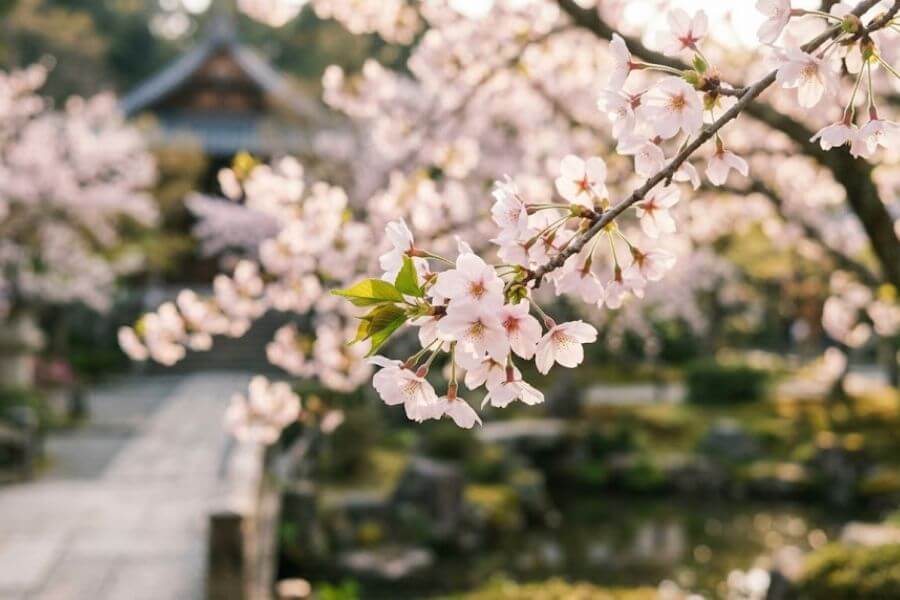
Imagine walking under a ceiling of soft pink petals that gently float down like warm winter snow. This is the magic of the cherry blossom season in Japan, also known as sakura. Every spring, millions of trees across the country burst into beautiful shades of pink and white, turning cities, parks, and mountains into a real-life fairy tale. If you want to experience this beautiful view yourself, timing is everything. The blossoms only stay on the trees for a very short period, which means you need a great plan to catch them at their best. This ultimate guide will show you exactly where to go and when to visit so you can experience the absolute best of Japan in 2026.
Key Takeaways for Your 2026 Trip
Before you dive into the deep details of each region, here are the most important facts you need to know to build your perfect travel schedule.
- Watch the Weather Updates: The cherry blossoms are controlled by spring temperatures, so they bloom at different times each year. In 2026, a warm start to the year means the flowers are appearing slightly earlier than their normal historic dates.
- The Magical Window: Once the very first flower opens on a tree, it takes about five to seven days to reach full bloom, which locals call mankai. This peak beauty lasts for about one week before the petals start to fall.
- Travel North to Chase the Pink: Because spring warmth moves from the south of Japan up to the north, you can actually follow the flowers. If you miss the peak blooms in Tokyo, you can take a fast bullet train north to find trees that are just starting to open.
- Book Your Rooms Early: This is the most popular time of the year for people to visit Japan. You should secure your hotels, train passes, and flight tickets many months in advance to avoid high prices and sold-out rooms.
Understanding the Sakura Phenomenon
To plan your journey perfectly, it helps to understand how these special flowers behave. The cherry blossom season is not a single event that happens all at once across the entire country. Instead, it is a rolling wave of pink beauty that travels across the islands of Japan.
The Cherry Blossom Front
Local weather forecasters track the movement of the flowers using a system called the sakura front. They watch the daily weather patterns and check specific index trees in every city to tell the public when the party is about to start. The wave begins in the warm southern islands of Okinawa as early as January and February. By the time mid-March arrives, the warmth reaches the main island of Honshu, causing the flowers to wake up in large cities like Tokyo, Nagoya, and Osaka. Finally, the wave climbs up into the chilly northern mountains and reaches the northern island of Hokkaido by late April and early May.
The Stages of Blooming
When you read local weather reports, you will hear people use two very important words to describe the condition of the trees. It is vital to know what they mean so you do not arrive too early or too late.
- Kaika (First Bloom): This is the official moment when the very first few blossoms open up on the branches. At this stage, the trees still look mostly brown with small hints of pink dots. It is an exciting sign that the main show is only a few days away.
- Mankai (Full Bloom): This is the gold standard for flower viewing. It happens when at least eighty percent of the blossoms on the trees have opened fully. The branches look heavy, fluffy, and completely pink. This is the absolute best time to take your photographs and enjoy outdoor picnics.
National Overview of the 2026 Dates
Because the weather in early 2026 brought plenty of sunshine and warm southern winds, the trees are moving on a fast schedule. If you want to see the main sights, your calendar should focus on late March and early April.
The following comparison table provides the estimated dates for the first bloom and the peak viewing window across the major cities of Japan for this year.
| Region and City | Expected First Bloom Date | Best Peak Viewing Window |
| Tokyo (Central) | March 19 | March 26 to April 2 |
| Nagoya (Chubu) | March 17 | March 25 to March 31 |
| Fukuoka (Kyushu) | March 24 | March 30 to April 5 |
| Kyoto (Kansai) | March 24 | March 29 to April 5 |
| Osaka (Kansai) | March 26 | April 1 to April 7 |
| Hiroshima (Chugoku) | March 19 | March 27 to April 3 |
| Nagano (Alps) | March 31 | April 5 to April 11 |
| Aomori (Tohoku) | April 13 | April 18 to April 24 |
| Sapporo (Hokkaido) | April 19 | April 25 to May 1 |
Exploring Tokyo and the Kanto Region
Tokyo is often the first stop for international travelers, and it offers some of the most exciting flower festivals in the entire country. The city combines massive public parks, historic castle moats, and modern neon-lit riversides to create unique viewing spots.
Central Tokyo Hotspots
Ueno Park is one of the oldest and busiest places for flower viewing in the country. It features a wide central path that is lined with over one thousand cherry trees. During the peak of the season, thousands of locals gather here to sit on large blue tarps, eat delicious food boxes, and sing songs under the branches. If you want to experience a high-energy, classic Japanese flower party, this is the place to be.
If you prefer a quieter and more peaceful experience, Shinjuku Gyoen National Garden is an excellent choice. This massive park charges a small entry fee, which keeps the crowds a bit more managed. It is home to many different kinds of cherry trees, including early-blooming and late-blooming varieties. Because the trees do not all open at the same time, you can find beautiful blossoms here even if you arrive a week before or after the main peak date.
Riverside Views and Night Illuminations
The Meguro River provides a view that you will see on many postcards. Over eight hundred trees line the banks of this urban canal for several miles. As the branches grow out over the water, they create a solid tunnel of pink petals. In the evening, the area comes alive with glowing pink paper lanterns. Street vendors set up small stalls selling pink strawberry drinks, hot skewers, and cherry-flavored snacks.
Another incredible water view can be found at Chidorigafuchi, which is a beautiful moat that surrounds the historic Imperial Palace. Here, the massive stone walls of the old castle are covered in bursts of white and pink flowers. You can rent a small rowboat to glide along the water directly beneath the hanging branches. When the wind blows, the falling petals cover the surface of the water, making it look like a river of pink milk.
Essential Kanto Travel Advice
Central Tokyo is very easy to navigate using the local subway systems. To maximize your time during the peak week of late March, follow these helpful strategies.
- Wake Up Early: Popular spots like Chidorigafuchi and Ueno Park become incredibly packed by noon. If you arrive at sunrise, you can enjoy the view in peace and take photos without hundreds of people in the background.
- Watch for Timed Entries: Because Shinjuku Gyoen is so popular, it requires visitors to reserve an entry slot online ahead of time during the peak cherry blossom weekends. Do not forget to check their official website to secure your spot.
- Buy a Prepaid Transit Card: Instead of standing in long lines to buy paper train tickets at every single station, purchase a digital or plastic transit card at the airport to breeze through the ticket gates.
Discovering Kyoto and the Kansai Region
The Kansai region is the cultural heart of Japan. Seeing cherry blossoms against the backdrop of ancient wooden temples, towering pagodas, and traditional stone streets feels like stepping back in time.
The Magic of Kyoto
Kyoto is a city of historic wonders, and its cherry blossom spots are legendary. One of the most famous walks is the Philosopher’s Path. This is a quiet stone walkway that follows a small canal in the northern part of the city. The path is named after a famous Japanese professor who used to walk here daily to think deeply. The trail is lined with hundreds of cherry trees that lean over the water. The slow pace of the walk allows you to truly relax and enjoy the natural beauty.
For a dramatic night experience, head to Maruyama Park. The center of this park features a massive, historic weeping cherry tree called a shidare-zakura. Its long branches hang down toward the ground like a willow tree, covered entirely in light pink blossoms. At night, heavy floodlights illuminate the tree against the dark sky, making it look like a glowing fountain of light.
Kyoto also offers the breathtaking Kiyomizu-dera Temple, a massive wooden structure built on the side of a mountain. During the spring peak, the temple looks like it is floating on top of a sea of pink clouds. The view from the main wooden balcony looking out over the valley is something you will never forget.
Urban Beauty in Osaka
Just a short train ride away from Kyoto sits Osaka, a city known for its friendly people and amazing street food. The ultimate spot here is Osaka Castle Park. Over three thousand cherry trees surround the giant stone walls and the glistening green and gold castle tower. The Nishinomaru Garden within the park grounds is a perfect spot for a relaxed afternoon picnic on the grass, offering a clear view of the castle framed by perfect pink blossoms.
For an endless sea of flowers, visit the Osaka Mint Bureau. This location has a special path that is only opened to the general public for one week in April. It contains over one hundred rare varieties of late-blooming cherry trees that look extra fluffy and dark pink. Because it opens slightly later than the rest of Osaka, it is a perfect backup option if your trip falls into early April.
Kansai Travel Comparison Table
Kyoto and Osaka offer very different vibes and viewing styles. Use this quick summary to decide how to split your days between these two close neighbors.
| City | Overall Visual Vibe | Famous Tree Type | Best Time of Day |
| Kyoto | Traditional, ancient temples, quiet canals | Weeping cherry trees (shidare-zakura) | Early morning or late night |
| Osaka | Modern castle grounds, lively parks, food stalls | Fluffy, late-blooming varieties | Afternoon and dinner time |
Chasing the Blossoms in the Hidden Regions
If you want to escape the massive tourist crowds of Tokyo and Kyoto, Japan has many incredible hidden locations. These spots offer dramatic scenery, massive mountain ranges, and unique history without the long lines.
The Mount Fuji Area
Seeing cherry blossoms with the snow-capped peak of Mount Fuji in the background is the ultimate travel goal. The best spot for this is the northern shore of Lake Kawaguchiko. Along the lakeside path, you can capture photos that feature the blue water, the pink flowers, and the giant mountain all in one perfect frame.
Another iconic location nearby is the Chureito Pagoda, a beautiful red five-story building built on a hillside. To get to the top, you must climb almost four hundred stone steps, but the reward is spectacular. From the viewing platform, you look down over a hillside covered in cherry trees, with the red pagoda and Mount Fuji standing proudly in the distance.
The Mountain Castles of Nagano
Because Nagano sits high up in the Japanese Alps, its spring weather arrives later than the coastal cities. This makes it an ideal destination if you are traveling in early to mid-April.
Matsumoto Castle is one of the most beautiful historic castles in Japan, often called the Black Crow because of its unique dark wooden walls. The castle is surrounded by a wide water moat and hundreds of bright pink cherry trees. At night, the reflection of the illuminated dark castle and the glowing pink flowers in the still moat water is absolutely magical.
The Historic Parks of Tohoku
The Tohoku region occupies the northern part of Japan’s main island. It is far less crowded than the south, and it boasts some of the most massive cherry blossom locations in the world.
Hirosaki Park in Aomori Prefecture is widely considered to be one of the top three cherry blossom viewing areas in the entire country. The park surrounds an old castle and features over two thousand six hundred trees. The local gardeners use special apple pruning techniques to keep the cherry trees healthy and full of blooms. When the petals start to drop in late April, they completely coat the giant castle moats, turning the water into a solid, bright pink carpet that you can easily see from space.
The Star Fort of Hokkaido
Hokkaido is the northernmost wild island of Japan, where spring does not arrive until late April or early May. The best place to catch the end of the sakura season is Hakodate at Goryokaku Park. This is a massive, historic military fort built in the shape of a five-pointed star. Over one thousand six hundred cherry trees were planted along the star-shaped earth walls and water moats. If you ride the elevator to the top of the nearby Goryokaku Tower, you can look down and see a giant, perfect pink star glowing on the earth below.
Essential Culture and Customs for Visitors
To have the best possible time during your trip, it helps to understand how local people celebrate this beautiful season. The Japanese people have deep traditions connected to these flowers, and following their customs will show respect and help you fit right in.
The Art of Hanami
The word hanami literally translates to flower viewing, but it means much more than just looking at a tree. It is a social tradition that brings families, friends, and coworkers together to celebrate the arrival of spring. People pack large picnic baskets filled with seasonal treats like pink rice cakes, bento boxes, and cherry-flavored sweets. They spend entire days sitting under the trees, talking, laughing, and enjoying nature.
Hanami Etiquette Tips
To ensure that everyone can enjoy the parks and that the delicate trees stay safe, there are a few important rules that you must follow during your visits.
- Never Touch the Branches: Cherry blossoms are incredibly fragile. Shaking the branches to make petals fall or pulling a flower closer to your face for a selfie can damage or kill the tree. Enjoy their beauty with your eyes and your camera only.
- Take Your Trash Home: Japanese parks are famously clean, but you will find very few public trash cans. When you finish your picnic, you are expected to pack up all your garbage and carry it back to your hotel room to discard it properly.
- Respect Reserved Spaces: In very busy parks, people will lay down plastic tarps to save a picnic spot for their friends. Never walk across or sit on a tarp that belongs to someone else, even if it looks empty at that moment.
Frequently Asked Questions
What happens if it rains during the peak cherry blossom week?
Rain and heavy winds are the biggest enemies of the cherry blossoms. If a heavy rainstorm hits when the trees are at their peak full bloom stage, it can wash the delicate petals off the branches very quickly. This event is called a flower storm, or hanakada. While it means the trees will lose their pink color faster, it creates a beautiful side effect. The streets, paths, and rivers become completely covered in a thick blanket of pink petals, which is incredibly beautiful in its own unique way.
Do I need to buy special tickets to enter the cherry blossom parks?
Most of the largest and most famous cherry blossom spots in Japan, such as Ueno Park in Tokyo or Maruyama Park in Kyoto, are completely free public parks that you can enter at any hour of the day or night. However, a few historic locations, including Shinjuku Gyoen National Garden, the Osaka Mint Bureau, and specific temple grounds in Kyoto, do charge a small entrance fee to help pay for the care of the trees. Some of these locations also require you to book a specific entry time online in advance during peak weekends to prevent dangerous overcrowding.
Are there any special snacks or foods I should try during the season?
Spring is an amazing time for food lovers in Japan because stores and street stalls release hundreds of limited-edition treats. You should definitely try sakura mochi, which is a sweet pink rice cake filled with smooth red bean paste and wrapped in a salty, pickled cherry leaf. You will also find cherry-blossom-flavored ice cream, pink dumplings on skewers called hanami dango, and special spring bento boxes filled with colorful ingredients that match the pink and white colors of the trees outside.
Can I still see cherry blossoms if I visit Japan in May?
Yes, you can absolutely see cherry blossoms in May, but you must travel to the far northern parts of the country. By the time May arrives, the flowers in Tokyo and Kyoto are long gone, and the trees are covered in green summer leaves. However, the northern island of Hokkaido enjoys a much later spring. Places like Sapporo, Hakodate, and the mountainous national parks of northern Japan experience their peak blooming periods throughout late April and the first week of May, making it a perfect destination for late-season travelers.