Key Takeaways
- Respect the history and cultural significance of the kimono by wearing it properly.
- Choose between a yukata for summer or a kimono for cooler weather to stay comfortable.
- Book your rental in advance to secure your preferred style and time slot.
- Follow basic etiquette, such as walking with small, graceful steps and maintaining a quiet demeanor.
- Understand that rental shops provide professional dressing services, so you do not need to know how to tie the complex knots yourself.
- Return your rental items on time to avoid extra charges and to ensure the shop can clean them for the next guest.
Understanding the Difference Between Kimono and Yukata
When you arrive in Kyoto, you will quickly notice that the streets are filled with people wearing beautiful traditional Japanese clothing. It is common for visitors to mix up the terms kimono and yukata, but they are quite different. Knowing which one is right for your trip helps you feel more at home in the culture.
A kimono is a formal garment made from heavier fabrics like silk or high-quality polyester. It has multiple layers, including a thin undergarment called a nagajuban. Because of its weight and the way it is put together, it is usually worn during the cooler months of the year. If you visit in spring, autumn, or winter, you will likely choose a kimono. It offers a more structured look that feels very elegant as you walk through temple grounds.
A yukata is a light, casual version of the kimono. It is almost always made of cotton. It lacks the heavy layers of a standard kimono, which makes it much more breathable. This is the garment of choice for the hot and humid Japanese summer. You might see people wearing yukata to local festivals, summer fireworks shows, or while staying at traditional inns. It is a relaxed and playful outfit that is perfect for warmer weather.
Choosing between the two depends mostly on the season. If you are visiting in July or August, you will almost certainly be offered a yukata. During the rest of the year, the kimono is the standard choice. Both options offer a chance to connect with local traditions in a meaningful way.
Selecting a Reputable Rental Shop
Kyoto has many rental shops, ranging from small, family-run boutiques to larger chains. Finding a shop that treats the clothing with care is the first step toward a positive experience. Look for places that prioritize authentic styling and offer a wide variety of patterns.
When you start your search, focus on shops that provide clear pricing structures. You want to know exactly what is included in the package. A good package should cover the garment itself, the obi (sash), the bag, the sandals, and the professional dressing service. Some shops offer extra services like professional hair styling or makeup application. These add-ons can make your day feel special, but check the price list carefully before you commit.
Read reviews from other travelers to see if the staff is helpful and welcoming to international guests. A great shop will have staff members who are trained in the art of dressing, known as kitsuke. They will make sure your garment is fitted correctly, which is vital for your comfort throughout the day. If you have specific preferences, such as wanting a vintage silk kimono or a modern pattern, browse the shop website beforehand to see their collection.
Do not be afraid to email or call ahead if you have questions about the process. Shops that respond promptly and kindly are usually the ones that will provide the best customer service when you arrive. Making a reservation ahead of time is a smart move, especially during busy seasons like cherry blossom time or when the autumn leaves are changing color.
The Professional Dressing Process
You might worry that wearing a traditional garment is complicated or that you need to learn complex knot-tying techniques. Fortunately, this is not the case. When you rent a kimono or yukata, you will be assisted by professional dressers. This is a standard part of the service.
When you arrive at the shop, you will first choose your outfit. If you are unsure what looks good, ask the staff for advice. They have a great eye for color combinations that match the season and your personal style. Once you have picked your items, you will be taken to a dressing room.
The dressing process is precise. Your dresser will ensure the inner layers are smooth and that the main garment sits at the correct height. The length of the kimono should ideally fall just above your ankles. The dresser will then fold the excess fabric at your waist to create a perfectly even line. The obi is then wrapped securely around your waist. This is the most important part of the outfit, as it holds everything in place.
The dressers are very efficient. Even though there are many steps involved, they can usually have you fully dressed in twenty to thirty minutes. They will ensure your collar is set correctly, showing just enough of your neck, which is considered a graceful and elegant look. Trusting their expertise is the best way to ensure your clothes stay comfortable and beautiful while you explore the city.
Essential Etiquette and Behavior
Wearing a kimono or yukata is a way to show respect for Japanese culture, so how you carry yourself matters. You are not just wearing a costume; you are participating in a tradition that has lasted for centuries. By keeping a few simple rules in mind, you will honor the craft and look fantastic in your photos.
The first thing you will notice is that your gait will naturally change. Because the garment is snug, you cannot take long, wide strides. Instead, walk with small, light steps. Keep your feet closer together than you normally would. This will prevent you from accidentally pulling at the fabric or tripping. It also gives you a more refined and peaceful presence as you move through the gardens and temples.
Posture is just as important. Try to keep your back straight and your shoulders relaxed. When you sit down, sit with your back against the chair and avoid slouching. If you need to pick something up from the ground, bend your knees slightly rather than hunching over from the waist. This protects the shape of the garment and keeps the obi from shifting.
Be mindful of your surroundings, especially in sacred spaces like shrines or temples. Maintain a quiet voice and follow the lead of local people. If you are taking photos, ensure you are not blocking paths or disturbing others who are praying. Being a gentle presence in Kyoto is the best way to enjoy your experience and show your appreciation for the local lifestyle.
Selecting Footwear and Accessories
The look of your outfit is tied together by the accessories. Rental shops provide everything you need, but it helps to know what to expect. The most common footwear you will wear is called zori for kimono or geta for yukata. Zori are flat, sandal-like shoes that are often worn with white tabi socks. Geta are wooden-soled sandals that make a distinct clacking sound as you walk on the pavement.
If you are not used to sandals that go between your toes, they might feel a little strange at first. You might want to practice walking a few steps inside the shop before heading out. Most shops provide special split-toe socks that make wearing these sandals much more comfortable. These socks also keep your feet warm if the weather is a bit chilly.
Your bag is another important part of your ensemble. Rental shops usually provide a small, coordinating pouch or a traditional fabric bag that hangs from your wrist. These are designed to hold your essentials like a phone, a small wallet, and a lipstick. Since the bags are small, try to pack light for the day. You can leave your larger backpack or suitcase at the rental shop, as most provide a storage area for your belongings.
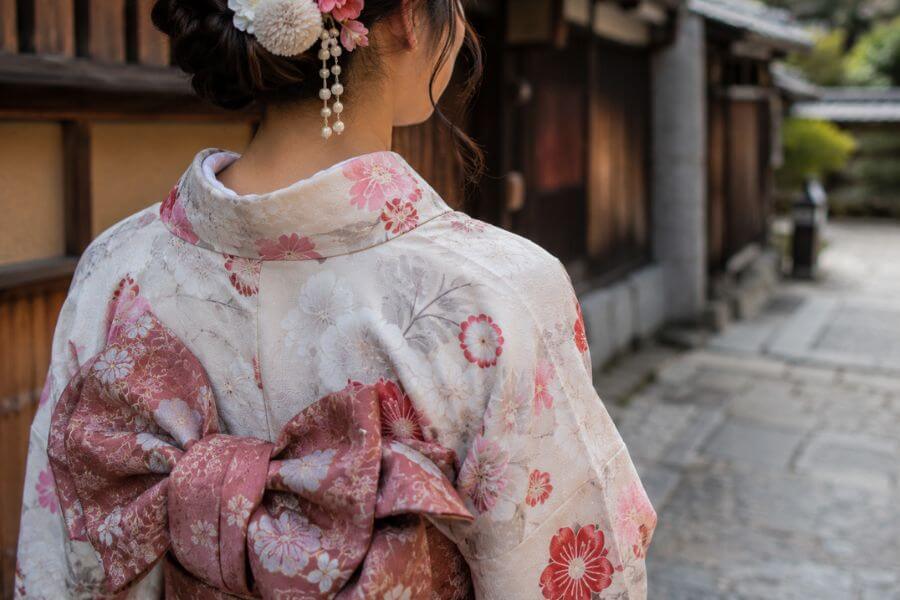
Consider adding a hair accessory to finish your look. Many shops offer beautiful hair clips, pins, or flowers that match the colors of your outfit. If you have long hair, an updo is a great way to keep it out of your face and highlight the back of your kimono collar. It is a small detail, but it really elevates your overall appearance.
Caring for Your Rental
While you are wearing your kimono or yukata, you are responsible for its care. These garments are high-quality items, and some are handmade with delicate materials. Staying aware of your environment will keep the fabric pristine until you return it.
Be very careful when you eat or drink. Since you are wearing layers of fabric, spills can be difficult to clean. Try to avoid messy foods if you are wearing a light-colored garment. If you are drinking something, take small sips and be mindful of your sleeves. The sleeves of a kimono can be quite long and loose, so tuck them back or hold them firmly when you reach for a cup or a plate.
If you find yourself in a crowded area, be aware of your surroundings. Keep an eye out for sharp objects or rough surfaces that could catch on the delicate fabric. If you are visiting a garden or a forest trail, be mindful of where you step to avoid getting mud or dust on the hem of your garment.
Should something happen, like a small stain or a loose thread, do not panic. Accidents happen. Simply let the rental shop staff know when you return. They are professionals and are equipped to handle cleaning and repairs. Being honest about any issues is the most respectful way to handle the situation and helps the shop keep their collection in good condition for the next guest.
Seasonal Considerations for Kyoto
Kyoto experiences four distinct seasons, each offering a different way to enjoy your rental. Planning your attire based on the time of year will keep you comfortable and allow you to blend in with the local beauty.
In the spring, the city is filled with cherry blossoms. This is a very popular time to rent a kimono. Pastel colors like soft pinks, light greens, and pale yellows are very popular and look wonderful against the backdrop of blooming trees. You might want to bring a thin shawl or a light jacket if the wind picks up, as spring weather can be unpredictable.
Summer is the time for bright, bold yukata. The festivals and fireworks displays are vibrant events, and your outfit should reflect that energy. Look for patterns with large flowers, geometric shapes, or traditional cooling motifs like goldfish or waves. Because it will be humid, focus on staying hydrated and taking breaks in the shade.
Autumn in Kyoto is stunning with the changing maple leaves. This is a great time to choose warmer, deeper colors like rich reds, burnt oranges, golds, and forest greens. The weather is usually crisp and pleasant, making it the most comfortable time for a full-length kimono.
Winter can be cold, but it is also a quiet and magical time to see the city. If you are renting in the winter, ask the shop for a haori, which is a traditional jacket that goes over your kimono. They also have thermal layers you can wear underneath to stay warm. A scarf and gloves can also be added for a touch of personal flair.
Returning Your Items
The rental period usually lasts for the entire day. Most shops require you to return your items by a set time, often around six or seven in the evening. Returning your items on time is important for the shop schedule.
When you return to the shop, the staff will help you change back into your regular clothes. It is a quick process, and you will likely feel a sense of accomplishment after spending the day in traditional dress. Make sure you check the pockets of your rental bag to ensure you have all your personal belongings, such as your phone, wallet, or room key.
If you happen to be running late, call the shop as soon as possible. They might be able to accommodate you, especially if you have a genuine reason. However, please be aware that some shops charge a late fee for returns made after the agreed time. Being punctual is a simple way to show your gratitude for their service.
Summary of Rental Options
| Feature | Kimono | Yukata |
| Best Season | Autumn, Winter, Spring | Summer |
| Material | Silk, Polyester, Wool | Cotton |
| Layers | Multiple, with undergarments | Single layer |
| Formality | Formal to Semi-formal | Casual |
| Footwear | Zori sandals with socks | Geta sandals (no socks) |
Frequently Asked Questions
Do I need to make a reservation for a rental?
While some shops accept walk-ins, it is highly recommended to book your rental in advance. This guarantees that you will have a wide selection of styles and colors to choose from and ensures that the shop has a staff member ready to assist you. During peak travel seasons, popular shops often book up weeks ahead of time.
What should I wear under my kimono?
The rental shop will provide the necessary undergarments, such as a thin slip or a specialized shirt. You should arrive wearing simple underwear. Avoid wearing bulky clothes or thick sweaters underneath, as these can make the kimono fit poorly. A thin camisole or tank top with a low neckline is usually fine to wear underneath for comfort.
Can I choose my own colors and patterns?
Yes. One of the best parts of the rental experience is browsing the racks and selecting the outfit that speaks to you. The staff will be there to help you coordinate the sash and accessories to ensure everything matches well. If you have a specific color preference, feel free to share it with the staff when you start looking.
Is it difficult to use the restroom while wearing a kimono?
It requires a bit of patience, but it is manageable. The key is to hold up all the layers of the fabric firmly before you sit. Use a hair clip or a clothespin to hold the sleeves and the body of the fabric together at the front so nothing touches the floor. Once you are done, take your time to smooth everything back out and ensure your obi is still secure.
Will the clothes feel too tight?
The kimono should feel snug and secure, but never painful. The dressers are trained to tie the knots in a way that provides support without restricting your breathing. If at any point during your day you feel like the fit is too tight or something is slipping, you can always head back to the shop or a nearby branch to ask for a quick adjustment. Your comfort is a priority.
Can I wear my own accessories?
You are welcome to bring your own small accessories, like a personal handbag or specific jewelry, but keep them simple to match the traditional aesthetic. Many people enjoy using the accessories provided by the shop because they are specifically chosen to complement the garments. If you want to use your own bag, just make sure it is not too large or heavy, as it could damage the delicate fabric of the obi or the kimono itself.