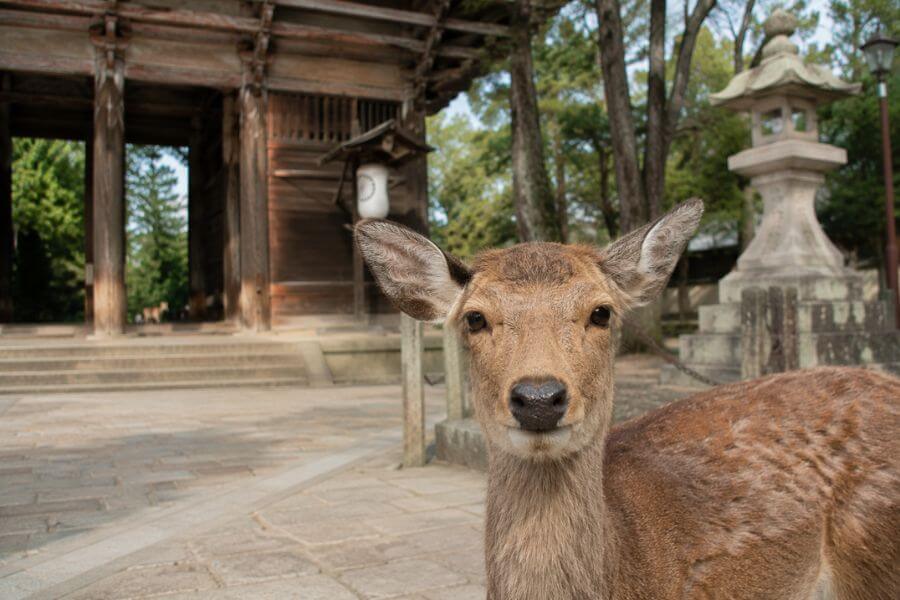
Key Takeaways
- Nara is a quick and accessible trip from Kyoto, taking less than an hour by train.
- The city is famous for its hundreds of free-roaming, friendly deer that you can feed by hand.
- Iconic sites like Todai-ji Temple house one of the largest bronze Buddha statues in the world.
- The town offers a serene, ancient atmosphere that feels distinct from the busier streets of Kyoto.
- You can easily see the main highlights in a single day without feeling rushed.
Imagine you are standing in the heart of Kyoto. You have spent the last few days wandering through stunning gold-covered temples, walking under thousands of red gates, and navigating the crowded, beautiful streets of Gion. You love the city, but you are ready for a slight change of pace. You want to see something historic, something deeply rooted in nature, and something that feels like stepping into a storybook. You look at a map, and your finger lands on Nara. It is close, it is reachable, and it is waiting for you.
Nara was actually the capital of Japan long before Kyoto was. Because of this, it holds some of the most important treasures in the entire country. When you choose to spend a day here, you are not just taking a trip; you are taking a step back in time. The transition from the urban energy of Kyoto to the quiet, park-like setting of Nara is smooth, making it the ideal excursion for anyone looking to add depth to their Japanese adventure.
The Magic of the Nara Deer
The first thing you will notice upon arriving in the main park area is that you are not alone. There are deer everywhere. These are not shy, hidden creatures. They walk along the sidewalks, they hang out near the temple entrances, and they are very aware of the snacks you might have in your bag. In Nara, these deer are considered messengers of the gods. For centuries, people have protected them, which is why they are so comfortable around humans today.
Buying a pack of “shika senbei,” or deer crackers, is a rite of passage. As soon as you hold a cracker, you become the most popular person in the park. The deer will bow to you to ask for a treat. It is a charming and funny sight that you will not find anywhere else in the world. It is important to remember that these are wild animals, so always be respectful, keep an eye on your belongings, and enjoy the interaction. It is a moment of pure joy that captures the spirit of the city perfectly.
Todai-ji Temple and the Great Buddha
Once you have finished greeting the deer, you will find yourself walking toward a massive wooden structure. This is the entrance to Todai-ji, and it is genuinely hard to explain just how big it is. When you step inside the main hall, the Daibutsu-den, your eyes will immediately be drawn to the center. There sits the Great Buddha, a bronze statue so tall it fills the entire space.
The craftsmanship is mind-blowing. When you consider that this was built many centuries ago, you realize how much dedication and skill went into every detail. There is a wooden pillar near the statue with a hole carved into its base. Legend says that if you can crawl through it, you will receive good luck and enlightenment. Whether you believe in the legend or not, watching travelers try to squeeze through brings a sense of lighthearted fun to this sacred space. Taking a moment to sit on the floor of the temple and just soak in the smell of incense and the scale of the architecture is a highlight of any trip to Japan.
The Charm of Nara Park
Nara Park is the glue that holds the city together. It is not just a patch of grass; it is a massive, sprawling landscape that connects all the major temples and shrines. As you walk through it, you will notice how the light filters through the giant trees and how the gravel paths crunch under your feet. The park changes with the seasons, showing off cherry blossoms in the spring and brilliant red leaves in the autumn.
You do not need a strict map here. Part of the fun is getting a little lost. You might stumble upon a small pond, a hidden stone lantern, or a quiet group of monks walking through the woods. The air feels cleaner and cooler here. It is the perfect place to sit on a bench, eat a local snack, and just breathe. After the rush of Kyoto, the park acts as a reset button for your soul. It reminds you why you started traveling in the first place—to find beauty in the slow, simple moments.
Kasuga Taisha and the Path of Lanterns
If you keep walking through the park, you will eventually find your way to Kasuga Taisha. This shrine is famous for its thousands of stone and bronze lanterns. Most shrines in Japan are beautiful, but Kasuga Taisha feels mysterious. The path leading up to it is lined with stone lanterns covered in moss, creating a feeling of ancient permanence.
When you enter the main shrine area, you will see lanterns hanging from the eaves of the buildings. These are lit during special festivals, turning the entire complex into a glowing wonderland. Even when they are not lit, the sight of them is breathtaking. It is a testament to the thousands of people who have visited this site over hundreds of years, each one leaving a small piece of their devotion behind. The surrounding forest is untouched and lush, making you feel as though you have walked into an old folklore tale.
The Ancient Streets of Naramachi
After you have had your fill of temples and deer, you should head toward Naramachi. This is the old merchant district of Nara. While the temples are grand and majestic, Naramachi is intimate and sweet. The streets are narrow, and the buildings are traditional wooden townhouses, often called machiya.
Many of these houses have been turned into small cafes, artisan shops, and museums. This is where you can find high-quality crafts, handmade paper, and local snacks. It is the best place to find a unique souvenir that you won’t see in the big department stores in Kyoto. Take your time browsing the shops. The people who run these businesses are often very passionate about their craft and love to share their stories with curious visitors. Having a cup of matcha or a bowl of traditional noodles in one of these quiet, historic buildings is the perfect way to end your afternoon before heading back.
Comparing Your Kyoto and Nara Experience
It is helpful to look at how these two cities differ to understand why they complement each other so well.
Experience Comparison Table
| Feature | Kyoto | Nara |
| Atmosphere | Energetic and grand | Serene and park-like |
| Main Activity | Temple hopping and shopping | Nature, deer, and history |
| Walking Style | Urban streets and hills | Sprawling park and forest paths |
| Crowds | Very high | Moderate |
| Best For | Cultural immersion | Relaxation and photo opportunities |
As you can see, while they are neighbors, they offer very different feelings. Kyoto is where you go to see the “must-see” sites that define Japan, and Nara is where you go to digest those experiences in a peaceful, natural environment.
Logistics for Your Trip
Getting from Kyoto to Nara is very simple, which is another reason it is the perfect day trip. You have two main train options: the JR line or the Kintetsu line.
- JR Line: Good if you have a Japan Rail Pass. It takes about 45 minutes to get to JR Nara Station.
- Kintetsu Line: This is often preferred because the Kintetsu Nara Station is much closer to the park and the major temples. It takes about 35 to 40 minutes from Kyoto Station or Kintetsu-Kyoto Station.
Since the travel time is so short, you can easily leave after breakfast and be back in Kyoto in time for dinner. You do not need to pack heavy luggage; just bring a comfortable pair of shoes, a camera, and an appetite for adventure. The stations are well-marked with signs in English, making it very hard to get lost.
Why This Trip Fits Your Schedule
You might be worried that adding another city to your plan will make your trip too hectic. However, Nara is the opposite of hectic. Because the main attractions are all within walking distance of each other, you do not need to spend your day waiting for buses or navigating complex transit maps. You can focus your energy on what matters: the sights, the sounds, and the atmosphere.
Think of Nara as a deep breath. By the time you return to your hotel in Kyoto, you will feel refreshed rather than tired. You will have a phone full of photos, a heart full of memories, and a new appreciation for the history that connects these two beautiful places.
Frequently Asked Questions
Is one day enough to see Nara?
Yes, absolutely. The main sites, including Nara Park, Todai-ji, and Kasuga Taisha, are very close to one another. You can see all the major highlights in a single day at a comfortable pace.
Should I bring my own food for the deer?
No, please do not. You should only feed the deer the official “shika senbei” crackers sold in the park. These are specially made to be safe for the deer. Human food can make them sick, and some foods are toxic to them.
Is Nara hilly or difficult to walk around?
For the most part, the central park area is flat and easy to walk. There are some slight inclines as you walk toward the further temples, but it is very manageable for most travelers. Wear comfortable shoes, as you will likely be on your feet for several hours.
Can I visit Nara in the rain?
Yes, Nara is still beautiful in the rain. The temples look vibrant and deep in color when wet, and the park takes on a moody, cinematic quality. Just bring an umbrella or a raincoat, and you will have a wonderful time exploring the quieter paths.
Do I need to speak Japanese to get around?
You do not. While learning a few basic phrases like “thank you” or “excuse me” is always polite, Nara is very accustomed to international visitors. Signage is clear, and most shopkeepers and temple staff are very helpful, even if there is a language barrier.
Is Nara better to visit in the morning or the afternoon?
Both times have their perks. Visiting in the morning allows you to see the temples before the crowds arrive. Visiting in the afternoon lets you enjoy the golden hour light in the park and stay for a quiet dinner in Naramachi. If you can, arrive by mid-morning to give yourself the best of both worlds.