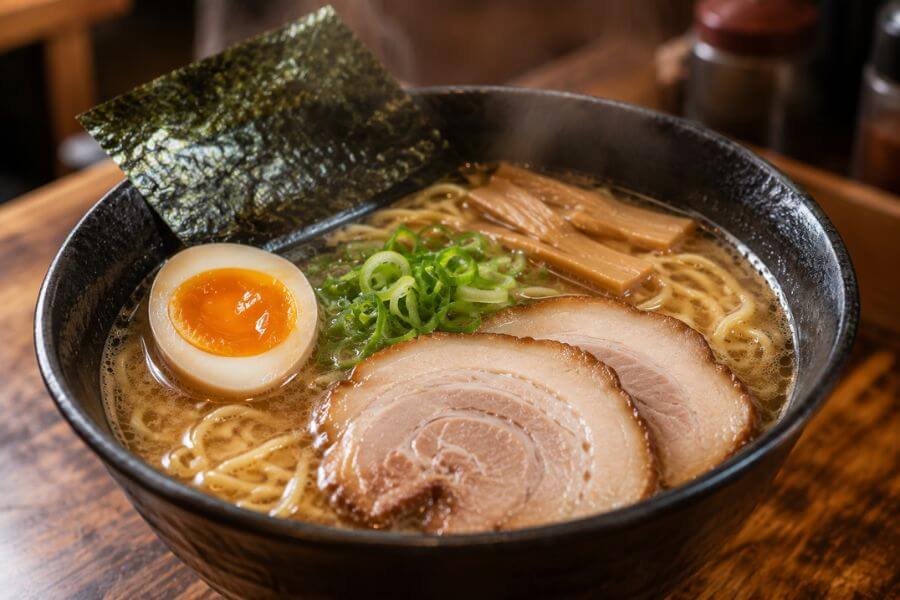
Whether you are walking through the neon-lit streets of Tokyo or sitting in a quiet corner of a local noodle shop in your own hometown, you have likely felt the pull of a steaming bowl of ramen. It is more than just a quick meal; it is a warm, comforting embrace in a bowl. Ramen has traveled a long way from its humble origins to become a global obsession, and if you are standing in front of a menu filled with complex names and ingredients, it can feel like a maze. Do not worry. This guide will walk you through everything you need to know to navigate the world of ramen with confidence, helping you understand the flavors, the textures, and the heart behind every bowl.
Key Takeaways
- Ramen is defined by four main elements: the tare (flavor base), the soup broth, the noodles, and the toppings.
- Shoyu (soy sauce), Shio (salt), Miso (fermented bean paste), and Tonkotsu (pork bone) are the four primary broth styles you will encounter.
- The thickness and texture of your noodles are often chosen to complement the weight of the broth.
- Authentic ramen is meant to be eaten while it is steaming hot, and slurping is actually a sign of appreciation for the chef.
- You can customize your bowl by asking for extra toppings or adjusting the firmness of your noodles.
The Anatomy of a Perfect Bowl
To truly appreciate ramen, you have to break it down. Think of it as a craft where each component works in harmony with the next. You have the soup, which serves as the soul, and the tare, which acts as the seasoning. Then there are the noodles, which provide the chew and structure, and finally the toppings, which add color, crunch, and depth.
The Tare: The Secret Seasoning
The tare is a concentrated liquid placed at the bottom of the bowl before the hot broth is poured over it. It is what gives the soup its distinct salty, savory, or sweet punch. Without the tare, the broth would just be a mild stock. It is the secret seasoning that transforms plain water and bones into a complex masterpiece. Many chefs keep their tare recipes a closely guarded family secret, sometimes aging them for weeks to develop deep layers of flavor.
The Broth: The Liquid Soul
The soup broth is the foundation. It takes hours, sometimes days, of boiling bones, vegetables, and aromatics to extract every ounce of flavor. Some broths are light and clear, while others are thick, creamy, and opaque. The time and patience put into the broth determine the final body of the soup. When you sip that first spoonful, you are tasting hours of dedication.
The Noodles: The Heart of the Dish
Noodles are made from wheat flour, water, and an alkaline mineral called kansui. The kansui is what gives ramen noodles their signature yellow hue and that slight springiness. Depending on the region, noodles can be thin and straight, or thick and wavy. A good rule of thumb is that heartier, richer soups often pair with thicker, curly noodles to hold onto the broth, while lighter soups pair best with thin, straight strands.
The Four Main Flavors of Ramen
While there are hundreds of variations, most ramen falls into one of these four categories. Learning these will give you a solid foundation for any menu you encounter.
Shoyu: The Classic Soy Sauce Base
Shoyu ramen is arguably the most traditional style. The broth is usually a clear, brownish color, seasoned with a soy sauce-based tare. It is refreshing, savory, and usually not too heavy. If you are looking for a balanced, clean, and classic experience, this is your starting point. It tastes like a warm hug on a rainy day, familiar and deeply satisfying.
Shio: The Clean Salt Base
Shio means salt. This style features a light, translucent broth that highlights the natural flavors of the ingredients, such as chicken, vegetables, or seafood. It is the oldest form of ramen. Because there is no strong soy sauce or miso to mask the flavors, the quality of the ingredients must be perfect. It is elegant, simple, and light on the palate.
Miso: The Rich Fermented Base
Miso ramen comes from the colder northern parts of Japan, and it is built to keep you warm. The soup is thicker and heavier, seasoned with fermented bean paste. It often has a nutty, complex, and slightly sweet flavor profile. It is the comfort food of the ramen world. It usually pairs well with corn, butter, or sautéed ground pork, making it a very hearty choice.
Tonkotsu: The Creamy Pork Bone Experience
Tonkotsu is for those who love bold, indulgent flavors. The broth is made by boiling pork bones for an incredibly long time until the collagen breaks down, creating a white, creamy, and thick soup. It is rich, fatty, and deeply savory. It feels velvety on the tongue. If you want a meal that stays with you and satisfies a deep hunger, Tonkotsu is the way to go.
Comparing the Broth Styles
To help you decide what to order, use this simple comparison to see which profile matches your cravings.
| Ramen Style | Flavor Profile | Texture | Best For |
| Shoyu | Savory & Balanced | Clear & Light | Beginners |
| Shio | Simple & Refreshing | Clear & Thin | Light Appetites |
| Miso | Sweet & Earthy | Thick & Opaque | Cold Days |
| Tonkotsu | Deep & Rich | Creamy & Heavy | Bold Flavors |
Understanding Ramen Toppings
Toppings are not just for looks; they add texture and secondary flavors that round out the bowl. You will see these across almost every shop.
Chashu: The Tender Pork
This is usually a slice of pork belly that has been braised until it is melt-in-your-mouth tender. It is often seared right before being placed in the bowl to add a nice smoky edge. You might find it folded neatly over the noodles or standing tall on the side.
Ajitsuke Tamago: The Marinated Egg
Often just called an “ajitama,” this is a soft-boiled egg that has been marinated in soy sauce, mirin, and sugar. The yolk should be jammy and rich. It is the crown jewel of any bowl of ramen and provides a lovely creamy contrast to the broth.
Nori: The Crispy Seaweed
Sheets of dried seaweed add a hint of the ocean to your bowl. You can eat it crisp by taking a bite right away, or let it soften in the hot broth to soak up the soup flavors. It adds a nice earthy depth.
Menma: The Bamboo Shoots
These are fermented bamboo shoots that have been seasoned. They provide a satisfying crunch that breaks up the softness of the noodles and pork. If you enjoy a variety of textures in one bite, menma is an essential addition.
Negi: The Green Onions
Fresh, thinly sliced green onions are a staple garnish. They provide a sharp, clean bite that cuts through the richness of the soup, especially in thicker broths like Miso or Tonkotsu.
Customizing Your Bowl
Many ramen shops allow you to customize your experience. Do not be afraid to ask for small changes. If you prefer your noodles to have a firmer bite, you can ask for them “katame.” If you prefer them softer, ask for “yawarakame.” You can also often request extra garlic, more spice, or extra toppings like a second egg or a larger portion of pork. This is your meal, and the best shops are happy to ensure you enjoy it exactly how you like.
Eating Ramen Like a Pro
There is a rhythm to eating ramen. It is a sensory experience that is meant to be enjoyed while the soup is at its peak temperature.
The First Sip
Before you touch the noodles, take a moment to sip the broth. This allows you to appreciate the hard work of the chef and sets the stage for the rest of the meal. Notice the aroma and the way the flavor lingers.
The Art of the Slurp
You might have heard that slurping is polite in Japan, and it is true. Slurping helps cool the noodles as you pull them into your mouth, and it also brings air into the mix, which helps release the full aroma of the broth. Do not worry about being loud; it is a compliment to the cook.
The Timing
Ramen noodles continue to soften as they sit in the hot soup. This is why you should avoid distractions and focus on the bowl. You want to eat the noodles while they still have that perfect, firm pull. If you wait too long, the texture changes, and the experience is never quite the same.
Frequently Asked Questions
Is ramen the same thing as instant noodles?
While they share the same name, they are vastly different experiences. Instant noodles are a convenient, dehydrated snack. A bowl of restaurant-quality ramen is a complex dish involving fresh ingredients, slow-simmered stocks, and artisanal noodles.
Why is ramen sometimes served with a spoon and chopsticks?
The chopsticks are for picking up the noodles and toppings. The large spoon is designed to help you sip the broth alongside the noodles. You can also use the spoon to hold your toppings while you dip them in the soup to get them perfectly coated.
Can I find vegetarian options in ramen shops?
Yes, the world of ramen is evolving. Many shops now offer vegetable-based broths using kelp, mushrooms, and soy milk to create a rich, creamy flavor without the use of meat or fish bones. Always feel free to ask the staff if they have a meat-free option available.
What is the difference between ramen and other noodle soups?
Ramen is distinguished by its alkaline noodles, which give them their yellow color and springy texture. Other noodle soups, like Udon or Soba, use different types of flour and preparation methods, resulting in very different textures and soup pairings.
How much should I expect to spend on a bowl?
The price of ramen varies depending on where you are, but it is generally considered an affordable luxury. Because of the labor-intensive process involved in making the broth and the quality of the ingredients, you are paying for the time and skill required to put the bowl together. It is usually one of the best value meals you can find.