Key Takeaways
Before diving into the full guide, here is a quick summary of how to master the art of using a high-tech Japanese bidet toilet safely and comfortably:
- Look Before You Sit: Familiarize yourself with the control panel layout—whether it is attached to the seat or mounted on the wall—before activating any features.
- Start Low and Slow: Always begin with the lowest water pressure and temperature settings to avoid sudden surprises or discomfort.
- Hover, Don’t Press: Learn to distinguish between the front wash (designed for feminine hygiene) and the rear wash to ensure accurate targeting.
- Keep It Clean: Use the self-cleaning nozzle feature if available, and never touch the actual spray wands with your hands or cleaning tools.
- Stay Grounded: Sit fully and firmly on the seat to activate the built-in safety sensor, which prevents water from spraying into the open bathroom.
- Dry Gently: Utilize the built-in warm-air dryer on a low setting or pat dry with a small amount of toilet paper rather than rubbing your skin.
Imagine walking into a bathroom and seeing a toilet that looks like it belongs on a starship. It has buttons, glowing lights, and a lid that lifts open all by itself as you walk up to it. Welcome to the world of the Japanese high-tech bidet. These amazing devices can warm your seat, play music to hide embarrassing sounds, wash you with warm water, and dry you off with a gentle breeze.
While these smart toilets are incredibly clean and fun to use, pressing the wrong button can lead to a sudden splash of water right in your face, or a blast of heat that feels a bit too warm. Navigating this electronic throne requires a few basic rules. This complete guide will show you exactly how to control the buttons, adjust the spray, and use every single feature like a pro while keeping your bathroom clean and dry.
Meeting Your Electronic Throne: The Component Breakdown
When you first approach a high-tech bidet, take a second to look at how it is built. Unlike a traditional toilet which only has a porcelain bowl, a seat, and a flush handle, an electronic bidet is a complex piece of machinery packed with sensors, water heaters, air pumps, and computer chips. Understanding what makes up this appliance will help you feel much more confident when you sit down.
The Main Control Center
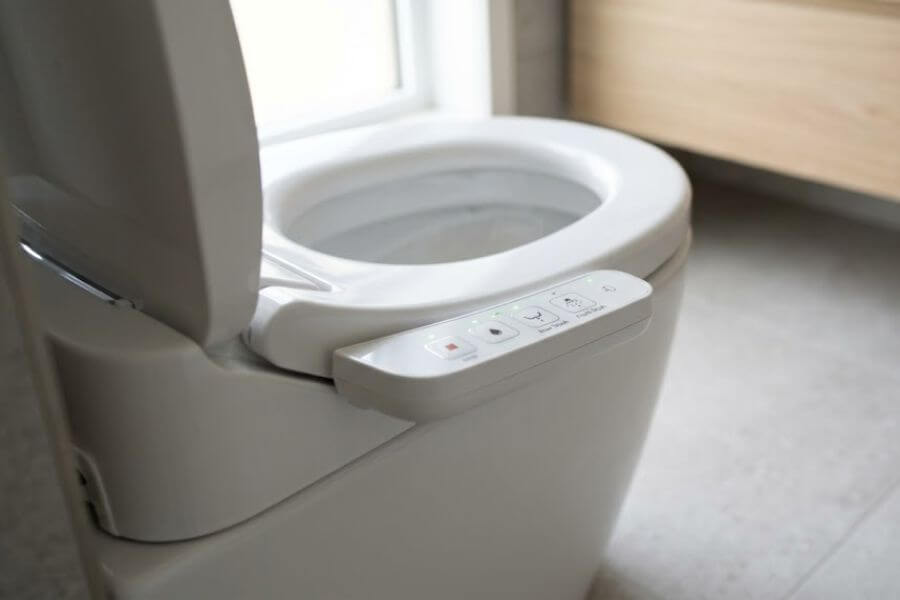
The brain of the bidet is its control panel. Depending on the specific model you are using, this panel will be located in one of two places. On many standard models, the control panel is a long plastic arm attached directly to the right side of the toilet seat. You will need to glance downward and to your right to see the buttons.
On newer or luxury models, the control panel is actually a separate wireless remote control mounted on the wall next to the toilet. This wall-mounted design is excellent because it lifts the buttons right up to your eye level, making them much easier to read. Some of these wall remotes can even be lifted out of their magnetic wall cradles so you can hold them right in your hand.
The Hidden Spray Wands
If you look inside the back of the toilet bowl, you might notice a small plastic panel or slot. Hidden behind this shield are the spray nozzles or wands. When you press a wash button, a small plastic tube extends out into the center of the bowl, shoots a precise stream of warm water, and then slides back into its hidden garage.
These wands are fully motorized and designed to angle themselves perfectly. They are also engineered to clean themselves with water before and after every single use, ensuring that they stay clean for the next person.
The Smart Seat Sensors
Have you ever wondered why a high-tech toilet does not just spray water all over the room if a toddler walks in and pushes the buttons? The secret lies inside the seat itself. High-tech bidets contain a built-in safety sensor, often called a skin-occupancy sensor.
This sensor is usually located on the back-right or back-left quadrant of the plastic seat. It detects the weight, warmth, or direct contact of a human body. If nobody is sitting firmly on the seat, the computer chip locks down the washing and drying functions. The moment you stand up, the bidet automatically shuts off the water spray to prevent a giant flood.
Cracking the Code: Understanding the Control Panel Icons
The biggest challenge for most beginners is figuring out what all those buttons actually do. Many authentic Japanese bidets feature control panels labeled with Japanese characters. However, almost every panel also includes clear, universal pictures that tell you exactly what will happen when you press a specific button. Let us decode the most common icons so you never press the wrong thing.
The Universal Stop Command
The most important button on the entire panel is the Stop button. In Japan, this button is usually a bright, solid square, or a circle with a square inside it, and it is almost always colored bright red or orange. If the water pressure feels too high, or if you simply feel finished with your wash, pressing this button instantly shuts down all water sprays and air dryers. Think of it as your emergency escape hatch. Memorize its location before you activate any other feature.
The Rear Wash and Feminine Wash Buttons
Next, look for the icons that control the water sprays. You will generally see two distinct washing options:
- The Rear Wash: This button is usually represented by an icon of a single, solid water droplet or a single stream of water hitting a stylized backside. This option sends out a strong, concentrated stream of water meant for standard cleaning after using the restroom.
- The Front or Feminine Wash: This button features an icon with multiple small water droplets, a wide spray pattern, or a pink flower symbol. This function extends the spray wand a bit further forward and delivers a much wider, gentler, shower-like mist designed specifically for feminine hygiene.
The Drying and Comfort Options
To the side of the wash buttons, you will find options for finishing up your bathroom visit. The dryer button is typically illustrated by an icon showing three or four wavy horizontal lines, which look like a gentle breeze or a small blow-dryer.
You might also spot a button with a musical note on it. This triggers a sound masking feature that plays a recording of a rushing waterfall, flushing water, or classical music. It is designed to give you complete privacy so that nobody outside the bathroom door can hear what you are doing.
Sitting Down Correctly: Activating the Safety Sensor
Using a high-tech bidet safely starts the exact millisecond your body touches the plastic seat. Because these toilets rely on smart tech to function safely, sitting down the wrong way can cause the toilet to malfunction or refuse to work at all.
Aligning Your Body
To ensure the bidet works perfectly, you need to sit all the way back on the seat. If you lean too far forward, sit sideways, or hover over the seat because you are nervous about touching the plastic, your body will not trigger the internal seat sensor. When this happens, pressing the wash buttons will do absolutely nothing. Sit down firmly, plant your feet flat on the floor, and relax your shoulders.
Listening for the Activation Cues
When you sit down properly and trigger the sensor, the toilet will usually give you a few subtle signs that it knows you are there. You might hear a faint electronic beep. You will also likely hear the sound of running water inside the bowl.
Do not panic—this is just the toilet performing its automatic pre-wash routine, where it runs a small stream of water over the hidden spray wands to clean them and wet the porcelain bowl so that waste does not stick to it. You might also feel the seat begin to warm up underneath you as the internal heating elements activate.
The Golden Rule of Bidet Safety: Start Low and Slow
Imagine turning on a garden hose and having it blast you at full force when you only expected a gentle sprinkle. That is exactly what can happen if you do not check the bidet settings before turning on the water. Every person who uses the bathroom has different preferences for how hot or how strong they want the water to be. The previous user might have left the settings on maximum intensity, which could feel shocking or painful to you.
Adjusting Pressure and Temperature
Before you press any wash buttons, locate the adjustment toggles on the panel. These are usually labeled with plus and minus signs, or a row of small LED lights that indicate intensity levels. Look for two specific categories:
- Water Pressure: Often labeled with an icon of a water spray or the words “Hi” and “Lo”. Always tap the minus button until the lights show that the pressure is at its absolute lowest level.
- Water Temperature: Often labeled with a thermometer icon or hot and cold colors (red and blue). Adjust this so it is at a neutral, lukewarm setting, or even turned completely off if it is a hot summer day.
Gradual Customization
Once you have verified that the bidet is set to its lowest, gentlest level, go ahead and press your desired wash button. The water will begin to spray. Because you started at the bottom, the stream will feel like a very soft, warm mist.
From here, you can slowly tap the plus button one step at a time to increase the pressure until it feels comfortably clean. Never skip levels or jump straight to high pressure, as sudden high-pressure water can cause skin irritation or discomfort.
Navigating the Wash Cycle: Proper Positioning and Timing
Once the water is spraying safely, you need to know how to let it do its job effectively. You do not need to sit perfectly frozen like a statue, nor do you need to wiggle around wildly. A few controlled adjustments will give you a perfect clean without any mess.
Shifting Your Position
The water stream from a bidet shoots out at a fixed, precise angle. While some luxury bidets have buttons that allow you to electronically adjust the nozzle position forward or backward, simpler models do not. If the water is not hitting the exact spot you need it to clean, do not try to reach down and move the plastic spray wand with your hand.
Instead, gently shift your weight on the seat. Lean your torso slightly forward or slide your hips back half an inch. A very small shift in your body position changes where the water lands completely, allowing you to get clean safely.
The Power of the Massage and Oscillate Modes
Many modern bidets include advanced wash modes that make cleaning even safer and more efficient because they reduce the need for high water pressure. Look for a button labeled “Oscillate” or “Move”. When you press this, the spray wand will begin to slide back and forth automatically, covering a wider area with a gentle rhythm.
There is also often a “Pulse” or “Massage” button, which alternates the water pressure between strong and soft. This pulsing action creates a soothing sensation and helps break loose any remaining debris without requiring you to turn the overall water pressure up to a harsh level.
Keeping Track of Time
How long should a bidet wash actually last? A common mistake is letting the water spray for minutes on end. In reality, a high-tech bidet is so efficient that it only takes about fifteen to thirty seconds to clean you completely.
Running the water for too long can strip away the natural oils in your skin, leading to dryness, itching, or irritation over time. Let the water run for a brief count of twenty, then press that big red Stop button to end the cycle.
The Drying Phase: High-Tech Air vs. Traditional Paper
Once the water stops, you will be completely clean, but you will also be quite wet. High-tech bidets offer a built-in solution for this, but you must use it correctly to avoid skin irritation.
Utilizing the Warm Air Dryer
Press the dryer button to activate the built-in fan. You will instantly feel a stream of warm air blow upward from the back of the bowl. Just like the water features, the air dryer has adjustable temperature settings.
Always ensure the air is set to a cozy, warm temperature rather than hot. Skin in this area is incredibly sensitive, and air that is too hot can cause mild burns or dry out your skin excessively.
The air dryer is designed for a relaxing experience, and it usually takes about one to two minutes to dry you off completely. If you are in a rush and do not want to wait for the fan to finish its cycle, you can press the Stop button early.
The Hybrid Drying Method
If you want to save time while staying perfectly comfortable, the hybrid method is the absolute best approach. Instead of relying solely on the air dryer, take a tiny piece of toilet paper—just a square or two—and gently pat the area dry first.
Do not wipe, rub, or scrub your skin. Wiping wet skin with dry paper can cause the paper to shred into tiny, messy lint pieces, and it can irritate your skin.
By gently patting the excess water away first, you remove the bulk of the moisture. Then, you can run the warm air dryer for just ten or fifteen seconds to evaporate any remaining dampness, leaving you feeling fresh and completely dry.
Maintaining Internal Hygiene: Self-Cleaning and Wand Care
A high-tech toilet is excellent at keeping you clean, but it can only do that if its internal components stay hygienic. The spray wands spend their entire life inside a toilet bowl, which means they require specific safety habits to keep bacteria from building up.
Relying on the Automatic Wash
As mentioned earlier, smart toilets are programmed to rinse their own nozzles with fresh water right before and right after they extend. Many premium models go a step further and use electrolyzed water or built-in ultraviolet lights to sanitize the plastic wands automatically, killing any microscopic germs. You do not need to do anything to activate this; just let the toilet perform its automated routines.
Manual Nozzle Cleaning Safety
Every few weeks, the spray wands might need a deep cleaning to remove mineral deposits left behind by your tap water. Never reach into the bowl and yank the spray wand out with your fingers, as this can snap the delicate motorized gears inside the toilet and ruin the machine.
Instead, look at your control panel for a button labeled “Nozzle Clean” or “Wand Cleaning”. When you press this button while sitting off the toilet, the computer will safely extend the wand out into the open air without spraying any water.
This allows you to safely clean it. Spray the wand with a mild, non-abrasive bathroom cleaner and gently wipe it down with a soft microfiber cloth or an old soft-bristled toothbrush. When you are finished, press the Stop button, and the wand will safely slide back into its protective housing.
Health and Comfort: Water Temperature and Skin Safety
Using a high-tech bidet can be highly beneficial for your overall health, but only if you respect your body’s sensitivity. The skin inside and around your nether regions is among the thinnest and most delicate skin on your entire body. Treating it roughly with ice-cold water or scalding-hot water can lead to painful consequences.
The Dangers of Extreme Temperatures
If your bidet is connected to a cold water line without a proper built-in heater, the water spraying out in the winter can feel like ice. Cold shocks can cause your pelvic muscles to freeze up and tense up uncomfortably.
On the flip side, turning the water heater setting up to the absolute maximum can cause thermal injury to delicate tissues over time. Aim for a temperature that matches your natural body heat—around ninety-eight degrees Fahrenheit. It should feel like a cozy, relaxing bath, never like a hot iron or an ice cube.
Avoiding Chemical Irritation
Because a bidet cleans you thoroughly with pure water, it completely eliminates the need for harsh wet wipes, scented wet tissues, or aggressive scrubbing with dry paper. Avoid using soaps or body washes in tandem with the bidet stream. The water pressure alone is more than enough to remove all waste. Introducing harsh soaps into the bidet routine can wash away healthy bacteria and throw off your natural pH balance, leading to rashes, yeast infections, or severe itchiness.
Preventing Bathroom Disasters: Sensor Awareness and Child Safety
High-tech toilets are incredibly fun for adults, but they can look like an interactive video game or a water amusement park to young children. If you have kids in the house, or if you have guests visiting who have never seen a bidet before, you need to implement a few safety guardrails to prevent massive messes.
The Curious Finger Dilemma
Children love pushing buttons that light up. If a child stands next to the toilet and pushes down hard on the seat with one hand, they will fool the seat sensor into thinking a full-grown person is sitting there. If they use their other hand to press the Rear Wash button, a stream of water will shoot straight up out of the bowl, flying over the opposite wall, soaking the bath towels, and drenching the ceiling.
To prevent this bathroom disaster, many high-tech bidets feature a child lock mode. You can activate this by holding down a specific combination of buttons (check your manual for details), which completely disables the spray wands until an adult unlocks it. If your model does not have a child lock, the safest habit is to keep the bathroom door closed or unplug the toilet’s electrical cord when toddlers are wandering around.
Keeping the Lid Closed
Many high-tech toilets come with an automated lid that opens via a motion sensor when you walk into the room and closes a few minutes after you leave. If your model requires you to close it yourself, always shut the lid before you hit the flush button. Flushing with the lid open creates a microscopic mist of toilet water that floats into the air.
Closing the lid keeps that mist trapped inside the bowl, ensuring that your bidet control panel, wall remote, and nearby toothbrushes stay perfectly sanitary and clean.
Comparing Bidet Types: A Helpful Reference
Not all high-tech bidets are identical. If you are traveling or shopping for your own home, you will generally run into three distinct styles of electronic bidet systems. Each has its own design layout and safety considerations. The table below compares these three common options to help you understand what to expect.
| Bidet Style | Control Location | Installation Type | Key Safety Feature | Best For |
| Integrated Smart Toilet | Wireless wall remote or smartphone application | Replaces the entire porcelain toilet bowl completely | Automatic emergency water shutoff and backup manual flush valve | Luxury bathrooms and permanent home renovations |
| Electronic Bidet Seat | Attached side arm panel or slim wireless remote | Replaces only the plastic seat on top of your existing toilet bowl | Built-in ground-fault circuit interrupter electrical plug | Converting a standard toilet into a smart toilet easily |
| Non-Electric Mechanical Attachment | Small dial panel tucked directly under the right seat hinge | Clamps underneath your existing toilet seat | Completely mechanical pressure relief safety valves | Budget-friendly setups and bathrooms without electrical outlets |
Understanding the Hidden Features: Deodorizers and Nightlights
Beyond the basic washing and drying functions, high-tech Japanese bidets are packed with subtle, automated features designed to make your bathroom experience safer, quieter, and more pleasant. Learning how to manage these features ensures you get the absolute most out of your smart appliance.
The Automatic Deodorizer Fan
Have you ever noticed a soft, whirring hum the moment you sit down on a high-tech toilet? That sound is not the water pump—it is the automatic deodorizer fan. Inside the toilet base is a small intake fan that pulls air out of the toilet bowl and passes it through a powerful carbon filter before releasing it back into the room.
This filter absorbs odor molecules instantly, ensuring the bathroom smells fresh for the next person. To keep this feature working safely and efficiently, you should locate the small filter slot on the side of the toilet seat every few months and pull out the mesh screen to blow away any accumulated household dust.
The LED Nightlight
Stumbling into a dark bathroom in the middle of the night can be dangerous. Stubbing your toe or tripping over a bathmat is a quick way to get hurt. Many high-tech bidets solve this problem by incorporating a built-in LED nightlight that glows softly inside the toilet bowl or beneath the control panel.
This gentle glow is bright enough to guide you safely to the seat without requiring you to switch on the bright overhead bathroom lights, which can startle your eyes and disrupt your sleep cycle. You can usually toggle this feature on or off by holding down the Stop button for a few seconds.
Frequently Asked Questions
Can a high-tech bidet water stream cause an electrical shock while I am sitting on it?
No, it is completely impossible to get shocked by the water stream. Even though high-tech bidets run on electricity to warm the water and power the computer chips, the electrical heating elements are fully sealed in heavy-duty waterproof casings deep inside the plastic housing. Furthermore, code requirements dictate that these toilets must be plugged into a ground-fault circuit interrupter outlet. This special safety outlet monitors electricity flow and cuts the power instantly if it detects even a tiny electrical leak, keeping you perfectly safe.
What should I do if the water spray suddenly stops working mid-wash?
If the water cuts out unexpectedly, the most common reason is that you shifted your body weight and accidentally unseated the smart skin-occupancy sensor. Try sliding your hips further back and sitting down flatly to re-engage the sensor. If that does not work, check to see if your home experienced a brief power flicker, which might cause the bidet’s internal computer to restart. Finally, some continuous-flow water heaters will automatically pause the spray for a few seconds if they run out of instantly heated water, taking a brief moment to warm up the next batch of water.
Is it safe to use a Japanese bidet if I have a skin infection or open cuts?
Yes, using a bidet is actually much safer and more hygienic than using dry toilet paper if you are dealing with skin irritation, infections, or hemorrhoids. Dry toilet paper acts like sandpaper, scratching sensitive skin and spreading bacteria deeper into cuts. The gentle, warm water stream of a bidet cleans the area thoroughly without any friction or rubbing. Just ensure that you keep the water pressure on its lowest setting, use pure water without any harsh soaps, and pat the area completely dry afterward using a clean towel or the low-heat air dryer.
Can the bidet nozzle become clogged by hard water minerals?
Yes, if you live in an area with high amounts of calcium or magnesium in your tap water, these minerals can slowly build up around the tiny spray holes of the nozzle over time. This can cause the water stream to shoot out at a crooked angle or stop spraying entirely. To prevent this safely, utilize the manual nozzle cleaning button once a month to extend the wand. Soak a soft cloth in white vinegar, which naturally dissolves hard mineral crusts, and gently wrap it around the nozzle for ten minutes before wiping it clean.