Key Takeaways
- Foreign Ownership is Fully Legal: Anyone can legally buy and own real estate in Japan regardless of their citizenship or visa status.
- The Purchase Price is Just the Beginning: While the initial cost of a vacant home can be under ten thousand dollars, hidden expenses like structural renovations, utility updates, and local legal fees will multiply your total investment.
- Property Ownership Does Not Grant Residency: Buying a home will not give you a special visa or permanent resident status to live in Japan full-time.
- Community Expectations are Sky High: Local towns now require active maintenance and neighborly participation to ensure these homes do not fall into neglect again.
Right now, millions of homes across Japan sit completely empty, waiting for someone to bring them back to life. These vacant, countryside residences are known as akiya. Due to major population shifts toward big cities, local governments and desperate families are practically giving these properties away. If you have ever dreamed of owning a piece of Japan without spending a fortune, this is your ultimate roadmap to making that dream happen.
Understanding the Hidden Realities of Cheap Vacant Homes
The internet makes finding a cheap home look like a walk in the park. You might see social media posts showing beautiful countryside estates selling for the price of a used laptop. While those prices are real, the condition of the home dictates what happens next. Many of these structures have been locked up and ignored for ten, twenty, or even thirty years.
When a building sits without ventilation or heating for decades, nature takes over. You need to prepare yourself for common issues like severe roof leaks, rotted floorboards, and hidden termite colonies. Furthermore, the plumbing systems in older rural homes might rely on ancient septic tanks or galvanized pipes that are completely rusted through.
Another important factor is the construction year. Homes built before the national building code update in 1981 do not meet modern earthquake safety standards. Bringing an older structure up to code can require intense engineering work. This means your affordable country house is actually a major renovation project wrapped in a bargain price tag.
The Total Financial Commitment Breakdown
To plan your budget effectively, you must look far beyond the initial price tag written on the listing page. Even if you find a property that costs next to nothing, the government fees, legal processing costs, and professional services will require significant cash up front.
First, you will need to pay a registration tax to transfer the property deed into your name. Next, you must hire a professional known as a shihoshoshi, which is the Japanese term for a judicial scrivener. This legal specialist handles the complicated paperwork and ensures the title is clear of old debts or family arguments.
On top of that, annual fixed asset taxes will arrive in your mailbox every year. If you let the property sit in a state of total neglect, local laws allow the municipality to multiply your land taxes up to six times the normal rate as a penalty. You must also budget for mandatory fire and earthquake insurance, which carries higher premiums for older wooden structures.
The comparison table below outlines what a typical financial journey looks like when turning an affordable vacant property into a safe, functional home.
| Expense Category | Low-End Estimate (Minimal Fixes) | High-End Estimate (Full Rebuild) |
| Initial Purchase Price | $0 to $3,500 | $15,000 to $35,000 |
| Judicial Scrivener & Deeds | $600 | $1,500 |
| Registration & Government Taxes | $300 | $1,000 |
| Structural & Roof Repair | $6,500 | $20,000 |
| Plumbing & Electrical Updates | $3,500 | $12,000 |
| Annual Fixed Asset Property Tax | $200 per year | $1,000 per year |
| Annual Property Insurance | $300 per year | $800 per year |
Navigating the Legal and Visa Boundaries
One of the biggest misunderstandings about buying a vacant home revolves around the immigration system. Japan has no property-owner visa. Buying a house does not grant you a golden ticket to pack your bags and move to the country permanently.
If you are entering on a standard tourist passport, you are bound by the typical short-term stay limits, which usually cap your visit at ninety days. To live in your new home year-round, you must qualify for a separate, independent visa pathway. This could mean securing a position with a company willing to sponsor a work visa, entering a language school on a student visa, or qualifying for a specialized long-term digital nomad or resident status.
From a pure ownership standpoint, however, the legal system is completely on your side. Japan allows citizens of any country to buy, own, and inherit land and buildings without any nationality restrictions. The only modern requirement introduced recently is that foreign buyers must formally state their home country on the official registration paperwork for government transparency.
Where to Look for Verified Property Listings
Finding these hidden properties requires looking in the right spots rather than browsing standard commercial real estate websites. The best place to start your search is through a regional akiya bank. These are official digital databases run directly by individual town halls and village municipalities to help match vacant homes with eager buyers.
Because these local databases are built for Japanese residents, they are written entirely in Japanese and can be clunky to navigate. Fortunately, specialized platforms have emerged to bridge the gap. These modern companies curate local database listings, translate the details into English, and provide clear photos of the current interior conditions.
You can also search through popular regional real estate networks like SUUMO or At Home. While these larger websites focus mostly on modern city apartments, they contain dedicated sections for countryside properties where older families are looking to offload ancestral estates quickly.
Step-by-Step Purchase Sequence
Buying a home across the world involves a specific series of steps that must be completed in order. Because most international buyers cannot access traditional Japanese bank loans, you should be fully prepared to fund the entire purchase and all upcoming renovations using liquid cash.
Step One: Identify Your Target Region and Search Portals
Begin by narrowing down your ideal location based on climate, mountain views, or proximity to a train station. Dive into the regional municipal databases or use English-friendly platform filters to create a short list of potential properties that match your aesthetic goals.
Step Two: Hire a Bilingual Agent and a Scrivener
Unless you speak fluent Japanese and understand regional property codes, trying to handle the transaction alone is a recipe for disaster. Hire a licensed real estate professional who speaks your language. They will serve as your main point of contact, coordinate with town halls, and protect you from bad contracts.
Step Three: Review the Important Matters Document
Before any money changes hands, the seller’s agent is legally required to give you a massive disclosure packet called the juyo jiko setsumei sho. This document outlines the exact boundary lines of the property, any past damage, zoning laws, and whether the house sits on restricted agricultural land that requires special farming permits to own.
Step Four: Execute the Contract and Submit the Deposit
Once you agree to the terms, you will sign the official sales agreement and submit a deposit, which is normally five to ten percent of the negotiated price. Be absolutely certain about your decision before signing, as backing out after this point usually means forfeiting your deposit entirely.
Step Five: Final Settlement and Deed Registration
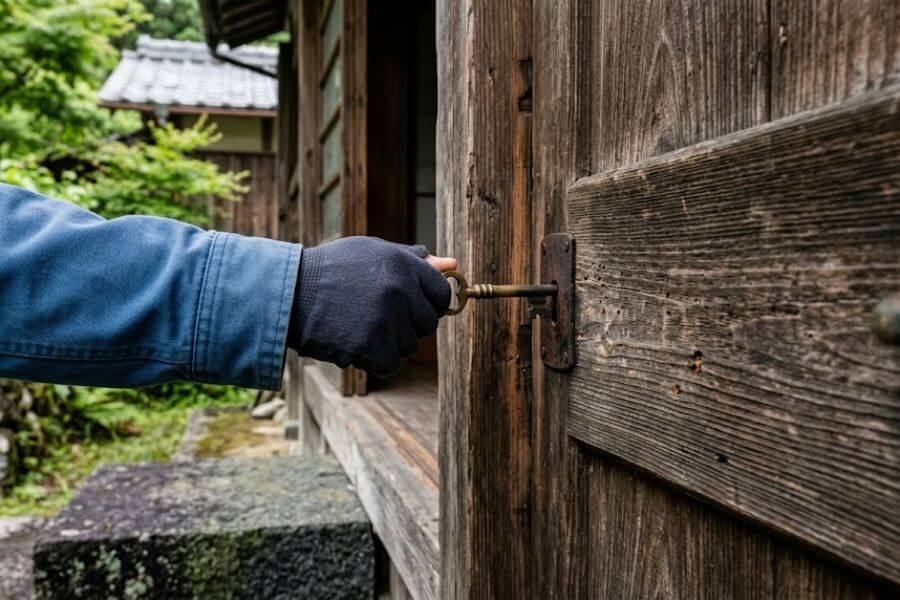
Your judicial scrivener will coordinate the final wire transfer, verify the identities of both parties, and submit the new ownership records to the regional Legal Affairs Bureau. Once the transfer is officially confirmed, the keys will be handed over, and the house is officially yours.
Surviving the Renovation and Cultural Integration
Getting the keys is a major milestone, but the real adventure begins when you start working on the house itself. Finding contractors in rural areas requires patience. Local carpenters and plumbers are often booked months in advance, and explaining your design ideas might require translation apps or hand-drawn sketches.
Instead of trying to turn an old farmhouse into a sterile, ultra-modern suburban home, try embracing the local architectural style. Preserving classic elements like exposed wooden beams, woven tatami straw flooring, and sliding paper screens can save you thousands of dollars while maintaining the historic spirit of the building.
The final piece of the puzzle is becoming a good neighbor. Rural Japanese communities are incredibly close-knit, and residents look out for one another. When you move into the neighborhood, take the time to introduce yourself to the local community leader, participate in neighborhood cleanup days, and follow the local garbage recycling schedules perfectly. Showing deep respect for local customs will instantly transform you from an outside visitor into a welcomed member of the community.
Frequently Asked Questions
Can I buy a vacant home if I do not speak any Japanese?
Yes, you can absolutely purchase a property without speaking the language, but you will need to hire a bilingual real estate agent or an independent translator to guide you. The legal contracts, government disclosures, and town hall registrations are processed entirely in Japanese, so having professional linguistic support is vital to protect your financial investment.
Are there any hidden rules against renting out my property on apps?
Many small towns and municipal vacant housing programs place strict limitations on short-term vacation rentals. These regional programs are designed to attract long-term residents who will contribute to the local community rather than outside investors looking to run a busy tourist business. You must check the specific zoning rules and neighborhood bylaws with your agent before planning to rent out the home.
What happens if the previous owner passed away without a clear heir?
This is a very common situation that can cause major delays in the buying process. If a property title is still registered under the name of a deceased relative, a judicial scrivener must track down every single living family heir to get their official signature before the property can be legally sold to you. This title clearing process can add several months to your timeline.
Do these cheap country homes come with the land included?
In most situations, the purchase includes both the physical building and the land beneath it. However, you must carefully read the disclosure documents to ensure you are not entering a land-lease agreement, where you own the structure but must pay a monthly fee to a separate landlord who owns the dirt.
How do I handle garbage disposal and neighborhood utilities in a rural village?
Rural areas have highly organized community associations called jichikai that manage local trash collection spots, clean common roads, and organize safety patrols. When you take ownership of your home, you will join this association, pay a small annual neighborhood fee, and receive a detailed guide explaining the exact days and sorting rules for community waste management.