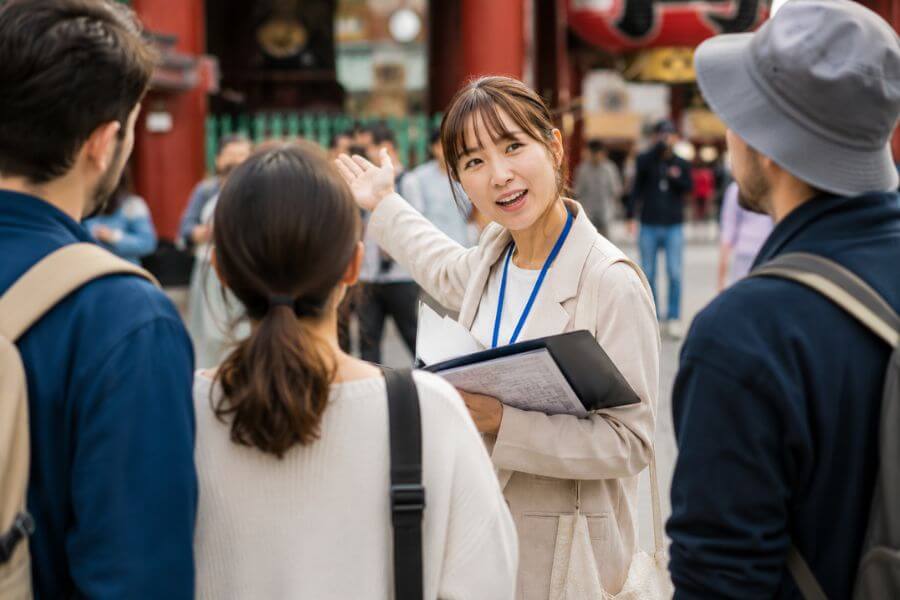
Key Takeaways
- Decide if you want a private guide for personalized attention or a group tour for cost savings.
- Check for official certification like the National Government Licensed Guide Interpreter badge.
- Prioritize guides who specialize in your specific interests, such as history, food, or anime culture.
- Use reputable platforms to read genuine traveler reviews regarding communication and punctuality.
- Always finalize the itinerary and total price in writing before the tour date to avoid surprises.
- Book at least two to three months in advance, especially if you plan to visit during cherry blossom season or autumn foliage peaks.
Why You Need a Local Guide in Japan
Japan is a land of wonders, but it is also a land of hidden layers. You might land at Narita or Haneda Airport with a pocket full of maps and a smartphone loaded with apps, yet you will still find yourself standing in front of a beautiful, mysterious temple wondering what its story is. A guidebook can tell you the name of the building, but a local guide tells you the soul of the place. They help you navigate the delicate dance of social manners, point you toward the best ramen shop that does not have a line wrapping around the block, and help you unlock the history hiding behind quiet stone walls.
Having an English-speaking guide bridges the gap between being a tourist and being a temporary resident. Japan is unique in that many of its best experiences are not advertised in English. Without a local expert, you might walk right past a centuries-old craft workshop or a tiny, hidden gallery simply because the sign is written in kanji. A guide does not just translate words; they translate culture. They bridge the gap between your world and the intricate, polite, and fascinating world of Japan. By bringing a guide along, you gain access to the parts of Japan that remain invisible to the average traveler.
Understanding the Different Types of Guides
Not all guides are created the same. Before you begin your search, you should know what kind of help you actually want. Japan offers various styles of professional guidance, each serving a different type of traveler.
The National Government Licensed Guide
In the past, Japan had a strict system where only those who passed a difficult government exam could work as tour guides. Today, the rules are more flexible, but the National Government Licensed Guide Interpreter certification remains the gold standard. These individuals have proven their deep knowledge of Japanese history, geography, and culture. If you want a deep dive into the Shogunate era, the complex politics of the Edo period, or the architectural nuances of Kyoto shrines, this is the person you want by your side.
The Private Cultural Specialist
Many people in Japan now work as independent guides focusing on niche interests. These people might not hold the national government license, but they are experts in their specific hobbies or crafts. For example, you can find guides who specialize in Japanese tea ceremonies, modern street fashion in Harajuku, or the best photography spots in Tokyo. They offer a more relaxed, hobby-based experience. These guides are perfect if you already know what you love and want to go deep into that one specific topic.
The Group Tour Escort
If you are on a tighter budget or if you enjoy meeting other travelers, a group tour is a solid choice. These guides are excellent at managing logistics. They ensure everyone gets on the bus on time, knows where the bathroom stops are, and hears the core facts about every landmark. While you sacrifice the ability to change the plans on a whim, you gain the benefit of a professional organizer who makes sure the day runs like a well-oiled machine.
Comparison of Guide Options
| Feature | Private Licensed Guide | Cultural Specialist | Group Tour Guide |
| Depth of Knowledge | Very High | High (Niche) | General |
| Customization | Full Control | High | Limited |
| Interaction | One-on-One | One-on-One | With Group |
| Cost | Higher | Moderate | Lower |
| Pacing | Your Pace | Specialized Pace | Fixed Schedule |
Where to Find Your Perfect Match
Finding the right person is easier today than ever before, but it requires a bit of detective work. You should avoid jumping at the first profile you see. Instead, look for platforms that allow you to read detailed biographies and see what other travelers have said about their experiences.
Using Trusted Online Marketplaces
There are several platforms designed to connect travelers with local experts. Look for sites that offer secure payment systems and clear cancellation policies. When you use these platforms, you can see if the guide has a badge indicating they have been verified. Look at the photos they provide. Do they look professional? Do they smile? Are their descriptions written in clear English? The way a person presents their profile usually mirrors how they will present themselves during your tour.
Checking Independent Guide Websites
Many top-tier guides run their own websites. This is often a sign of a seasoned professional who has been working in the industry for a long time. While you might lose the protection of a large third-party platform, you often get a more personal experience. You can email them directly to gauge their communication skills. If they respond quickly, professionally, and with warmth, you are likely looking at a great candidate for your trip.
Networking and Recommendations
Do not underestimate the power of word-of-mouth. Check forums and travel communities to see who others are recommending. Sometimes, the best guides do not need to advertise because they are always booked through referrals. If you see a name pop up repeatedly in positive discussions, take note of it.
Evaluating Your Guide Before You Book
Once you have a shortlist, it is time to interview them. You do not need to be formal, but you should ask a few key questions to ensure a good fit. A good guide will be happy to answer these, as they want the tour to be successful just as much as you do.
Assessing Communication Style
Send an initial message stating your dates, your interests, and your expectations. Watch how they reply. Do they listen to your requests, or do they just send a generic template? A great guide will acknowledge your specific interests. For instance, if you mention you love traditional architecture, a great guide will say, “I know a quiet temple that is perfect for someone with your interests.” If they ignore your specific requests, keep looking.
Reviewing the Itinerary Proposal
A professional guide will always provide a rough plan. Look at how they structure the day. Do they include enough time for breaks? Are the travel times realistic? Japan is a massive country, and it is easy to overbook your day. A guide who suggests three temples, a lunch spot, and a garden in one afternoon is being unrealistic. A guide who suggests one temple, a tea break, and a stroll through a historic district understands that you want to experience Japan, not just race through it.
Clarifying Fees and Hidden Costs
The total cost should be transparent. Ask if the price includes the guide’s transportation, their lunch, and entrance fees. Usually, you are expected to pay for the guide’s expenses, but it is better to have this confirmed in writing before you finalize the booking. This prevents any awkwardness during the actual tour.
Preparing for Your Guided Day
Once the booking is set, your work is not quite finished. Being a good client helps your guide provide a better experience. You want to make sure your expectations are aligned before you meet at the train station or lobby.
Defining Your Interests Clearly
Be honest about what you like. If you get bored in museums, tell them. If you prefer walking through quiet backstreets over visiting crowded shopping malls, make that clear. Guides are not mind readers. If you do not give them directions, they will default to the most famous tourist spots. The more specific you are about your preferences, your fitness level, and your dietary needs, the more the guide can tailor the experience to be perfect for you.
Logistics and Meeting Points
Japan is famous for its massive, complex train stations. Getting lost is part of the fun, but not when you are trying to meet your guide. Ensure you have the exact meeting point, including the specific exit number or landmark. Ask your guide for their local phone number or the messaging app they prefer to use. Having a way to reach them on the day of the tour is essential.
Packing for the Tour
Remind yourself that you will likely be walking a lot. Even if you book a tour that involves public transport, there is always more walking than you expect. Wear comfortable shoes, dress in layers, and carry a small bag for your essentials. If you are visiting during the summer, bring a hand towel and a bottle of water. If you are visiting in the winter, be prepared for indoor heating to be very strong. Being comfortable helps you focus on what the guide is saying rather than your aching feet or freezing fingers.
Making the Most of the Experience
During the tour, remember that you are the lead actor, and the guide is your director. They are there to make your day better. Feel free to ask questions. Even if a question feels silly, ask it anyway. That is what you are paying for.
Asking Thoughtful Questions
Go beyond “What is this?” and try to ask “Why is this significant?” or “How does this fit into daily life here?” You will find that asking about their personal experiences or their perspective on local culture often leads to the best stories. Guides are people, and they often have fascinating insights into how Japan has changed over the years.
Being Flexible
Sometimes, the weather does not cooperate, or a site is unexpectedly closed. A skilled guide will have a backup plan. Go with the flow. Some of the best memories come from those moments when the plan changed and you ended up in a tiny, unknown cafe or an empty park instead of a crowded landmark. Trust the person you hired; they have a deep knowledge of the area and know how to find magic even when things do not go exactly as scheduled.
Showing Appreciation
If your guide does a wonderful job, tell them. You might even consider tipping them at the end, though tipping is not a part of Japanese culture. If you do choose to tip, put the money in an envelope rather than handing over loose coins. It is a polite and respectful way to acknowledge their hard work.
Understanding the Logistics of Japan Travel
Travel in Japan is efficient, but it can be confusing for newcomers. Your guide will handle the train transfers and the ticket machines, but it helps if you understand the basics.
Navigating Public Transport
Your guide will likely be a master of the local train and bus systems. Watch how they move. You will notice that they are always aware of the flow of people. Follow their lead, and you will learn the local rhythm of moving through the city. They can help you understand how to use your IC card for seamless travel.
Etiquette and Manners
Japanese culture places a high value on quiet and respect. Your guide will remind you not to speak loudly on the train or to avoid eating while walking in certain places. Listen to these tips. They are not meant to restrict your fun, but to help you blend in and be treated with the same respect that you are showing to the local community.
Frequently Asked Questions
Do I need to pay for the guide’s lunch and transport?
Yes, it is standard practice to cover the costs for your guide during the tour. This usually includes their transportation expenses and their meal if you are eating together. It is always wise to confirm this expectation during the booking phase so there is no confusion on the day of your tour.
What should I do if the guide is not a good fit for me?
Communication is key. If you find that the style of the guide does not match what you expected, try to bring it up politely early in the day. Sometimes a simple request to change the pace or focus is all that is needed. If it is a major issue, contact the agency or platform you used to book the guide for further assistance.
How far in advance should I book my English-speaking guide?
For popular seasons like cherry blossom time in the spring or the foliage season in autumn, you should aim to book at least three to four months in advance. For other times of the year, two months is usually sufficient. Since high-quality guides are in high demand, booking earlier is always better to ensure you get your preferred person.
Can a guide help me make dinner reservations or find specific shops?
Absolutely. Most professional guides are happy to help you with logistics that go beyond just walking through a temple. If you tell them in advance that you want to find a specific type of boutique or need a reservation at a hard-to-book restaurant, they can often make that happen for you, saving you a lot of time and frustration.
Are these guides only available for full-day tours?
Not at all. Many guides offer half-day tours, which are perfect if you want to explore on your own but need an introduction to a specific neighborhood or topic. You can find many options ranging from three-hour walking tours to full-day immersive experiences.
What happens if it rains on the day of my tour?
Japan is used to rain, and most tours will proceed as planned. A professional guide will have a rain-ready itinerary. They might suggest indoor museums, shopping arcades, or covered temple walkways. They will check in with you to see if you are comfortable continuing, but you should always be prepared with a sturdy umbrella, which you can easily buy at any convenience store in Japan.