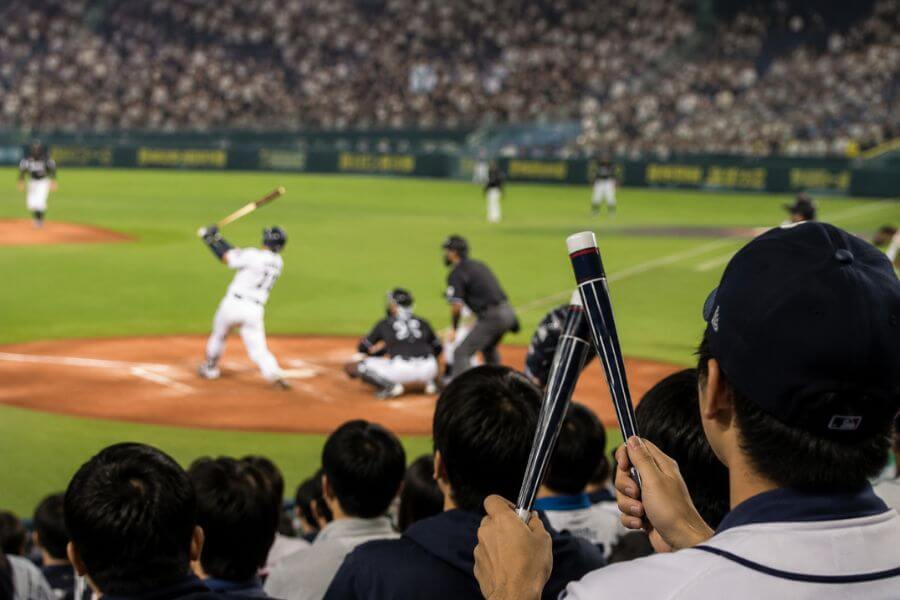
What You Will Learn Before You Go
- Electric Atmosphere: Japanese baseball games offer a unique, high-energy environment filled with coordinated chants, brass bands, and custom songs for every single batter.
- Unique Stadium Food: You can skip the standard hot dogs and enjoy fresh bento boxes, takoyaki (octopus balls), yakitori (grilled chicken skewers), and draft beer poured from backpack kegs.
- The Lucky Seventh Inning: Every home team celebrates the bottom of the seventh inning by releasing thousands of colorful jet balloons into the sky simultaneously.
- Two Distinct Leagues: The Central League features traditional baseball with pitchers batting, while the Pacific League uses a designated hitter and embraces modern, creative fan engagement.
- Simple Ticket Process: Getting your seats is straightforward if you plan ahead, whether you buy them online from home or pick them up at a local convenience store after landing.
Welcome to the Greatest Show on Earth
Imagine stepping into a stadium where the energy rivals a massive pop concert, a soccer derby, and a neighborhood festival all rolled into one. Your ears pick up the rhythmic beat of a drum. Moments later, a full brass band blasts a catchy melody from the right-field bleachers. Thousands of fans around you wave plastic mini-bats in perfect synchronization, chanting words you might not understand but instantly want to mimic.
This is Nippon Professional Baseball, widely known as NPB. If you think baseball is just a slow game played on a lazy summer afternoon, a trip to a Japanese stadium will completely change your mind.
In the United States, a baseball game is often a social event where people chat, eat peanuts, and look up when a loud hit occurs. In Japan, the game is a beautiful, non-stop performance. The fans do not just watch the action; they are an active part of it. From the very first pitch to the final out, the stadium rocks with an organized passion that is impossible to resist.
As a traveler visiting Japan for the first time, attending a game is one of the finest ways to experience local culture. You get to see how regular people relax, celebrate, and build community. You do not need to be a sports fanatic to love this experience. The joy in the air is contagious, the food is incredible, and the hospitality is unmatched. This guide will walk you through every single step to make your first Japanese baseball game an unforgettable highlight of your trip.
Understanding the Two Leagues and the Teams
Before you buy a ticket or pick a team to cheer for, it helps to know how professional baseball is set up in Japan. Just like the Major Leagues in North America, NPB is split into two separate leagues. Each league has six teams, making a total of twelve professional teams scattered across the country.
The two leagues have different rules and distinct personalities, which can change your viewing experience.
The Central League
The Central League is often seen as the more traditional and historic side of Japanese baseball. The biggest difference here is that pitchers must step up to the plate and hit, just like the old days of the National League in America. This creates a strategic game filled with sacrifice bunts, careful pitching changes, and classic small-ball tactics.
The Central League is also home to some of the oldest and most popular teams in the nation, meaning stadium seats can fill up very quickly.
- Yomiuri Giants: Playing in the heart of Tokyo at the massive Tokyo Dome, the Giants are often called the New York Yankees of Japan. They have a massive fan base, a long history of winning, and a classic orange and black look.
- Hanshin Tigers: Based near Osaka at the historic Koshien Stadium, the Tigers have the most passionate, loud, and loyal fans in the land. Their rivalry with the Giants is legendary, and their stadium is an open-air cathedral of baseball.
- Tokyo Yakult Swallows: This team plays at Meiji Jingu Stadium right in central Tokyo. They have a wonderfully relaxed, family-friendly vibe and a famous tradition involving miniature umbrellas.
- Yokohama DeNA BayStars: Located just south of Tokyo in the vibrant port city of Yokohama, this team plays in a beautiful, newly updated stadium and is known for its highly entertaining fan experience.
- Hiroshima Toyo Carp: Down in western Japan, the Carp are deeply tied to their city. Their fans wear bright red, pack their stadium to the brim, and create an incredibly intense wall of sound.
- Chunichi Dragons: Based in Nagoya, the Dragons play in a modern dome and have a dedicated following that loves tight, defensive baseball.
The Pacific League
The Pacific League is known for being modern, innovative, and powerful. They use the Designated Hitter rule, which means pitchers do not hit, leading to more home runs and high-scoring games. This league was also quicker to adopt Western-style stadium entertainment, digital fan engagement, and creative food options.
If you love big hits and a flashy, energetic presentation, a Pacific League game is a fantastic choice.
- Fukuoka SoftBank Hawks: Playing out of a spectacular retractable-dome stadium in Kyushu, the Hawks have been a dominant force for years, backed by incredible tech-driven stadium shows.
- Orix Buffaloes: Based in Osaka and Kobe, this team has surged in popularity recently, offering a great modern stadium experience in the Kansai region.
- Chiba Lotte Marines: Located just outside Tokyo along the windy bay, the Marines fans are famous for acting like European soccer supporters, jumping and singing non-stop for nine innings.
- Hokkaido Nippon-Ham Fighters: Situated way up north in a breathtaking, brand-new indoor stadium that features a brewery and a hotel inside, the Fighters are pioneers of modern fan comfort.
- Tohoku Rakuten Golden Eagles: Playing in Sendai, the Eagles have a fantastic open-air stadium complete with a Ferris wheel and a merry-go-round in the outfield.
- Saitama Seibu Lions: Nestled in the green hills just north of Tokyo, their stadium features a unique roof that hovers over natural surroundings, letting the outside breeze flow through.
Quick Comparison of the Leagues
| Feature | Central League | Pacific League |
| Designated Hitter | No (Pitchers must bat) | Yes (DH bats for pitcher) |
| Style of Play | Tactical, small-ball, bunts | Power hitting, home runs |
| Vibe | Historic, deeply traditional | Innovative, entertainment-heavy |
| Key Regions | Tokyo, Osaka, Yokohama, Nagoya, Hiroshima | Tokyo suburbs, Osaka, Fukuoka, Sendai, Hokkaido |
How to Secure Your Tickets Ahead of Time
Now that you know who plays where, you need to get your hands on some tickets. Because baseball is incredibly popular in Japan, some games sell out weeks in advance, especially on weekends or when historic rivals meet.
Thankfully, getting your entry pass is simple if you follow the right steps.
Buying Online from Your Home Country
The most secure way to lock in your game day plans is to buy tickets online before you even pack your bags. Most NPB teams now offer English-language ticketing websites. You simply navigate to the team’s official site, find their English portal, select your date, and choose your seating section.
Payment is typically done via a major credit card, and you will receive a digital ticket with a QR code. You can print this code out or save it on your smartphone to scan at the stadium gates.
Utilizing Local Convenience Stores
If you are already in Japan and want to catch a game on a whim, your best friend is the neighborhood convenience store. Chains like 7-Eleven, Lawson, and FamilyMart have electronic multi-media kiosks. These machines sell tickets for concerts, theme parks, and yes, baseball games.
While the machine screens are often in Japanese, the store clerks are usually incredibly helpful. You can show them a picture of the game you want to see on your phone, and they will walk you through the button presses. The machine will print out a paper slip, which you take to the front register to pay in cash or card. The clerk will then hand you your official stadium tickets.
Purchasing at the Stadium Box Office
For mid-week games between teams that are not currently at the top of the standings, you can often walk right up to the stadium box office on the day of the event. This is a grand option if your travel schedule is flexible.
Simply arrive about two hours before the first pitch, head to the ticket windows, and look at the availability chart. The staff will point to remaining sections, you make your choice, pay, and walk right inside.
Choosing the Right Seating Area
Where you sit will entirely dictate your experience at a Japanese baseball game. Unlike Western stadiums where the most expensive seats are universally seen as the best, Japan offers a unique choice between luxury comfort and high-octane fan participation.
- Infield Seats (Infield Non-Reserved or Reserved): These seats are located behind home plate and along the first and third base lines. They are generally quieter, offer excellent views of the actual play, and feature comfortable chairs with backrests. This is the ideal zone if you want to focus heavily on the sport, take crisp photos, or if you are traveling with young kids or elderly family members.
- Outfield Cheering Sections (Ouendan): This is where the magic happens. The bleachers in the outfield are split strictly between the home fans and the away fans. If you sit here, you are expected to stand, clap, sing, and chant for the entire time your team is up to bat. It is loud, sweaty, incredibly fun, and gives you the truest taste of Japanese baseball passion. Just make sure you do not accidentally buy a ticket for the visitor side while wearing a home team jersey.
The Pre-Game Ritual and Arriving at the Stadium
To fully absorb the culture of a Japanese baseball game, you cannot simply show up five minutes before the first pitch. The festivities start hours outside the gates, and participating in the pre-game build-up is half the fun of the entire day.
Timing Your Arrival
Plan to arrive at the stadium at least ninety minutes to two hours before the game begins. This gives you plenty of time to navigate the crowds at the local train station, explore the massive team merchandise shops, buy your stadium snacks, and find your seats without feeling rushed.
As you exit the train station nearest to the ballpark, you will immediately feel the excitement. A sea of fans dressed in matching team jerseys will guide you straight to the gates.
Exploring the Team Merchandise Megastores
Before you head through the turnstiles, make a stop at the official team merchandise store, which is usually located right outside the main entrance. This is not just a place to buy a souvenir; it is where you gear up to fit in with the locals.
The stores are packed with colorful jerseys, stylish caps, player towels, and unique noisemakers.
- Cheering Batons: These are small, twin plastic bats that you clap together to create a sharp, rhythmic sound during fan chants. They are cheap, easy to pack in a suitcase, and serve as a perfect souvenir.
- Player Towels: Every major player has a custom towel featuring their name written in bold Japanese characters. When that player steps up to bat or makes a brilliant defensive play, the entire stadium holds these towels high in the air. Finding out who the fan favorite is and buying their towel is an excellent way to join the community.
- Miniature Umbrellas: If you are attending a Tokyo Yakult Swallows game, you absolutely must buy a tiny plastic umbrella. You will use this later for their famous seventh-inning dance.
Navigating Stadium Security and Gate Rules
When you approach the entrance gates, you will pass through a quick security check. The rules here are famously polite but firm, especially regarding outside drinks.
In many Japanese stadiums, you are allowed to bring your own food and snacks, which is a wonderful way to save money or bring specialty treats inside. However, outside cans and glass bottles are strictly banned for safety reasons.
At some stadiums, if you bring a can of beer or soda from a local convenience store, the staff at the gate will gently ask you to stop. They will pull out a large paper cup and carefully pour your drink into it so you can take it to your seat without wasting a drop. It is a level of customer care that surprises many international visitors.
Be prepared to have your bags lightly tapped or searched, scan your QR code or paper ticket, and collect a free stadium program if the team is handing them out.
The Incredible World of Japanese Ballpark Food
Forget about generic, dried-out stadium food. In Japan, the ballpark dining experience is a culinary adventure that rivals any street food market in the city.
The options are fresh, high in quality, and deeply connected to the regional flavors of the team’s home city.
Traditional Japanese Stadium Classics
While you can certainly find burgers and fries, most locals lean toward traditional Japanese comfort foods that are easy to eat out of a container balanced on your knees.
- Bento Boxes (Ekiben style): Ballparks sell custom baseball bento boxes. These beautiful containers are divided into neat sections featuring grilled fish, fried chicken (karaage), pickled vegetables, and seasoned rice. Many teams offer special bentos designed by the star players themselves, featuring their favorite childhood foods.
- Takoyaki: These are savory, spherical batter balls filled with tender chunks of octopus, cooked on a special griddle until golden brown. They are drizzled with a rich brown sauce, Japanese mayonnaise, and topped with dancing bonito flakes. They are served piping hot and are perfect for sharing.
- Yakisoba: Stir-fried noodles cooked on a massive flat-top grill with cabbage, pork, and a sweet-savory sauce. It is a filling, comforting meal that pairs beautifully with a cold drink.
- Katsu Sandwiches: Thick, juicy pork cutlets that are breaded in panko, fried to a perfect crunch, slathered in sauce, and tucked between slices of soft, crustless white bread. They are pre-cut into perfect finger-sized bites.
Regional Food Highlights Across Ballparks
| Stadium / City | Signature Food Item | What Makes It Special |
| Tokyo Dome (Giants) | Lemon Sour & Bento | Sophisticated bento boxes created by celebrity chefs and refreshing, icy citrus cocktails. |
| Koshien Stadium (Tigers) | Koshien Curry | A rich, deeply savory beef curry that has been cooked using the exact same secret recipe since 1924. |
| Mazda Stadium (Carp) | Carp Udon | Thick, chewy wheat noodles served in a steaming, flavorful broth topped with a red, carp-shaped fishcake. |
| PayPay Dome (Hawks) | Hakata Ramen | Rich, creamy pork bone broth noodles served in convenient, heat-retaining portable bowls. |
The Legendary Beer Girls (Uriko)
One of the most famous and unique aspects of the Japanese stadium food and drink scene is the Uriko, or beer saleswomen. These incredibly hard-working young women walk up and down the steep stadium stairs for hours on end, carrying heavy professional kegs strapped to their backs like hiking backpacks.
They wear bright, colorful uniforms that look like track suits or cheerleading outfits, often matching the brand of beer they are selling, such as Asahi, Kirin, or Sapporo.
Despite carrying loads that can weigh over thirty pounds, they sprint up the steps with beaming smiles, scanning the crowd for thirsty fans.
To order from a beer girl, you do not need to yell or wave frantically. Simply make eye contact and raise a single finger. She will slide into your row, kneel down gracefully so she does not block the view of the fans behind you, and pour a fresh, ice-cold draft beer with a perfect head of foam right before your eyes.
You pay her in cash or by tapping your electronic transit card, she thanks you with a deep bow, and she is off to the next customer. It is an amazing display of stamina and service culture.
Navigating the Game: Inning-by-Inning Fan Traditions
Once the umpire yells “Play Ball,” the stadium transforms into a beautifully orchestrated performance. Unlike Western games where noise happens in short bursts after a big play, a Japanese baseball game features a continuous stream of energy that follows a strict, traditional rhythm.
The Home and Away Cheering Dynamic
In Japanese baseball, fans are incredibly respectful of the opposing team. Noise is strictly coordinated based on who is currently at bat. When the home team is batting, the home outfield cheering section goes wild. They sing, beat drums, play horns, and chant with maximum intensity. Meanwhile, the away fans sit quietly, enjoying their food and chatting.
When the teams switch and the away team steps up to bat, the home fans instantly stop their noise and sit down. The away cheering section, located in the opposite outfield corner, then stands up and takes over the sonic atmosphere.
This back-and-forth trade of energy creates a wonderful balance throughout the game. It ensures that every single batter gets a full, dedicated performance from their supporters, and it keeps the stadium environment positive and welcoming.
Player Custom Chants (Oen-ka)
Every single player on the roster, from the superstar home-run hitter to the backup catcher, has their own unique cheer song, known as an oen-ka. The hard-core fans in the outfield memorize all of these songs, including the lyrics and the specific hand movements that go with them.
As a first-timer sitting in the infield, you can easily join in. Watch the fans around you. When a batter walks to the plate, the stadium will start a repetitive chant, usually clacking their plastic batons together in a specific rhythm.
At the end of the musical loop, everyone will shout the player’s name together. Do your best to listen to the phonetics, match the clapping speed, and join the final shout. The local fans next to you will absolutely love your effort.
The Spectacle of the Lucky Seventh Inning
No matter which stadium you choose to visit, the absolute peak of fan engagement happens during the middle of the seventh inning. This is known as the “Lucky Seven,” a time when the home team calls upon the fans to lift their spirits and drive them to victory.
About an hour before this moment, you will notice people around you pulling out long, uninflated plastic balloons, usually in the team’s primary color. Fans spend the break between innings blowing these balloons up until they are about three feet long, then tying them off or holding the stems tight.
When the top of the seventh inning ends, the stadium speakers blast the official team fight song. Thousands of fans stand up, waving these giant balloons in time with the music.
As the final note of the song hits, the entire stadium releases the balloons into the air at the exact same instant. Because of how the tips are shaped, the balloons do not just float; they whistle loudly and shoot around like small rockets, creating a massive, swirling cloud of color that fills the open sky or dome roof before raining down onto the field.
Grounds crews sprint out with large brooms to clean up the plastic in under sixty seconds, and the game resumes. It is a visual marvel that you must see in person to truly appreciate.
Crucial Stadium Etiquette for International Visitors
Japanese society places a premium on politeness, cleanliness, and consideration for the people around you. These cultural values do not disappear when people enter a sports stadium; if anything, they become even more apparent.
Following a few simple behavioral rules will ensure you look like a seasoned traveler and keep the environment pleasant for everyone.
Managing Your Trash
When you finish your bento box, takoyaki tray, or beer cup, look around your seat. You will notice that there is absolutely no litter on the ground. Fans do not leave empty wrappers or peanut shells on the floor for stadium cleaners to deal with after the game.
At the end of every row or near the exit stairs, you will find highly organized garbage separation stations. Staff members stand by these bins to help you sort your waste into specific containers for plastics, paper, food waste, cans, and liquids.
Keep your trash neatly tucked in a small plastic bag under your seat during the game, and carry it out with you when you leave.
Respecting the Views of Others
Space can be tight in Japanese stadiums, especially in older parks or packed outfield bleachers. Be mindful of your personal belongings. Keep your backpack tucked directly under your legs rather than letting it spill into the walking aisle or onto the empty space of the seat next to you.
If you are standing up to take a photograph or a video of the incredible cheering sections, make sure you are not blocking the view of the person sitting directly behind you for an extended period.
If you are sitting in the active outfield cheering sections, remember that standing is the norm when your team is up. If you prefer to sit down comfortably for the full three hours, stick to the infield seats.
Alcohol Consumption and Group Harmony
While beer, highballs, and sake flow freely throughout a Japanese baseball game, the vibe rarely becomes rowdy, aggressive, or hostile. You will almost never see fans picking fights, screaming profanities at the opposing team, or becoming overly disruptive.
The goal of drinking at a Japanese game is to enhance the collective joy and group harmony, not to lose control. Enjoy your drinks, match the happy energy of the crowd, and keep your celebrations positive and focused on lifting up your team.
Helpful Tips for Specific Major Stadiums
Every ballpark in Japan has its own architectural quirks, historic charm, and neighborhood gems. Here is what you need to know about a few of the top venues you are most likely to visit on a standard travel itinerary.
Tokyo Dome (Home of the Yomiuri Giants)
The Tokyo Dome is an icon of the city, located right in the center of Tokyo. Because it is completely enclosed, it is a grand choice for rainy days or during the intense heat of mid-summer, as the air conditioning keeps things perfectly cool.
The stadium is part of a larger entertainment complex called Tokyo Dome City, which features a theme park with a roller coaster, a shopping mall, spa facilities, and dozens of restaurants.
- Getting There: The dome is incredibly well-connected. You can take the JR Chuo-Sobu Line to Suidobashi Station, or the Tokyo Metro Marunouchi or Mita Lines to Korakuen Station.
- Pro Tip: The Tokyo Dome went completely cashless recently. Make sure you have your credit card, smartphone payment app, or an electronic transit card (like Suica or Pasmo) ready to pay for all food, drinks, and merchandise inside.
Meiji Jingu Stadium (Home of the Tokyo Yakult Swallows)
If you want a classic, historic, open-air baseball experience right in Tokyo, Meiji Jingu Stadium is unmatched. Built in 1926, it is one of the oldest baseball venues in the world, surrounded by beautiful trees near the trendy neighborhoods of Shibuya and Aoyama.
Babe Ruth famously played an exhibition game here during a tour of Japan in 1934.
- Getting There: Take the Tokyo Metro Ginza Line to Gaienmae Station. From there, it is a pleasant five-minute walk along a tree-lined avenue straight to the stadium gates.
- Pro Tip: Keep an eye out for the “Umbrella Dance.” Whenever the Swallows score a run or when the seventh inning arrives, the entire stadium opens up their miniature plastic umbrellas and moves them up and down in unison while singing a traditional Tokyo folk song. It is one of the most endearing sights in all of sports.
Hanshin Koshien Stadium (Home of the Hanshin Tigers)
Located right between the cities of Osaka and Kobe, Koshien Stadium is the holy grail of Japanese baseball. Built in 1924, its outer brick walls are completely covered in beautiful green ivy.
Koshien is not just home to the beloved Tigers; it is also where the national high school baseball tournament is held every summer, an event that captivates the entire country. The dirt on this field is considered sacred.
- Getting There: Take the Hanshin Main Line train directly from Osaka Umeda Station or Kobe Sannomiya Station and exit at Koshien Station. The stadium is located right outside the turnstiles.
- Pro Tip: The fan energy here is legendary and intense. If you want to experience the absolute loudest, most passionate wall of sound in the country, try to book a ticket in the outfield bleachers. Just make sure to wear a yellow or black tiger-striped shirt to blend in.
Wrapping Up Your First Game Night
As the final out is recorded and the stadium speakers play the closing melodies, do not rush to sprint out to the train station immediately. If the home team wins, the post-game show is well worth staying for.
The team will host a “Hero Interview” right on the field, where the star players of the game stand on a podium and talk to a stadium announcer about their big hits or incredible pitching performances.
Following the interviews, the players often walk around the edge of the field, bowing to the fans and thanking them for their thunderous support. The lights might dim, laser shows might fill the sky, and final stadium songs will echo through the air.
When you finally walk out into the cool night air and follow the orderly, polite crowds back to the train station, you will realize that you did not just watch a sporting event. You experienced a slice of pure, joyful Japanese life, connected with locals through a shared passion, and discovered a side of baseball that you will want to revisit every single time you return to Japan.
Frequently Asked Questions
What should I do if it rains on the day of the game?
If you have tickets for an indoor dome stadium, such as the Tokyo Dome, Nagoya Dome, or Fukuoka PayPay Dome, the game will go ahead exactly as planned, completely unaffected by the weather outside.
If you have tickets for an open-air stadium like Meiji Jingu or Koshien, games can be delayed or completely canceled if the rain is exceptionally heavy.
Check the team’s official website or social media channels a few hours before the game; they will post official notices if a match is called off. If a game is canceled due to rain, you will receive a full refund through the ticketing system you used to purchase your entry pass.
Can I bring my own food and drinks into a Japanese baseball stadium?
Yes, you are generally allowed to bring your own food, snacks, and treats purchased from local convenience stores or department store food halls into most Japanese stadiums. This is a brilliant way to enjoy a customized meal at your seat.
However, outside aluminum cans, glass bottles, and large alcoholic containers are strictly banned for safety reasons.
Many stadiums will provide large paper cups at the security entrance gates so you can pour your outside canned beverages into them before heading inside, though some modern stadiums are beginning to ban outside drinks entirely, so it is always wise to double-check the specific gate rules on the team’s website.
How long does a typical Japanese baseball game last?
A standard Japanese professional baseball game lasts around three hours, which is very similar to games played in North America or other parts of the world.
However, one unique rule to keep in mind is that regular-season games in Japan can end in a tie. If the score is completely even after nine full innings, teams will play up to a maximum of twelve innings to try and find a winner.
If the score is still level after twelve innings, the game is officially declared a draw. This means you will never find yourself stuck at a stadium past midnight watching an endless extra-innings game.
Is it easy to find English help or signs inside the ballparks?
Yes, navigating Japanese stadiums is exceptionally straightforward for international visitors. Major stadiums feature extensive signage written in both Japanese and English, including clear directions to your specific gate, seating section, restrooms, and food concourses.
The stadium staff members are incredibly polite, welcoming, and used to hosting overseas travelers.
Even if a specific usher does not speak fluent English, they will gladly look at the seating section printed on your ticket and personally guide you in the right direction using friendly hand gestures.
Do I need to know all the player chants to sit in the outfield bleachers?
Not at all. While the hard-core fans sitting in the outfield cheering sections will know every single lyric, melody, and rhythm by heart, you do not need any prior knowledge to sit there and enjoy the electric atmosphere.
The local fans are famously inclusive and thrilled to see international visitors supporting their beloved team.
Simply stand up when everyone else stands, clap your hands or noisemakers in time with the big bass drum, copy the basic hand movements of the people around you, and shout the player’s name at the end of the musical loop. Your enthusiastic participation is all that matters.