Key Takeaways
- Japan’s autumn foliage, known as koyo, typically begins in the northern island of Hokkaido in September and moves south through Tokyo, Kyoto, and finally Kyushu by late November or early December.
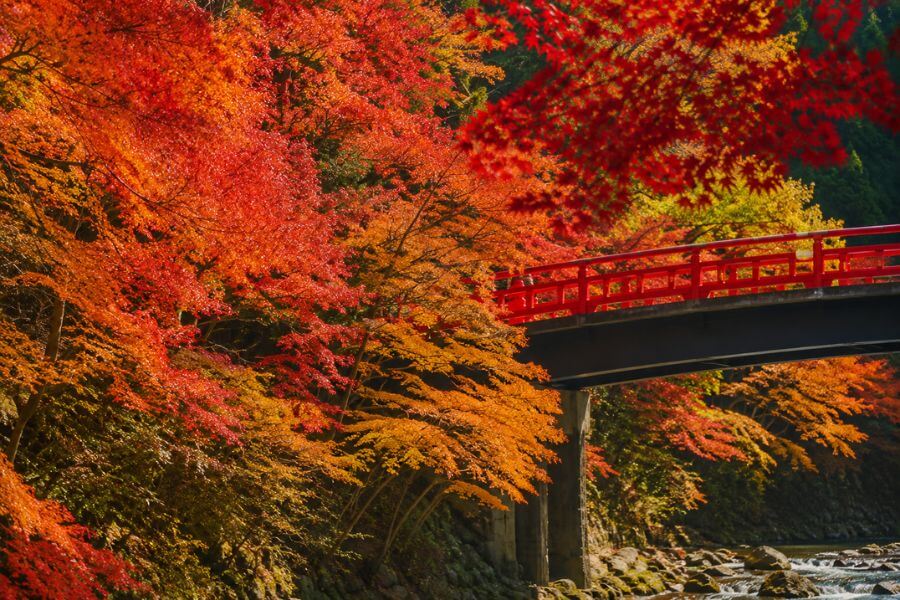
- The best viewing spots combine natural beauty with historical architecture, such as temples and shrines, which frame the vibrant reds, oranges, and yellows of the changing leaves.
- Planning your trip requires checking regional forecasts, as the timing of peak color varies significantly depending on elevation, temperature, and specific weather patterns of the year.
- Popular areas like Kyoto and Nikko experience large crowds, so visiting early in the morning or traveling during the week can provide a more peaceful experience.
- Autumn in Japan is more than just leaves; it is a season of harvest, festivals, and comfortable temperatures that make it one of the most ideal times to visit the country.
Understanding the Magic of Koyo
When the summer heat fades and the air turns crisp and cool, Japan undergoes a breathtaking transformation. This is the time of koyo, the Japanese word for the changing colors of autumn leaves. Unlike the quick turn of fall in many other parts of the world, this spectacle in Japan is a slow, rhythmic march from the northern mountains down to the southern shores. Imagine walking through a forest where the canopy above you turns into a burning canopy of gold, amber, and deep crimson. It feels as if the entire country is putting on a final, grand performance before the quiet slumber of winter sets in.
For the traveler, this season offers a unique way to see Japan. It is not just about the trees; it is about how these colors interact with the soul of the country. You might find yourself standing on a wooden temple porch in Kyoto, looking out over a sea of red maple leaves that have been cared for by monks for centuries. Or perhaps you are hiking a rugged trail in the Japanese Alps, where the frost on the ground contrasts with the warm hues of the bushes. It is a time for reflection, for slowing down, and for appreciating the impermanence of nature. By understanding the flow of this season, you can plan a journey that perfectly aligns with the changing landscape.
The Seasonal Journey: Timing Your Visit
The most important thing to remember is that you cannot predict the exact dates of the leaves changing with perfect accuracy, as nature follows its own rhythm. However, you can look at historical patterns to give yourself the best chance of witnessing the peak. The process starts high in the north of Hokkaido, usually in mid-September. The alpine regions experience the cold first, triggering the leaves to shed their green chlorophyll and reveal the hidden colors beneath.
As October rolls around, the colors descend into the lower regions of Tohoku and the mountainous areas of central Japan. By November, the coastal cities and the southern regions start their display. Tokyo and Kyoto typically reach their peak in late November, often lasting into the first week of December. This wave of color is often called the autumn leaf front. You can follow this front like a traveler following the sun, moving south over several weeks. If you miss the peak in one city, you can often just take a train a little further south or head into higher elevation to catch the tail end of the season.
Northern Japan: Hokkaido and Tohoku
If you find yourself in Japan early in the autumn, head north. Hokkaido is the first place in the country to experience the shift. The scenery here is vast and wild. Instead of manicured temple gardens, you will find expansive national parks, volcanic lakes, and rolling hills. Daisetsuzan National Park is the crown jewel of this region. Because the elevation is high, the colors arrive very early. You can spend your days trekking through landscapes that look like they belong in a painting, where the rugged volcanic peaks are framed by low-lying shrubs turning brilliant shades of orange.
Moving down to the Tohoku region, the experience changes. Towns like Hirosaki and Aomori offer a mix of castle parks and deep mountain valleys. Oirase Stream is perhaps the most famous spot in this area. Here, a clear, rushing river winds through a forest of ancient trees. In autumn, the contrast between the white water of the river and the golden leaves creates a visual rhythm that is hard to forget. The air here is sharp and clean, carrying the scent of damp earth and wood smoke, making it a perfect destination for those who want to escape the intensity of the big cities.
The Heart of the Season: Tokyo and Surroundings
Tokyo might be a modern metropolis, but it is surprisingly rich in autumn color. You do not need to go deep into the wilderness to see the beauty of the season. Parks like Shinjuku Gyoen or the gardens of the Imperial Palace offer quick escapes where you can sit on a bench and watch the leaves drift onto the grass. The Japanese maple trees, with their delicate, star-shaped leaves, turn a vibrant, almost neon red that stands out sharply against the gray stone walls of the city.
If you have a day to spare, take a short train ride to Nikko. This is a mountain town that serves as one of the best viewing spots in the entire country. The combination of historical shrines covered in intricate carvings and the surrounding dense forests makes it a magical place. The winding roads leading up the mountain are famous for their hairpin turns, and as you climb higher, you pass through layers of color that seem to glow in the late afternoon sun. It is a popular spot, so be prepared for crowds, but once you walk a few hundred meters away from the main road, the forest offers a deep, quiet embrace that is worth the effort.
Kyoto: The Traditional Autumn Experience
Kyoto is the dream destination for many people hoping to see the autumn leaves. The city is home to thousands of temples, and each one has been designed with a garden that is meant to highlight the changing seasons. In autumn, these gardens reach their zenith. Places like Tofuku-ji Temple are legendary for their long wooden bridges that overlook a valley of maple trees. Standing on that bridge, you are surrounded by a tapestry of color that feels almost overwhelming in its beauty.
Another must-visit is Kiyomizu-dera. This temple stands on a hillside, and its massive wooden stage looks out over the entire city. When the trees in the valley below turn red and gold, the view from the stage is truly iconic. Kyoto also holds special night illuminations. Many temples light up their gardens after dark, casting a glow on the trees that makes them look like they are burning with an internal fire. Walking through a dark temple garden, lit only by subtle spotlights reflecting off a pond, is an experience that stays with you long after you leave Japan. It feels like stepping into a fairy tale.
The Mountains of Central Japan
For those who crave adventure, the Japanese Alps provide a backdrop that is entirely different from the temple gardens of Kyoto. This region includes areas like Kamikochi and Nagano. The scale of the landscape is massive. You are looking at snow-capped peaks in the distance, while the valley floor below you is a riot of color. The hiking here is world-class. You can spend days walking from one mountain hut to another, passing through forests that feel untouched by time.
The colors in the mountains tend to be more earthy, with deep browns, bronzes, and rust-colored tones mixing with the bright maples. The temperature drops quite quickly once the sun goes down, so packing layers is essential. There is nothing quite like soaking in a hot spring, or onsen, after a long day of hiking. Many of these mountain lodges feature outdoor baths where you can sit in the hot water and watch the autumn wind move through the trees on the hillside above you. It is the ultimate way to connect with the nature of Japan during this season.
Planning Your Logistics
To make the most of your trip, you need to be prepared for the way Japan operates during this busy season. Hotels in popular spots like Kyoto can fill up months in advance, especially during the peak weekends in late November. If you can, try to travel during the weekdays. Not only will you find more availability for accommodation, but the sites themselves will be much quieter. There is a profound difference between visiting a famous garden with a hundred other people and visiting it when you are the only one there.
Transportation is generally very easy to manage. Japan has one of the best rail systems in the world. You can buy a pass that allows you to travel across the country, which is great if you plan to follow the autumn front from north to south. Keep in mind that some of the more remote mountain areas might require a bus or a local train connection. These local lines are often part of the charm, as they wind through small villages where you can see the local farmers harvesting rice. Having a good map and a flexible attitude will go a long way in ensuring your trip is smooth and enjoyable.
Comparing Viewing Styles
It helps to think about what kind of experience you want to have. The table below compares the different environments you might encounter during your search for the best foliage.
| Environment | Primary Appeal | Vibe |
| Temple Gardens | Architecture and history | Peaceful and refined |
| National Parks | Vast scale and wilderness | Adventurous and active |
| City Parks | Easy access and convenience | Social and lively |
| Mountain Valleys | Dramatic scenery and onsen | Quiet and contemplative |
As you can see, each environment offers something unique. You might want to mix and match these experiences. Start your trip in the bustling city, spend a few days in the mountains, and end it by visiting the tranquil temples of Kyoto. This gives you a well-rounded view of the season and prevents you from feeling like you are doing the same thing over and over again.
Essential Tips for the Traveler
Pack clothing that is easy to layer. One day you might be walking in warm sun, and the next day a cold front might come through, bringing sharp winds and lower temperatures. Good walking shoes are also a necessity. You will likely spend a lot of time on your feet, walking through gravel temple paths or uneven forest trails. If you are a photographer, bring extra batteries, as the cold can sometimes drain them faster than expected.
Respect the rules of the places you visit. Many temples have designated paths and ask that you do not leave them. By sticking to these paths, you help preserve the delicate moss and the root systems of the trees. Also, be mindful of the locals. Autumn is a cherished time of year for Japanese people as well, and they will be out visiting the same spots you are. A polite nod or a soft-spoken tone goes a long way in maintaining the peaceful atmosphere that everyone is there to enjoy.
The Seasonal Cuisine
You cannot talk about autumn in Japan without mentioning the food. This is the time of the harvest, and the menus reflect the colors of the season. You will see dishes featuring chestnuts, mushrooms, and sweet potatoes everywhere. The famous matsutake mushroom is a luxury item during this time, often served in clear soups or steamed with rice. It has an earthy, aromatic scent that perfectly matches the mood of the woods.
Persimmons, or kaki, are another staple. You will see them hanging from the eaves of houses in the countryside, drying in the sun. They are a sweet, firm treat that serves as a perfect snack for a long train ride. Even the traditional sweets sold at temples are shaped like maple leaves or chestnuts. Eating your way through the season is just as important as seeing it with your eyes. Each flavor is a reminder of the bounty that autumn brings before the winter cold arrives.
Embracing the Spirit of Koyo
There is a Japanese word, aware, which describes a gentle, slightly bittersweet feeling about the transience of things. It is the feeling of looking at a beautiful flower knowing it will soon fade. Koyo is the embodiment of this feeling. It is a reminder that beauty is not meant to last forever, and that is exactly why it is so precious. When you look at a maple leaf turning red, you are witnessing a moment that will never happen again in exactly that way.
Do not stress yourself out by trying to see everything. Even if you only spend your time in one neighborhood or one park, if you take the time to really look at the colors and feel the air, you will have a successful trip. Focus on the details: the way the light catches a leaf, the sound of the wind, the texture of the old wood. These are the things that will stay with you. The goal is not to check a list of places off your itinerary, but to let the rhythm of the season change your own internal pace.
Frequently Asked Questions
When is the exact best time to see the autumn colors?
The timing changes every year based on the weather. In general, the northern regions start in mid-September, while the central and southern regions reach their peak from early November to early December. It is best to check regional foliage forecasts online a few weeks before you leave to get a more accurate idea of how the season is progressing.
Which city should I visit for the best experience?
Kyoto is the most famous for its traditional temples and manicured gardens. Tokyo is convenient for those who want a mix of city and nature. If you prefer wild, mountainous landscapes, regions like Tohoku or the Japanese Alps are better choices. The best location depends on whether you prefer historical sites or outdoor adventure.
Do I need to book my travel long in advance?
Yes, especially if you plan to visit popular spots like Kyoto during the peak weeks. Hotels, trains, and even some restaurants can get fully booked. Try to secure your accommodation at least three to four months before your trip to ensure you have more options and better prices.
What should I wear during my trip?
The key is layering. You will want light clothing for the daytime, but temperatures drop quickly in the evenings and in the mountains. A medium-weight jacket, a scarf, and comfortable walking shoes are essential. If you are visiting mountain areas, bring warmer layers like a fleece or a sweater.
Are the crowds a problem in popular areas?
They can be, especially on weekends and public holidays. To avoid the worst of the crowds, try to visit popular temples and parks as soon as they open in the morning. Weekday travel is significantly quieter than weekend travel. Exploring lesser-known sites in the same cities can also give you a more peaceful experience.