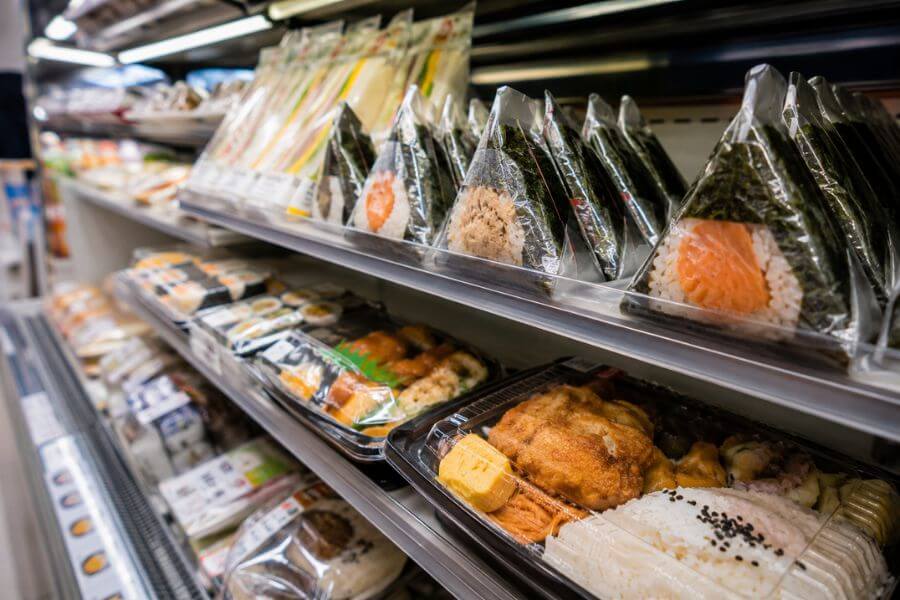
Stepping into a Japanese convenience store, or konbini as the locals call them, feels like entering a culinary wonderland. You might think these shops are just for quick snacks or grabbing a drink, but they are actually hidden gems offering some of the tastiest food you will find anywhere in the country. From fluffy egg sandwiches that melt in your mouth to crispy fried chicken that rivals top restaurants, the variety is staggering. Whether you are traveling on a budget or simply want a fast meal that hits the spot, this guide will walk you through the essential items you need to taste during your next trip to Japan.
Key Takeaways
- The quality of fresh food in Japanese convenience stores is remarkably high compared to global standards.
- The “Big Three” chains are 7-Eleven, Lawson, and FamilyMart, each with their own specialty items.
- Always check the hot food counter near the register for the best hot snacks like fried chicken.
- Most items are clearly labeled, but use a translation app if you are unsure about ingredients.
- Seasonal items change constantly, so keep an eye out for limited-time flavors.
- Konbini meals are perfect for quick breakfasts, park picnics, or late-night snacks.
The Magic of the Konbini Experience
You walk through those automatic glass doors and that familiar, cheerful chime greets you. The lights are bright, the shelves are perfectly aligned, and the smell of fresh bread and savory snacks fills the air. This is the heart of Japanese daily life. These stores are open twenty-four hours a day, providing comfort and sustenance to everyone from tired office workers to excited tourists. What makes them so special is the level of care put into the food. Unlike convenience stores in many other places, the quality control here is rigorous. You are not just buying fuel; you are buying a genuine meal experience.
The Iconic Egg Salad Sandwich
If you only try one thing, let it be the egg salad sandwich. You will find these in the refrigerated aisle, usually wrapped in soft, pristine plastic. It sounds simple, but the texture is life-changing. The bread is incredibly soft, specifically designed to be pillowy, while the egg filling is creamy, rich, and perfectly seasoned. It is the gold standard of comfort food. It manages to feel both luxurious and grounded at the same time. You will find yourself craving these long after you have left Japan.
The Fried Chicken Revolution
Walking up to the checkout counter, your eyes will immediately be drawn to the glass case filled with hot, golden-brown delights. This is the home of Japanese convenience store fried chicken. Each chain has its own legendary version. Lawson has the Karaage-kun, which are bite-sized nuggets that come in various flavors like cheese, spicy, or classic salt. FamilyMart is famous for its Famichiki, a juicy, boneless piece of chicken that is arguably the most popular hot snack in the country. 7-Eleven offers the Nana-chiki, which features a crispier, crunchier skin. Choosing a favorite is a serious debate among locals, so the only way to decide is to sample all three.
Onigiri: The Perfect Rice Snack
Onigiri are triangle-shaped rice balls wrapped in seaweed. They are the ultimate travel companion. You will see rows of them in the refrigerated section with different fillings tucked inside. The packaging is designed to keep the seaweed crisp until the exact moment you want to eat it. You pull a tab, the plastic slides away, and the seaweed wraps perfectly around the rice. Popular fillings include grilled salmon, spicy cod roe, tuna mayo, and salted plum. They are inexpensive, filling, and incredibly convenient to hold while you walk through the streets of Tokyo or Kyoto.
Hot Noodle Bowls
When the weather turns cool, or when you just need something warm and comforting, the instant noodle section is your best friend. However, do not mistake these for the basic dried noodles you might be used to back home. The selection here is massive. You can find high-quality ramen, udon, and soba bowls that taste like they were prepared in a shop. Some even come with real pieces of pork, bamboo shoots, and green onions. Many stores have a hot water dispenser available, allowing you to prepare your meal right there or back at your hotel.
Bakery Goods and Sweet Treats
The bread and pastry section in a Japanese convenience store is truly impressive. From melon pan, which is a sweet bread with a crust that looks like a cantaloupe, to curry-filled donuts, the options are endless. If you have a sweet tooth, look for the cream-filled puffs or the matcha-flavored desserts. These items are often released as limited-time offerings based on the season. For example, during cherry blossom season, you will find pink-colored sweets everywhere. They are beautifully packaged and make for a perfect afternoon treat with a hot cup of tea or coffee.
Bento Boxes for Every Taste
If you need a complete meal, the bento box is your answer. These are plastic containers packed with a balanced meal of rice, protein, and pickled vegetables. They are remarkably fresh and usually priced very fairly. You can find everything from chicken teriyaki and beef bowls to pork cutlets. The staff will happily warm them up for you in the microwave right at the counter. It is a full dining experience in a small box, perfect for when you are too tired to sit down in a restaurant but still want a satisfying, healthy-ish dinner.
Comparison of Major Convenience Stores
To navigate the system, it helps to know what each store does best. While all carry the basics, their specific items differ.
| Store Name | Main Strength | Must-Try Item |
| 7-Eleven | Consistent quality | Nana-chiki Chicken |
| Lawson | Unique desserts | Premium Roll Cake |
| FamilyMart | Hot food variety | Famichiki |
Understanding the Seasonal Trends
One aspect that makes these stores so engaging is that they never stay the same. Every few weeks, a new wave of products hits the shelves. During autumn, you will see everything flavored with chestnut, sweet potato, or pumpkin. When summer arrives, you will find refreshing fruit jellies and cold noodle salads. This cycle keeps things fresh for the locals and offers a completely different experience depending on when you visit. Do not be afraid to grab something that looks new or strange; it is often a seasonal experiment that might disappear by the time you return.
Navigating the Checkout Process
If you are worried about the language barrier, do not be. Most transactions are very straightforward. You take your items to the counter, and the cashier will scan them. If you buy hot food, they might ask if you want it heated. If you are buying an alcoholic beverage, you might be asked to tap a button on the screen to confirm your age. Most major stores now accept international credit cards and mobile payment apps, making the process smooth. If you are ever unsure, just smile and point. The staff are exceptionally patient and trained to assist customers efficiently.
Healthy Options for the Road
It is a myth that convenience stores only sell junk food. If you are looking for something lighter, there are plenty of options. Look for the fresh salad section, where you can find everything from simple cabbage salads to pasta salads and potato salads. Many stores also sell packs of cut fruit, yogurt, and small salads with chicken breast or tofu. These are excellent choices if you are feeling a bit weighed down by all the delicious restaurant meals and want something simple and refreshing to get back on track.
Drinks to Pair with Your Meal
You cannot talk about the food without mentioning the drinks. The selection of bottled tea is incredible. You will find green tea, oolong tea, jasmine tea, and roasted barley tea, all without added sugar. For something sweeter, there are endless options of fruit-flavored sodas and milk-based coffee drinks. If you are visiting during the winter, look for the heated cabinets that contain hot canned coffees and teas. Holding a warm can of coffee on a chilly Japanese morning is a rite of passage for every traveler.
Frequently Asked Questions
Are the food items in Japanese convenience stores fresh?
Yes, they are very fresh. Staff members rotate stock multiple times throughout the day, and most fresh items have an expiration time printed right on the package. You will often see employees checking dates to ensure only the best products are on the shelves.
Is it considered rude to eat inside the convenience store?
Most convenience stores in Japan do not have seating areas, although some larger ones in rural areas or near parks might. It is generally expected that you buy your food and eat it elsewhere, such as in your hotel, at a nearby park, or while walking. Always check for a sign indicating if there is an eat-in area available.
Do I need to know Japanese to order hot food?
No, you do not. You can simply point to the item you want in the glass case behind the register. If they ask a question you do not understand, it is usually just asking if you want the food heated up or if you need chopsticks. A simple nod or a “yes, please” works wonders.
Can I find vegetarian or vegan options?
Finding strictly vegan food can be difficult, as many items use dashi, which is a fish-based stock. However, you can find simple items like plain rice balls, some salads, and fresh fruit. Always look at the ingredient list, though it will be in Japanese, so using a translator app is very helpful for identifying potential animal products.
How do I dispose of my trash?
Japanese streets are famously clean, and you will notice a lack of public trash cans. It is standard practice to take your trash back with you to your hotel. However, most convenience stores have trash bins specifically for the items you purchased there. If you buy a snack, you can usually dispose of the wrapper in the store’s bin before you leave.