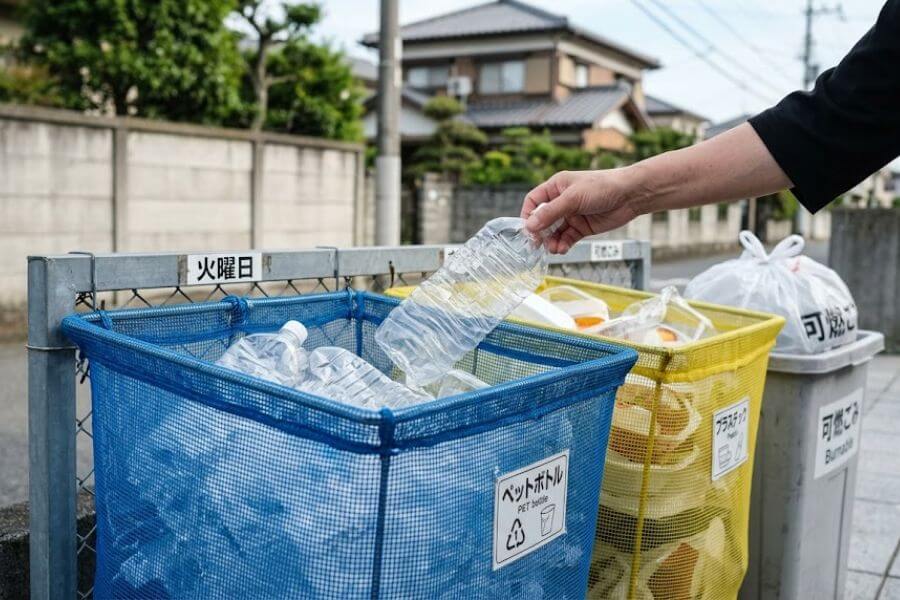
Moving to a new country brings a whirlwind of excitement, fresh flavors, and unique cultural habits. If you have recently arrived in Japan or are planning your upcoming adventure, you are likely eager to blend in and live like a local. However, many newcomers quickly hit a surprising roadblock that has nothing to do with speaking the language or navigating the subway lines. That roadblock is the household trash system. Japan has one of the most detailed, thorough, and structured waste management systems on the planet. For anyone used to throwing everything into a single bin, stepping into a Japanese kitchen can feel like entering a science laboratory.
You might look at a simple candy wrapper or an empty tea container and find yourself frozen with doubt. Is this item considered plastic? Is it burnable? Does it belong in a special bin that only gets picked up once a month? If you make a mistake, you might find your trash bag left on the curb with a bright yellow warning sticker attached, which can be an embarrassing experience with your new neighbors. Do not worry. While the system looks overwhelming from the outside, it is completely manageable once you understand the basic logic behind it. This guide will walk you through every single detail of sorting, cleaning, and disposing of your waste so you can keep your home clean and show respect to your local neighborhood.
Key Takeaway
To successfully manage your trash in Japan, you must shift your mindset from simply throwing things away to actively sorting resources. Every item must be categorized by its material type, thoroughly rinsed if it held food, placed into the exact bag required by your neighborhood, and set out at your specific community collection spot before 8:00 AM on the correct day of the week.
Why Japan Takes Waste Disposal So Seriously
To navigate this system without getting frustrated, it helps to understand why these rules exist. Japan is an island nation with a very large population and limited physical space. Because there is not enough land to build massive fields of buried trash, the country had to find a creative way to handle the waste produced by millions of households. The solution they chose is high-tech incineration and intensive recycling.
Instead of burying mountains of trash, Japan burns a vast majority of its everyday household waste in specialized, clean-burning facilities. The heat generated from these burners is often used to create electricity or heat public swimming pools. Because burning is the primary method of disposal, the items you throw away must be strictly separated. If you accidentally mix metal items or heavy glass into a bag meant for burning, you can damage the expensive machinery inside the incinerator.
At the same time, Japan aims to recycle as much material as possible. This means things like plastic bottles, metal cans, and paper are treated as valuable resources rather than useless garbage. The entire system relies on citizens to do the initial sorting at home. The workers who collect the bags do not have the time to open up your trash and separate your plastic wraps from your leftover food scraps. The responsibility rests entirely on you, the resident. By participating correctly, you become an active part of a massive, nationwide environmental effort that keeps the country incredibly clean.
The Big Four: Understanding the Main Trash Categories
While every town and city ward has its own specific rulebook, almost all household waste in Japan is split into four primary categories. Remembering these main groups is your first step toward mastering the system.
Burnable Waste
Burnable waste, often called combustible trash, is the category you will deal with most frequently. In the Japanese language, this is known as moeru gomi or kanen gomi. This category includes items that can be safely destroyed by fire without releasing toxic chemicals into the air or damaging the walls of the incinerator.
You can generally place food scraps, small paper items that cannot be recycled, old clothing, rubber bands, and leather items into this group. If you use disposable wooden chopsticks or wipe your kitchen counter with paper towels, those go here too. Many people are surprised to learn that certain types of soft, thin plastic items are also categorized as burnable waste in many Tokyo wards. This includes things like potato chip bags, plastic wrap, and soft food wrappers.
Because food waste goes into this bin, it is the one that can create unpleasant odors quickly, especially during hot summer months. To prevent smells and keep pests away, local rules always ask you to drain every drop of liquid out of your kitchen waste before you place it into your bag.
Non-Burnable Waste
Non-burnable waste, or non-combustible trash, is called moenai gomi or funen gomi. This group consists of materials that cannot be burned or melted down in standard incinerators. Because these items are not collected very often, usually only once or twice a month, you will want to keep a dedicated container for them in your home so they do not clutter your living space.
Typical examples of non-burnable waste include small metal items like frying pans, metal pots, spoons, forks, and aluminum foil. Glass items that are not beverage bottles, such as a broken drinking cup, a glass bowl, or a makeup jar, also belong here. Ceramics, pottery, and old plates are standard entries for this category. You will also place small household appliances here, provided they are small enough to fit inside a standard trash bag. If you have an old hair dryer, a broken toaster, or a tangled extension cord, this is the day you will set them out on the curb.
Recyclable Resources
Recyclable resources, referred to as shigen gomi, are treated with the highest level of care. This category is highly detailed because it is broken down into several sub-types that cannot be mixed together. You cannot simply throw cans and newspapers into the same container. They must be kept completely separate from one another.
The main sub-categories of recyclables are plastic beverage bottles, aluminum and steel cans, glass beverage bottles, and paper products. Paper products are further divided into corrugated cardboard boxes, newspapers, magazines, and clean paper cartons. Each of these sub-types usually has its own specific pickup morning or its own dedicated container at your neighborhood collection point. If your city collects cans and glass bottles on the same day, they will provide separate color-coded nets or plastic crates at the curb so you can drop your items into the correct spot.
Oversized Bulky Waste
Oversized waste is known as sodai gomi. This category covers any household item that is too large to fit inside a standard trash bag. As a general rule of thumb across most of Japan, if an item measures more than thirty centimeters, or roughly twelve inches, on any single side, it automatically qualifies as bulky waste.
This group includes large pieces of furniture like bookshelves, tables, chairs, and mattresses. It also includes suitcases, bicycles, rugs, and large plastic storage boxes. You cannot simply drag these items down to your regular trash spot on a normal pickup morning. If you leave a couch on the street without permission, it will be treated as illegal dumping, which carries heavy fines. Disposing of bulky waste requires a special appointment, a small financial fee, and a specific process that we will cover in detail later in this guide.
Diving Deep into Recyclables: The Rules of Rinse and Remove
Recycling in Japan is not just about sorting items by material, it is about preparing those materials so they are completely clean. If you throw a plastic container covered in oily sauce into a recycling bin, you can ruin an entire batch of recycled material. To avoid this, you must practice three key actions: rinse, remove, and flatten.
Plastic Beverage Bottles
Plastic drink bottles are everywhere in Japan, thanks to the country’s love for vending machines. These bottles are made of a specific plastic called PET, and they have an intensive three-step disposal process.
First, you must twist off the plastic cap. Second, you must peel off the thin plastic label wrapped around the body of the bottle. Both the cap and the label are usually made of a different kind of plastic than the bottle itself, so they must be thrown into your regular plastic recycling or burnable trash, depending on your city’s rules. Third, you must pour a small amount of water into the bottle, shake it to rinse out any leftover juice or tea, and drain it completely. Once the bottle is clean, dry, and bare, you should step on it lightly to flatten it down, saving space in the collection bin.
Cans and Glass Bottles
Just like plastic bottles, metal cans and glass bottles must be clean. This applies to aluminum soda cans, steel coffee cans, and glass jars that held sauce or jam.
Before you throw them away, rinse the inside thoroughly with water to remove any sticky residue or food smells. If a glass jar has a metal lid, remove that lid and place it into the non-burnable trash category. You do not need to spend hours scraping off paper labels that are glued tightly to glass jars, but you should make sure the inside is clean. Never put things like cigarette butts, tissues, or wrappers inside an empty can or bottle, as this makes the item impossible to recycle.
Cardboard and Paper Products
Paper recycling is taken very seriously, and it requires you to bundle items neatly. Clean paper should never be mixed with food-stained paper like greasy pizza boxes, which belong in the burnable trash.
When you have cardboard boxes from online deliveries, you must peel off all shipping labels, remove any plastic packing tape, and flatten the boxes completely. You should stack the flattened boxes together and tie them tightly with a piece of plastic or paper string, forming a neat bundle. Magazines, newspapers, and regular school papers should also be stacked, categorized by type, and tied with string.
For milk or juice cartons, look for a small diagram on the side of the packaging. Most Japanese milk cartons are meant to be rinsed out, cut open with scissors so they lay completely flat, and left to dry on your counter before they are bundled together for pickup.
| Recyclable Item | Preparation Required | Where It Goes |
| PET Bottle | Remove cap and label, rinse inside, flatten | Recyclable PET bin |
| Aluminum Can | Rinse inside completely, do not crush flat | Recyclable Can bin |
| Glass Juice Jar | Remove metal lid, rinse food residue out | Recyclable Glass bin |
| Cardboard Box | Remove tape and labels, flatten, tie with string | Paper recycling stack |
| Milk Carton | Rinse out, cut open flat, dry thoroughly | Paper recycling stack |
Navigating the Plastic Maze: Packaging vs. Hard Plastics
One of the absolute most confusing aspects of living in Japan is figuring out what to do with plastic items that are not beverage bottles. Not all plastics are created equal, and cities handle them in wildly different ways. To solve this mystery, you need to learn to look for a tiny symbol printed on the packaging.
The Plastic Recycling Symbol
When you buy groceries, snacks, or household items in Japan, take a close look at the plastic wrapping. You will often see a small, square symbol with two arrows forming a loop, accompanied by the Japanese katakana characters for “pura” (プラ). This mark indicates that the item is classified as plastic packaging or container material.
Items with this mark include chip bags, bread wrappers, convenience store bento boxes, yogurt cups, strawberry containers, and the clear film wrapped around medicine bottles. In many Japanese cities, these items are collected on a designated day specifically for plastic recycling. However, there is a catch: they must be clean. If you have a plastic meat tray or a mayonnaise bottle, you must wash away all the oil and food particles before tossing it into the plastic recycling. If an item is too dirty or sticky to clean easily, you should throw it into the burnable trash bag instead so it does not contaminate the clean plastic stream.
Hard Plastics and Everyday Objects
What happens to plastic items that do not have the small recycling mark? This includes things like plastic toothbrushes, plastic ballpoint pens, toys, buckets, hangers, and plastic food storage containers like Tupperware.
Surprisingly, these items are usually not accepted on plastic recycling day. Because they are solid objects rather than thin packaging materials, they are treated differently. Depending on the exact municipality you live in, these hard plastic items will either be classified as burnable waste because modern incinerators can burn them safely at very high temperatures, or they will be classified as non-burnable waste. You must consult your local city hall map to see which direction your specific neighborhood takes.
The Mystery of Hazardous and Special Waste
Some household items cannot go into any of the standard categories because they pose an immediate safety risk to the collection workers or the environment. These items require special handling, and you must be extra cautious when getting rid of them.
Batteries and Light Bulbs
Batteries, especially rechargeable lithium-ion batteries found in old cell phones or portable chargers, can cause massive fires inside trash trucks if they are crushed. Regular alkaline batteries like AA or AAA sizes can also leak dangerous chemicals.
Most neighborhoods do not collect batteries on standard trash days. Instead, you will often find small, dedicated drop-off boxes inside local ward offices, public libraries, or electronics stores. For long fluorescent light tubes and light bulbs, cities usually set up a monthly pickup day. You are often asked to place the old bulb back inside the paper sleeve or cardboard box it came in when you bought it, preventing it from shattering on the street.
Spray Cans and Gas Canisters
Small metal spray cans for hairspray or deodorant, along with the portable gas canisters used for tabletop hotpot stoves, are highly explosive if they still contain gas.
To throw these away safely, you must make sure they are completely empty. Shake the can to see if you hear any liquid slishing around inside. Press the nozzle down outdoors until you no longer hear a hissing sound. In the past, residents were required to punch a small hole in the side of the can using a special tool to ensure all gas escaped. However, because this practice caused accidental fires at home, many cities now ask you to simply empty the can completely without poking a hole, and place it in a separate clear bag labeled clearly as spray cans.
Broken Glass and Sharp Objects
Accidents happen, and you will eventually break a glass plate or a ceramic mug. When this occurs, you cannot just sweep the shards into a plastic bag and leave them on the street. Doing so could seriously cut the hands of the sanitation workers who lift the bags.
To dispose of broken glass, ceramic shards, or old kitchen knives safely, you should wrap the items securely in several layers of thick newspaper or cardboard. Once wrapped, place the bundle inside a clear plastic bag. Use a dark marker to write the Japanese word for danger, “KIKEN” (キケン), or the phrase for broken glass, “KOWARE MONO” (こわれもの), on the outside of the bag in large letters. This alerts the workers to handle the bag with extreme care.
How to Buy and Use Designated Garbage Bags
In many countries, you can buy any brand of black or white trash bags at the grocery store. In Japan, the bags you use are highly regulated, and using the wrong one is a guaranteed way to have your trash rejected.
Official City Bags
A large majority of municipalities outside the central wards of Tokyo require residents to use official, designated trash bags. These are known as nintei gomi fukuro. These bags are color-coded based on the type of trash. For example, your city might use bright yellow bags for burnable waste, green bags for non-burnable waste, and blue bags for plastics.
These official bags are sold at local supermarkets, convenience stores, and drugstores. They are usually kept on shelves near the household cleaning supplies. When you buy them, you are not just paying for the plastic bag itself, you are actually paying your local city waste disposal tax upfront. A pack of ten large bags might cost anywhere from two hundred to eight hundred yen. If you try to place your burnable trash on the curb using a plain white bag from a convenience store, the collectors will ignore it.
Tokyo Central Wards Exception
If you live within the twenty-three central wards of Tokyo, you are in luck. Most of these central wards do not require expensive, designated city bags for everyday trash.
Instead, you are allowed to use any standard transparent or semi-transparent plastic bag that you can buy cheaply at a hundred-yen shop. You can even reuse the plastic grocery bags you get when shopping, as long as they are clear enough for the collection workers to see what is inside. The workers need to be able to verify at a glance that you did not hide a metal frying pan inside a bag of paper and food scraps. Completely solid black or dark white bags are strictly forbidden everywhere.
The Master Schedule: Calendar Dates and Collection Spots
Trash collection in Japan operates like a well-oiled machine, following a strict weekly and monthly calendar that never changes unless there is a major holiday like New Year.
Reading Your Local Trash Calendar
When you first sign the lease for an apartment or check into a long-term guest house, your landlord or building manager will hand you a colorful chart. This chart is your local trash calendar. It will feature a detailed grid showing exactly which days of the week correspond to which types of waste.
For example, a typical neighborhood schedule might look like this: Burnable waste is collected every Tuesday and Friday morning. Recyclable plastics are collected every Thursday morning. Cans, glass bottles, and PET bottles are collected every Wednesday morning. Non-burnable items might only be collected on the first and third Monday of the month. You must memorize this rhythm or tape the calendar directly to your refrigerator door.
Setting Your Trash Out on Time
Timing is everything. Almost every city office requests that residents place their trash bags out on the street by 8:00 AM on the designated morning.
You might be tempted to take your heavy bags down to the street the night before to save time in the morning, but this is a major social mistake in Japan. Leaving food waste out overnight attracts crows, stray cats, and mice. Japanese crows are incredibly large, smart, and aggressive. They will easily rip open a plastic bag with their sharp beaks and scatter your leftover dinner all over the sidewalk, leaving a massive mess for your neighbors to clean up. Always wake up a few minutes early to take your bags out on the correct morning.
Locating Your Community Garbage Station
Unless you live in a large, modern apartment building with a private, indoor trash room, you will need to find your neighborhood’s shared garbage station. This is called a gomi sutesho.
This spot is usually a specific corner of a sidewalk, marked by a small green or blue net weighted down with ropes, or a metal cage. This station is shared by several houses on the block. When you drop off your bags, you must lift the heavy netting, slide your bags completely underneath it, and tuck the edges of the net firmly against the ground. This simple net is the neighborhood’s primary defense against hungry crows.
Step-by-Step: The Process for Getting Rid of Big Items
As mentioned earlier, you cannot use your neighborhood garbage station to discard large items like an old mattress, an office chair, or a broken suitcase. Getting rid of bulky waste requires a specific, active process that you must set up yourself.
1. Measure the item: Prerequisite step.
Use a tape measure to check the exact width, height, and depth of the large item you want to discard. Write these measurements down, as the city office will ask for them to calculate your final disposal fee.
2. Contact the Bulky Waste Center: At least one week in advance.
Call your local city ward’s Bulky Waste Center or visit their official website online. Provide your home address, describe the item, and give the measurements. The operator will assign you a specific pickup date and tell you exactly how much money your fee will be.
3. Buy trash stickers at a convenience store: Financial payment.
Walk into any local convenience store near your home. Go to the front counter and ask the clerk for bulky waste collection stickers, known as sodai gomi shoriken. These stickers usually come in different monetary values, such as two hundred yen or four hundred yen. Buy the exact combination that matches the fee you were given over the phone.
4. Label and attach the stickers: Preparation for pickup.
Use a permanent marker to write your name, your apartment number, and your official collection date directly onto the face of the stickers. Peel the backing off and stick them firmly onto a highly visible part of the large furniture item.
5. Move the item to the street: Collection morning by 8:00 AM.
On the morning of your scheduled appointment, carry the large item down to the designated pickup spot outside your house. Do not leave it on the sidewalk days in advance. The city truck will drive by during the day and lift the item away without you needing to wait around.
Major Mistakes That Will Get Your Trash Rejected
If you are new to the country, you will likely make a few errors as you adjust to these strict habits. When you make a significant mistake, the sanitation workers will leave your bag right where you put it, attaching a large, colored sticker that explains what went wrong. To avoid this neighborhood embarrassment, steer clear of these common pitfalls.
Mixing Plastics and Burnables
The absolute quickest way to get a warning sticker is to mix clear recyclable plastic trays or PET bottles into your regular burnable food waste bag. The workers are highly trained to spot the outline of a plastic bottle or a metal can through the semi-transparent walls of the bag. If they see items that should have been recycled, they will refuse to touch the bag.
Putting Food Waste in Recyclables
On the flip side, trying to recycle items that are covered in food sauce is another major mistake. If you order takeout and place the oily, unwashed plastic containers directly into the plastic recycling net, you can cause the entire neighborhood’s recycling batch to be rejected. If you cannot clean a piece of plastic packaging completely with a quick scrub, always play it safe and throw it into the burnable bin.
Leaving Trash Out on the Wrong Day
Every type of waste has its own specific day, and the schedule is completely rigid. If you miss burnable day on Tuesday morning, you cannot just leave your bag sitting at the neighborhood station until the next pickup on Friday. Doing so violates community etiquette and can upset your neighbors, who take great pride in keeping their shared streets beautiful and free of bad odors. If you miss the morning deadline, you must carry your heavy bag back up to your apartment and wait patiently for the next scheduled morning.
Frequently Asked Questions
What happens if I move into a new house and do not know the trash schedule?
When you move into a new house or apartment building, the local rules should be provided to you immediately. Your real estate agent, landlord, or apartment building supervisor will typically hand you a detailed printout of the schedule along with a guide map showing where your designated street collection station is located. If they forget to do this, you can walk directly into your local city ward hall or municipal office. The staff there will gladly hand you a free paper copy of the trash calendar, which is often available in multiple foreign languages to help international residents adjust quickly.
Can I throw away my old television or refrigerator using the bulky waste system?
No, you cannot use the standard bulky waste system to discard major home appliances. Under a national Japanese law called the Home Appliance Recycling Act, four specific categories of large electronic items are forbidden from standard municipal waste streams. These four items are televisions, refrigerators and freezers, washing machines and clothes dryers, and home air conditioning units.
If you need to get rid of one of these large appliances, you must contact the electronics retail store where you originally bought the item, or the shop where you are purchasing a replacement unit. The store will collect your old appliance for a specialized recycling fee. Alternatively, you can hire a licensed private junk removal company to pick up the appliance directly from your living room.
How do I handle small wooden items like cooking chopsticks or ice cream sticks?
Small wooden items that you use in your kitchen are very straightforward to handle. Disposable wooden chopsticks, wooden skewers used for grilling meat, and small wooden ice cream sticks are all classified as burnable waste. You can toss them directly into your regular household combustible trash bag. However, as a safety tip for the collection workers who handle the plastic bags, you should snap long wooden skewers or sharp chopsticks in half before throwing them away, ensuring that the sharp, pointed ends do not pierce through the side of the plastic bag.
Do I need to peel off the paper labels glued onto glass food jars before recycling?
No, you do not need to spend your time trying to scrape off paper labels that are glued tightly to the outside of glass jars. While you are required to remove the metal or plastic lids from the top of the jar and rinse the inside clean of all food particles, the paper label can stay attached. The high-heat recycling process used at glass factories easily burns away paper labels and glue residue, so leaving them on the glass body will not harm the recycling process.
What should I do with my household garbage if I am just traveling through Japan?
If you are visiting Japan as a short-term tourist, you will notice that public trash cans are incredibly rare on city streets. This design choice dates back to security concerns in the mid-nineteenth decade of the twentieth century, and it means that citizens are expected to carry their personal waste home with them.
While exploring the city, you can find public recycling bins for cans and bottles located directly next to almost every outdoor drink vending machine. For small items like snack wrappers or tissues, you can look for public trash bins inside convenience stores or on train station platforms. If you are staying in a hotel or a rental apartment, carry your small trash items back to your room at night and utilize the color-coded bins provided by your accommodation host.