Key Takeaways
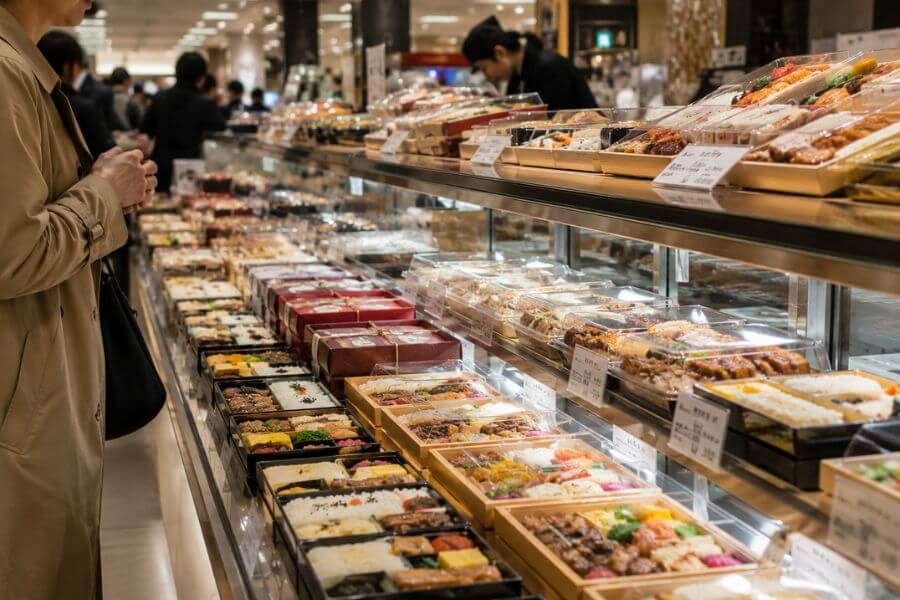
- Ultimate Food Paradise: These basement food halls, known as depachika, sit beneath major department stores and offer everything from traditional sweets to high-end bento boxes.
- Perfect Timing Matters: Arrive right before closing time around 7:30 PM to catch incredible discounts on fresh items, or visit mid-afternoon to beat the massive lunch crowds.
- Polite Ordering Rules: Point politely to request items, use plastic models to help choose your food, and always pay at the cash register rather than eating directly at the counter.
- Where to Eat Your Food: Most basements do not have seating areas, so head straight to the building roof garden or a nearby park to enjoy your meal.
Welcome to the Underground Food Heaven
Imagine walking into a department store. You see beautiful clothes on the first floor, shiny jewelry, and nice perfumes. But the real magic hides down below. You take the escalator down to the basement. As you move down, a wonderful smell hits you. You hear bright voices calling out. You see bright displays of colors. You have just entered a depachika. This word combines depato (department store) and chika (basement). It is a massive underground food market.
Every major department store in Japan has one. They are large, busy, and filled with thousands of delicious foods. For a first-time visitor, this place can feel overwhelming. People move fast. Clerks shout friendly greetings. Rows of food cases seem to go on forever. However, this is the best place to experience the true heart of Japanese food culture. You can find daily home-style meals, expensive gifts, French pastries, and traditional snacks all under one roof.
This guide will help you understand this wonderful world. You will learn how to walk through the crowds, how to order the best treats, and how to enjoy your food like a local expert. Get ready to explore the most delicious basement you will ever see.
The History of the Basement Market
The concept of selling food in a department store basement started a long time ago. In the early part of the twentieth century, department stores wanted to make shopping convenient. They realized that shoppers got hungry. Putting a food market in the basement was a smart choice. The basement was close to the subway stations. People could stop by on their way home from work to buy dinner.
Over the decades, these spaces grew into a premium experience. Today, they are not just normal grocery stores. They are luxury food boutiques. The best chefs want to open a small shop in these basements. Famous global brands compete for a tiny counter space. When you walk through the aisles, you are walking through a curated museum of high-quality food.
The Layout of the Space
Most basements follow a similar pattern, even if they look confusing at first. They are usually split into clear zones. One zone focuses on Western sweets like cakes, chocolates, and cookies. Another zone features traditional Japanese sweets, often made with sweet red bean paste and rice flour.
As you walk further, you will find the savory sections. This is where you see prepared meals, fried foods, sushi boxes, and side dishes. Finally, there is often a section for fresh produce, high-end meats, and groceries. Knowing this layout helps you look for exactly what you want to eat without getting lost in the crowd.
The Different Sections of the Food Hall
To explore this food paradise successfully, you need to know the specific areas. Every counter specializes in one type of food. The workers take great pride in making their displays look perfect. Let us break down the main sections so you can choose your meals with confidence.
The Bento Box Station
A bento is a single-portion takeout meal packed in a convenient box. In the basement, bento boxes are elevated to an art form. You will see rows of beautiful boxes filled with rice, vegetables, and different meats. Some boxes feature crispy chicken, while others highlight grilled fish or tender beef.
These are perfect for travelers. They are clean, easy to carry, and hold a complete meal. Many workers buy these for a quick lunch or a simple dinner after a long day at the office. The variety is endless, ranging from simple budget meals to expensive boxes containing premium wagyu beef.
The Delicatessen and Savory Counters
This section is often called sozai. It means daily side dishes. Here, you will find food sold by weight or by individual piece. You will see mountains of golden fried chicken pieces, crispy potato croquettes, and skewers of grilled meat. There are also giant bowls of fresh salads, roasted vegetables, and noodles.
This area is fantastic because you can buy tiny portions of many different items. You can point to one piece of shrimp tempura, two pieces of fried pork, and a small scoop of potato salad. The staff will pack each item beautifully in individual plastic containers. It allows you to create your own custom tasting menu.
Traditional Japanese Sweets
This area is known as the wagashi section. These sweets are deeply tied to Japanese culture and seasons. They often use natural ingredients like sweet red bean paste, sticky rice, matcha green tea, and chestnuts. The appearance of these sweets changes depending on the month.
In spring, you will see pink sweets shaped like cherry blossom petals. In autumn, you will find orange sweets shaped like maple leaves. These treats are usually not overly sweet. They pair perfectly with hot green tea. They are often purchased as elegant gifts for family members or business partners.
Western Pastries and Desserts
Right next to the traditional sweets, you will find the Western dessert section. Japan loves French and European pastries, and they make them with incredible skill. You will see fruit tarts that look like sparkling jewelry, creamy cream puffs, strawberry shortcakes, and delicate macarons.
Many famous European chefs have shops here. The quality of the cream and fruit used in Japan is outstanding. Even if you prefer savory foods, walking past these beautiful glass displays will make your mouth water. Buying a single slice of cake to enjoy later is a highly recommended treat.
Fresh Bakery Corners
The smell of baking bread will lead you to this section. Japanese bakeries are unique and very popular. They blend European baking styles with local flavors. You will find soft, fluffy white bread loaves that look like clouds.
You will also find savory breads stuffed with curry sauce, sausages, or corn and mayonnaise. Sweet options include melon pan, which is a sweet bun with a cookie dough crust, and buns filled with sweet custard. Grab a tray and a pair of tongs at the entrance, pick the breads you want, and bring them to the counter to pay.
High-End Fruit Boutiques
One of the most surprising sections features fresh fruit. In Japan, fruit is often treated as a luxury gift. In this area, you will see flawless apples wrapped in thick foam padding, perfectly round watermelons, and strawberries that look like red gems.
The prices here can be shocking. A single melon can cost over one hundred dollars. These fruits are grown with extreme care, ensuring perfect shape, color, and sweetness. While you might not buy a hundred-dollar melon, these shops often sell smaller cups of sliced fruit or fresh fruit juice that you can enjoy for a reasonable price.
Understanding the Gift Culture
To truly understand why these basements are so special, you must understand Japanese gift culture. Giving gifts is a major part of social life in Japan. People give gifts to show appreciation, to apologize, or to mark special occasions. Food is the most popular gift because it can be eaten and enjoyed without cluttering a home.
The Importance of Packaging
When you buy a gift in the food hall, the presentation is just as important as the food itself. The clerks are masters of wrapping boxes. When you tell them a purchase is a gift, they will put the items in a beautiful box, wrap it in high-quality paper, tie it with a ribbon, and place it in a sturdy paper bag.
This process takes a few minutes, but it shows great respect to the receiver. Even if you are just buying a box of cookies for yourself, you will appreciate the care and detail that goes into the packaging. It makes every purchase feel like a special treasure.
Souvenirs from Different Regions
Many department store basements feature foods from different parts of Japan. You might find famous rice crackers from Kyoto, sweet potato cakes from Okinawa, or apple pies from Aomori. This allows people living in big cities to buy authentic regional treats without traveling far.
Look for signs that show maps of Japan or mention famous city names. Buying these regional specialties is a great way to taste the diverse flavors of the country in one convenient location.
Finding the Best Times to Visit
Timing is everything when you plan your visit. The atmosphere of the basement changes completely depending on the hour of the day. Choosing the right time depends on what kind of experience you want to have.
The Peaceful Morning Hours
Department stores usually open around 10:00 AM. Visiting right after opening is a wonderful experience if you dislike big crowds. The aisles are quiet, the displays are fully stocked, and the staff have maximum energy.
You can walk slowly, look at every item carefully, and ask questions without feeling rushed. This is the ideal time to buy souvenirs, sweets, or ingredients for a picnic lunch. The only downside is that you will not find any discounts at this hour.
The Busy Lunch Rush
From 11:30 AM to 1:30 PM, the basement fills with local workers and residents looking for lunch. The savory food sections become very crowded. Lines form at the popular bento counters.
While it can be loud and frantic, it is also exciting to see the daily rhythm of the city. If you want to buy a hot lunch, come during this time, but be prepared to move quickly and make decisions fast.
The Quiet Mid-Afternoon
Between 2:00 PM and 4:30 PM, the crowds thin out again. This is a great time to visit if you want a relaxing experience but missed the morning hours. Many people stop by during these hours to buy a sweet snack and a coffee or tea to enjoy for an afternoon break.
The Famous Evening Discount Hour
This is the most exciting time for budget travelers. Most department stores close around 8:00 PM. Around 6:30 PM or 7:00 PM, the staff need to sell all the fresh food made that day. They start walking around with rolls of stickers.
They will place stickers on bento boxes, sushi platters, fried foods, and salads. These stickers show discounts like twenty percent off, thirty percent off, or even half price. The atmosphere becomes very lively as shoppers hunt for bargains. If you want a high-quality dinner for a very low price, this is the absolute best time to go.
How to Order and Pay
Interacting with the staff might seem scary if you do not speak Japanese. However, the workers are incredibly polite and used to helping tourists. You do not need to speak perfect Japanese to have a great shopping experience.
Using the Power of Pointing
The easiest way to order is by pointing. Most savory foods and desserts sit behind glass cases. You can simply point to the item you want. If you want one piece, you can hold up one finger.
If you want a specific weight of a salad, you can point to the scale or use simple numbers. The staff will understand immediately. They will repeat your order back to you to confirm, nod politely, and begin packing your food.
The Two-Step Payment System
At some large dessert or traditional sweet counters, the person who takes your order is not the person who takes your money. First, you tell the clerk what you want. They will write your order on a slip of paper and hand you a small token or number.
Then, they will guide you to a central cash register at the end of the counter. You hand your slip to the cashier, pay for the item, and then return to the original spot to receive your beautifully wrapped package. Watch what the customer in front of you does to understand the flow.
Dealing with Plastic Money and Cash
Japan uses both cash and digital payments. Most department stores accept major international credit cards, mobile payments, and local transit cards. When you pay, you will notice a small tray on the counter.
Always place your cash or credit card into this tray rather than handing it directly to the clerk. The cashier will take the money from the tray and place your change or receipt back into the tray with both hands. This is a standard sign of politeness and cleanliness in Japan.
Essential Etiquette Rules to Follow
To ensure a smooth visit, it helps to know the local unwritten rules. Following these basic manners will help you fit in and show respect to the local shoppers and workers.
The No-Eating Policy
This is the most important rule to remember. Even though the basement is filled with amazing food, you cannot eat while walking around the aisles. It is considered very rude to consume food or drinks while browsing the shops.
Unless a counter has specific stools for customers to sit and eat, assume that everything you buy must be taken away to be eaten somewhere else. Keep your treats inside their bags until you leave the store.
Handling Samples Safely
Sometimes, clerks will stand in the aisles holding trays of small food samples, like a piece of chocolate, a slice of cheese, or a toothpick with fruit. They will offer these to passing shoppers.
If you want to try it, accept it politely with a small bow. Eat the sample right there next to the clerk. Do not take the sample and walk away down the aisle. If the sample uses a small cup or a toothpick, look for a small trash can near the counter to discard it.
Staying in the Line
When a counter is popular, a neat line will form. Sometimes, because space is tight, the line might start a few feet away from the counter to keep the main aisle clear.
Look for signs on the floor or tape marks that show where to stand. Staff members will often guide you to the correct spot. Never cut in front of someone, and try to keep your shopping basket close to your body so you do not bump into others.
Where to Enjoy Your Feast
Since you cannot eat your food inside the basement, you need to find a good spot to enjoy your meal. Fortunately, there are several great options located nearby.
The Department Store Roof Garden
Many traditional department stores have a hidden gem on the top floor: a rooftop garden or terrace. These spaces are often quiet, green, and open to the public for free.
They usually feature benches, tables, and sometimes small shrines or play areas for children. After buying your bento box and dessert in the basement, take the elevator straight up to the roof. It is the perfect place to have a peaceful outdoor lunch with a great view of the city skyline.
Nearby Public Parks
If the department store is located near a park, head outside. For example, stores in Shinjuku are close to large parks, and stores in Shibuya are near green spaces.
Eating a high-quality basement meal on a park bench under the trees is a wonderful way to experience local life. Just make sure to bring a small plastic bag with you to hold your trash.
Your Hotel Room Comfort
If you shop during the evening discount hour, the best option is to take your food back to your hotel room. You can relax, change into comfortable clothes, and spread out your selection of sushi, fried chicken, and salads on the table. It provides a luxurious dinner experience for a fraction of restaurant prices.
Comparing Top Department Store Food Halls
Different department stores have different personalities. Depending on which city or neighborhood you visit, you might want to try a few different options. Here is a helpful comparison of major department store food halls you will find in Tokyo and other big cities.
High-End and Traditional Food Halls
Some stores focus heavily on luxury, tradition, and global brands. These basements feel like high-end shopping malls for food.
- Mitsukoshi: This is Japan’s oldest department store chain. Its food hall is incredibly elegant. It is famous for top-tier traditional Japanese sweets, premium tea shops, and highly refined bento boxes. It is the perfect place to buy impressive gifts.
- Isetan: Located in major districts like Shinjuku, this is often called the king of food halls. It has a massive dessert section that features world-famous pastry chefs. The selection of Western foods, cheeses, and wines is outstanding. It is always busy and highly energetic.
- Takashimaya: This store balances traditional Japanese items with great international choices. Their savory food counters are excellent, offering an amazing variety of hot meals and fresh salads.
Modern and Trendy Food Halls
Other stores cater to a younger crowd or focus on modern food trends and casual dining.
- Daimaru: Often located directly inside major train stations like Tokyo Station, this basement is designed for travelers. It features an incredible selection of bento boxes designed to be eaten on bullet trains. The layout is easy to walk through, and everything is organized for speed and convenience.
- Seibu and Tobu: Located in large transit hubs like Ikebukuro, these two stores boast some of the largest basement areas in the country. They offer a fantastic variety of affordable daily side dishes, casual bakeries, and popular chain food stalls.
Comparing Key Food Hall Characteristics
| Department Store | Best Known For | Vibe | Price Range |
| Mitsukoshi | Traditional sweets and luxury gifts | Elegant and quiet | High to Premium |
| Isetan | World-class desserts and global brands | Trendy and crowded | High to Premium |
| Takashimaya | Balanced selection of global and local food | Classic and organized | Medium to High |
| Daimaru | Travel-ready bento boxes and quick meals | Fast-paced and efficient | Medium to High |
| Seibu | Massive size and affordable variety | Casual and lively | Budget to Medium |
Understanding Popular Food Terms
When you look at the labels on food containers, you might see words you do not know. Here is a helpful guide to common categories of food you will encounter.
Savory Food Categories
- Yakitori: Skewered and grilled chicken meat, usually seasoned with a sweet soy sauce glaze or simple salt.
- Tonkatsu: Deep-fried pork cutlets coated in crispy breadcrumbs, often sold as individual pieces or inside sandwiches.
- Tempura: Seafood and vegetables dipped in a light batter and fried to a delicate crisp.
- Karaage: Japanese-style fried chicken seasoned with soy sauce, garlic, and ginger, sold by weight.
- Korokke: Potato croquettes mixed with minced meat or vegetables, shaped into patties and deep-fried.
Sweet Food Categories
- Mochi: Soft, chewy rice cakes made from pounded sticky rice, often filled with sweet fillings.
- Anko: A sweet paste made from boiling and mashing red adzuki beans, used in many traditional desserts.
- Dorayaki: Two small, pancake-like patties wrapped around a filling of sweet red bean paste.
- Matcha Desserts: Anything flavored with powdered green tea, including cakes, soft-serve ice cream, puddings, and chocolates.
- Baumkuchen: A spit-roasted layer cake that originated in Germany but is wildly popular as a gift item in Japan.
Quick Selection Helper
| If You Want This Flavor… | Look For This Item… | How It Is Sold… |
| Savory & Crispy | Karaage or Korokke | By weight (per 100 grams) or by piece |
| Fresh & Light | Sushi Roll or Seaweed Salad | In pre-packed plastic boxes |
| Sweet & Traditional | Daifuku Mochi or Dorayaki | Individually wrapped or in gift boxes |
| Rich & Creamy | Strawberry Shortcake or Choux Cream | Single slices or pieces from a display case |
A Step-by-Step Afternoon Strategy
Let us walk through a perfect afternoon plan to help you enjoy a food hall without stress. This simple routine ensures you get a great meal, see the best sights, and stay relaxed.
Step 1: Arrive During the Quiet Hours
Plan to arrive at the department store around 3:30 PM. The lunch rush is completely gone, and the evening dinner rush has not started yet. Take the escalator down to the first basement floor.
Take a deep breath and spend the first fifteen minutes just walking around the entire perimeter. Do not buy anything yet. Just look at the different sections, check out the prices, and see what looks delicious to you.
Step 2: Pick Your Sweet Snack First
Start your shopping in the bakery or dessert section. Since it is mid-afternoon, it is the perfect time for a small treat. Buy a sweet bun, a slice of cake, or a traditional rice cake.
If the item is fresh, the clerk will pack it with a tiny ice pack to keep it cool if you tell them you will not eat it immediately. Hold onto this bag for later.
Step 3: Choose Your Dinner Bento
Next, move over to the savory and bento sections. Look at the plastic food models or the clear boxes to see what catches your eye.
Select a bento box that has a good mix of foods: some rice, some meat like chicken or beef, and a few pickled vegetables. Point to the box you want, pay the cashier, and place the box carefully in your shopping bag so it stays flat.
Step 4: Add Some Crunchy Side Dishes
Before you leave, stop by a delicatessen counter. Buy one or two individual pieces of fried food, like a shrimp tempura or a potato croquette.
These make great additions to your dinner. The worker will put them in a paper bag, which keeps them crispy.
Step 5: Head to the Roof
Take the elevator or escalator all the way to the top floor of the building. Step outside onto the roof garden. Find a comfortable bench under the sky.
Open your bakery item or your small snack and enjoy it while watching the clouds or the city views. Keep your main bento box wrapped up to take back to your accommodation for a wonderful dinner later that evening.
Frequently Asked Questions
Can I sit and eat inside the basement food hall?
Generally, no. Most basement food halls do not have public seating areas or tables. The space is entirely dedicated to shopping and walking counters. Eating while standing or walking in the aisles is considered bad manners. However, a small number of counters that sell hot soup, noodles, or ice cream may have a few stools directly attached to their shop. You can sit there to consume items bought from that specific stall only. For everything else, you must pack your food and take it to an appropriate outdoor area, a roof garden, or your hotel room.
How do I know how much food I am buying when it is sold by weight?
Many savory items and salads are sold by weight using the metric system. You will see prices listed followed by characters that mean per one hundred grams. If you do not know how much one hundred grams looks like, do not worry. You can use your hands to show the size of the container you want, or you can point and ask for a specific number of pieces instead. The clerks are very helpful. They will scoop the food into a plastic container and place it on a scale that faces you, so you can see the exact weight and price before they seal the package.
Why are the fruits in the basement food hall so expensive?
The fruits sold in major department store basements are premium luxury items, not standard daily groceries. They are grown by specialized farmers who control every element of the process, such as pruning away weaker fruits so only one perfect fruit grows on a branch. These fruits are judged on perfect shape, flawless skin, high sugar content, and beautiful color. People buy them as highly respected gifts for weddings, business achievements, or hospital visits. If you want normal, affordable fruit to eat daily, it is better to visit a standard local supermarket outside of the department store.
Do the evening discounts happen every single day of the week?
Yes, evening discounts happen every day because these food halls pride themselves on serving fresh items made that morning. Since the stores cannot sell day-old sushi, bento boxes, or fried foods, they must clear out their stock before closing time. The discounting usually begins about one hour to ninety minutes before the store shuts its doors. The exact timing can vary slightly depending on how much food is left on the shelves that day. If it is a rainy day, crowds might be smaller, and discounts might start even earlier.
Can I ask the staff to heat up my bento box or fried chicken?
Most counters in the basement do not have microwaves or ovens to heat up food for customers. The meals are sold to be taken home or eaten at room temperature. Many Japanese bento boxes are designed specifically to taste delicious even when cold, using high-quality rice that stays soft and meats that remain tender. If you prefer your food hot, look for counters that sell items straight out of a heated display case, or check if your hotel room has a microwave you can use to warm your meal later.