Key Takeaways
- Plan Early: Book your bus tickets and stay months ahead because winter is the most popular time.
- Dress Warmly: Wear many layers, waterproof boots, and spikes for your shoes to walk safely on ice.
- Respect Rules: Keep the village clean, carry your trash home, and only smoke in designated areas.
- Check Buses: Most people arrive by bus from Takayama or Kanazawa, so know the time schedules.
- Stay Overnight: Sleeping in a traditional farmhouse gives you a quiet view of the beautiful snow.
Welcome to the Snowy Fairytale of Japan
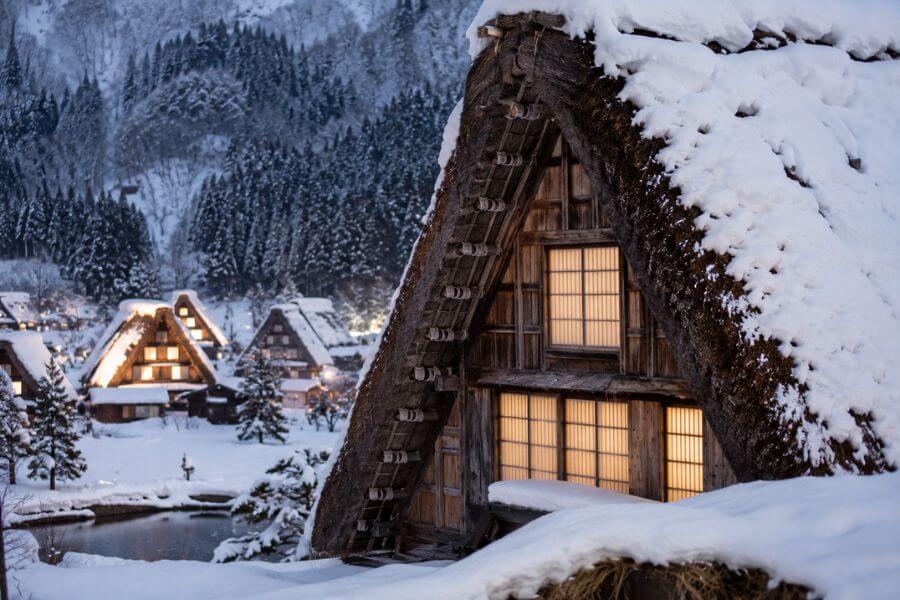
Imagine a world where giant mountains rise into the sky and soft white snow covers everything like a thick blanket. Picture cozy wooden houses with steep roofs that look like hands pressed together in prayer. This magical place is real. It is a tiny mountain village named Shirakawa-go, located in the Gifu prefecture of Japan.
During the winter months, this beautiful village transforms into something out of a storybook. Heavy snow falls from December to March, turning the green valley into a silent, white paradise. If you want to escape the busy city life and step back into old Japan, this is the perfect destination for you.
Traveling here feels like traveling back in time. The air is crisp and cold, the water in the rivers runs perfectly clear, and the local people smile warmly at visitors. You can hear the crunch of snow under your boots as you explore the narrow pathways. This guide will help you understand how to visit this special village, what to see, and how to stay warm and safe during your winter trip.
Why Winter is the Most Special Season
While the village looks beautiful with green rice fields in summer and bright leaves in autumn, winter brings a unique magic. The snow falls heavily here, often reaching several feet deep. This deep snow sits perfectly on top of the special thatched roofs, creating a thick layer that looks like sweet white frosting on a cake.
At night, the small windows of the farmhouses glow with warm, golden light. The contrast between the cold white snow outside and the warm light inside creates a very peaceful feeling. It is a quiet season where nature shows its true power and beauty, making it a favorite time for travelers from all over the world.
A Quick Glance at the Village Layout
Shirakawa-go is not a theme park; it is a real living community where local families have resided for hundreds of years. The main area for visitors is called Ogimachi. This is the largest village and holds the highest number of traditional houses.
The village is easy to walk across. A beautiful river flows alongside the main area, and a large suspension bridge connects the main parking lot to the village streets. There are no high buildings, no large signs, and no wide roads. Everything fits perfectly into the natural landscape.
The History of the Gassho-Zukuri Houses
To truly appreciate your visit, you must understand the unique houses that make this village famous. These traditional wooden homes are called Gassho-zukuri. In the Japanese language, this term translates to “constructed like hands in prayer.”
When you look at the steep angle of the roofs, you can see why they received this name. The roofs slope down sharply at a sixty-degree angle. This clever design is not just for looks; it has an important purpose for survival in this snowy region.
Engineering for Heavy Snow
The mountains of Gifu receive some of the heaviest snowfall in the entire world. If these houses had flat roofs, the weight of the thick snow would crush the wooden structures easily. The steep sixty-degree slope allows the heavy snow to slide off naturally onto the ground before it becomes too heavy.
The roofs are made completely of natural materials, mostly thick thatch, which is dried grass and reeds. No nails or metal pieces are used to hold the main roof together. Instead, the local builders used strong ropes made of tree fiber to tie the wooden beams. This allows the house to twist slightly and flexible during strong mountain winds or small earthquakes.
Life Inside a Traditional Farmhouse
These houses are surprisingly large inside, usually standing three to four stories high. A large family would live together on the ground floor. In the center of the main room, you will find a traditional fireplace built directly into the floor, called an irori.
The irori fireplace is the heart of the home. It burns wood for heating the house and cooking food. The smoke from this fire rises up through the wooden floors to the upper levels. This smoke is very important because it dries the straw roof, keeps bugs away, and preserves the wood for centuries.
The Upper Floors and Silk Production
The higher floors of the house were used for work rather than sleeping. In the old days, the local people raised silkworms on the second and third floors during the warmer months. Silkworms need a lot of fresh air and space, which the open upper levels provided perfectly.
The heat from the first-floor fireplace rose up to keep the silkworms warm and comfortable. This smart use of space and heat allowed the villagers to earn money by producing high-quality silk, even though they lived in a remote valley cut off from the rest of Japan.
How to Get to Shirakawa-go in the Winter
Getting to this mountain village requires some planning because there are no direct train tracks that lead into the valley. The high mountains surrounding the area mean that everyone must arrive by road. Most visitors use the excellent public bus system that connects the village to nearby cities.
The two main cities that travelers use as jumping-off points are Takayama and Kanazawa. Both cities have major train stations, making them easy to reach from big places like Tokyo, Kyoto, or Osaka.
Traveling from Takayama
Takayama is a historic town located east of the village. It is the most popular starting point for many travelers. The bus ride from the Takayama Bus Terminal to Shirakawa-go takes about fifty minutes.
Buses run frequently throughout the day, starting early in the morning. Some of these buses require you to reserve a seat in advance, while others allow you to get on with a standard ticket on the day of travel. During winter, it is always smarter to book your seat ahead of time to avoid waiting in long lines.
Traveling from Kanazawa
Kanazawa is a beautiful coastal city located northwest of the village. If you are coming from the west side of Japan, this is an excellent choice. The highway bus from Kanazawa Station takes around one hour and fifteen minutes to reach the village.
The ride is highly scenic, passing through long tunnels cut directly into the stone mountains. You will watch the city landscape slowly disappear and change into deep mountain snowbanks as you get closer to your destination.
Traveling from Nagoya or Toyama
If you want to travel directly from a major international airport area, Nagoya is a good option. There are direct daily buses that travel from Nagoya Station straight to the village, taking about two hours and forty minutes.
Toyama city also offers bus options that take around one hour and twenty minutes. This route is often less crowded than the Takayama or Kanazawa lines, making it a peaceful choice for travelers who prefer a quiet journey.
Comparing Your Travel Choices
| Starting City | Travel Method | Average Time | Reservation Needed |
| Takayama | Highway Bus | 50 minutes | For some buses |
| Kanazawa | Highway Bus | 75 minutes | Yes, required |
| Toyama | Highway Bus | 80 minutes | Yes, required |
| Nagoya | Direct Bus | 160 minutes | Yes, required |
Preparing Your Winter Clothing and Gear
The mountain weather in Central Japan can be very cold, especially when the sun goes down behind the peaks. Temperatures often drop below freezing point, and icy winds can blow through the open valley. To enjoy your walk around the village, you must wear the correct clothing.
The secret to staying warm in the snow is wearing multiple layers of clothing rather than one heavy jacket. This allows you to adjust your body heat when you step inside warm shops or farmhouses.
The Base Layer and Middle Layer
Your first layer of clothing sits directly against your skin. You should wear thermal underwear, including a long-sleeved top and long pants. Look for materials that keep moisture away from your body, like synthetic fabrics or merino wool. Avoid regular cotton because it stays wet if you sweat, which will make you feel cold very fast.
Your second layer is the insulation layer. This keeps your body heat inside. A thick fleece jacket, a wool sweater, or a light down jacket works perfectly. You can wear comfortable outdoor pants or jeans over your thermal underwear.
The Outer Layer and Winter Coats
Your outer layer is your shield against the falling snow and cold wind. You need a high-quality winter coat that is both windproof and waterproof. A long coat that covers your thighs will provide extra warmth when you sit down or walk through deep drifts.
Make sure your coat has a large hood that you can pull over your head when the snow starts falling hard. Pockets with zippers are also very helpful for keeping your phone, wallet, and camera safe and dry.
Choosing the Right Footwear
Your feet will touch the cold snow and slippery ice all day long, so proper shoes are the most important gear you will choose. Do not wear regular running shoes, canvas shoes, or high heels. You need sturdy boots that rise above your ankles to stop snow from entering.
Your boots must have a waterproof outer shell and a thick rubber sole with deep patterns to grip the slippery paths. It is also a great idea to purchase cheap metal shoe spikes, called crampons or ice cleats, at the bus stations or local convenience stores. These small rubber bands with metal teeth slip easily over your boots and prevent you from falling on hidden ice.
Essential Winter Accessories
- Thick Wool Socks: Wear two pairs of socks if your boots have extra space, or choose thick thermal socks designed for hiking.
- Warm Beanie or Hat: A large part of your body heat escapes from your head, so keep it covered with a hat that pulls down over your ears.
- Waterproof Gloves: Choose gloves that block water, because regular wool gloves will soak up melted snow quickly when you touch railings or take photos.
- Scarf or Neck Warmer: Wrap your neck tightly to block the freezing mountain wind from blowing down inside your coat jacket.
- Heat Packs (Kairo): You can buy small, disposable chemical heat packs at any Japanese convenience store. Stick them inside your pockets or boots for instant warmth that lasts for hours.
What to See and Do in the Village
Once you step off the bus, you will cross a beautiful bridge over the river and enter the main village area. There is much to explore, from historic homes that are open to the public to small shops selling local sweets.
Take your time as you wander through the paths. The village is small enough to see in a few hours, but the beauty lies in the small details, like the frozen icicles hanging from the roofs and the clear streams flowing beside the homes.
The Famous Shiroyama Viewpoint
The best place to start or finish your visit is the Shiroyama Viewpoint. This is an elevated observation deck located on a hill north of the main village area. From this high point, you can look down and see the entire village layout at once.
The view in winter is breathtaking. The little houses look like tiny toys nestled in a deep white valley surrounded by massive pine trees laden with snow. To reach the top, you can ride a short shuttle bus from the village center, or walk up a walking path for about twenty minutes if the path is clear of deep ice.
Exploring the Wada House
The Wada House is the largest Gassho-zukuri farmhouse in Ogimachi, and it is still a private home today. However, the family opens the first and second floors to the public for a small entrance fee.
Inside, you can see the grand wooden beams, the old family treasures, and the historic irori fireplace. You can climb the steep wooden stairs to the second floor to examine the indoor construction of the roof up close. Looking out through the small upper window gives you a wonderful view of the surrounding snowy fields.
Visiting the Nagase House and Kanda House
If you want to see more variations of these homes, visit the nearby Nagase House and Kanda House. The Nagase family were traditional doctors, and their home displays old medical tools and historic farming equipment on the upper levels.
The Kanda House is famous for its excellent design and a high third-floor window that offers great photo opportunities. Visiting these homes allows you to understand how different families lived and worked together under one massive roof during the dark winter months.
The Myozenji Temple Museum
Unlike regular Japanese temples with flat tile roofs, the temple in Shirakawa-go features a massive thatched roof, just like the surrounding farmhouses. The main hall, the priest’s living quarters, and the grand gatehouse are all constructed in the traditional local style.
Inside the museum section, you can view beautiful Buddhist statues, old paintings, and historical tools used by the monks. The sight of the large wooden temple gate covered in thick snow is one of the most iconic images of the region.
Experiencing a Traditional Village Stay
Most travelers visit the village for just a few hours during the middle of the day. However, the most magical experience happens after the last tour buses leave around five o’clock in the evening. The streets become completely silent, the stars come out, and the village returns to its peaceful roots.
To experience this, you should book an overnight stay inside one of the historic farmhouses. Several of these homes operate as family-run guesthouses, known locally as minshuku.
What to Expect in a Minshuku Guesthouse
Staying in a minshuku is a cultural experience, not a luxury hotel stay. You will live closely with the local family who owns the house. The rooms are traditional Japanese style, with sliding paper doors and straw mat floors called tatami.
You will sleep on a thick, comfortable futon mattress that is laid out directly on the floor before bedtime. The rooms are heated by space heaters that keep the area warm and cozy, even when the outside air is freezing cold.
Traditional Dinner by the Fireplace
One of the great highlights of a farmhouse stay is the evening meal. The family will prepare a feast using fresh ingredients from the local mountains and rivers. Dinner is usually served in the main dining room around the warm irori fireplace.
You will sample delicious dishes like grilled river fish, mountain vegetables, hot miso soup, and local Hida beef cooked on a sweet leaf. Sharing a meal in this old room while listening to the wind blow outside is a memory you will keep forever.
Booking Your Farmhouse Stay
Because there are only a small number of guesthouses inside the village, rooms are very limited. Thousands of travelers want to experience this stay, so you must book your spot many months in advance.
The booking process is often run by a local tourism association to ensure fairness. Keep an eye on the official local website to know exactly when the booking window opens for the winter season, and submit your request immediately.
Delicious Local Food to Warm You Up
Walking around in the freezing mountain air will make you hungry very quickly. Luckily, the village has many small food stalls, cozy cafes, and traditional restaurants where you can try the local specialties of the Gifu region.
The food here is hearty, simple, and designed to keep your body warm during the long, cold winter months.
The World-Famous Hida Beef
The Gifu prefecture is famous for Hida beef, which is high-quality wagyu beef known for its soft texture and beautiful fat marbling. In the village, you can try this premium beef in many different ways.
For a quick snack, look for food stalls selling Hida beef skewers grilled over hot charcoal, or warm beef croquettes fried until golden and crispy. For a full lunch, order a hot bowl of rice topped with thin slices of tender beef and a savory sweet sauce.
Mitara Dango and Gohei Mochi
If you enjoy sweet and savory snacks, you must try the local rice treats. Mitara dango are small, chewy rice dumplings skewered on a wooden stick, dipped in a sweet soy sauce glaze, and grilled until slightly charred.
Gohei mochi is another regional favorite. It is a large, flat cake of pounded rice pressed onto a wooden paddle, coated with a thick paste made of miso, crushed walnuts, and sesame seeds, then toasted over a fire. The warm, rich smell of the grilling miso is impossible to resist as you walk down the street.
Soba Noodles and Hot Mountain Soups
To sit down for a proper meal, step inside a wooden restaurant and order a bowl of handmade soba noodles. These noodles are made from buckwheat grown in the clean mountain air and can be served in a piping hot broth with wild mountain mushrooms and local vegetables.
Another wonderful choice is Zenzai, a traditional sweet soup made from hot red beans served with a soft, toasted rice cake floating in the middle. It is a perfect afternoon treat to warm your hands and satisfy your sweet tooth after a long walk in the snow.
The Winter Light-Up Events
For a few specific nights in January and February, the village holds its world-famous Winter Light-Up events. On these special evenings, the historic farmhouses are illuminated by powerful spotlights from six o’clock to seven-thirty at night.
The sight of these bright golden houses glowing against the dark blue mountain twilight and white snow is beautiful beyond words. However, because this event is so popular, the village has strict rules to control the crowds and protect the environment.
The Ticket Reservation System
You cannot simply show up to the village on a light-up night without a special reservation. The local government limits the number of visitors to keep everyone safe on the slippery roads.
All tickets must be booked months in advance through an online lottery system. This includes tickets for the tour buses, parking spaces for cars, and overnight stays. If you do not win a ticket in the lottery, you must leave the village before the sun sets and the lights turn on.
Tips for Photography During the Light-Up
If you are lucky enough to secure a ticket for the event, you will want to take beautiful photos. Digital cameras can struggle in the cold, dark conditions, so keep these practical tips in mind.
Keep your camera batteries inside your warm inner pocket until you are ready to shoot, because the freezing cold drains battery power very fast. Walk slowly and carefully when looking for a photo spot, as the darkness makes it hard to see patches of smooth ice on the roads.
Essential Rules and Etiquette for Visitors
Shirakawa-go is a designated UNESCO World Heritage site, which means it is a treasure that belongs to the whole world. Because real families live here, visitors must follow strict cultural rules to keep the village safe, clean, and beautiful.
Being a polite traveler ensures that the local people remain happy to welcome guests into their home valley for years to come.
The Extreme Danger of Fire
The biggest threat to this historic village is fire. Because the Gassho-zukuri houses are constructed entirely of dry wood and thick grass roofs, a single small spark could cause an entire house to burn down in minutes, and the fire could spread quickly across the valley.
Because of this danger, smoking is strictly forbidden everywhere in the open village streets. You may only smoke inside designated indoor areas or next to specific public smoking spots that have water buckets. Never use fireworks, lighters, or open flames anywhere near the traditional homes.
Dealing with Your Trash
You will notice quickly that there are no public trash cans along the streets of the village. This is done to stop wild animals from entering and to keep the streets looking beautiful.
You must carry all your trash back with you in your bag or pocket. If you buy a snack or a warm drink at a local food stall, stand near the stall to finish it, and hand the empty wrapper or cup back to the shop owner before you walk away.
Respecting Private Property
It is important to remember that these houses are not empty museums; they are private homes where people sleep, cook, and live their daily lives. Do not peer directly through the windows of private houses, do not open closed gates, and never step onto the private porches or garden areas to take photos.
Stay on the main paved pathways at all times. In winter, the deep snow can hide local vegetable gardens, small drainage canals, or delicate fences. Stepping off the path can damage the property underneath or cause you to fall into a deep, hidden hole.
Safety Tips for Navigating the Winter Landscape
Visiting a mountain region with heavy snow requires extra awareness of your surroundings. While the village is highly organized and safe, nature can still present challenges if you are not paying attention.
By staying alert and following basic safety guidelines, you can ensure your winter trip remains fun and completely accident-free.
Beware of Falling Snow from Roofs
When the sun comes out or the temperature rises slightly during midday, the heavy snow resting on the steep roofs begins to melt. Large chunks of compressed snow and heavy ice can slide off the smooth thatch suddenly and fall to the ground with great force.
Never walk or stand directly underneath the eaves of the roofs. Look up frequently as you walk past the houses, and pay attention to any warning signs or ropes that the owners have placed to keep people back from dangerous drop zones.
Walking Safely on Smooth Ice
The walking paths in the village are cleared regularly by local snowplows, but a thin layer of packed snow can easily freeze into smooth, slippery ice, especially in the early morning or late afternoon.
Take small, short steps when you walk, and keep your hands out of your pockets so you can balance yourself if you slip. Look out for dark, shiny patches on the ground, which indicate dangerous “black ice” that is very slick.
Staying Hydrated and Energetic
Even though the weather is cold and you might not feel thirsty, your body works hard to stay warm while walking through the snow. Make sure to drink water regularly throughout the day.
You can purchase hot green tea, warm corn soup, or sweet milk from the many vending machines located around the bus station. These warm cans serve a double purpose: they warm your frozen fingers when you hold them, and they provide comforting warmth inside when you drink them.
Planning a Half-Day vs. Full-Day Itinerary
Depending on your travel schedule and interest in history, you can choose to visit the village as a quick stopover or spend an entire day exploring every corner. Both options are great, but they require a different pace of travel.
Understanding how much time you have will help you choose which attractions to prioritize during your winter visit.
The Half-Day Express Itinerary
If you are short on time, a four-hour visit is enough to see the main highlights of the village. Arrive by bus around ten o’clock in the morning when the shops begin to open.
Head straight to the Shiroyama Viewpoint to capture your panoramic photographs while the morning light is clear. Afterward, walk down into the village, tour the large Wada House, grab a hot Hida beef croquette for lunch, and explore the beautiful temple grounds before boarding your afternoon bus back to the city.
The Full-Day Deep Exploration Itinerary
A full-day visit allows you to slow down and experience the village without any rush. Arrive early in the morning before the large tour groups appear. Spend your morning visiting multiple farmhouses to compare their internal designs and see the historical collections.
Enjoy a long, relaxing lunch of hot soba noodles inside a traditional wooden restaurant. In the afternoon, cross the long suspension bridge to visit the open-air museum section on the other side of the river, where more historic structures are preserved. Finish your day with a hot drink at a cozy cafe as the snow falls outside.
Comparing Shirakawa-go with Nearby Historic Towns
The central mountain region of Japan holds several beautiful historic destinations. If you love old architecture and snowy landscapes, you might want to combine your visit to the village with other nearby places.
Each town offers a slightly different atmosphere and cultural experience for travelers.
Takayama: The Historic Merchant City
Takayama is much larger than Shirakawa-go and feels like a bustling old city. Its famous Sanmachi Suji district features long streets lined with beautiful black wooden merchant houses from the Edo period.
While the village is famous for its farmhouses and natural mountain setting, Takayama is known for its high-quality sake breweries, morning markets along the river, and grand festival floats. It serves as an excellent base for eating and shopping.
Gokayama: The Quiet, Hidden Twin
If you find Shirakawa-go too crowded with tourists, you should look into visiting Gokayama. This area is located just a short distance away and contains two smaller villages named Suganuma and Ainokura.
Gokayama is much more remote and receives fewer visitors, giving it a highly authentic and peaceful feeling. The houses are similar in design, but the atmosphere is quiet and undisturbed, allowing you to hear the sound of the wind through the pines clearly.
Comparing the Three Destinations
| Feature | Shirakawa-go | Takayama | Gokayama |
| Main Attraction | Gassho-zukuri farmhouses | Old merchant streets | Small, remote villages |
| Crowd Level | High during midday | Medium to High | Very Low and peaceful |
| Size | Medium village | Large historic town | Tiny hidden hamlets |
| Travel Vibe | Storybook fairytale | Cultural shopping city | Quiet nature escape |
Frequently Asked Questions
Can I visit the village if I use a wheelchair or have trouble walking?
The main streets of the village are relatively flat and wide, which makes them accessible for many visitors. However, winter brings unique challenges. The packed snow and patches of smooth ice can make pushing a wheelchair or walking with a cane difficult and slippery.
Additionally, the interiors of the historic farmhouses are not modern. They require you to remove your shoes at the entrance and climb very steep, ladder-like wooden stairs to see the upper floors. If you have mobility concerns, it is best to travel with a companion who can assist you on the snowy pathways, and stick to the main cleared roads.
Are there public restrooms and coin lockers available in the village?
Yes, there are several clean public restrooms located throughout the village, including at the main bus terminal, near the main parking lot, and close to the major historic houses. These facilities are well-maintained and heated during the winter months.
Coin lockers are available at the Shirakawa-go Bus Terminal, allowing you to store your heavy suitcases or travel bags while you explore the village. However, these lockers can fill up quickly during peak travel hours, so it is always more convenient to leave your large luggage at your hotel in Takayama or Kanazawa and travel with just a light backpack.
Is English widely spoken by the local people in the village?
Because the village welcomes visitors from all over the world, the staff at the main bus terminal, the ticket counters of the historic houses, and the larger restaurants speak enough basic English to help you with your needs. You will find clear English signs, maps, and information brochures available at the visitor center.
The older families running the traditional guesthouses might speak limited English, but they are incredibly warm, polite, and patient. Using simple words, clear gestures, and a few basic Japanese expressions like “Arigatou gozaimasu” (thank you) will help you communicate perfectly and build a wonderful connection.
What should I do if I miss the last bus back to the city?
Missing the last bus can be a serious problem because there are no regular taxi stands in the village, and local accommodation is almost always fully booked during the winter season. The highway buses stop running in the late afternoon, usually around five or six o’clock.
If you realize you are going to miss your bus, head immediately to the information desk inside the main bus terminal before it closes. The staff can help you check if there are any later alternative routes or assist you in calling a private taxi company from a nearby town, though a taxi ride back to a city like Takayama will be very expensive. Always track your time carefully to avoid this situation.
Can I fly a drone to take aerial videos of the snowy village?
No, flying drones is strictly forbidden throughout the entire village area of Shirakawa-go. Because the houses are made of highly flammable natural materials like wood and dry thatch, an accidental drone crash could create a dangerous situation.
Furthermore, the village is a quiet residential area where local people live, and drones can disturb their privacy and peace. Please leave your drone inside your bag and focus on taking beautiful photographs from the designated ground pathways and the Shiroyama Viewpoint instead.