Key Takeaways for Your Tokyo Shopping Adventure
- Tokyo is a world-class destination for unique fashion finds, but remember that most shops are “vintage” or “reuse” boutiques rather than traditional charity-based thrift stores.
- Shimokitazawa, Koenji, and Harajuku are the three major pillars of the Tokyo vintage scene, each offering a distinct vibe and price range.
- Most stores in these areas open around 11:00 a.m. or 12:00 p.m., so do not plan an early morning start for your shopping trip.
- Carry a mix of cash and credit cards, as some smaller independent shops may be cash-only, while larger chains accept cards.
- Take time to inspect items carefully. Japanese reuse shops pride themselves on quality, and many use a clear ranking system to help you understand the condition of a piece.
- Look for “Off” chain stores if you want to find more budget-friendly prices and a massive, uncurated variety of goods.
Understanding the Tokyo Vintage Landscape
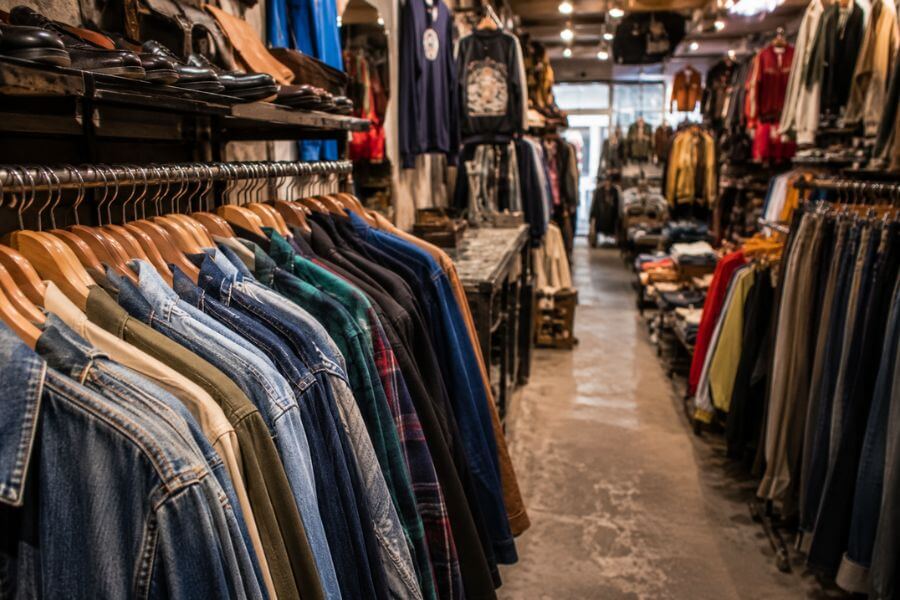
When you first land in Tokyo, you might be surprised by how organized and polished the second-hand scene is. Unlike some places where you might have to dig through messy bins to find a hidden treasure, Tokyo stores often display their collections like art galleries. It is important to know the difference between the types of shops you will see.
Vintage boutiques are common in areas like Shimokitazawa and Harajuku. These shops have owners who carefully select every single item. You will find curated collections based on specific eras, like the 1970s or 1990s, or specific styles like Americana, military gear, or high-end designer pieces. Because these items are hand-picked, the price tag often reflects the effort put into finding them.
Reuse shops, which you will find under names like “2nd Street” or the “Off” family (Mode Off, Hard Off, etc.), are different. These locations buy items directly from local people. You will find a much wider mix of clothing here, ranging from basic everyday items to high-end brand names. These are your best bet for finding a bargain or a simple wardrobe staple that still has plenty of life left in it.
Shimokitazawa: The Bohemian Heart of Vintage
If you only have time for one neighborhood, make it Shimokitazawa. This area feels like a small, sleepy town tucked away from the massive skyscrapers of central Tokyo. It is known for its narrow, winding streets, cozy cafes, and an endless number of vintage stores. The atmosphere is laid-back, and you will see many young artists and musicians wandering the area.
What to Expect in Shimokitazawa
The shops here are densely packed. You can walk for an hour and visit twenty different stores without leaving a three-block radius. The style in Shimokitazawa leans heavily toward the bohemian, the quirky, and the unique. You are likely to find vintage denim, oversized sweaters, retro patterned shirts, and accessories that you simply cannot find anywhere else.
Navigating the Streets
Start your journey at the station and explore the streets heading north and south. You will notice that many of the shops have racks of clothing out on the sidewalk. This is your cue to start browsing. Do not be afraid to step into the smaller, basement-level shops or those tucked away on the second floor of older buildings. Some of the best finds in Tokyo are waiting in these hidden spots.
Koenji: The Gritty and Authentic Alternative
Koenji is often described as the “cool” sibling of Tokyo neighborhoods. It feels a bit more rough around the edges compared to the polished streets of Harajuku. This is where you go if you are looking for true, deep-cut vintage items. The area is famous for its punk rock roots and counter-culture history, which is reflected in the fashion you will find in its shops.
Why Koenji Stands Out
The stores in Koenji specialize in very specific categories. You might walk into a shop that only sells 1950s workwear or another that focuses entirely on vintage concert t-shirts. The owners of these shops are often experts in their fields, so do not hesitate to ask them questions about the history of a piece. The prices in Koenji are often a bit more reasonable than in Harajuku, making it a favorite for serious collectors who want to stretch their budget.
The Best Way to Explore
The main shopping streets in Koenji are the covered arcades that start near the station. These arcades protect you from the rain or sun, allowing you to browse comfortably. As you walk deeper into the residential streets, you will find smaller, family-run boutiques that have been in the neighborhood for decades. It is a fantastic place to spend an entire afternoon.
Harajuku: The Mix of Trendy and High-End
Harajuku is a legendary name in the world of fashion. It is the birthplace of many Japanese street styles, and its vintage scene is just as vibrant. However, keep in mind that Harajuku is a tale of two sides. You have the main tourist-heavy street, Takeshita-dori, which is full of fast-fashion and souvenirs, and then you have the backstreets of Ura-Harajuku, where the real fashion magic happens.
Shopping for Quality and Brands
In the backstreets, you will find high-end vintage boutiques. These shops are world-famous for their incredible collections of designer sneakers, luxury handbags, and rare vintage streetwear. If you are looking for a specific designer brand from the 1990s, this is where you are most likely to find it. The presentation here is top-tier, and the staff are usually very knowledgeable.
Balancing the Budget
Because Harajuku is a major tourist destination, the prices can be on the higher side. However, you can still find gems if you take the time to compare shops. Look for smaller, less flashy storefronts tucked into the alleys between the main roads. These are often where the locals shop and where you can find more competitive pricing for high-quality vintage items.
Comparison Table of Tokyo Vintage Neighborhoods
| Neighborhood | Best For | Typical Price Range | Overall Vibe |
| Shimokitazawa | Bohemian & Quirky | Mid-Range | Laid-back & Artsy |
| Koenji | Rare Vintage & Americana | Budget to Mid-Range | Gritty & Authentic |
| Harajuku | Luxury & Streetwear | High | Trendy & Fast-Paced |
Tips for a Successful Shopping Trip
To get the most out of your day, arrive prepared. Here are a few simple pointers to keep in mind as you head out:
- Wear comfortable shoes. You will be doing a lot of walking as you move from shop to shop.
- Bring a tote bag. Many stores in Japan charge for shopping bags, or they might not provide them at all. Having your own makes it more convenient to carry your finds.
- Check the tags. Many stores use color-coded or letter-coded tags to indicate the condition of the garment. “A” usually means like-new, while “C” or “D” might mean there are noticeable signs of wear.
- Don’t be afraid to try things on. Most vintage shops provide clean fitting rooms. Sizing in Japan can be different, so it is always safer to check the fit before you buy.
- Keep your passport handy. If you plan on doing a lot of shopping, some stores offer tax-free benefits for tourists if you spend over a certain amount. Always carry your passport when shopping just in case.
Summary of Store Types
| Store Type | Inventory Style | Pricing | Best For |
| Boutique Vintage | Carefully Curated | Higher | Unique & Rare Items |
| Reuse Chain Stores | Large, Mixed | Lower to Mid | Basic & Budget Finds |
| Luxury Resale | Selected Brands | Varies (Often High) | Designer Goods |
Frequently Asked Questions
Do I need to speak Japanese to shop for vintage in Tokyo?
Not at all. You can easily navigate the shopping process by looking at price tags and condition labels. Most shop staff in these popular areas are used to international visitors and can communicate the basics. A simple “arigato” (thank you) goes a long way.
Are these stores open on weekends?
Yes, most vintage and thrift stores in Tokyo are open seven days a week. Weekends are usually busier, which can make for a more lively experience but might mean longer waits to use fitting rooms. If you prefer a quieter shopping trip, aim for a weekday morning.
Can I negotiate prices in these stores?
Generally, no. Prices in Japanese retail, including vintage and second-hand shops, are fixed. Haggling is not part of the culture here. The price you see on the tag is the price you pay, so it is best to respect the shop’s policy.
Is the clothing quality reliable?
The quality of second-hand goods in Japan is exceptionally high. Stores have strict standards for what they accept from sellers, and they typically clean and inspect every item before putting it on the rack. While you should always check for yourself, you are far less likely to find damaged or dirty items compared to other parts of the world.
How do I find specific stores mentioned in guides?
The best way to find these stores is to use a map application on your phone. Most shops in Tokyo have a presence on digital maps, which will show you the exact location, opening hours, and sometimes even photos of the store’s interior or their latest arrivals. It is also a good idea to look for the shop’s social media page, as many update their inventory there daily.