Key Takeaways
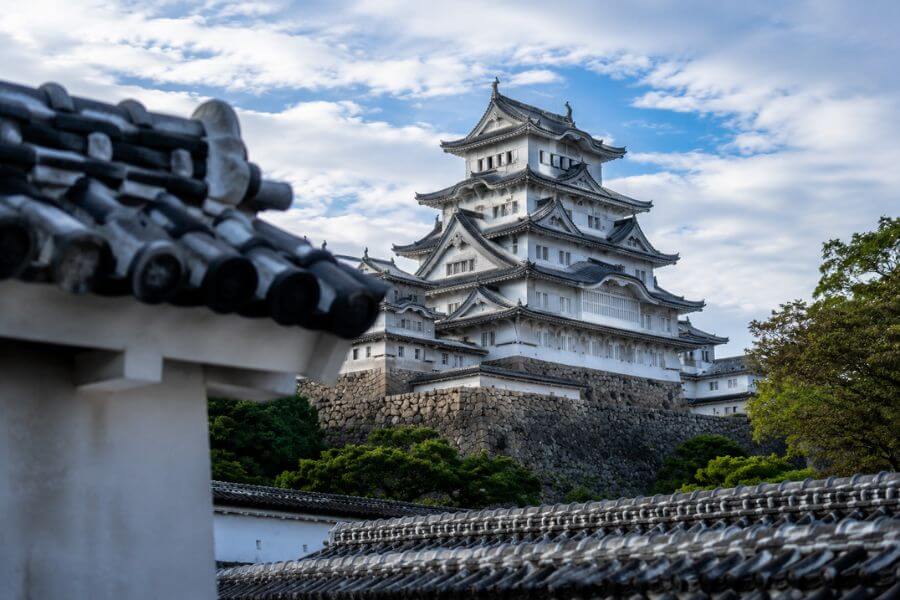
- Himeji Castle stands as the premier example of original defensive architecture in Japan, having survived centuries of war and nature.
- Matsumoto Castle, known as the Crow Castle, offers a unique aesthetic with its black exterior and stunning mountain backdrop.
- Kumamoto Castle demonstrates the absolute pinnacle of strategic fortification design, particularly regarding its curved stone walls known as musha-gaeshi.
- Nijo Castle provides a rare look into the luxurious life of the Tokugawa Shogunate, focusing on internal art and sensory experience rather than just battle readiness.
- Visiting these sites requires an understanding of both the physical structure of the buildings and the political climate of the time periods they represent.
Stepping Back in Time: The Allure of Japanese Castles
When you walk toward a grand Japanese castle, you are doing more than just sightseeing. You are walking into a preserved moment of history. These structures, often called shiro, were not just homes for powerful lords; they were massive machines built for war and displays of ultimate status. For a history lover, there is nothing quite like standing in a wooden room where a daimyo once sat to make decisions that would shape the fate of the nation. The smell of old cedar, the cool touch of stone, and the sight of steep, winding paths transport you instantly. This guide will take you through the most significant castles you should visit to truly understand the spirit of feudal Japan.
Himeji Castle: The White Heron in Flight
Himeji Castle is often the first stop for any serious history fan, and for good reason. It is widely considered the finest surviving example of early 17th-century Japanese castle architecture. Its nickname, the White Heron, comes from its brilliant white plastered walls and its graceful appearance that seems to hover above the city.
The Defensive Mastery of Himeji
When you explore Himeji, pay attention to the layout. It was built as a complex maze. The paths are designed to confuse attackers, forcing them to turn corners that expose them to arrows and gunfire from the main tower. Every wall, gate, and window was built for a reason. You will notice small openings in the walls that are shaped like circles, triangles, and squares. These allowed archers and gunners to fire at enemies without exposing themselves to return fire.
Life Within the Walls
Beyond the defense, the castle was a home. The interior displays are meticulously kept, showing how the lord lived and how his samurai guards functioned. You will see wide wooden staircases—a rare sight in many other castles—which were necessary for quickly moving troops. Walking through these halls, you can almost hear the rustle of silk robes and the clatter of armor. It is a massive structure that manages to feel both imposing and surprisingly elegant.
Matsumoto Castle: The Crow Castle
While Himeji is bright and airy, Matsumoto Castle offers a darker, more brooding presence. Located in the Nagano Prefecture, this castle is famous for its black wood exterior. Against the backdrop of the Northern Alps, it is perhaps the most visually stunning castle in the entire country.
Why the Black Walls Matter
The black color is not just a style choice. It was practical. The wood was coated in a black lacquer that helped protect it from the harsh weather of the mountains. This also made the castle appear larger and more intimidating to anyone approaching from the valley. When you see the black walls reflected in the castle moat, you get a sense of how the castle served as a beacon of power for the local daimyo.
The Unconquered Keep
Unlike many other castles that were rebuilt in modern times using concrete, the main keep of Matsumoto is original. This is a rare treasure. As you climb the steep, narrow, and creaky stairs to the top level, you are walking on the exact same boards that samurai walked on over four hundred years ago. The view from the top is breathtaking, giving you a look at the landscape that the lord would have surveyed to watch for incoming enemies.
Kumamoto Castle: A Lesson in Strategy
If you want to understand how samurai armies held off massive forces, Kumamoto Castle is your essential classroom. Located on the island of Kyushu, it is known for being one of the most formidable defensive sites ever constructed in Japan.
The Musha-gaeshi Walls
The most famous feature of this castle is the curved base of its stone walls. These are called musha-gaeshi, or warrior-repellers. The bottom of the wall starts at a gentle slope and then curves upward to become near-vertical at the top. This design made it nearly impossible for enemy soldiers to climb up. When you stand at the base, you realize how effective this simple curve would have been against a charging army.
Resilience Against Adversity
Kumamoto Castle has faced many trials, including a major siege in the 1800s and a severe earthquake in recent years. Its history is one of constant repair and fierce pride. The reconstruction efforts are a testament to the Japanese commitment to preserving their cultural identity. Every stone replaced is a nod to the past, ensuring that future generations can learn about the tactical genius of the Kato clan, who originally built it.
Nijo Castle: The Shogun’s Seat of Luxury
Nijo Castle in Kyoto offers a sharp contrast to the defensive focus of Himeji or Kumamoto. This was the residence of the Tokugawa Shoguns. It was not meant to withstand a long siege in the middle of a war; it was meant to showcase absolute authority, wealth, and the peace of a unified nation.
The Nightingale Floors
As you walk through the Ninomaru Palace at Nijo, you will hear a high-pitched chirping sound under your feet. These are the famous nightingale floors. They were built with a special metal mechanism that squeaks when pressure is applied. This served as a sophisticated alarm system to warn the Shogun of any intruders, including assassins. It is a brilliant example of how design and security merged in the Edo period.
Artistic Mastery
The walls and sliding doors at Nijo are decorated with incredible paintings of nature, gold leaf, and bold colors. These rooms were used to impress visitors, showing them that the Shogun controlled all the resources of Japan. Walking through these halls, you are experiencing the height of Japanese interior design, where every detail was planned to establish hierarchy and respect.
Comparing Key Features of Major Castles
To help you decide which castles to prioritize, consider this comparison based on their historical functions and physical traits.
| Castle Name | Primary Character | Unique Selling Point | Best For |
| Himeji | Defensive Maze | Original White Plaster | Architecture Fans |
| Matsumoto | Dark and Imposing | Original Black Keep | Photographers |
| Kumamoto | Strategic Fortress | Curved Stone Walls | Tactical History Buffs |
| Nijo | Political Hub | Nightingale Floors | Art and Culture Lovers |
Summary of Historical Context
Understanding the era in which these castles were built helps you appreciate them more. Most of the iconic castles we see today were built during the Sengoku period, or the Warring States period, and the early Edo period.
- Sengoku Period (mid-15th to late 16th century): A time of constant civil war. Castles were primarily mountain fortresses designed for pure survival.
- Edo Period (1603 to 1867): A time of peace under the Tokugawa Shogunate. Castles shifted from being war zones to being symbols of administrative control and prestige.
How to Prepare for Your Castle Tour
Visiting these sites is a rewarding experience, but it requires some planning. Many of these castles have steep stairs, uneven stone paths, and large grounds.
- Wear comfortable shoes: You will walk a lot, and the terrain can be challenging.
- Go early: Popular spots like Himeji get very crowded by midday. Arriving when the gates open lets you experience the quiet atmosphere.
- Bring a journal: There is so much information provided on signs and in displays that you will want to write down your observations.
Frequently Asked Questions
Which castle is the best for a first-time visitor?
Himeji Castle is generally considered the best starting point. It offers the most complete experience of a classic Japanese castle, including the defensive layout, the residential areas, and the iconic architectural style that people think of when they picture Japan.
Are all these castles original?
Not all of them. Himeji, Matsumoto, and Nijo have original keeps or major sections, which makes them very special. Many other castles across Japan were destroyed by fire or war and were later rebuilt using modern materials like concrete to house museums. Checking if a castle has an original keep is a great way to prioritize your list.
Do I need a guide to enjoy the castles?
While you can certainly learn a lot by reading the signs and using provided audio guides, hiring a local history guide can provide deep insights that aren’t written on placards. They can tell you the specific stories of the families that lived there and point out subtle details you might miss on your own.
How much time should I set aside for each castle?
For a thorough visit, you should set aside at least half a day for each major castle. This gives you time to explore the inner grounds, the museum sections, and the surrounding gardens without feeling rushed. Nijo Castle can take a bit longer if you want to study the art in every room.
Can I enter every part of the castle?
In most cases, you can enter the main keep and walk through the main palace buildings. However, some areas are restricted to preserve the wood and artifacts. Always follow the signs and respect the roped-off areas, as they are crucial for keeping these historical treasures in good condition for the future.