Key Takeaways
- Sake is brewed, not distilled, making it fundamentally different from spirits like vodka or gin.
- The primary ingredients are rice, water, yeast, and koji mold, which work together in a unique fermentation process.
- Polishing rice is the secret to quality; the more the rice is polished, the more refined and aromatic the final drink becomes.
- Temperature matters significantly, as sake can be enjoyed chilled, at room temperature, or warmed, depending on the grade and season.
- Understanding the basic terminology—like Junmai, Ginjo, and Daiginjo—will help you make better choices at any restaurant or store.
- Sake is an incredibly versatile companion for food, pairing beautifully with everything from fresh sushi to rich, fatty meats and cheeses.
Understanding the Essence of Sake
When you walk into a Japanese restaurant or a well-stocked liquor store, you might see rows of beautiful, elegant bottles adorned with calligraphy and minimalist labels. This is sake, often called Japanese rice wine, though it is technically brewed more like a beer. It is a beverage steeped in history, tradition, and a deep respect for natural ingredients. To truly appreciate sake, you have to stop thinking of it as just another alcohol and start seeing it as a craft.
At its heart, sake is a celebration of water and rice. Japan has incredibly pure, soft water, and the country’s long history of rice cultivation has created the perfect foundation for this drink. While we call it rice wine, that term is a bit misleading. Wine is made from fruit that already contains sugar, allowing it to ferment easily. Rice, however, contains starch. Before the rice can turn into alcohol, that starch must be converted into sugar. This is where the magic happens, thanks to a special mold called koji.
Imagine a process where fermentation and starch conversion happen at the same time in the same tank. This is known as multiple parallel fermentation, and it is what makes sake so complex and unique compared to almost every other drink on the planet. It is a delicate dance between human skill and natural chemistry. When you take your first sip of a high-quality sake, you are not just drinking rice water; you are tasting a complex ecosystem that has been perfected over hundreds of years.
The Vital Ingredients
To understand why sake tastes the way it does, you need to look at what goes into the vat. There are only four essential components, but the quality and selection of each change everything.
The Special Rice
You cannot use the same rice you buy at the grocery store to make premium sake. Sake rice, known as sakamai, is larger, stronger, and has a higher concentration of starch in the center of the grain. This center is called the shinpaku, or white heart. The goal of the brewer is to reach this heart while removing the proteins and fats on the outside of the grain, which can create unwanted flavors.
The Role of Water
Water makes up about 80 percent of the final bottle. Brewers often build their facilities near famous natural springs or wells. Soft water tends to result in a gentle, mellow sake, while harder water, which is richer in minerals, often produces a punchier, drier, and more robust flavor profile. If the water is not perfect, the sake will never reach its full potential.
The Koji Mold
Koji is the secret weapon. It is a type of mold that is carefully cultivated on steamed rice. Once the mold spores take root, they produce enzymes that break down the hard rice starch into fermentable sugars. Without koji, the yeast would have nothing to eat, and the alcohol production would never begin. It is the bridge between the grain and the glass.
Yeast and Fermentation
Finally, there is the yeast. Brewers select specific strains of yeast to influence the aroma and flavor. Some yeasts produce fruity notes like apple or melon, while others lean toward more earthy or floral scents. The combination of the specific rice, the water source, the koji-making technique, and the yeast strain is what gives every brewery its signature style.
The Art of Rice Polishing
The single most important factor in determining the grade of a sake is the rice polishing ratio. This process involves grinding away the outer layers of the rice grain to expose the pure starch at the center.
Low Polishing Ratios
When the rice is polished only slightly, more of the outer layers remain. These layers contain lipids and proteins that can contribute to a heavier, earthier, and more savory profile. These sakes are often very traditional and pair perfectly with bold, cooked dishes.
High Polishing Ratios
When a brewery polishes away 50 percent or more of the grain, they are left with only the most refined starch. This results in a sake that is often clean, fragrant, and light. These are the premium bottles you see on the top shelves, often with delicate aromas reminiscent of flowers or tropical fruits.
The Impact on Quality
It is a common misconception that more polishing always equals better quality, but that is not strictly true. While higher polishing generally leads to a cleaner, more aromatic profile, some people prefer the texture and body that come with less polished rice. The polishing ratio is simply a tool that the brewer uses to paint a specific flavor picture.
Classifying Your Sake
If you look at a label, you will see terms like Junmai, Ginjo, and Daiginjo. These are the building blocks of sake classification.
Understanding Junmai
Junmai translates to pure rice. This means the sake is made only from rice, water, yeast, and koji. There is no added distilled alcohol. Junmai sake is generally known for having a fuller body, a higher acidity, and a more pronounced rice-forward flavor. It is the backbone of the sake world.
Exploring Ginjo and Daiginjo
Ginjo is a premium classification that requires the rice to be polished to at least 60 percent. Daiginjo is even more refined, requiring at least 50 percent polishing. Because these are polished so heavily, they require much colder fermentation temperatures and take much longer to produce. The result is a highly aromatic and sophisticated beverage.
The Role of Added Alcohol
You might see some sakes that have a small amount of distilled alcohol added at the end of the process. This is not for potency; it is a technical technique. The addition of a tiny amount of pure alcohol helps to draw out subtle aromas and makes the texture of the sake lighter and smoother. It is a hallmark of high-end traditional brewing.
The Sensory Experience of Tasting
Tasting sake is an experience that involves all of your senses. It is not just about downing a shot; it is about paying attention to what happens in your mouth as the liquid warms.
The Importance of Aroma
Before you take a sip, hold the cup close to your nose. What do you smell? You might detect fresh grass, banana, pear, or even a hint of mushrooms or toasted nuts. Sake aroma is incredibly diverse. A colder sake might keep its scents tight, while a warmer one will release them more readily.
Mouthfeel and Texture
Sake has a unique texture that sets it apart from wine. It can be silky, creamy, watery, or even slightly effervescent. Pay attention to how it coats your tongue. Is it light and fleeting, or does it leave a long, lingering finish? This is the texture that makes sake so enjoyable with food.
The Flavor Spectrum
Sake is often categorized by its dryness or sweetness. This is measured by the Sake Meter Value, or Nihonshudo. A higher positive number means a drier sake, while a negative number indicates a sweeter profile. However, acidity also plays a major role, so a dry sake might actually taste quite balanced if it has enough acidity to lift the flavor.
Temperature and Serving Styles
One of the most exciting things about sake is that it is not tethered to one temperature. You can serve it hot, cold, or room temperature, and each choice will reveal a completely different side of the same bottle.
Chilling Your Sake
Chilling is common for premium sakes like Ginjo and Daiginjo. A temperature of around 50 degrees Fahrenheit is often perfect. Cold temperatures highlight the delicate, fruity aromatics and the crisp, clean finish. If you have an expensive, fragrant bottle, keep it chilled to preserve those volatile aromas.
Room Temperature
Known as hiya, serving sake at room temperature is a classic way to experience the natural character of the rice. This is often the best way to taste a high-quality Junmai. You can perceive the full range of textures and the natural umami without the influence of extreme heat or cold.
Warming Your Sake
Warming sake, or kan-zake, is a cozy tradition, especially in winter. Warming a sake to around 100 to 110 degrees Fahrenheit can soften the acidity and make the flavor much rounder and fuller. It brings out the savory, umami-rich notes of the rice. It is best to warm sake gently in a water bath rather than using a microwave, which can create uneven hot spots.
Pairing Sake with Food
Because sake lacks the heavy tannins found in red wine, it is an incredibly flexible partner for food. It cleanses the palate and enhances the natural flavors of the ingredients you are eating.
Pairing with Seafood
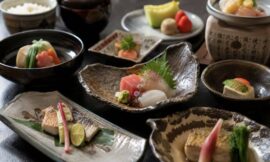
Sushi and sashimi are the classic partners for sake. The subtle, clean nature of a light sake allows the sweetness of the raw fish to shine. If you are eating oily fish like mackerel or tuna, look for a slightly more robust sake that can stand up to the richness of the fish.
Pairing with Meat and Vegetables
Sake also pairs beautifully with roasted meats and vegetable dishes. Because sake contains high levels of amino acids, it acts as a flavor enhancer. This is why it works so well with dishes that have a savory or umami quality, such as grilled chicken skewers, stir-fried vegetables, or even a rich, creamy cheese board.
Beyond Japanese Cuisine
Do not be afraid to pair sake with pizza, tacos, or pasta. The key is matching the intensity. A light, floral sake works well with salads or light appetizers, while a bold, earthy Junmai can handle spicy or heavy sauces. Sake is arguably more versatile than wine because it rarely clashes with ingredients like vinegar or garlic.
The Culture of Pouring
In Japan, you never pour your own sake. The act of pouring for others is a social gesture that builds connection.
The Social Ritual
When you are at a table, you watch the glasses of your companions. If you see someone running low, you pick up the bottle and pour a little for them. Then, they will take the bottle and pour for you. This creates a shared experience and keeps the conversation flowing. It is a beautiful way to show care for those you are with.
Choosing Your Vessel
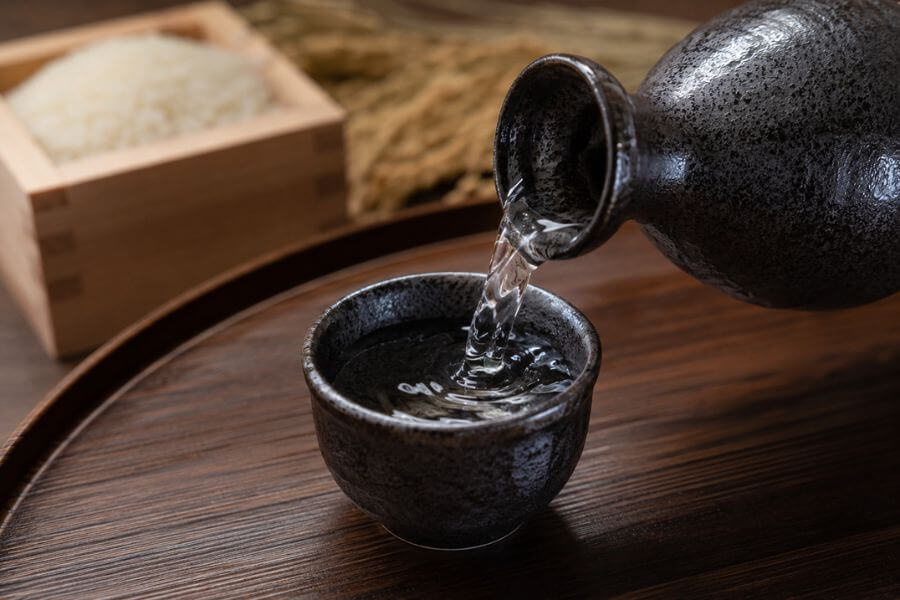
The vessel you use changes the experience. Small ceramic cups, called choko, are traditional and great for warming. Larger glass cups or even wine glasses are often used for premium cold sake, as they allow the aroma to collect in the bowl, much like it does with high-end wine. Experimenting with different shapes can be a fun way to explore the personality of the sake.
How to Store Your Sake
Sake is generally not meant for long-term aging like some fine wines. Most sake is bottled when it is ready to drink.
Keep It Cool and Dark
Light and heat are the enemies of sake. Sunlight can cause the liquid to break down and develop off-flavors, and heat will accelerate oxidation. Always store your bottles in a cool, dark place, ideally in the refrigerator if you have the space.
Consume After Opening
Once a bottle of sake is opened, it is best to drink it within a few days to a week. While it will not go bad immediately, the delicate aromatics will begin to fade as the sake reacts with the oxygen. Think of it like a bottle of fresh juice; it is best enjoyed while it is at its peak.
Selecting Your First Bottle
If you are just starting your journey, the choices can feel overwhelming. Do not let the complex labels intimidate you.
Start with the Basics
Look for a bottle of Junmai. It is reliable, versatile, and offers a great introduction to what real sake tastes like. If you want something a bit more fragrant, try a Ginjo. Most retailers will have labels that describe the flavor profile, using words like “fruity,” “dry,” “crisp,” or “smooth.”
Trust the Brewery
Over time, you will find breweries that you enjoy more than others. Just like a favorite winery, a favorite brewery can be a compass. Many breweries produce a range of styles, from affordable daily drinkers to luxurious bottles for special occasions.
Don’t Overthink It
Sake is meant to be enjoyed. While it is helpful to know the technical terms, the most important metric is whether or not you like the taste. Try different styles, different temperatures, and different food pairings, and pay attention to what you prefer. There is no wrong way to explore this fascinating drink.
Frequently Asked Questions
Is sake stronger than wine?
Yes, generally speaking. Most sake has an alcohol content of around 15 to 17 percent, whereas standard wine usually sits between 11 and 14 percent. However, because sake is often served in smaller quantities and can be diluted with ice or warmed, the experience of drinking it can feel very different from drinking wine.
Does sake cause a worse hangover than other alcohols?
There is no scientific evidence that sake causes worse hangovers than other alcoholic beverages. Hangovers are primarily driven by the amount of alcohol consumed and the body’s hydration levels. Because sake is clean and free of many of the additives and impurities found in some spirits, many people find it to be a very gentle drink when consumed responsibly.
Can I use cooking sake to drink?
You should avoid drinking sake labeled specifically for cooking. Cooking sake often contains added salt and other seasonings intended to enhance savory dishes. While it is perfectly fine for deglazing a pan or adding depth to a sauce, it is not intended for the palate and will not provide the enjoyable experience of a premium drinking sake.
Should I drink sake with food or by itself?
You can do both. Sake is a wonderful drink to enjoy on its own to appreciate its complexity, but it is also famous for its ability to elevate a meal. Many people find that drinking sake throughout a meal, starting with a light chilled style and moving to a warmer style with the main course, provides the best overall experience.
How long does an unopened bottle of sake last?
An unopened bottle of sake can stay in good condition for about a year if stored in a cool, dark place. Unlike red wine, which can evolve and improve over decades, most sake is designed to be consumed within a relatively short window after it is released. Always check the bottle for a production date if it is available.