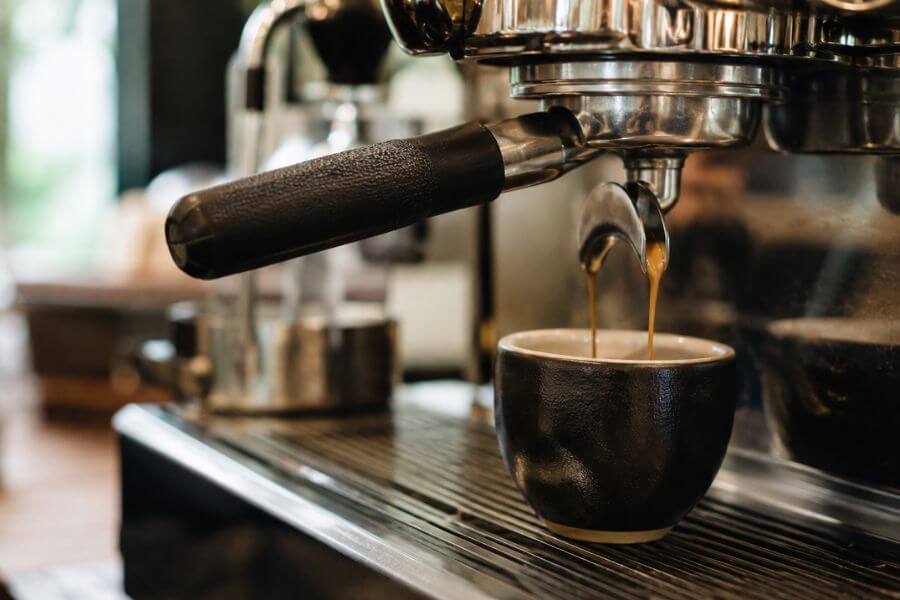
Tokyo is a city where every corner holds a secret. For those who live for that perfect cup of morning fuel, this place is a dream. You will find everything from quiet, wood-filled rooms that feel like a time machine to bright, modern spaces that focus on the science of the bean. This guide helps you navigate the maze of Tokyo coffee culture, ensuring your trip is filled with warmth, great flavors, and memorable sips.
Key Takeaways
- Tokyo coffee culture is a mix of traditional retro shops and modern third-wave spots.
- Always bring cash, as many smaller, older cafes do not take credit cards.
- Respect the quiet nature of traditional shops by keeping your voice low.
- Look for roasters if you want the freshest beans possible.
- Try the local sweets that often pair with the coffee, like cheesecake or pudding.
- Some popular spots may have lines, so consider visiting on a weekday morning.
Understanding the Tokyo Coffee Scene
When you walk through the streets of Tokyo, you see two main types of places. First, there are the traditional shops known as kissaten. These are places that have been around for a long time. They are often dark, cozy, and filled with old furniture. People go there to sit in silence, read a book, or listen to jazz. They treat coffee like a work of art.
On the other side, you have the modern specialty shops. These places are bright and clean. They care deeply about where the beans come from and how they are roasted. The baristas here are like experts who can explain the notes of fruit or chocolate in your drink. Tokyo is special because both of these worlds exist side by side. You can have a heavy, dark roast in a retro shop one hour and a light, floral pour-over in a sleek space the next.
Traditional Kissaten: A Step Back in Time
Entering a kissaten feels like stepping into a different era. These shops are the heart of old-school Tokyo hospitality. The owners often spend hours cleaning their equipment and choosing the perfect cup for your drink.
Why You Should Visit
These places offer a pause from the fast pace of the city. There is no rush here. When you order, you are getting a drink made with extreme care. The vibe is usually calm, and the decor feels like a living room from the past.
What to Expect
Do not look for fancy milk art here. You will get a classic drip coffee, usually dark and rich. It often comes with a small side of milk and sugar, meant to be used as you like. Many of these shops also serve simple snacks like toast with butter or sweet egg sandwiches. It is a simple, beautiful way to start your day.
The Modern Specialty Wave
If you want something new, Tokyo has some of the best modern roasters in the world. These shops focus on the bean. They want you to taste the unique flavor of the region where the coffee grew.
Seeking the Perfect Roast
In these shops, you will see bags of beans from all over the world—Ethiopia, Colombia, Brazil, and more. The menu might look like a wine list. You can choose your bean and even your method of brewing, such as a V60 pour-over or a cold press.
The Barista Connection
Talking to your barista is a highlight of this experience. They are often eager to share their knowledge. If you ask about the flavor profile, they will tell you what to expect. Do not be afraid to ask for a recommendation. They are passionate about what they do and want you to have the best cup possible.
Neighborhoods You Must Explore
Tokyo is huge, but some areas have more coffee shops than others. If you want to spend a day hopping from one place to another, focus on these spots.
Shibuya and Harajuku
These areas are busy, but they hold hidden gems. You will find tiny stands that serve great coffee to go, as well as chic spaces hidden in the back alleys. It is the perfect place to see the trendy side of Tokyo.
Shimokitazawa
This is a relaxed neighborhood with a bohemian vibe. There are many independent coffee shops here that feel like community hubs. It is a great place to wander, find a shop with a nice window seat, and watch the world go by.
Ginza
If you want something more formal, Ginza is the place. Some of the oldest and most respected kissaten are found here. It is also home to high-end coffee bars where the service is professional and precise.
Comparing Your Coffee Options
To help you decide where to go, look at this comparison of what you might find in different types of shops.
| Feature | Traditional Kissaten | Specialty Coffee Shop |
| Atmosphere | Dark, Retro, Quiet | Bright, Modern, Open |
| Brewing Style | Hand-Drip, Siphon | Pour-over, Espresso, Aeropress |
| Roast Level | Dark, Bold | Light to Medium |
| Food Menu | Toast, Sandwiches, Cake | Pastries, Baked Goods |
| Payment | Often Cash Only | Often Card or Digital |
How to Enjoy Coffee Like a Local
To truly fit in, keep a few things in mind. First, remember that coffee is a ritual. Take your time. Do not try to rush your drink. If you are in a quiet shop, speak softly. It is polite to notice the silence of the room.
Second, be prepared for small spaces. Many of the best shops only have a few chairs. Sometimes you might stand at a counter. Embrace this, as it is part of the charm of the city. If a shop is full, it is often better to find another spot rather than hover, as people really value their personal time in these cafes.
Finally, think about your timing. Weekends can be crowded in popular areas. If you can, go on a Tuesday or Wednesday morning. You will have a much better chance of getting a seat and chatting with the staff.
Pairing Coffee with Sweets
In Japan, a coffee break is rarely just about the coffee. Most shops serve something sweet to go with it.
- Cheesecake: This is a staple. It is usually smooth, light, and not too sweet. It pairs perfectly with a bitter dark roast.
- Pudding: You will see “purin” on many menus. It is a custard-style dessert with a bit of caramel on top. It is very satisfying.
- Chiffon Cake: Very light and fluffy. It is a great snack if you want something that will not weigh you down.
- Toast: Yes, toast! In many kissaten, a thick slice of buttered toast with a side of bean paste or jam is the classic morning pairing.
Frequently Asked Questions
Do I need to speak Japanese to order coffee?
Most coffee shops in popular areas have menus in English or photos you can point to. Even if the staff does not speak much English, a polite “sumimasen” (excuse me) and a friendly smile go a long way. The staff is usually very helpful and will appreciate your effort to order.
Why do some shops say “cash only”?
Many small, family-owned shops have operated for decades without changing their systems. Keeping it simple helps them focus on the coffee. Always carry some yen in your pocket to make sure you are ready for any shop you find.
Is it rude to stay in a cafe for a long time?
In a traditional kissaten, it is fine to stay for a while with one cup. However, if the shop is very small and there is a line outside, it is polite to finish your drink and move on after 45 minutes to an hour. In a busy modern cafe, the rule of thumb is to order another drink if you plan to stay for more than an hour.
Can I find decaf options in Tokyo?
While not every shop has it, many modern specialty cafes do offer decaf or low-caffeine beans. It is worth asking, but if you are visiting a traditional shop, you should assume they only have standard coffee.
Are there any coffee chains I should look for?
If you are in a rush or just need a reliable cup, chains like Sarutahiko Coffee are local favorites that offer a much higher quality than a typical international chain. They have multiple locations and are a good middle ground between a specialty shop and a quick stop.