If you enjoy loose leaf tea, the teapot you use can make a bigger difference than you might think. Japanese ceramic teapots are known around the world for their craftsmanship, durability, and ability to bring out the best flavors in tea. Many are handmade by skilled artisans who follow traditions that have been passed down for generations.
Whether you drink green tea every morning, enjoy specialty oolong teas, or simply appreciate beautiful kitchenware, a high-quality Japanese ceramic teapot can elevate your tea experience. From traditional Tokoname clay teapots to modern handcrafted designs, Japan offers some of the finest options available.
In this guide, you’ll discover seven of the best Japanese ceramic teapots for loose leaf tea, along with the features that make them stand out.
Quick Summary Table
| Teapot | Best For | Capacity | Key Feature |
|---|---|---|---|
| Tokoname Kyusu Teapot | Everyday Japanese green tea | 10-14 oz | Traditional red clay construction |
| Banko Yaki Purple Clay Teapot | Rich tea flavor | 12-16 oz | Excellent heat retention |
| Hokujo Tokoname Kyusu | Premium craftsmanship | 10 oz | Handmade by renowned artisans |
| Arita Porcelain Teapot | Elegant serving | 15-20 oz | Refined porcelain finish |
| Hasami Ceramic Teapot | Modern tea lovers | 16-24 oz | Contemporary minimalist design |
| Shigaraki Ware Teapot | Rustic aesthetics | 12-18 oz | Unique natural textures |
| Mino Ware Ceramic Teapot | Versatile daily use | 14-20 oz | Balance of beauty and practicality |
How We Ranked These Teapots
We evaluated each Japanese ceramic teapot using several important factors:
- Build quality and craftsmanship
- Durability of the ceramic material
- Tea brewing performance
- Heat retention capability
- Comfort and pouring control
- Filter effectiveness for loose leaf tea
- Traditional authenticity
- Design and appearance
- Ease of cleaning and maintenance
- Overall value for tea enthusiasts
1. Tokoname Kyusu Teapot
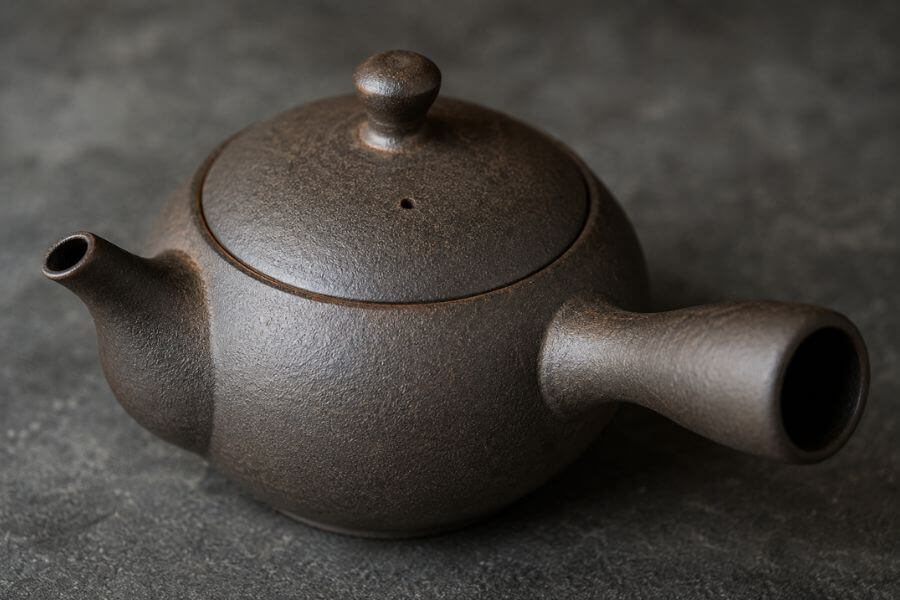
The Tokoname Kyusu is one of Japan’s most famous teapots and a favorite among tea enthusiasts worldwide. Produced in Tokoname, one of Japan’s historic pottery centers, these teapots are especially popular for brewing Japanese green tea.
The unglazed clay used in many Tokoname teapots is believed to interact gently with tea, helping create a smoother and more balanced flavor. Most models feature a side handle design, which allows for precise pouring and comfortable use.
Another advantage is the built-in ceramic mesh filter. Unlike metal strainers, ceramic filters allow tea leaves to expand naturally while maintaining a traditional appearance.
If you want an authentic Japanese tea experience, a Tokoname Kyusu is often the first teapot experts recommend.
2. Banko Yaki Purple Clay Teapot
Banko Yaki teapots come from Mie Prefecture and are highly respected for their heat-retention properties. The distinctive purple clay gives these teapots a unique appearance while providing excellent brewing performance.
One of the biggest benefits of Banko Yaki pottery is its ability to maintain a stable temperature throughout the brewing process. This helps extract flavors evenly and can improve the overall quality of your tea.
These teapots are particularly well-suited for green tea, oolong tea, and roasted teas. Their durability also makes them a reliable choice for everyday use.
For tea drinkers who value consistency and flavor development, Banko Yaki teapots offer outstanding performance.
3. Hokujo Tokoname Kyusu
The Hokujo Tokoname Kyusu represents the premium end of Japanese teapot craftsmanship. These teapots are often handmade by highly respected artisans and showcase remarkable attention to detail.
Every aspect of the design is carefully refined, from the balance of the handle to the precision of the spout. The clay is expertly processed to create a smooth finish and exceptional brewing characteristics.
Many tea collectors consider Hokujo teapots investment pieces because of their artistry and reputation. While they typically cost more than standard teapots, they offer an unmatched combination of beauty and functionality.
If you’re looking for a teapot that reflects traditional Japanese craftsmanship at its highest level, this is an exceptional option.
4. Arita Porcelain Teapot
Arita ware is one of Japan’s most famous porcelain traditions. Unlike clay teapots, Arita porcelain teapots feature a smooth glazed surface and elegant appearance.
These teapots are ideal for serving guests because of their refined look and decorative qualities. Many feature intricate hand-painted designs inspired by Japanese culture and nature.
The glazed interior makes them versatile for brewing different types of tea. Since the porcelain does not absorb flavors, you can switch between tea varieties without affecting taste.
Arita porcelain teapots are perfect if you want a combination of practicality and sophisticated presentation.
5. Hasami Ceramic Teapot
Hasami ware has become increasingly popular among modern tea drinkers who appreciate clean lines and minimalist aesthetics. These teapots blend traditional craftsmanship with contemporary design.
The simple appearance fits naturally into modern kitchens while still preserving Japanese ceramic traditions. Many Hasami teapots feature ergonomic handles and easy-to-clean interiors.
Their balanced design makes them suitable for both beginners and experienced tea enthusiasts. They often pair beautifully with modern tea cups and table settings.
If you enjoy minimalist home decor and functional design, a Hasami ceramic teapot is an excellent choice.
6. Shigaraki Ware Teapot
Shigaraki ware is known for its rustic beauty and natural character. Produced in one of Japan’s oldest pottery regions, these teapots often display unique textures, earthy colors, and organic shapes.
The firing process creates subtle variations that make each teapot feel unique. No two pieces are exactly alike, which adds to their appeal among collectors and tea lovers.
Beyond their appearance, Shigaraki teapots are highly durable and capable of retaining heat effectively. They provide a satisfying balance between aesthetics and functionality.
If you appreciate handcrafted items with personality and character, Shigaraki ware deserves serious consideration.
7. Mino Ware Ceramic Teapot
Mino ware is one of Japan’s most versatile ceramic traditions. Produced in Gifu Prefecture, Mino teapots come in a wide variety of styles, colors, and finishes.
This versatility makes them suitable for nearly every type of tea drinker. Whether you prefer traditional designs or more contemporary looks, there is likely a Mino ware teapot that fits your preferences.
Many Mino teapots offer excellent durability and practical features while remaining reasonably priced compared to some artisan-made alternatives.
For those seeking a dependable everyday teapot that combines quality, beauty, and value, Mino ware is an outstanding option.
Conclusion
A high-quality Japanese ceramic teapot can transform your loose leaf tea experience. The right teapot helps control temperature, allows tea leaves to expand properly, and adds an element of craftsmanship to every cup.
If authenticity is your priority, a Tokoname Kyusu is difficult to beat. For exceptional heat retention, Banko Yaki remains a favorite. Those seeking luxury craftsmanship may prefer a Hokujo Tokoname piece, while Arita porcelain offers timeless elegance. Hasami, Shigaraki, and Mino ware each bring their own strengths, giving you plenty of excellent choices.
No matter which style you choose, investing in a well-made Japanese ceramic teapot can help you enjoy better tea and a more rewarding daily ritual.
Frequently Asked Questions
Are Japanese ceramic teapots better than glass teapots?
Japanese ceramic teapots generally retain heat better than glass teapots and often provide a more traditional tea brewing experience. Glass teapots allow you to watch the tea leaves unfurl, but ceramic models typically offer superior temperature stability.
How long can a Japanese ceramic teapot last?
With proper care, a high-quality Japanese ceramic teapot can last for decades. Many handcrafted teapots are passed down through generations and continue to perform beautifully over time.
Should I dedicate one teapot to a single type of tea?
For unglazed clay teapots, many tea enthusiasts recommend using one type of tea consistently because the clay can gradually absorb subtle flavor characteristics. Glazed porcelain teapots can be used for multiple tea varieties.
What size teapot is best for loose leaf tea?
For personal use, a teapot between 10 and 16 ounces is often ideal. Larger teapots work well for serving multiple people, while smaller models allow for more controlled brewing.
How do I clean a Japanese ceramic teapot properly?
Rinse the teapot with warm water after each use and allow it to air dry completely. Avoid using soap on unglazed clay teapots because it can affect future tea flavors. For glazed teapots, mild soap can be used occasionally if needed.