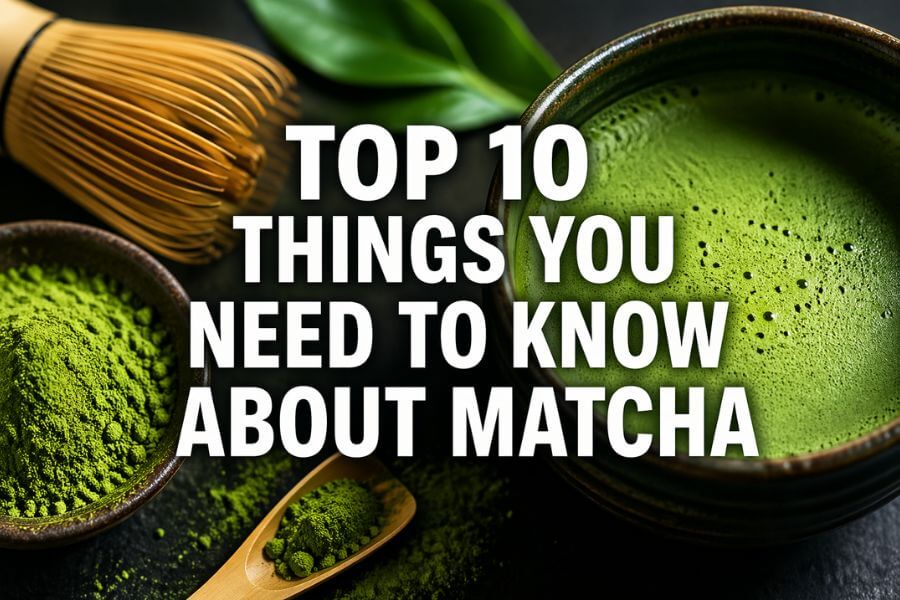
If you have ever seen a bright green drink on social media or at a café, there is a good chance it was Matcha. This finely ground green tea powder has become popular all over the world, not just for its color, but also for its taste and health benefits. Whether you are new to matcha or already enjoy it, understanding the basics can help you appreciate it even more. In this guide, you will learn the most important things you need to know about matcha, from how it is made to how you can enjoy it at home.
1. Matcha Is Different from Regular Green Tea
You might think matcha is just another type of green tea, but it is actually very different. With regular green tea, you steep the leaves in hot water and then throw them away. With matcha, you consume the entire leaf in powdered form, which gives you more nutrients and a stronger flavor. This is one of the main reasons why matcha is considered more powerful than regular green tea. When you drink matcha, you are getting everything the tea leaf has to offer, not just a portion of it.
2. It Comes from Specially Grown Tea Leaves
Matcha is made from tea leaves that are grown in a very unique way. A few weeks before harvest, farmers cover the tea plants to block direct sunlight. This process increases chlorophyll levels, which gives matcha its bright green color and rich taste. It also boosts amino acids, especially L-theanine, which helps create a calm and focused feeling. Because of this careful growing method, matcha tends to be more expensive than other teas, but the quality and flavor are worth it.
3. The Color Tells You the Quality
When choosing matcha, color is one of the easiest ways to judge its quality. High-quality matcha has a vibrant, bright green color, while lower-quality matcha may look dull or yellowish. The greener the powder, the fresher and better it usually is. Premium matcha is often used for drinking, while lower grades are commonly used in cooking or baking. If you are just starting out, look for matcha that has a rich green color and a smooth texture.
4. Matcha Has a Unique Taste
Matcha has a taste that is quite different from other teas. It is often described as:
- Earthy
- Slightly bitter
- Rich and creamy
- Mildly sweet
The balance of these flavors depends on the quality of the matcha and how it is prepared. High-quality matcha tends to be smoother and less bitter, while lower-quality matcha can taste stronger and more astringent. Once you get used to the flavor, you may find it very comforting and enjoyable.
5. It Is Packed with Nutrients
One of the biggest reasons people love matcha is its health benefits. Because you consume the whole tea leaf, matcha is rich in nutrients and antioxidants. Some key benefits include:
- High levels of antioxidants that help protect your body
- Natural caffeine for energy
- L-theanine for calm focus
- Vitamins and minerals that support overall health
This combination makes matcha a great choice if you want a drink that boosts both energy and relaxation at the same time.
6. Matcha Provides Calm Energy
Unlike coffee, which can give you a quick burst of energy followed by a crash, matcha provides a more balanced and steady energy boost. This is because of the combination of caffeine and L-theanine. You may feel more alert, but also calm and focused. Many people prefer matcha for studying, working, or creative tasks because it helps them stay productive without feeling jittery.
7. There Are Different Grades of Matcha
Not all matcha is the same. It generally comes in different grades, each suited for a different purpose:
- Ceremonial grade: Best for drinking, smooth and high quality
- Premium grade: Good for daily drinking, slightly less refined
- Culinary grade: Ideal for cooking and baking
If you want to enjoy matcha as a drink, it is better to choose ceremonial or premium grade. If you plan to use it in recipes like cakes or smoothies, culinary-grade is more practical and affordable.
8. Traditional Preparation Is Simple but Special
Preparing matcha the traditional way can feel like a relaxing ritual. You usually need a few basic tools:
- A bamboo whisk
- A bowl
- A scoop or a spoon
To make matcha, you sift the powder into a bowl, add hot water, and whisk it until it becomes smooth and slightly frothy. The process is simple, but it allows you to slow down and enjoy the moment. Even if you do not follow the traditional method exactly, taking a little time to prepare matcha can make the experience more enjoyable.
9. Matcha Is Very Versatile
Matcha is not just for tea. You can use it in many different ways, which makes it a fun ingredient to have in your kitchen. Some popular options include:
- Matcha latte
- Matcha ice cream
- Matcha cakes and desserts
- Smoothies and shakes
Its bright color and unique flavor make it a great addition to both sweet and savory dishes. If you enjoy experimenting with food, matcha gives you many creative options.
10. Storage Matters for Freshness
To keep matcha fresh, proper storage is very important. Matcha can lose its flavor and color if it is exposed to air, light, heat, or moisture. To maintain its quality, you should:
- Store it in an airtight container
- Keep it in a cool, dark place
- Avoid exposure to sunlight and humidity
Some people even store matcha in the refrigerator to extend its freshness. By taking care of your matcha, you can enjoy its best flavor for a longer time.
Conclusion
Matcha is more than just a trendy drink. It is a traditional and meaningful part of Japanese culture that offers a unique taste, rich nutrients, and a calming experience. From how it is grown to how it is prepared, every step plays a role in what makes matcha special. Whether you enjoy it as a simple tea or use it in creative recipes, understanding these key facts will help you get the most out of your matcha experience. Once you start exploring it, you may find that matcha becomes a regular part of your daily routine.
Frequently Asked Questions
Is matcha safe to drink every day?
Yes, matcha is generally safe to drink every day for most people. However, it does contain caffeine, so you should consume it in moderation. One to two servings per day is usually a good balance.
Can matcha help with weight management?
Matcha may support weight management because it contains antioxidants and can boost metabolism slightly. However, it is not a magic solution, and it works best when combined with a healthy diet and lifestyle.
Does matcha stain teeth?
Like many teas, matcha can stain teeth over time if consumed frequently. Drinking water after matcha or maintaining good oral hygiene can help reduce staining.
Can children drink matcha?
Children can drink matcha in small amounts, but you should be mindful of the caffeine content. It is best to limit intake or choose lower-caffeine options for younger children.
What is the best time to drink matcha?
The best time to drink matcha is usually in the morning or early afternoon. It provides a steady energy boost that can help you stay focused without affecting your sleep later in the day.