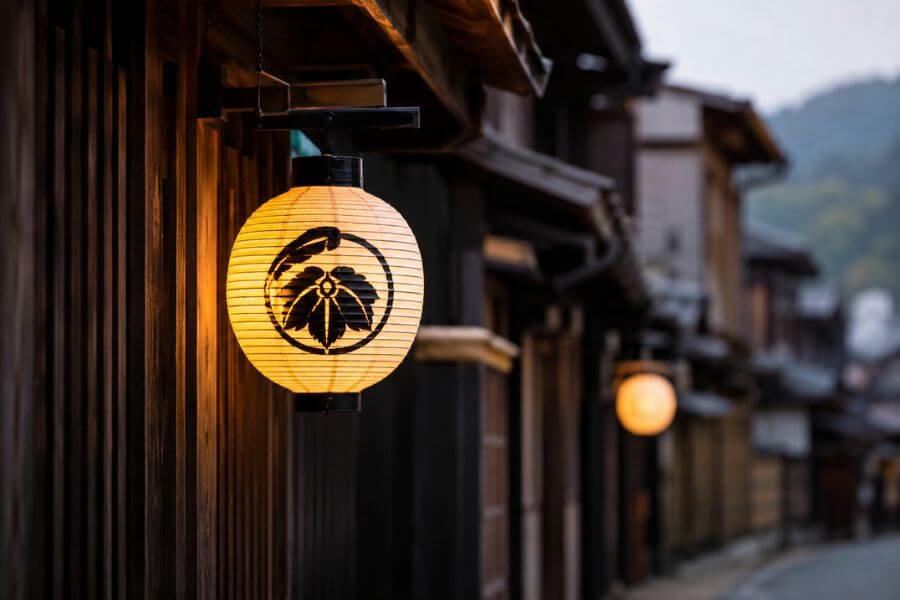
When people think about traditional Japan, Kyoto is usually the first destination that comes to mind. Its temples, tea houses, and historic streets have become symbols of old Japan. However, Kyoto’s popularity has also brought larger crowds, higher prices, and a more tourist-focused atmosphere in many areas.
The good news is that you do not need to stay in Kyoto to experience Japan’s rich cultural heritage. Across the country, you can find preserved samurai towns, ancient shrines, traditional inns, historic villages, and local festivals that often feel even more authentic.
If you want to experience traditional Japan while avoiding Kyoto’s busiest tourist areas, these destinations and experiences offer some of the best alternatives.
Quick Summary Table 🎌
| Rank | Experience | Location | Best For |
|---|---|---|---|
| 1 | Explore a Samurai District | Kanazawa | Historic streets and culture |
| 2 | Stay in a Traditional Ryokan | Hakone | Japanese hospitality |
| 3 | Visit a Preserved Edo Town | Takayama | Old Japan atmosphere |
| 4 | Walk Through Historic Narai-juku | Nagano | Ancient post towns |
| 5 | Experience Shirakawa-go | Gifu | Traditional village life |
| 6 | Attend a Local Festival | Various Regions | Cultural immersion |
| 7 | Visit Ise Grand Shrine | Mie | Spiritual traditions |
| 8 | Discover Hagi’s Samurai Heritage | Yamaguchi | History lovers |
| 9 | Participate in a Tea Ceremony | Multiple Cities | Traditional arts |
| 10 | Relax in a Historic Onsen Town | Kinosaki Onsen | Traditional relaxation |
How We Ranked These Experiences ⭐
We selected these experiences based on several important factors:
- Authentic connection to Japanese traditions
- Historical significance
- Opportunities to interact with local culture
- Preservation of traditional architecture
- Accessibility for international visitors
- Unique experiences not limited to Kyoto
- Cultural value and educational opportunities
- Overall atmosphere and immersion
- Quality of local hospitality
- Ability to experience everyday traditional life
1. Explore the Samurai Districts of Kanazawa ⚔️
Kanazawa is often called one of Japan’s best alternatives to Kyoto. The city escaped much of the destruction that affected other parts of Japan during the twentieth century, allowing many historic neighborhoods to remain intact.
The Nagamachi Samurai District is one of the highlights. You can walk along narrow stone streets lined with earthen walls and traditional residences once occupied by samurai families. Some homes are open to visitors, giving you a glimpse into how these warriors lived centuries ago.
Unlike many famous tourist spots, Kanazawa often feels more relaxed. You can spend hours exploring gardens, traditional markets, and historic tea districts while enjoying a slower pace.
If your goal is to experience authentic history without overwhelming crowds, Kanazawa should be near the top of your list.
2. Stay in a Traditional Ryokan in Hakone ♨️
One of the best ways to experience traditional Japan is not through sightseeing but through where you stay.
A traditional ryokan offers tatami mat rooms, sliding paper doors, futon bedding, seasonal meals, and attentive hospitality that reflects centuries of Japanese customs.
Hakone is particularly famous for this experience. Many ryokans feature private hot spring baths, mountain views, and beautifully prepared multi-course dinners.
The experience teaches you more about Japanese culture than many museums can. From removing your shoes at the entrance to enjoying a carefully prepared kaiseki meal, every detail reflects traditional values and etiquette.
Many visitors consider a ryokan stay one of the most memorable parts of their trip.
3. Visit the Preserved Old Town of Takayama 🏘️
Nestled in the mountains of central Japan, Takayama feels like stepping back into the Edo Period.
The city’s Sanmachi Suji district features wooden merchant houses, sake breweries, traditional shops, and narrow streets that have changed very little over the centuries.
Early mornings are especially magical. Before the crowds arrive, you can stroll through quiet streets and admire beautifully preserved architecture.
Takayama also hosts famous seasonal festivals that showcase elaborate floats, traditional performances, and local customs passed down through generations.
The combination of mountain scenery and historic charm makes Takayama one of Japan’s most rewarding cultural destinations.
4. Walk Through Narai-juku on the Nakasendo Trail 🚶
Long before trains existed, travelers crossed Japan using historic routes connecting major cities.
Narai-juku was one of the most important post towns along the Nakasendo Trail, which linked Edo (modern Tokyo) and Kyoto.
Today, visitors can walk through a remarkably preserved streetscape filled with wooden inns, merchant buildings, and traditional storefronts.
The atmosphere feels authentic because the town remains relatively quiet compared to more famous destinations. Many visitors are surprised by how untouched and peaceful it feels.
Walking these historic streets offers a deeper understanding of how people traveled and lived in Japan hundreds of years ago.
5. Experience Traditional Village Life in Shirakawa-go 🌾
Shirakawa-go is famous for its distinctive gassho-zukuri farmhouses, known for their steep thatched roofs designed to withstand heavy snowfall.
The village sits among mountains and rice fields, creating one of the most picturesque traditional landscapes in Japan.
Many buildings are still used today, allowing visitors to see how traditional rural life continues in modern Japan.
Winter is particularly beautiful when snow covers the rooftops, creating scenes that look almost unreal.
The village provides a rare opportunity to experience the agricultural traditions that shaped Japanese society for centuries.
6. Attend a Local Traditional Festival 🎉
Japan’s festivals offer some of the most authentic cultural experiences available.
While major festivals in large cities attract huge crowds, smaller regional festivals often provide a more personal and meaningful experience.
You might witness traditional dances, portable shrines, taiko drum performances, historic costumes, and local food specialties.
Festivals are important because they connect communities to traditions that have often been preserved for hundreds of years.
Attending even one local festival can provide insights into Japanese culture that are difficult to gain through ordinary sightseeing.
7. Visit Ise Grand Shrine ⛩️
Ise Grand Shrine is considered one of Japan’s most sacred sites.
Surrounded by ancient forests, the shrine complex offers a peaceful atmosphere that feels very different from heavily visited tourist destinations.
One fascinating tradition is that parts of the shrine are rebuilt on a regular cycle using traditional construction techniques. This practice helps preserve ancient craftsmanship while maintaining continuity with the past.
Visitors often describe the area as serene and spiritual, even if they are not religious.
The combination of nature, architecture, and centuries-old customs makes Ise one of the most meaningful places to experience traditional Japan.
8. Discover the Samurai Heritage of Hagi 🛡️
Located in western Japan, Hagi remains one of the country’s most underrated historic towns.
The city preserves old samurai neighborhoods, traditional homes, and castle town layouts that reveal what life was like during Japan’s feudal era.
Many streets still follow their original design, allowing visitors to experience a genuine sense of historical continuity.
Hagi is also famous for traditional pottery, giving visitors the chance to see local crafts that have been practiced for generations.
Because it receives fewer international tourists, the atmosphere often feels especially authentic.
9. Participate in a Traditional Tea Ceremony 🍵
A tea ceremony is much more than simply drinking tea.
Every movement, gesture, and utensil reflects centuries of cultural refinement. The ceremony emphasizes mindfulness, respect, harmony, and appreciation of the present moment.
Many cities throughout Japan offer tea ceremony experiences, making it easy to participate without traveling to Kyoto.
Learning the meaning behind the ritual helps visitors understand important aspects of Japanese culture that influence daily life even today.
It is one of the most direct ways to connect with traditional Japanese values.
10. Relax in the Historic Onsen Town of Kinosaki 🦀
Kinosaki Onsen has preserved its traditional character for generations.
Visitors often wear yukata robes while strolling between public bathhouses along charming canals lined with willow trees.
Cars are limited in many areas, helping maintain a peaceful atmosphere that encourages slow exploration.
The town combines traditional hospitality, hot spring culture, and historic architecture in a way that feels genuinely timeless.
Rather than rushing between attractions, Kinosaki encourages you to experience Japan at a slower and more traditional pace.
Conclusion 🌅
Kyoto may be Japan’s most famous cultural destination, but it is far from the only place where you can experience traditional Japan.
From samurai districts in Kanazawa and mountain villages like Shirakawa-go to spiritual sites such as Ise Grand Shrine and historic onsen towns like Kinosaki, the country offers countless opportunities to connect with its heritage.
By looking beyond Kyoto, you often discover destinations that are less crowded, more affordable, and sometimes even more authentic. Whether you are interested in history, architecture, spirituality, food, or local traditions, these experiences can help you see a side of Japan that many travelers miss.
Frequently Asked Questions ❓
Is Kyoto still worth visiting if I want traditional Japan?
Yes. Kyoto remains one of Japan’s most culturally significant cities. However, combining Kyoto with lesser-known destinations can provide a more balanced and authentic experience while helping you avoid some of the largest crowds.
What is the best season to experience traditional Japan?
Spring and autumn are generally the most popular because of the comfortable weather and beautiful scenery. However, winter offers unique experiences such as snowy villages, hot springs, and seasonal festivals.
Are traditional Japanese experiences expensive?
Not always. While luxury ryokans can be costly, many historic towns, shrines, festivals, and cultural sites are affordable or even free to visit. Costs vary depending on the experience you choose.
Can I experience traditional Japan without speaking Japanese?
Absolutely. Many cultural destinations welcome international visitors, and basic English information is often available. Learning a few simple Japanese phrases can still enhance your experience.
Which destination is best for first-time visitors seeking traditional Japan?
Kanazawa is often one of the best choices. It combines historic neighborhoods, traditional culture, excellent food, beautiful gardens, and convenient transportation while generally being less crowded than Kyoto.