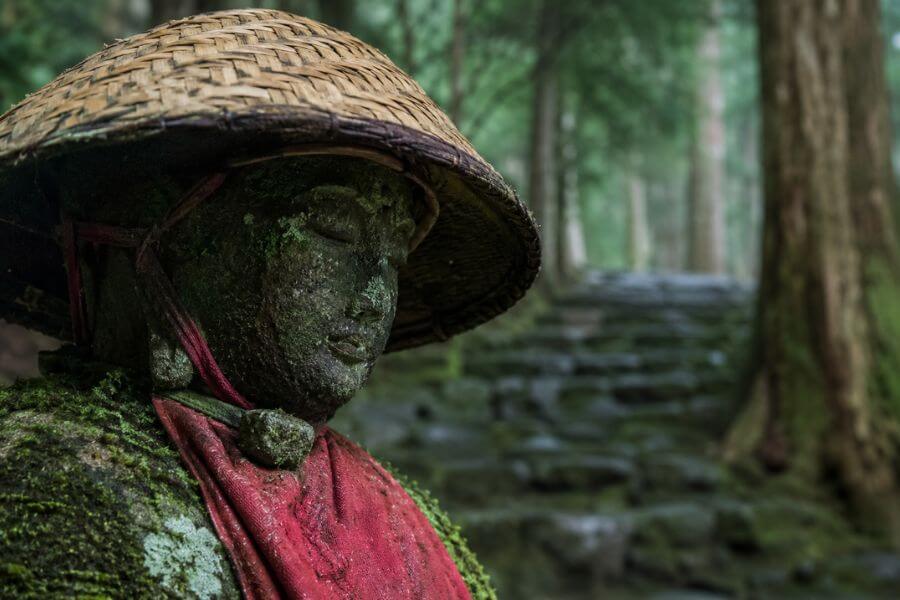
When people think about pilgrimages in Japan, the famous Shikoku 88-Temple Trail usually gets all the attention. While that route deserves its reputation, Japan is full of other spiritual journeys that are just as meaningful and often far less crowded. These pilgrimages take you through quiet mountain villages, ancient forests, coastal paths, and sacred temples that have shaped Japanese culture for centuries.
Whether you want spiritual reflection, a deeper connection with nature, or simply a unique travel experience, these lesser-known pilgrimages offer something unforgettable. Some can be completed in a few days, while others may take weeks. Along the way, you can meet locals, stay in temple lodgings, taste regional food, and discover parts of Japan that many tourists never see.
This guide introduces you to ten of the most rewarding pilgrimages in Japan beyond the famous 88-temple route.
Quick Summary Table 🗾
| Pilgrimage | Region | Main Highlight | Difficulty | Best For |
|---|---|---|---|---|
| Kumano Kodo | Wakayama | Sacred mountain trails | Moderate | Nature and spirituality |
| Saigoku Kannon Pilgrimage | Kansai | Historic Buddhist temples | Moderate | Temple lovers |
| Dewa Sanzan Pilgrimage | Yamagata | Sacred mountain asceticism | Challenging | Deep spiritual journeys |
| Chichibu 34 Kannon Pilgrimage | Saitama | Peaceful countryside temples | Easy to Moderate | Beginners |
| Ise Pilgrimage Routes | Mie | Japan’s holiest Shinto shrine | Easy | Cultural travelers |
| Shikoku Henro Inner Routes | Shikoku | Hidden sections beyond the main trail | Moderate | Repeat visitors |
| Nakasendo Spiritual Walks | Central Japan | Edo-period mountain roads | Easy to Moderate | History fans |
| Oku no Hosomichi Route | Tohoku | Following Basho’s poetic journey | Moderate | Literature and scenery |
| Shodoshima 88 Temple Pilgrimage | Kagawa | Island pilgrimage atmosphere | Moderate | Quiet island travel |
| Kyushu Fudo Myoo Pilgrimage | Kyushu | Fierce guardian deity temples | Challenging | Unique spiritual experiences |
How We Ranked These Pilgrimages 🥾
We selected these pilgrimages based on several important factors that help create a meaningful and memorable experience:
- Spiritual and cultural importance
- Scenic beauty throughout the journey
- Accessibility for international travelers
- Variety of temples, shrines, and landscapes
- Opportunities for personal reflection
- Historical significance
- Local hospitality and atmosphere
- Crowd levels and overall tranquility
- Flexibility for short or long trips
- Uniqueness compared to more famous routes
1. Kumano Kodo, Wakayama Prefecture 🌲
The Kumano Kodo is one of Japan’s most respected pilgrimage networks and one of the few pilgrimage routes in the world recognized as a UNESCO World Heritage Site. Located in the mountainous Kii Peninsula, these ancient trails connect the famous Kumano Sanzan shrines through forests, stone paths, and remote villages.
Walking here feels timeless. Mist drifts through cedar trees while old stone markers guide you toward sacred shrines hidden deep in the mountains. The atmosphere is peaceful, and every section of the trail feels connected to centuries of spiritual practice.
You do not need to complete the entire route to enjoy it. Many travelers spend two to four days walking popular sections such as the Nakahechi route. Along the way, you can stay in traditional inns with hot springs and home-cooked meals.
The Kumano Kodo is especially rewarding because it combines physical challenge with emotional calm. Every day brings beautiful scenery and a deeper sense of connection with nature.
2. Saigoku Kannon Pilgrimage, Kansai Region 🏯
The Saigoku Kannon Pilgrimage is one of Japan’s oldest pilgrimage routes, dating back more than a thousand years. It includes 33 temples dedicated to Kannon, the Buddhist goddess of compassion, spread across the Kansai region.
Unlike mountain-heavy pilgrimages, this route offers incredible variety. You can visit coastal temples overlooking the sea, mountain sanctuaries surrounded by maple trees, and famous historic cities such as Kyoto and Nara.
This pilgrimage is perfect if you want spiritual travel mixed with cultural exploration. Many temples feature beautiful gardens, ancient wooden architecture, and seasonal scenery that changes dramatically throughout the year.
Spring cherry blossoms and autumn leaves make this route especially stunning. Since the temples are spread out, you can complete the pilgrimage slowly over multiple trips instead of all at once.
Many travelers say the Saigoku pilgrimage feels more approachable and flexible than longer pilgrimage routes in Japan.
3. Dewa Sanzan Pilgrimage, Yamagata Prefecture ⛰️
The Dewa Sanzan pilgrimage is one of the most intense and spiritual journeys in Japan. It centers around three sacred mountains: Mount Haguro, Mount Gassan, and Mount Yudono.
These mountains symbolize birth, death, and rebirth. Walking through all three is meant to represent a spiritual transformation.
The journey begins at Mount Haguro, where you climb a famous stone staircase lined with towering cedar trees and ancient lanterns. The atmosphere alone feels magical. Mount Gassan adds a more demanding mountain hike, while Mount Yudono introduces sacred rituals connected to Shugendo mountain worship.
This pilgrimage stands out because it feels deeply connected to ancient Japan. The white-robed yamabushi mountain monks who train here still preserve old spiritual traditions.
The route can be physically demanding, especially during bad weather, but the emotional reward is huge. Many travelers describe the experience as life-changing.
4. Chichibu 34 Kannon Pilgrimage, Saitama Prefecture 🍃
If you are looking for a gentler introduction to Japanese pilgrimages, the Chichibu 34 Kannon route is an excellent choice. Located near Tokyo, this pilgrimage takes you through quiet countryside landscapes, small towns, and peaceful forests.
The temples are smaller and less crowded than those on major pilgrimage circuits, which creates a calm and personal atmosphere. You can easily spend several days exploring the route without feeling rushed.
One of the best parts of this pilgrimage is how approachable it feels. The trails are manageable for most fitness levels, and transportation between temples is relatively easy.
The region is also known for beautiful seasonal flowers, especially spring moss phlox and autumn foliage. Local shops and family-run inns give the area a warm and welcoming feel.
This pilgrimage proves that spiritual journeys do not always need to be extreme or physically exhausting to feel meaningful.
5. Ise Pilgrimage Routes, Mie Prefecture ☀️
For centuries, ordinary people across Japan dreamed of making a pilgrimage to Ise Grand Shrine, the most sacred Shinto site in the country. During the Edo period, huge numbers of pilgrims traveled on foot to reach this holy destination.
Today, several old pilgrimage roads still lead toward Ise. Walking these routes gives you a glimpse into how travelers experienced Japan hundreds of years ago.
The journey itself is peaceful and culturally rich. Small tea houses, preserved streets, and local shrines appear along the way. As you approach the sacred forests of Ise Grand Shrine, the atmosphere becomes increasingly calm and reflective.
Unlike temple-focused Buddhist pilgrimages, the Ise pilgrimage emphasizes purification, gratitude, and connection with nature through Shinto traditions.
Even a short section of the route can feel surprisingly emotional because of its historical importance and spiritual simplicity.
6. Shikoku Henro Inner Routes, Shikoku 🌊
While the main 88-temple trail receives global attention, many lesser-known inner routes across Shikoku remain overlooked. These side paths often connect remote temples, mountain villages, and hidden sacred sites that many pilgrims skip.
Exploring these quieter sections gives you a very different experience from the more popular areas. You may walk for hours without seeing another traveler.
These inner routes allow you to discover the slower side of pilgrimage culture. Local residents still greet walkers warmly, and small temples often feel more personal and intimate.
Because these routes are less commercialized, you can experience stronger feelings of solitude and reflection. The scenery also tends to be more rugged and natural.
For travelers who already know about the main Shikoku pilgrimage, these hidden routes offer a deeper and more authentic adventure.
7. Nakasendo Spiritual Walks, Central Japan 🚶
The Nakasendo was one of the main roads connecting Kyoto and Edo during the samurai era. Although not originally created as a religious pilgrimage, many travelers walked it for spiritual growth and reflection.
Today, preserved sections between towns like Magome and Tsumago offer one of Japan’s most atmospheric long-distance walking experiences.
The route passes through forests, mountain valleys, waterfalls, and beautifully preserved post towns that feel frozen in time. Staying overnight in traditional inns adds even more charm to the experience.
Walking the Nakasendo allows you to slow down and appreciate the rhythm of old Japan. The journey feels meditative, especially in the early morning when the trails are quiet.
Many travelers who are not interested in formal religious pilgrimages still find this route deeply rewarding on a personal level.
8. Oku no Hosomichi Route, Tohoku Region 📜
This pilgrimage-like journey follows the footsteps of the famous poet Matsuo Basho, who traveled through northern Japan while writing what became one of the country’s greatest literary works.
The route is not a formal religious pilgrimage, but many people walk parts of it as a journey of reflection, creativity, and cultural discovery.
The landscapes are breathtaking. You can visit dramatic coastlines, quiet temples, mountain paths, and historic villages that inspired Basho’s poetry centuries ago.
This route feels different from other pilgrimages because it blends spirituality with art and literature. Instead of focusing only on temples, the journey encourages you to observe nature carefully and appreciate small moments.
For thoughtful travelers who enjoy slow travel and quiet scenery, this route can feel incredibly meaningful.
9. Shodoshima 88 Temple Pilgrimage, Kagawa Prefecture 🚢
Often called the smaller cousin of the Shikoku pilgrimage, the Shodoshima 88 Temple route takes place across a peaceful island in the Seto Inland Sea.
The atmosphere here is much quieter and more relaxed than the larger Shikoku pilgrimage. Olive groves, seaside roads, mountain trails, and fishing villages create a beautiful backdrop for walking.
Because the island is compact, it is easier to complete sections within a shorter time frame. The temples themselves range from tiny hidden halls to larger historic sites.
One of the most rewarding parts of this pilgrimage is the sense of community. Island residents are known for their kindness toward pilgrims, and the slower pace makes every interaction feel more genuine.
The combination of ocean views and spiritual sites gives this pilgrimage a unique atmosphere that feels peaceful from beginning to end.
10. Kyushu Fudo Myoo Pilgrimage, Kyushu 🔥
The Kyushu Fudo Myoo pilgrimage is one of the lesser-known spiritual routes in Japan, making it ideal for travelers seeking something truly different.
This pilgrimage centers around temples dedicated to Fudo Myoo, a fierce Buddhist guardian deity associated with protection, discipline, and inner strength.
The temples are spread across Kyushu’s volcanic landscapes, forests, and historic towns. Many sites have dramatic statues, fire rituals, and powerful mountain settings that create a strong spiritual atmosphere.
Compared to more tourist-friendly pilgrimages, this route feels raw and intense. Some temples require steep climbs or long travel times, but the reward is a deep sense of accomplishment.
If you want a pilgrimage that feels mysterious, emotional, and unforgettable, this route stands out from almost every other spiritual journey in Japan.
Conclusion 🌸
Japan offers far more pilgrimages than the famous 88-temple trail alone. From sacred mountain climbs to quiet countryside walks, these journeys allow you to experience the country in a deeper and more meaningful way.
Each pilgrimage has its own personality. Some focus on physical endurance, while others encourage quiet reflection or cultural discovery. No matter which route you choose, you will likely return home with more than just photos. You will carry memories of peaceful forests, kind strangers, ancient traditions, and moments of personal clarity.
The best pilgrimage is not always the most famous one. Sometimes the quieter paths leave the strongest impression.
Frequently Asked Questions ❓
Do you need to be religious to enjoy a pilgrimage in Japan?
Not at all. Many travelers walk these routes for cultural interest, personal reflection, fitness, or love of nature. Respect for local traditions is more important than religious belief.
What is the best season for pilgrimages in Japan?
Spring and autumn are usually the most comfortable seasons because temperatures are mild and the scenery is beautiful. Summer can be hot and humid, while winter conditions vary depending on the region.
Can beginners complete Japanese pilgrimages?
Yes. Some pilgrimages are very beginner-friendly, especially shorter routes like the Chichibu pilgrimage or parts of the Nakasendo. You can choose routes that match your fitness level.
Are temple lodgings available during these pilgrimages?
Many pilgrimage routes offer temple stays or traditional inns. These accommodations often include local meals and provide a more immersive cultural experience.
What should you pack for a pilgrimage in Japan?
Comfortable walking shoes, weather-appropriate clothing, water, a small backpack, and basic travel essentials are the most important items. Many travelers also carry a temple stamp book as a souvenir of their journey.